
Collection
Cookware
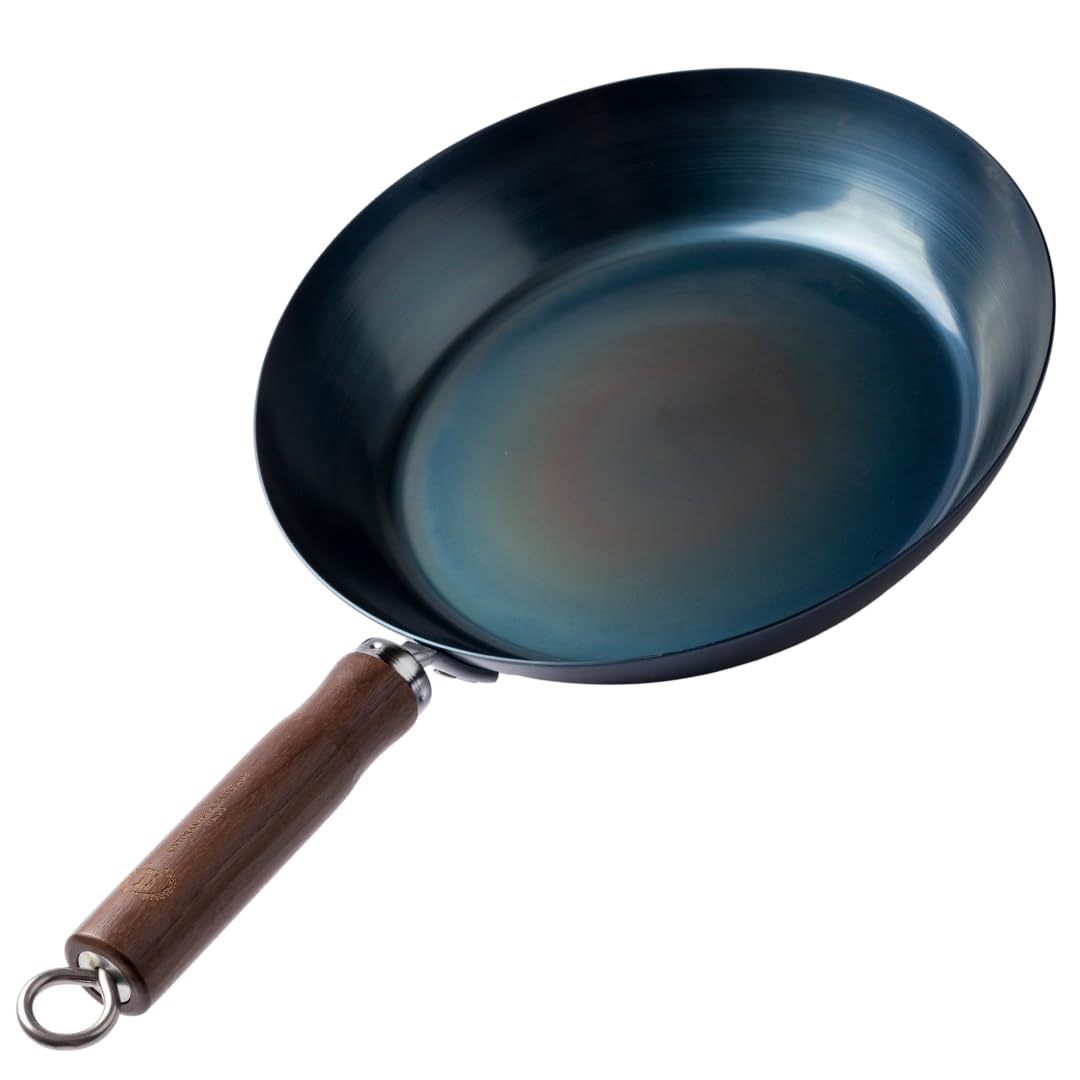
Clay and iron hold heat gently, which is why they suit rice, stews and one pot cooking. Check the heat source before you buy: many donabe are for gas only, and carbon steel needs drying and oiling after every wash.













Cookware: clay, iron and the pots that expect patience
Japanese cookware is built for a style of cooking that values gentle, even heat over speed. A clay pot for rice, a heavy iron kettle, a ridged mortar for grinding sesame. The shapes look strange until you use them, and then they explain themselves.
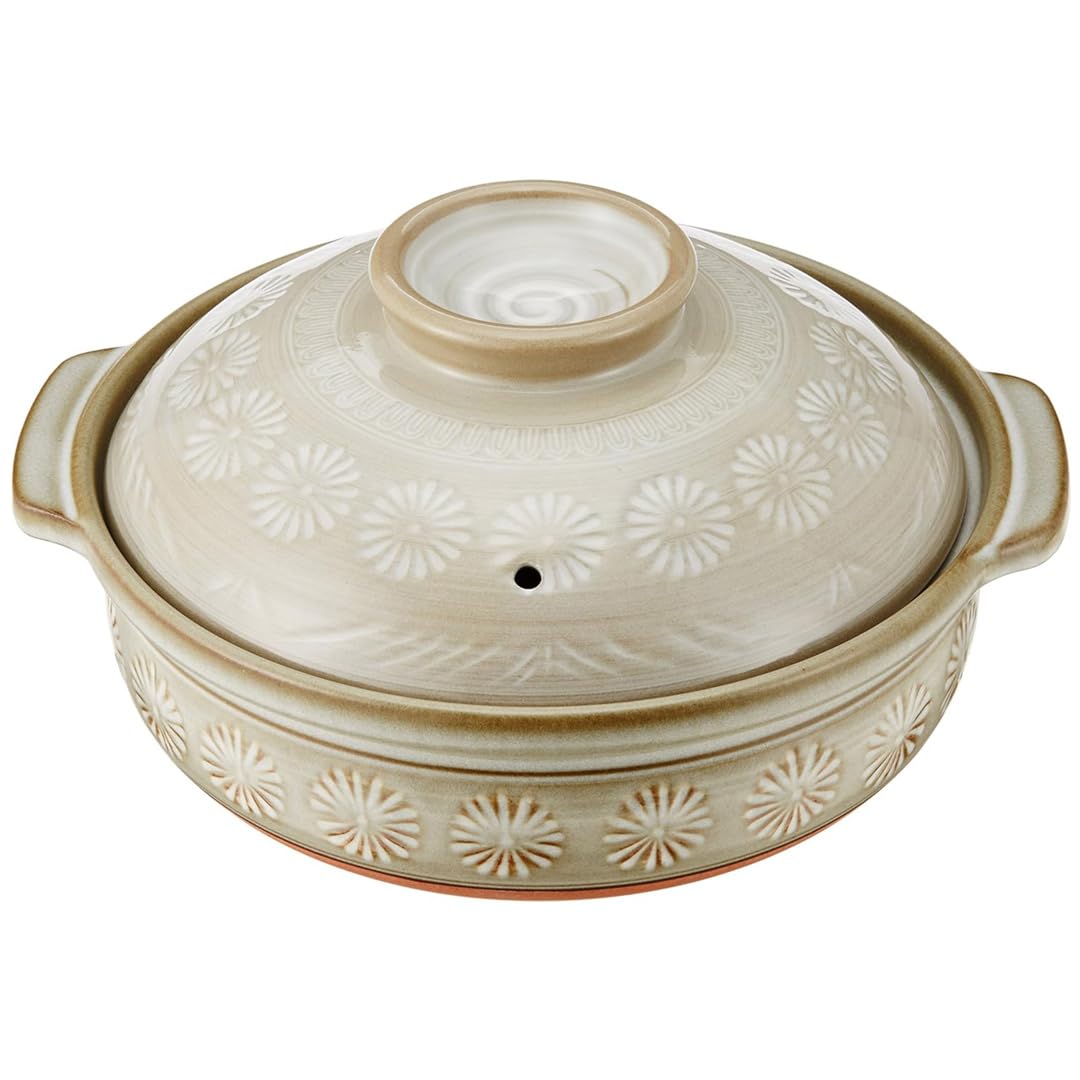
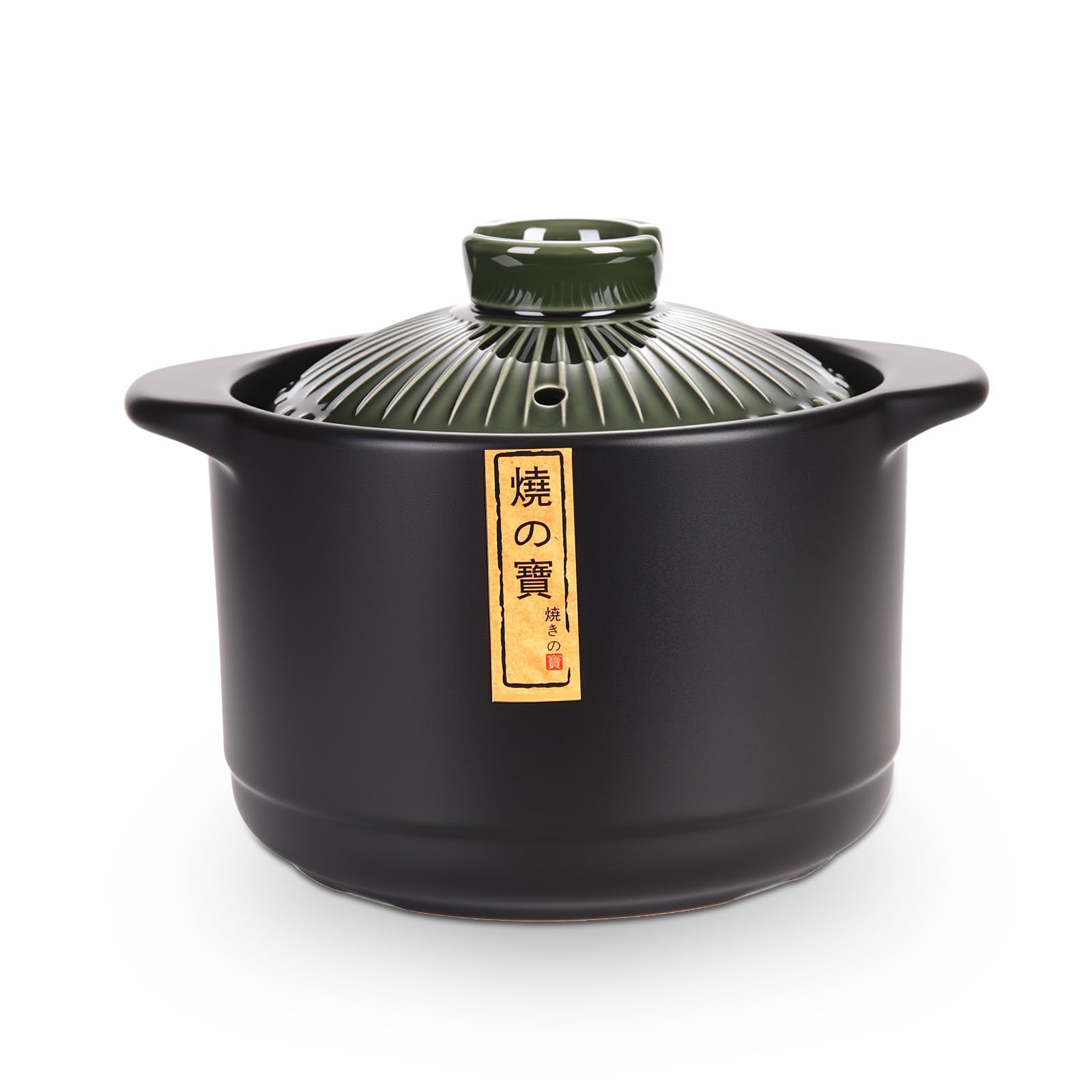
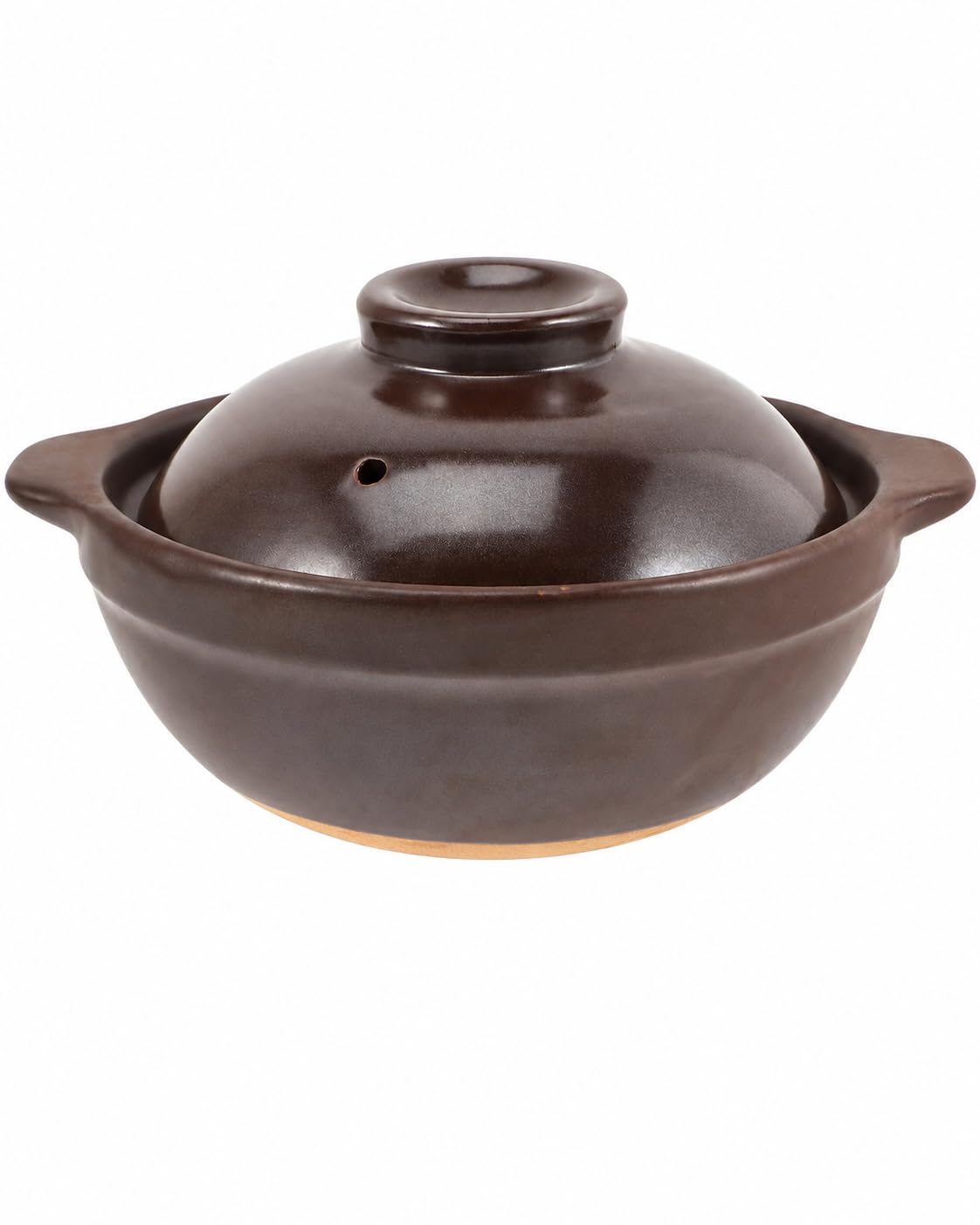
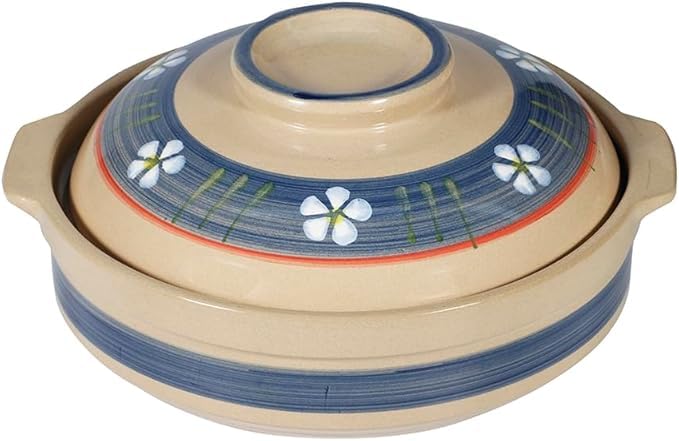
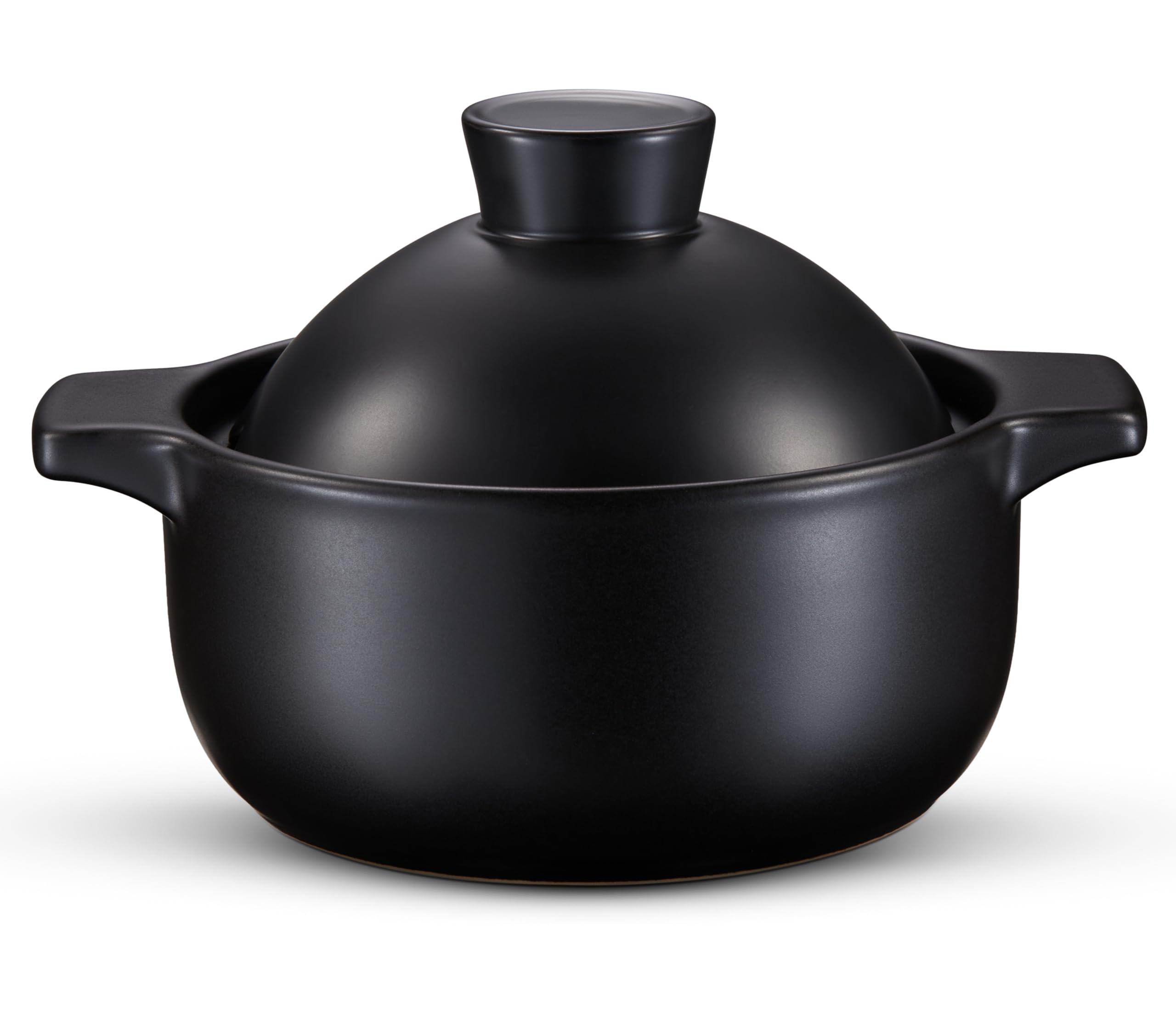
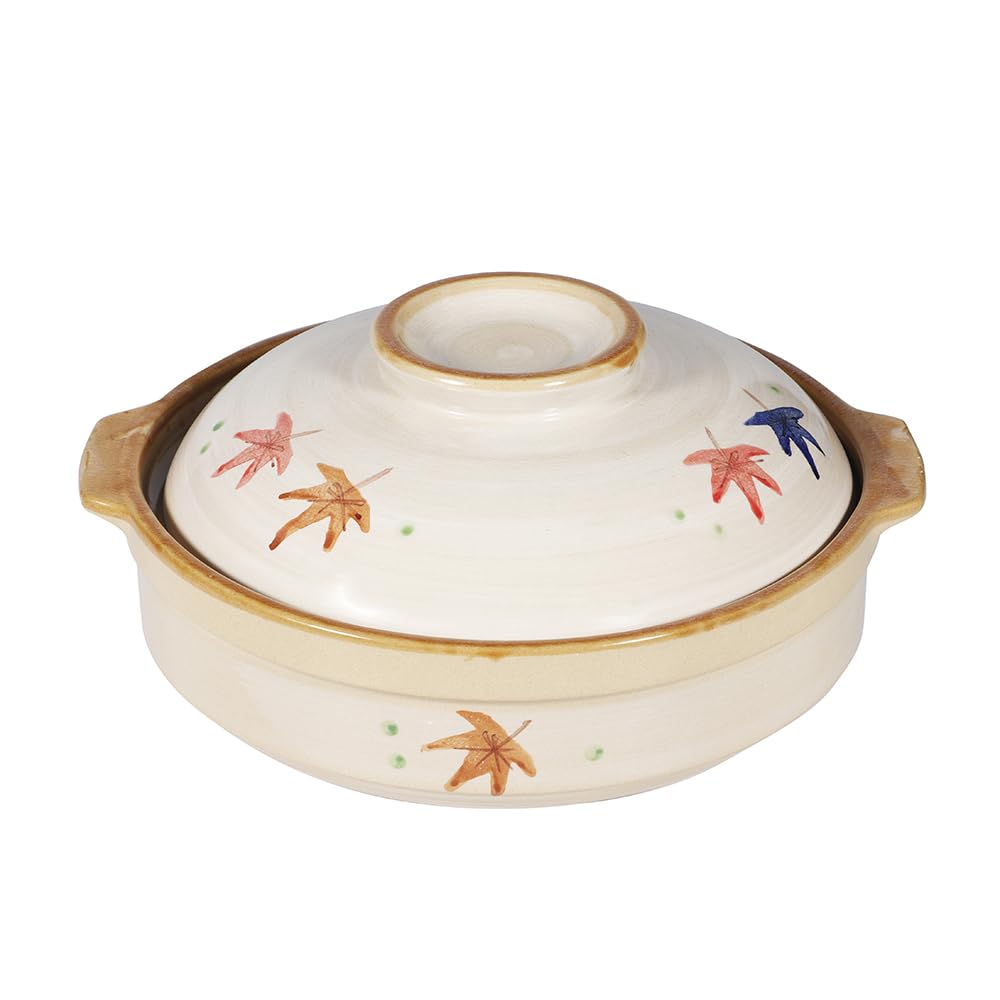
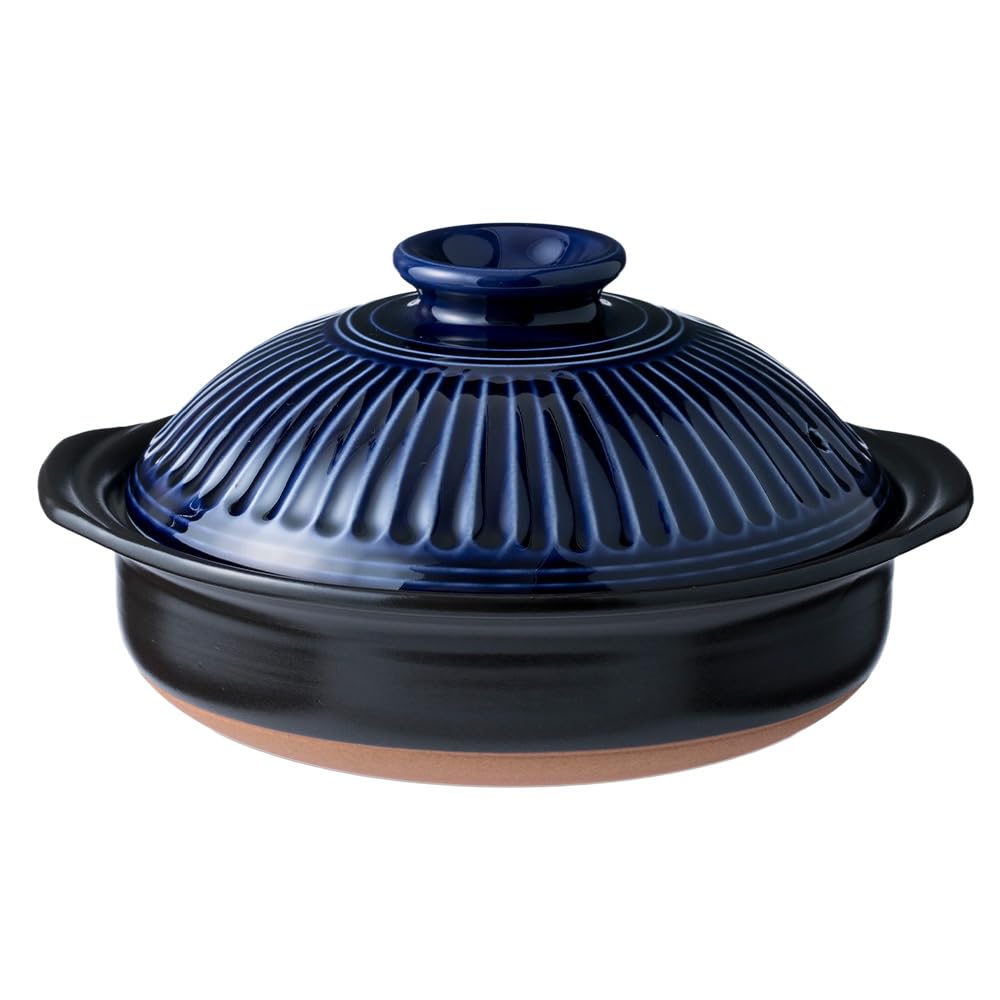
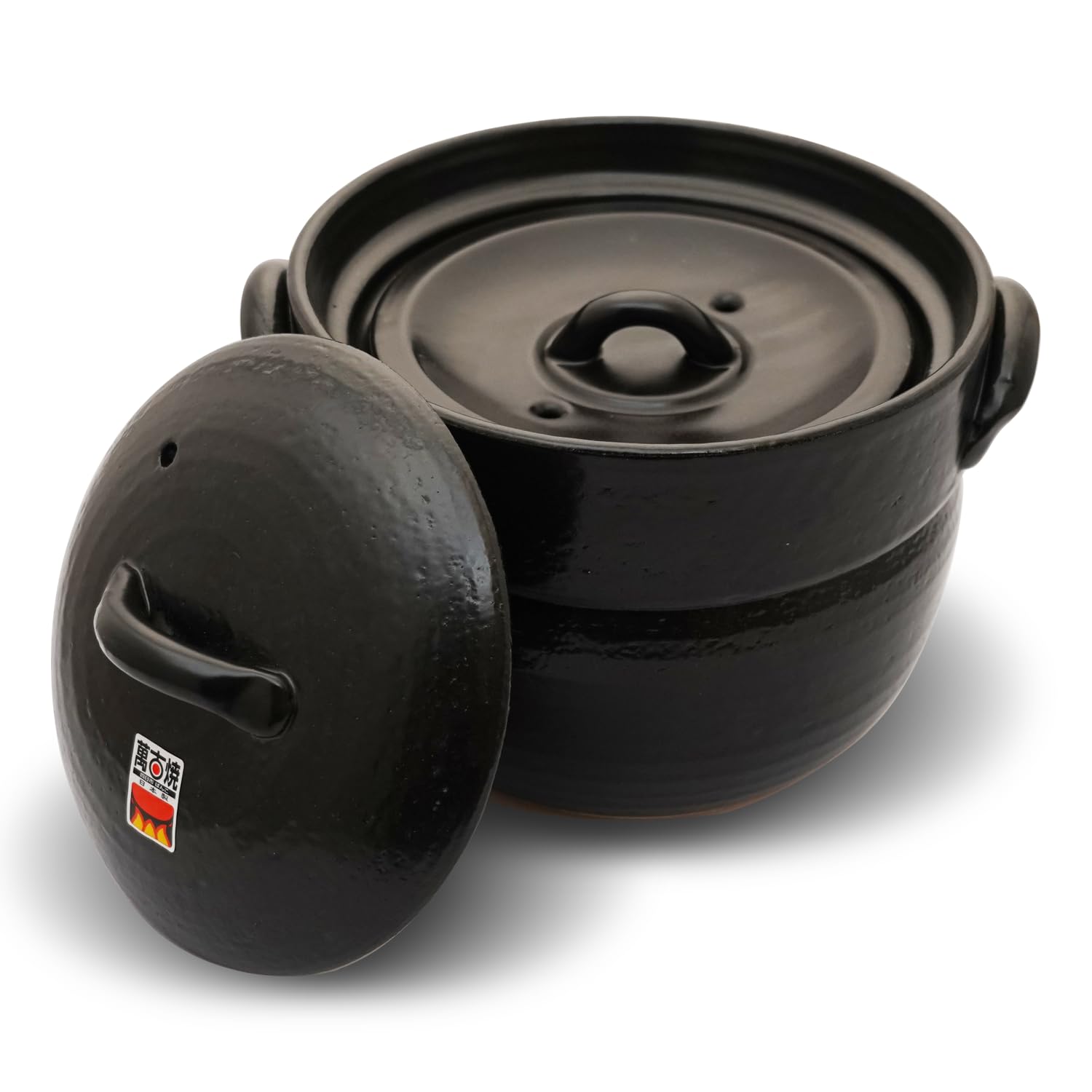
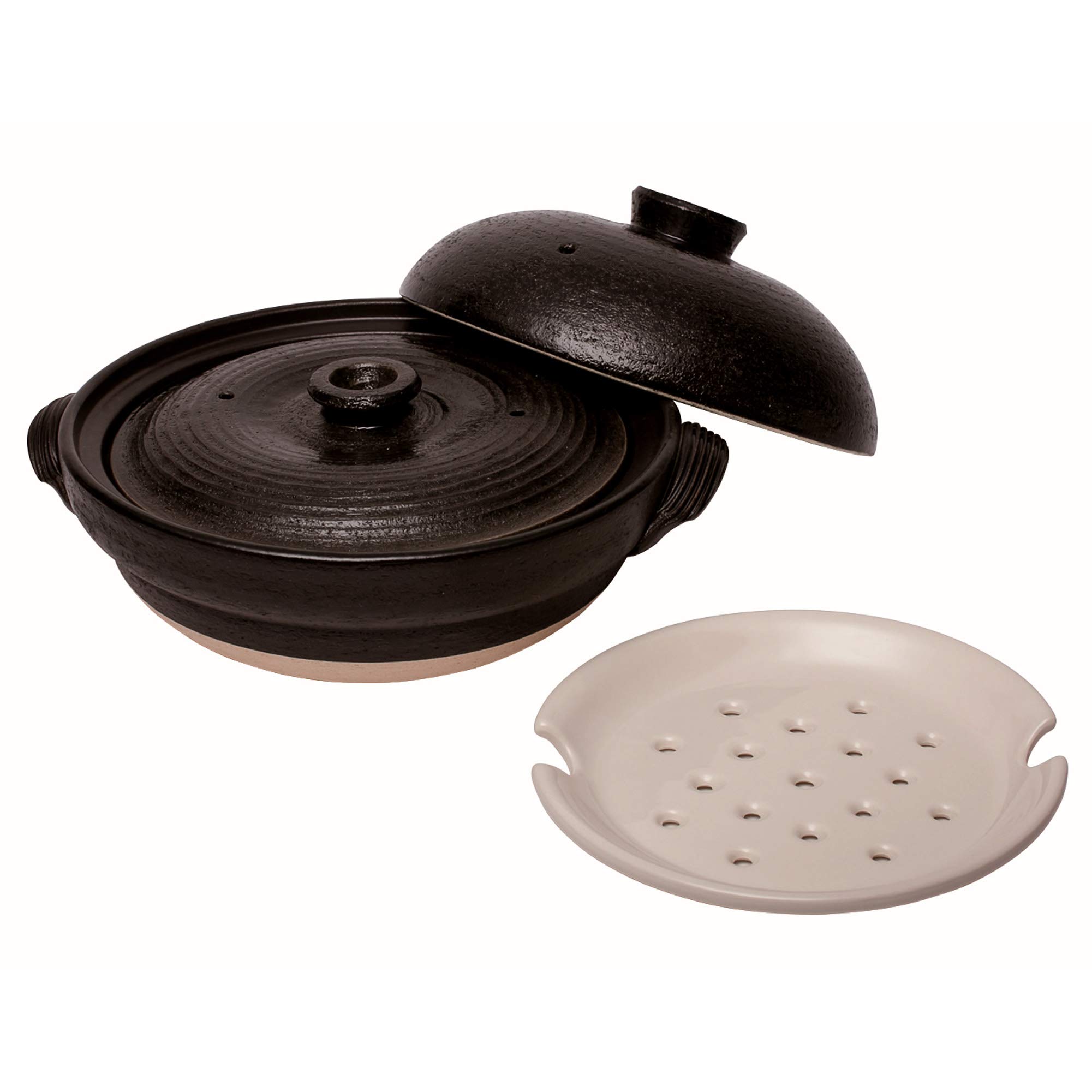
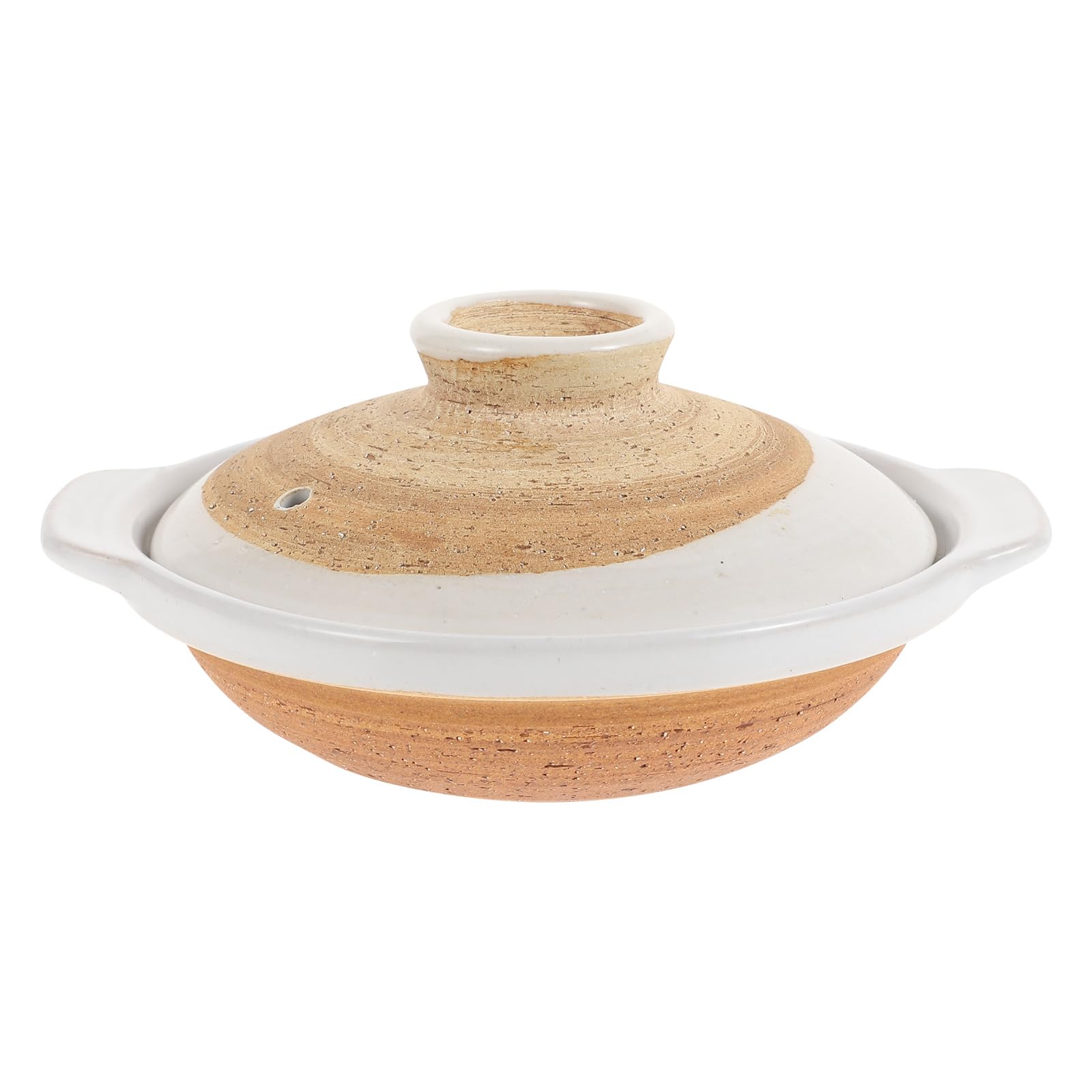
Donabe, cooking in clay
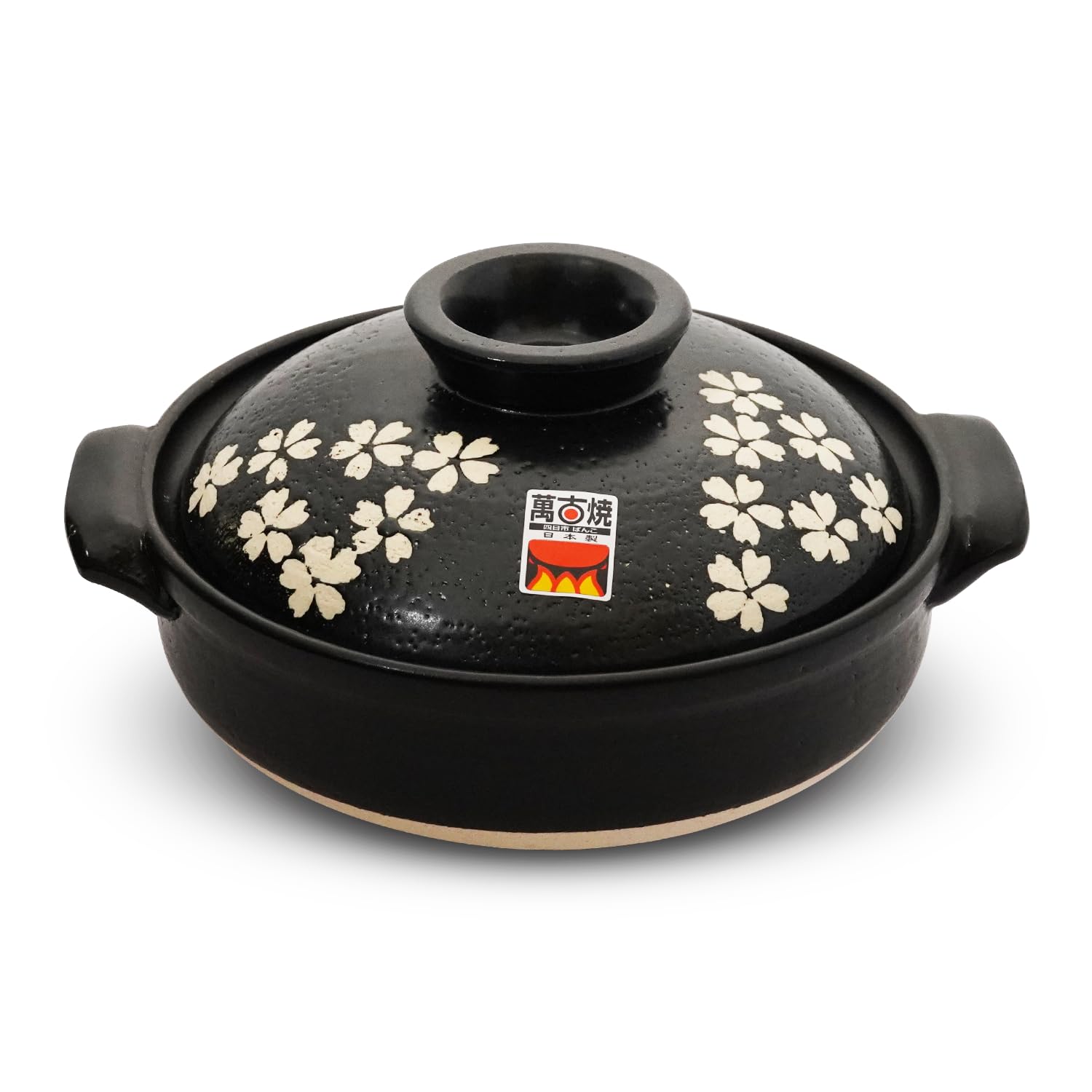
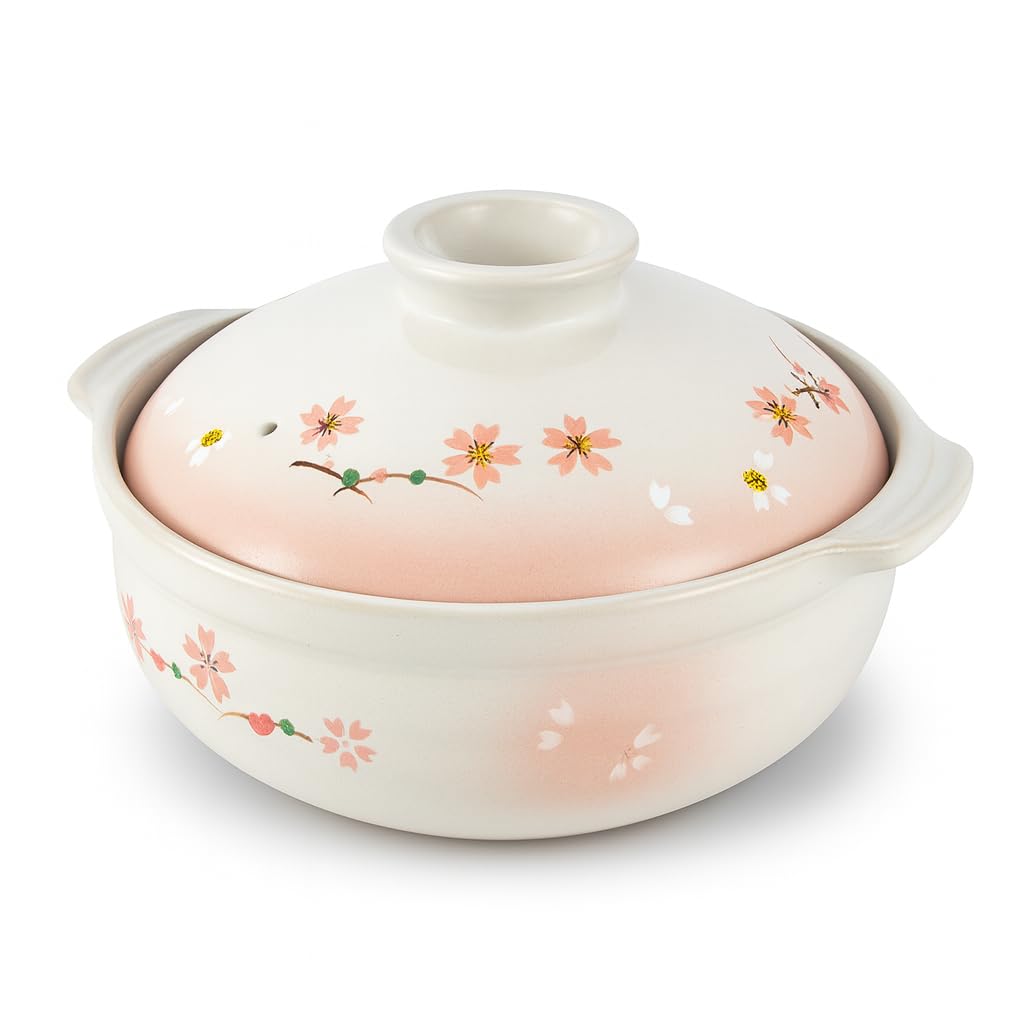
The donabe is a clay pot, and it is the traditional way to cook rice and nabe, the one pot dish eaten at the table in winter. The best known come from Iga in Mie prefecture, where the clay has been dug and fired for centuries, and from Banko, also in Mie, where the ware developed in the eighteenth century under the patronage of a local merchant family.
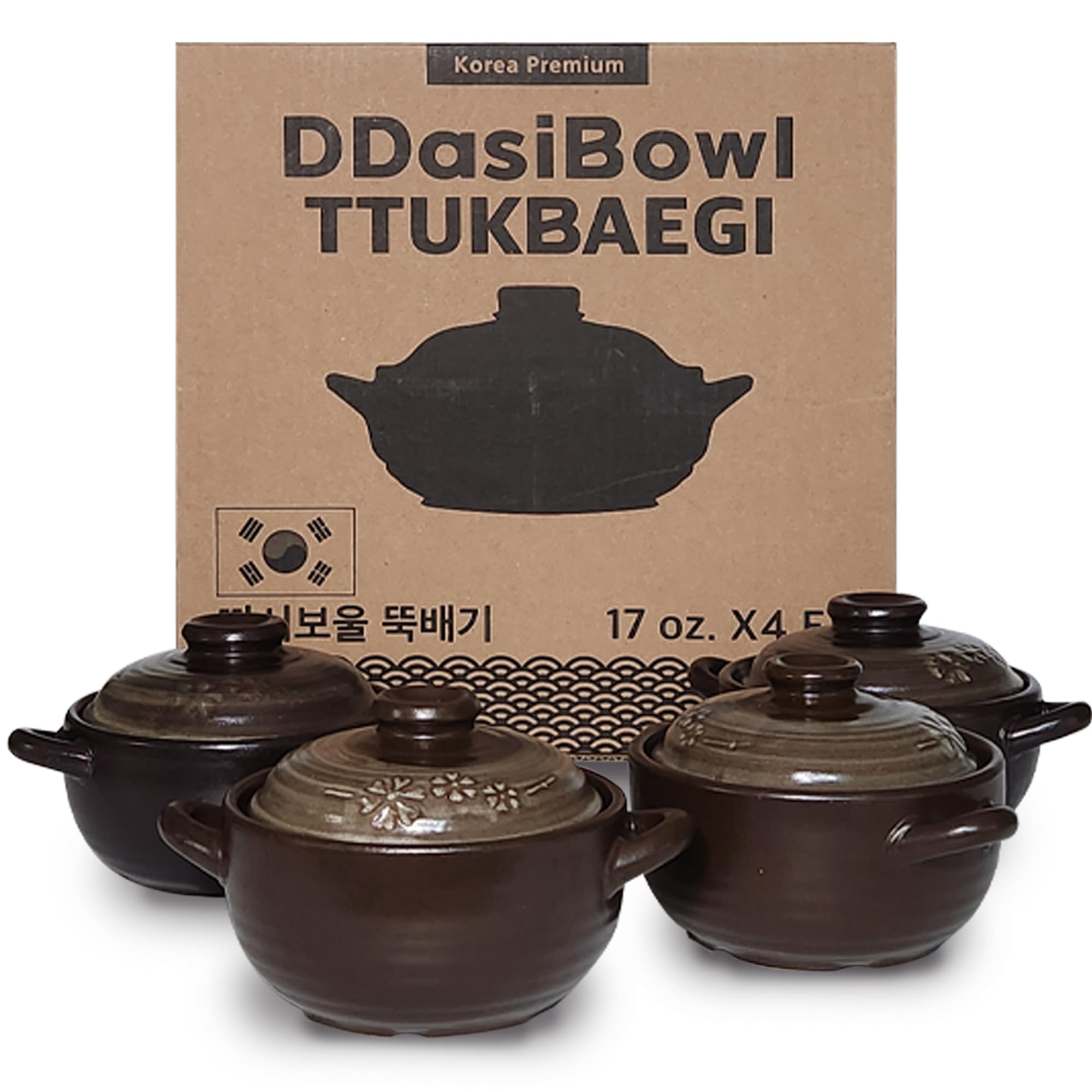
Clay heats slowly and holds heat, which is exactly what rice needs. The pot goes on the hob, the rice and water come to a boil, the lid goes on, and the whole thing is left alone for ten minutes and then rested. Most donabe are for gas only, some work on induction, and all of them crack if you heat them empty or cool them too fast. The lid is often glazed inside and needs drying separately.
Iron, from kettles to skillets
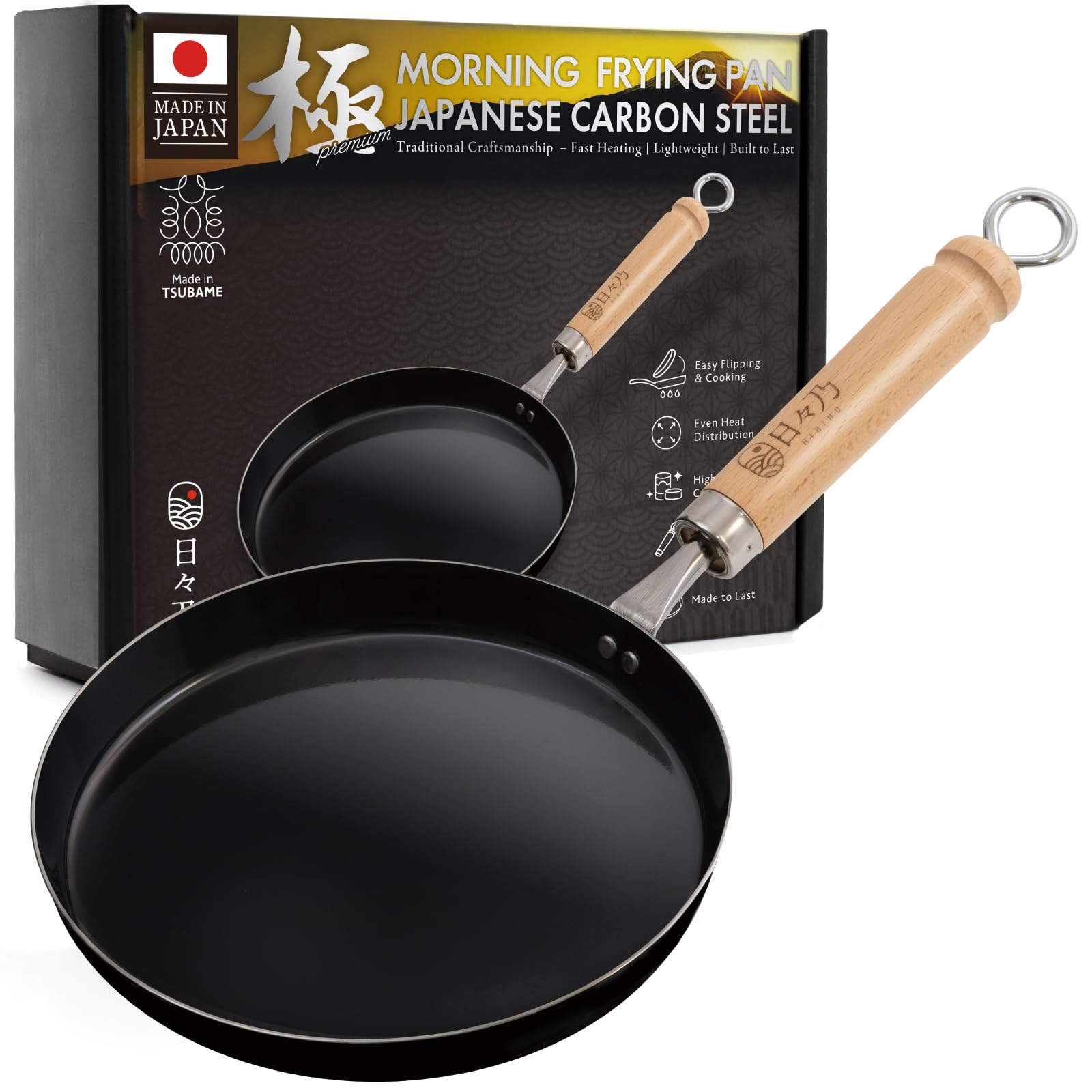
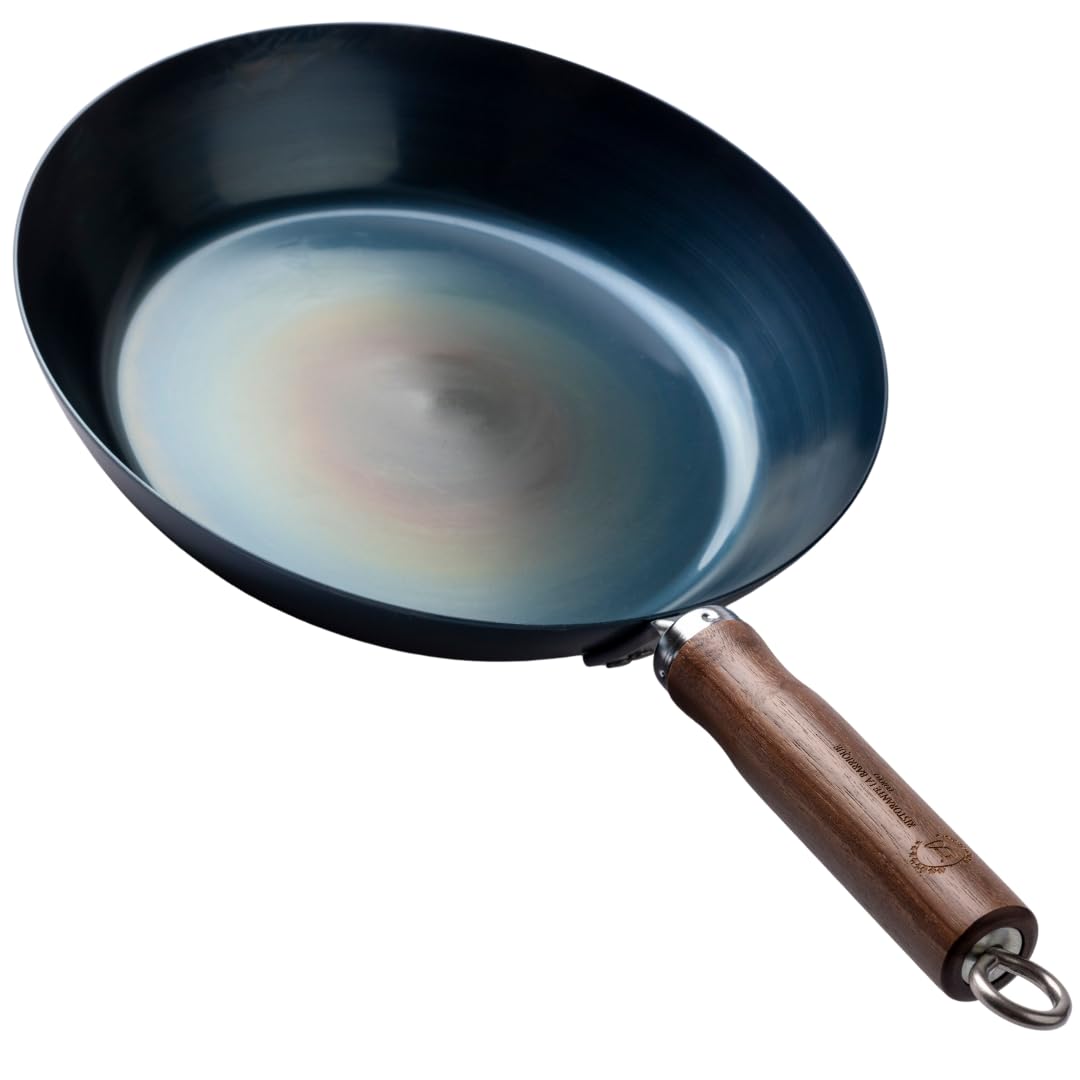
Japanese ironwork has its own geography, and the kettle version of it sits in teaware. Nambu tekki, from Morioka and Mizusawa in Iwate, began in the seventeenth century when the local domain brought in artisans from Kyoto, and it produces the cast iron kettles known as tetsubin, as well as skillets and griddles with a characteristic pebbled surface.
Cast iron is a different cooking instrument from carbon steel: slower to heat, better at holding temperature, and heavier. The Japanese versions are thinner than American cast iron, which makes them quicker to respond and less suited to very high heat. Season them, dry them on the hob, and do not wash them with soap unless you are prepared to reseason.
Tamagoyaki pans and the rolled omelette
The tamagoyaki pan is rectangular, and the shape exists for one technique: rolling a thin layer of egg into a cylinder, then adding another layer and rolling again. A round pan cannot do it without waste. Copper versions are traditional, aluminium and non stick versions are what most homes use, and both work. The pan is small, cheap, and one of the clearest cases of a Japanese tool being shaped by a single dish.
Suribachi, the ridged mortar
The suribachi is a ceramic bowl with a grid of ridges on the inside, used with a wooden pestle called a surikogi made from sansho wood. The ridges grind rather than crush, which is why it can turn sesame seeds into a paste and mash tofu into a smooth dressing in a way a food processor cannot.
It is one of the oldest tools in the Japanese kitchen, in use since prehistoric settlement, and it remains in daily use. A suribachi that is too small is frustrating, so buy one that holds at least a litre if you plan to make dressings for more than one person.
Yukihira and the everyday pot
The yukihira is a small aluminium or stainless pot with a pouring spout on one side and a handle on the other. It is the pot Japanese home cooks use for everything from boiling noodles to making a small batch of soup, and the spout is the point: it lets you pour broth into a bowl without a ladle. Cheap, light and unglamorous, it is the most used pot in most Japanese kitchens.
Takoyaki pans, steamers and graters
Takoyaki pans are dimpled cast iron or non stick trays used to cook octopus balls, a street food from Osaka that dates to the 1930s. Bamboo steamers, seiro, are used for dumplings and vegetables and stack over a wok or a pot. Oroshigane are fine toothed graters, traditionally copper, used for ginger, wasabi and daikon, producing a pulp rather than a slice.
Each of these is a single purpose tool, and each earns its place only if you cook the dish it belongs to. That is worth saying plainly in a category that can easily become a collection.
What to buy first
Start with a pot you will use weekly, which for most people is a donabe or a yukihira, and a suribachi if you make dressings. Add a tamagoyaki pan if you want the omelette, a cast iron piece if you want heat retention, and a steamer if you cook vegetables in volume.
The pieces above cover that progression. A knife and a stone come first in any kitchen, then a pot, then the rest. Cookware is the category where patience pays: a good donabe lasts decades if you do not shock it with cold water.