
Collection
Noodles
Dried Japanese noodles are the fastest route to a hot dinner. Ramen comes with a soup base, udon is thick and chewy, soba is buckwheat and lighter, somen is thin and served cold. Keep two kinds in the cupboard and dinner stops being a decision.

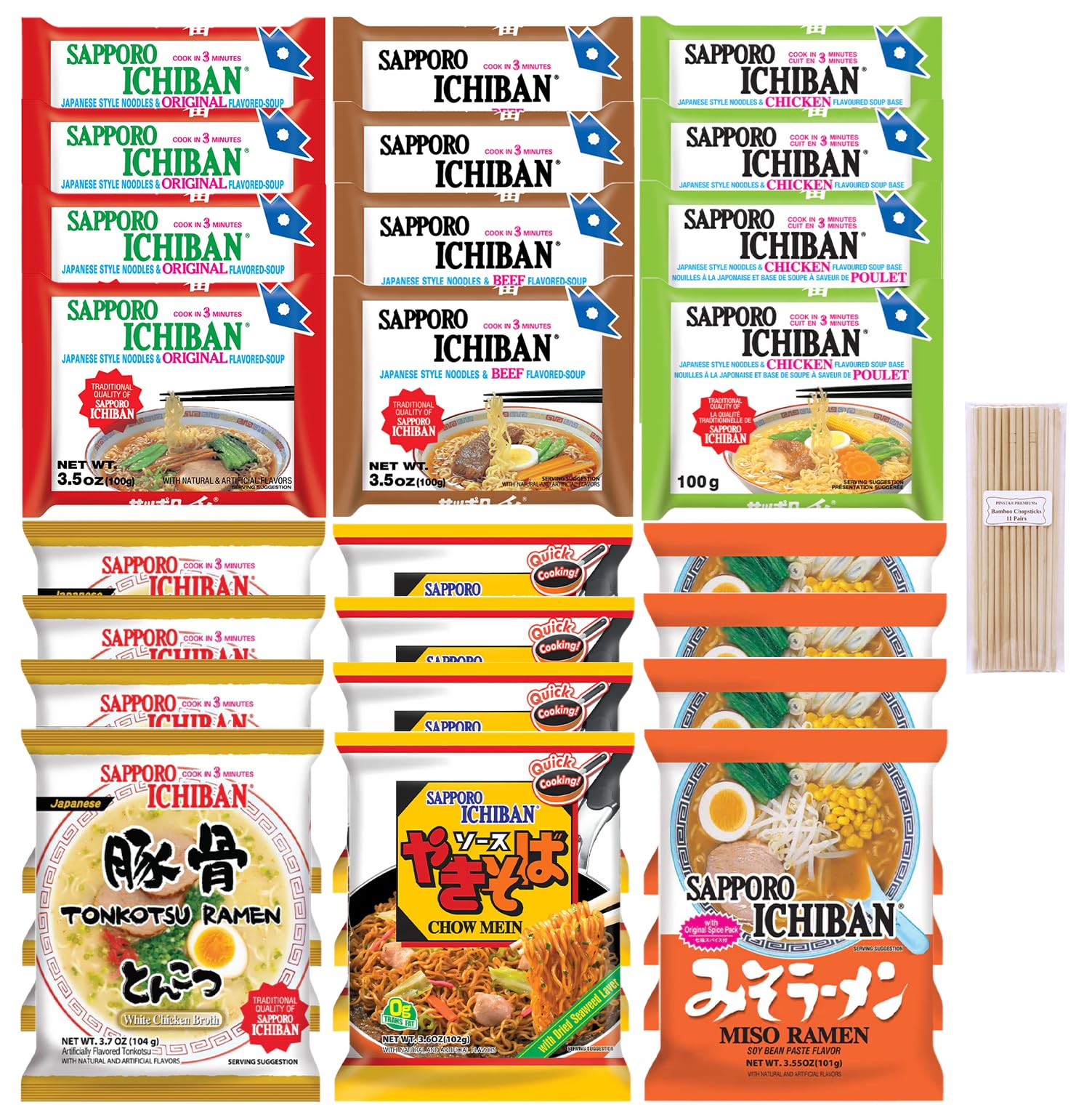


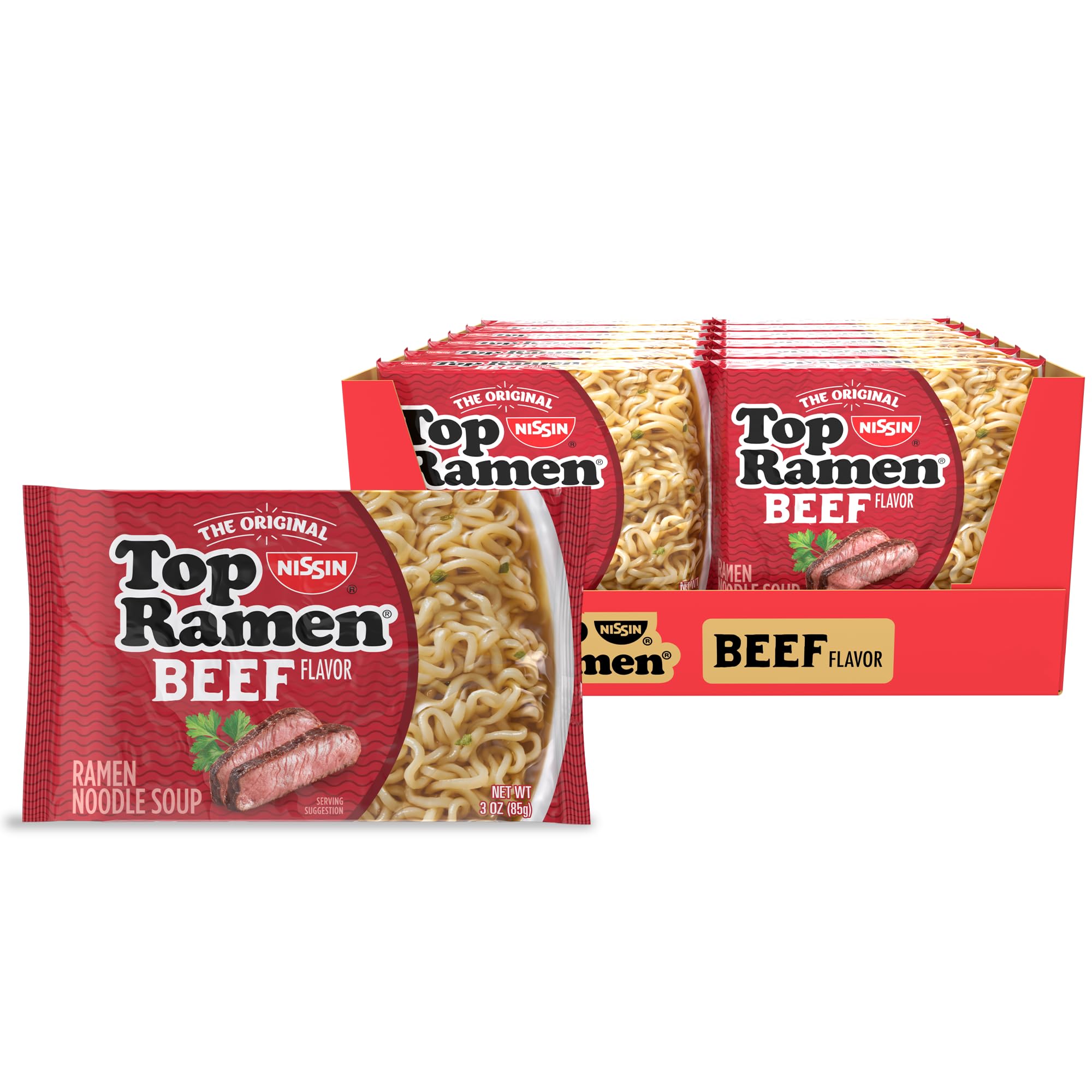
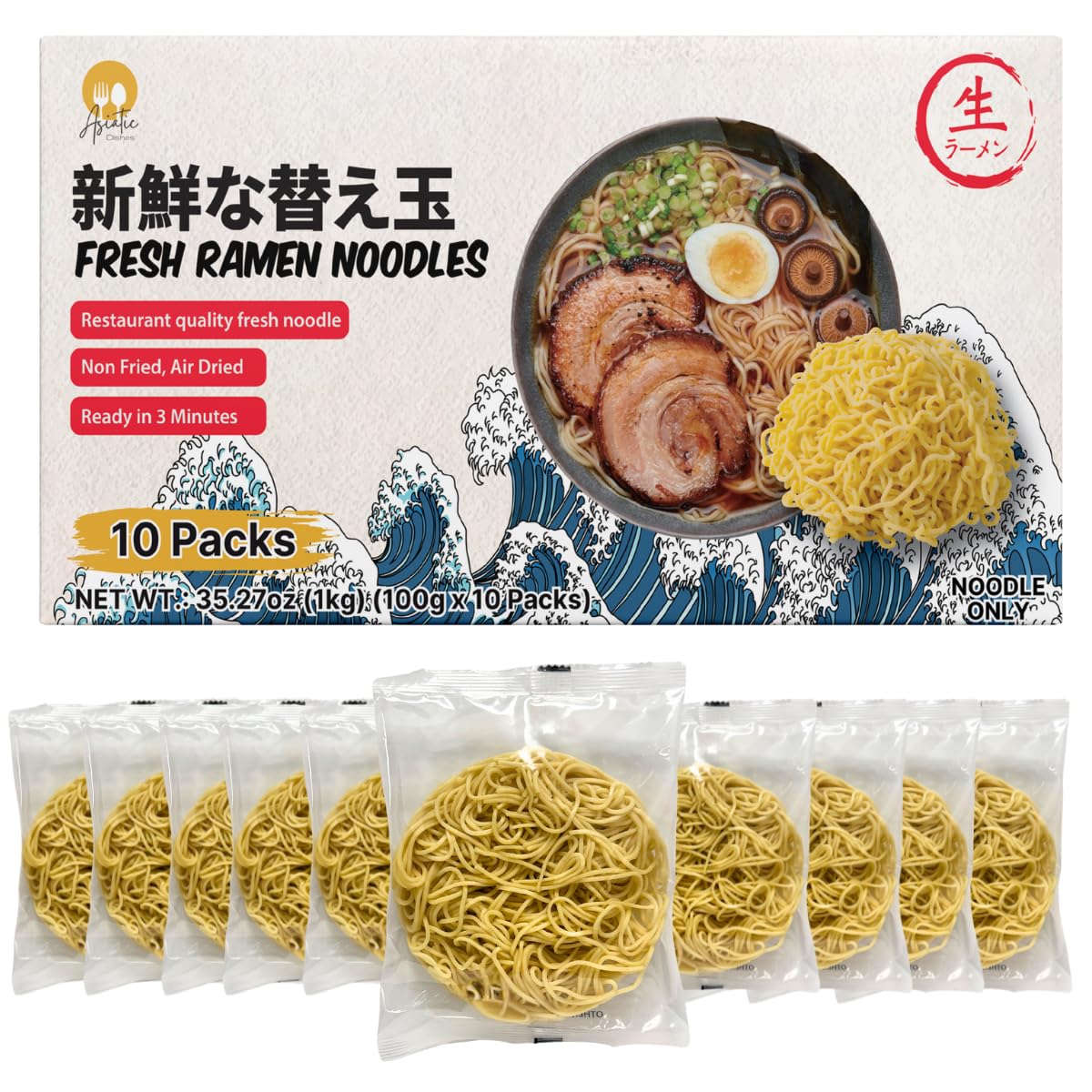


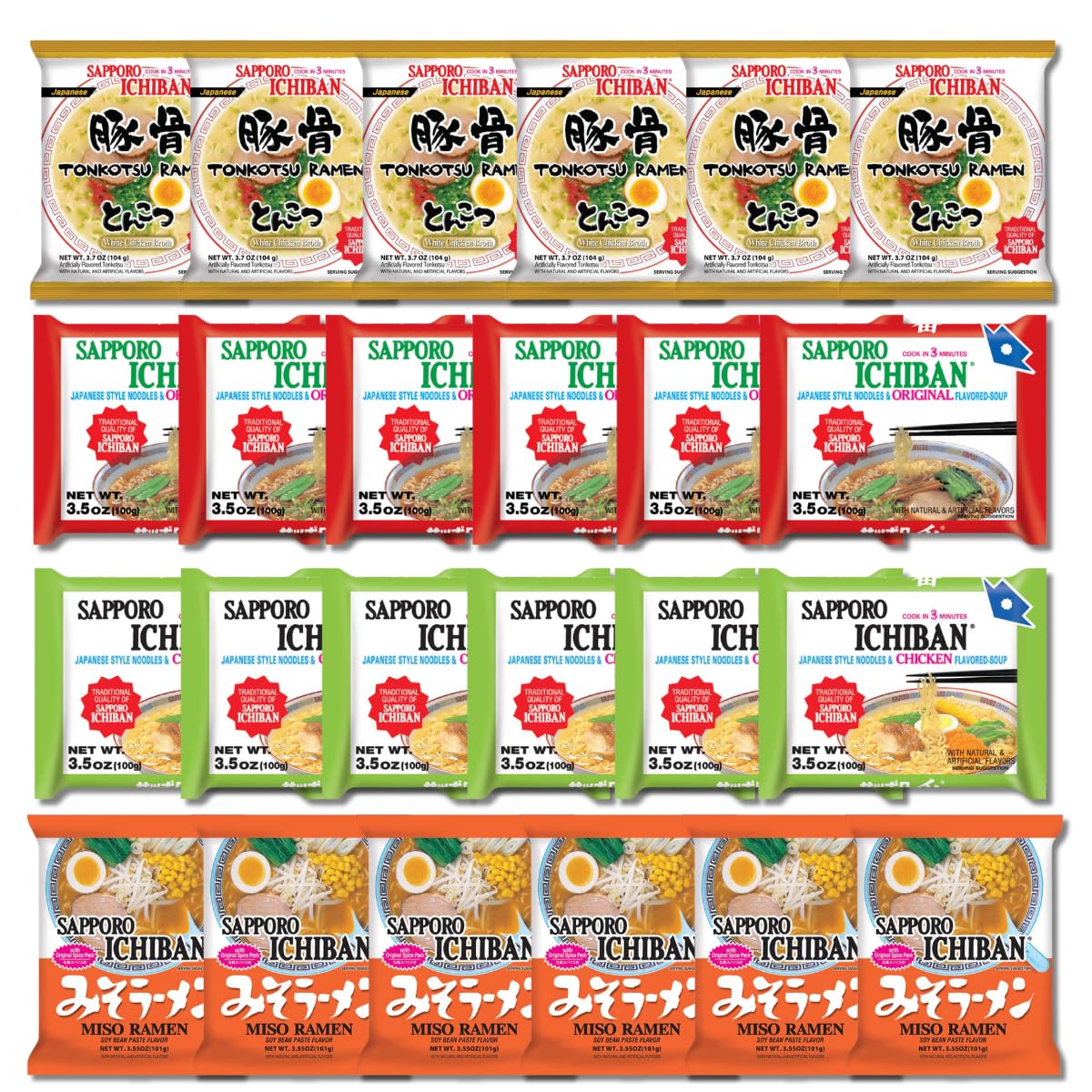


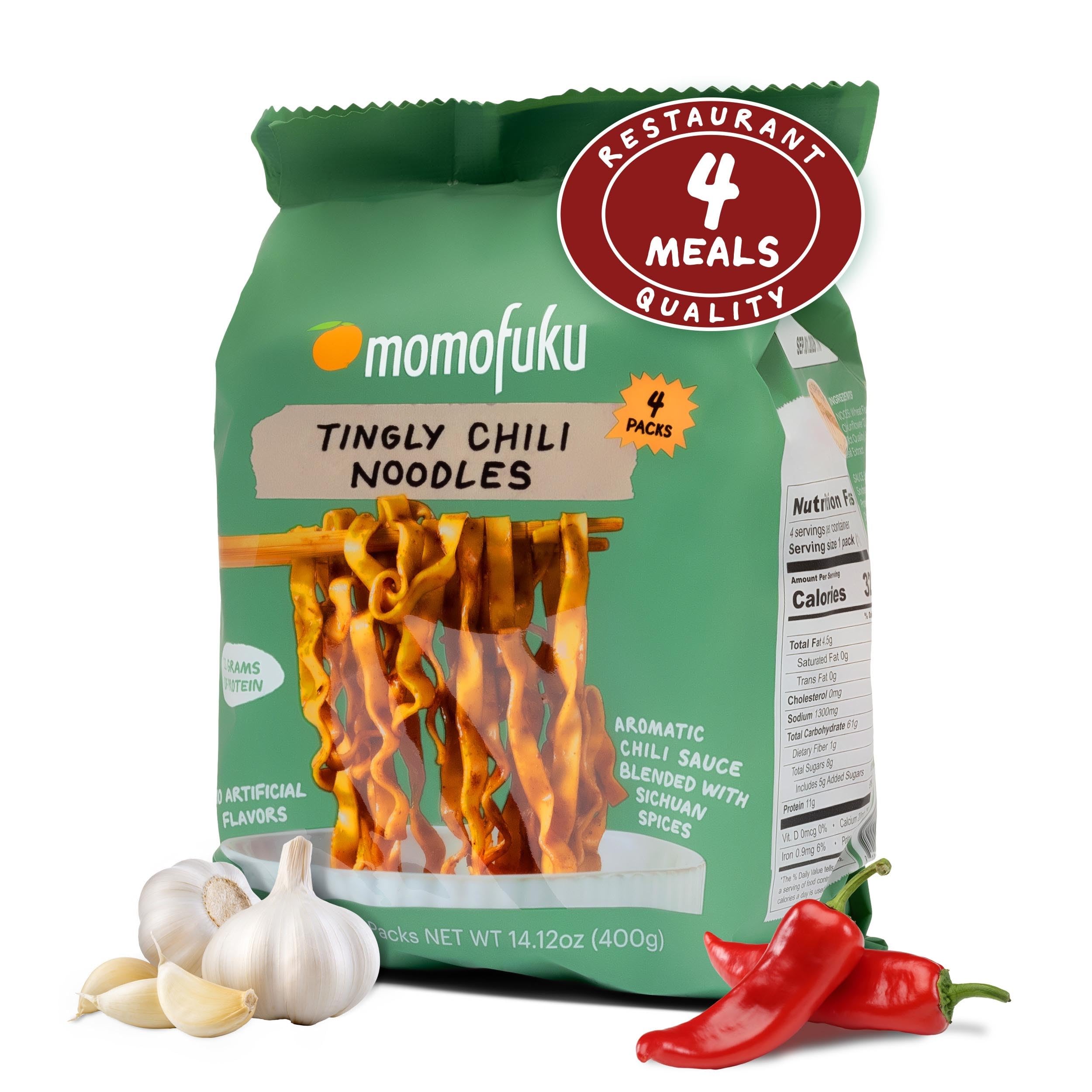
Noodles: four shapes and the history behind each
Japan has four everyday noodles, and each arrived by a different route. Udon came from China with Buddhism. Soba is native and became the food of Edo. Ramen is Chinese in origin and Japanese in every detail after that. Somen is the thin one kept for hot weather. Knowing which is which explains most of what you see on a menu.
Udon, thick wheat and a chewy bite
Udon is made from wheat flour, water and salt, kneaded hard and cut thick. The texture is the point: a proper udon resists slightly and then gives, which the Japanese call koshi. The legend credits the monk Kukai with bringing the method from China in the ninth century, and Sanuki in Kagawa prefecture, on the island of Shikoku, is the region that made it famous.
Kneading is traditionally done by foot, a fact that surprises people and makes sense once you have tried to work a stiff dough by hand. Dried udon is the practical export: it keeps for a year and cooks in about eight minutes.
Soba, buckwheat and the city of Edo
Soba is made from buckwheat, sometimes with wheat added for binding. It is earthier and more fragile than udon, and it became the fast food of Edo, sold from street stalls to a city of workers in the eighteenth century. The habit of eating toshikoshi soba, buckwheat noodles, on New Year's Eve, is still universal.
Pure buckwheat, juwari soba, is difficult to make because the dough has almost no gluten and breaks. Most commercial soba blends buckwheat with wheat in ratios of eight to two or seven to three, which is printed on the label if you look. Soba is eaten cold with tsuyu, a sauce built on soy sauce and mirin, sometimes with a squeeze of yuzu, or hot in broth.
Ramen, imported and reinvented
Ramen began as shina soba, Chinese style noodles sold in Japanese port cities in the early twentieth century. It became Japanese by regional reinvention: Sapporo added miso, Hakata built tonkotsu from pork bones, Tokyo kept the soy sauce and fish base, Kitakata went flat and wavy. The broth, the tare and the fat are the local signature, and the noodles are usually alkaline, which gives them their snap.
The instant version changed global food. Momofuku Ando released Chicken Ramen in 1958 and Cup Noodle in 1971, and the method, flash frying noodles to dry them, made a bowl of hot food possible without cooking. Instant ramen is not the same dish as a bowl in Sapporo, and it is not trying to be.
Somen, thin and cold
Somen is a very thin wheat noodle, dried in oil and sold in bundles. It cooks in two minutes and is served chilled with a dipping sauce in summer, often over ice. Miwa in Nara claims the origin, and the noodle is one of the oldest continuously made foods in the country.
Because it is thin, timing matters: thirty seconds too long and it turns to paste. Rinse under cold water immediately after cooking to stop it and remove surface starch.
How to cook dried noodles well
Use a large pot and plenty of water. Dried noodles need room, and a small pot drops the temperature and makes them gluey. Salt the water lightly for wheat noodles, not at all for soba, which is fragile. Stir once at the start. Drain, and for cold dishes rinse under cold water and drain again thoroughly.
Broth is where the rest of the site comes in: dashi for the base, soy sauce and mirin for the seasoning, miso for a Sapporo style bowl, and nori and spring onion to finish. A bowl of noodles is mostly an assembly job once the stock is right.
Keeping them
Dried noodles keep for a year in a dry cupboard. Fresh noodles, sold vacuum packed, keep for weeks refrigerated and freeze well. Instant packets have their own shelf life and their own rules. Buy dried if you cook weekly, fresh if you want the texture closer to a restaurant bowl.
The noodles above span udon, soba, somen and ramen, dried and instant. Start with one wheat noodle and one buckwheat, and you can make most of the hot and cold dishes in Japanese home cooking.