
Collection
Hojicha
Hojicha is green tea roasted until the leaves turn brown. The result is toasty and low in caffeine, which makes it the one you can drink after dinner.







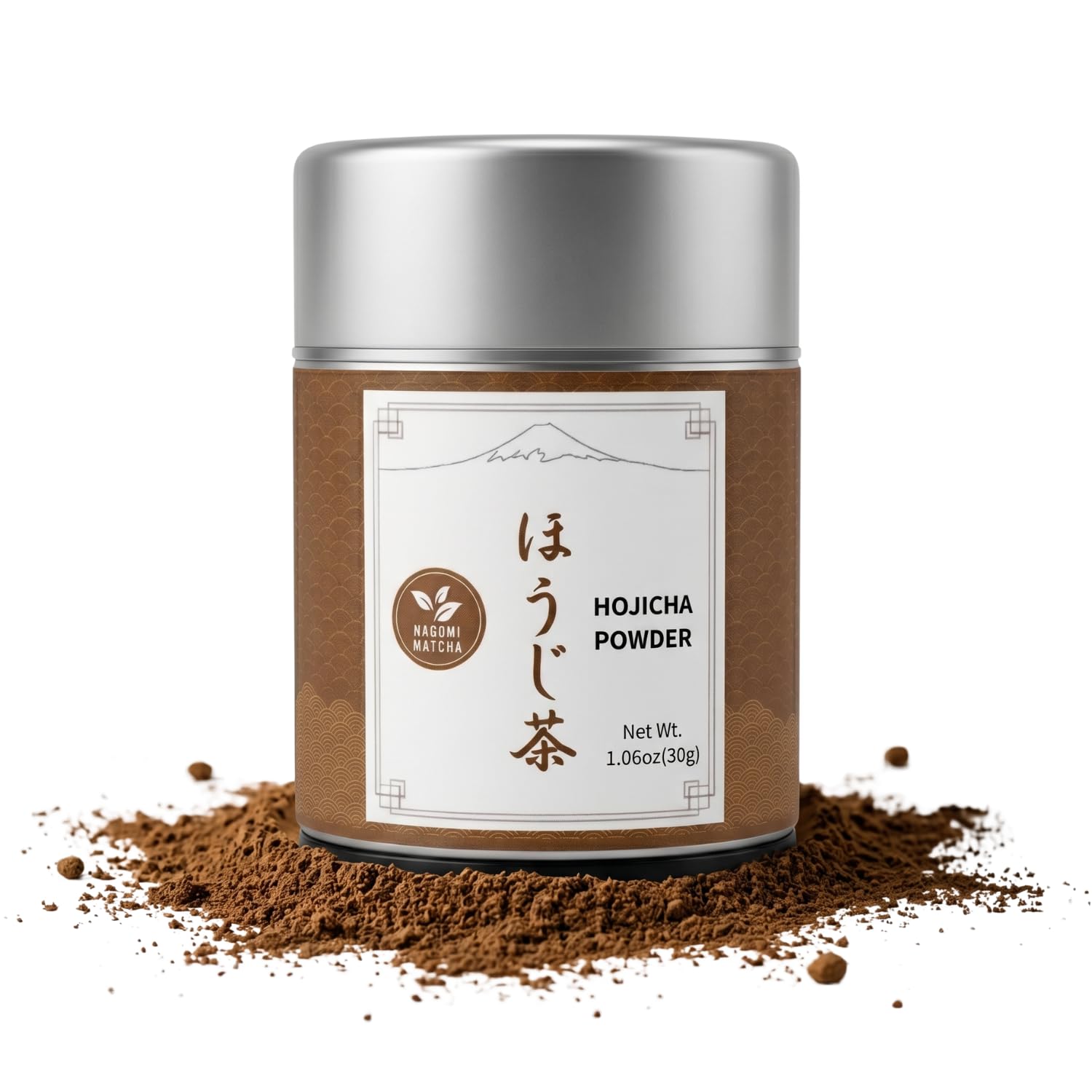
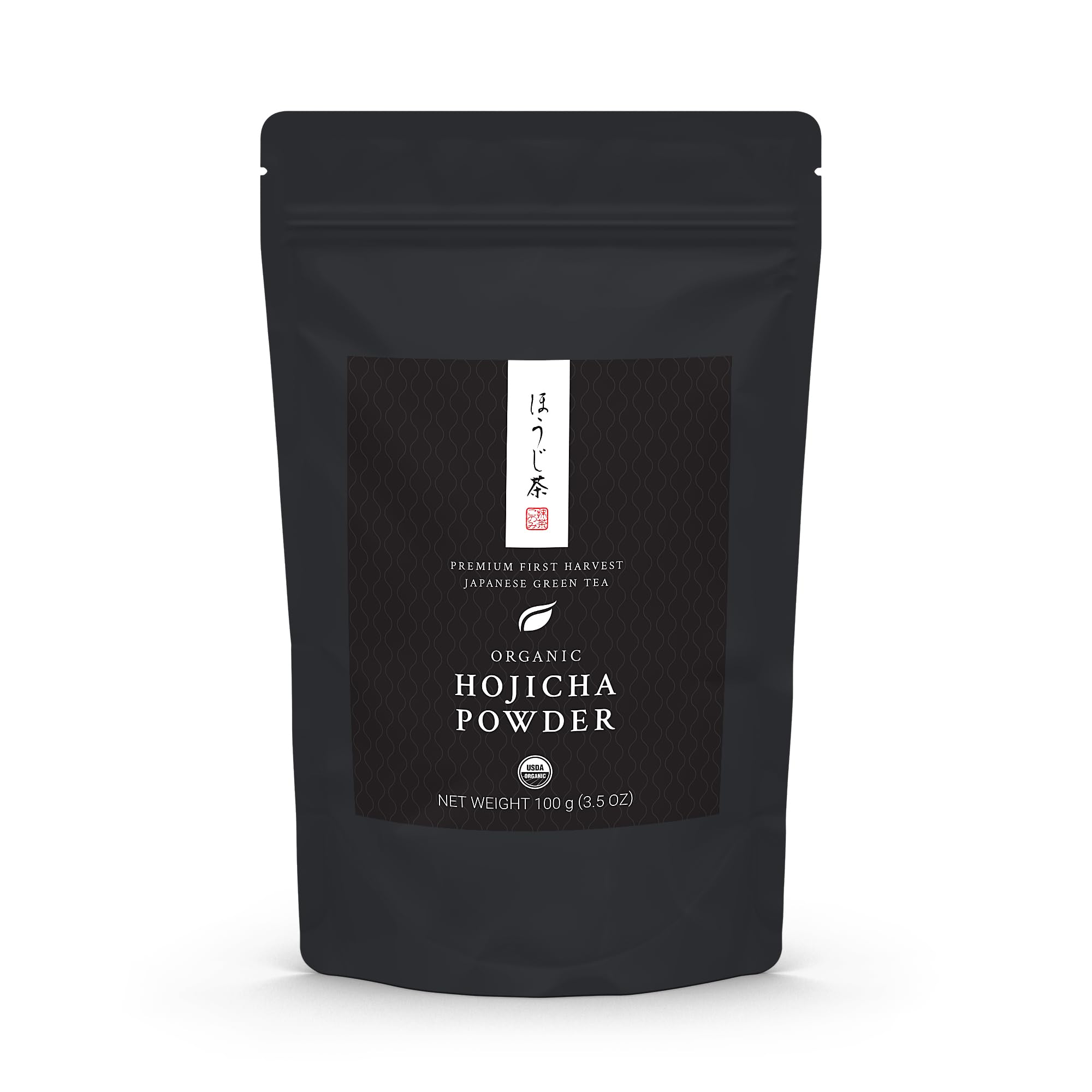

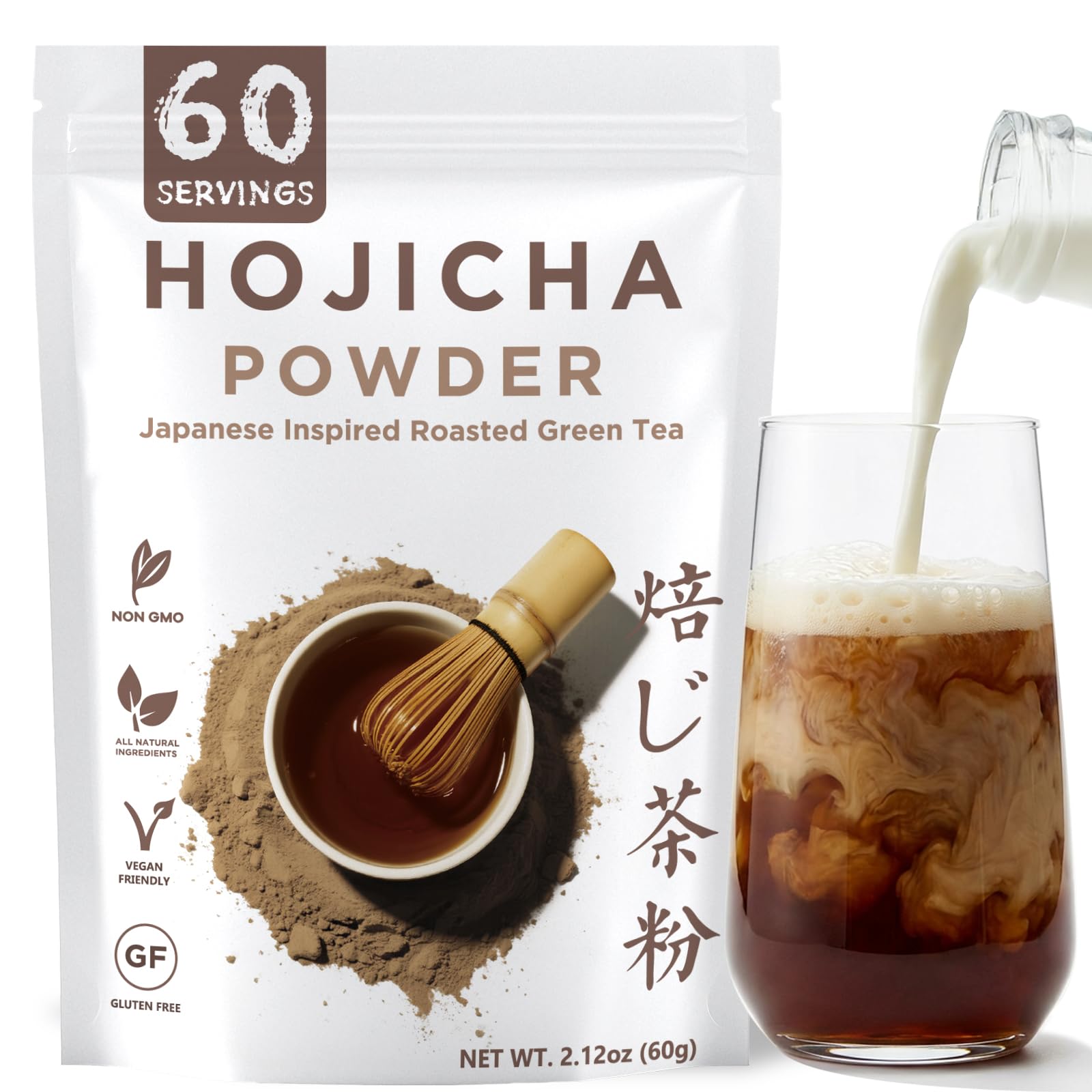
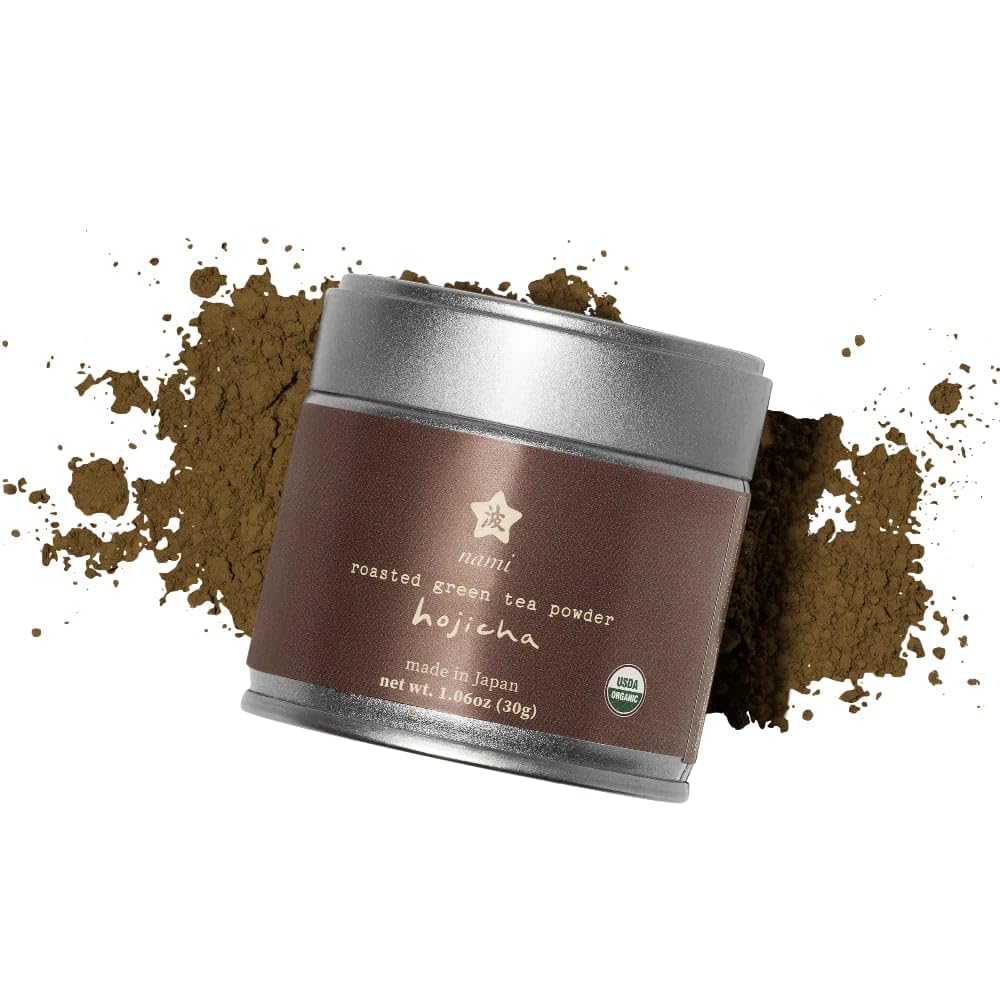








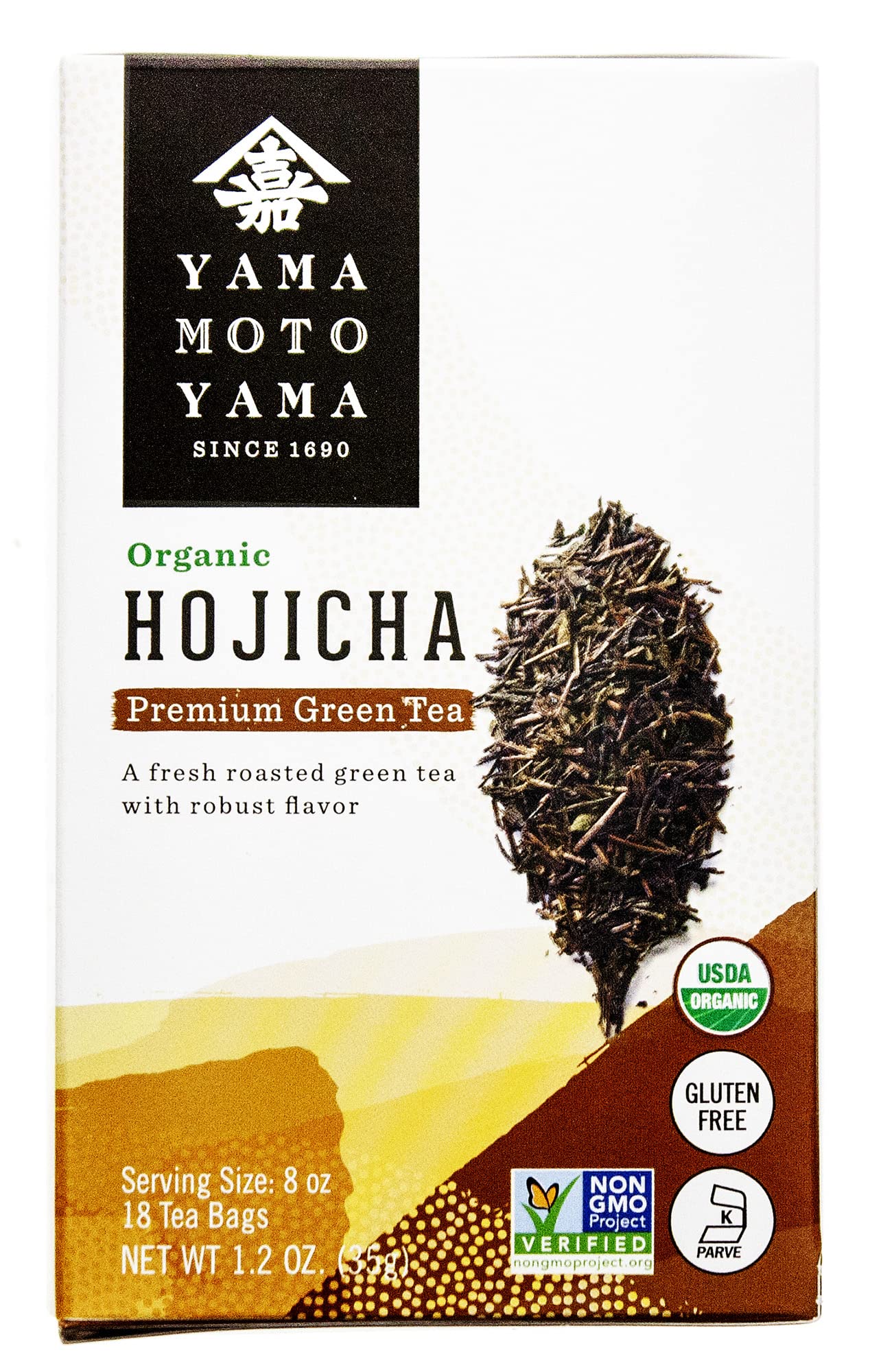
Hojicha: the tea that smells like a kitchen in winter
Hojicha is green tea that has been roasted until it turns brown. The leaves crackle over high heat, the colour shifts from jade to copper, and the cup that comes out tastes of toast, caramel and woodsmoke rather than grass. It is the one Japanese tea that coffee drinkers tend to like on the first try.
A twentieth century Kyoto habit
While sencha and matcha have centuries of documented history, hojicha is a modern arrival. It is generally dated to Kyoto in the early twentieth century, when tea merchants began roasting leaf, stems and twigs that would otherwise have been discarded or sold cheaply. Roasting rescued stale or coarse material, gave it a longer shelf life, and produced a warm drink suited to cold rooms.
The habit spread through the city and then the country, helped by the fact that hojicha was cheap and could be made in bulk. It became the tea poured in restaurants at the end of a meal, in sushi shops between courses, and at home in the evening, because the roasting removes most of the caffeine that keeps people awake.
What roasting does to tea
Heat drives off the volatile compounds responsible for the vegetal, marine notes of steamed tea, and creates new ones through browning reactions. The result is a tea with almost no astringency and a sweetness that comes from the roast rather than the leaf. Because the aroma compounds are created by heat, hojicha is unusually forgiving about water temperature. Boiling water does not ruin it the way it ruins sencha.
Compared with sencha the cup is rounder and sweeter, and unlike matcha it needs no whisk. That same heat means the tea does not keep as well. The roasted aromatics fade within a few months of opening, so a bag bought in spring is flatter by autumn. Buy in modest quantities and keep it sealed, away from light, and away from the spice shelf.
Leaf, stems and powder
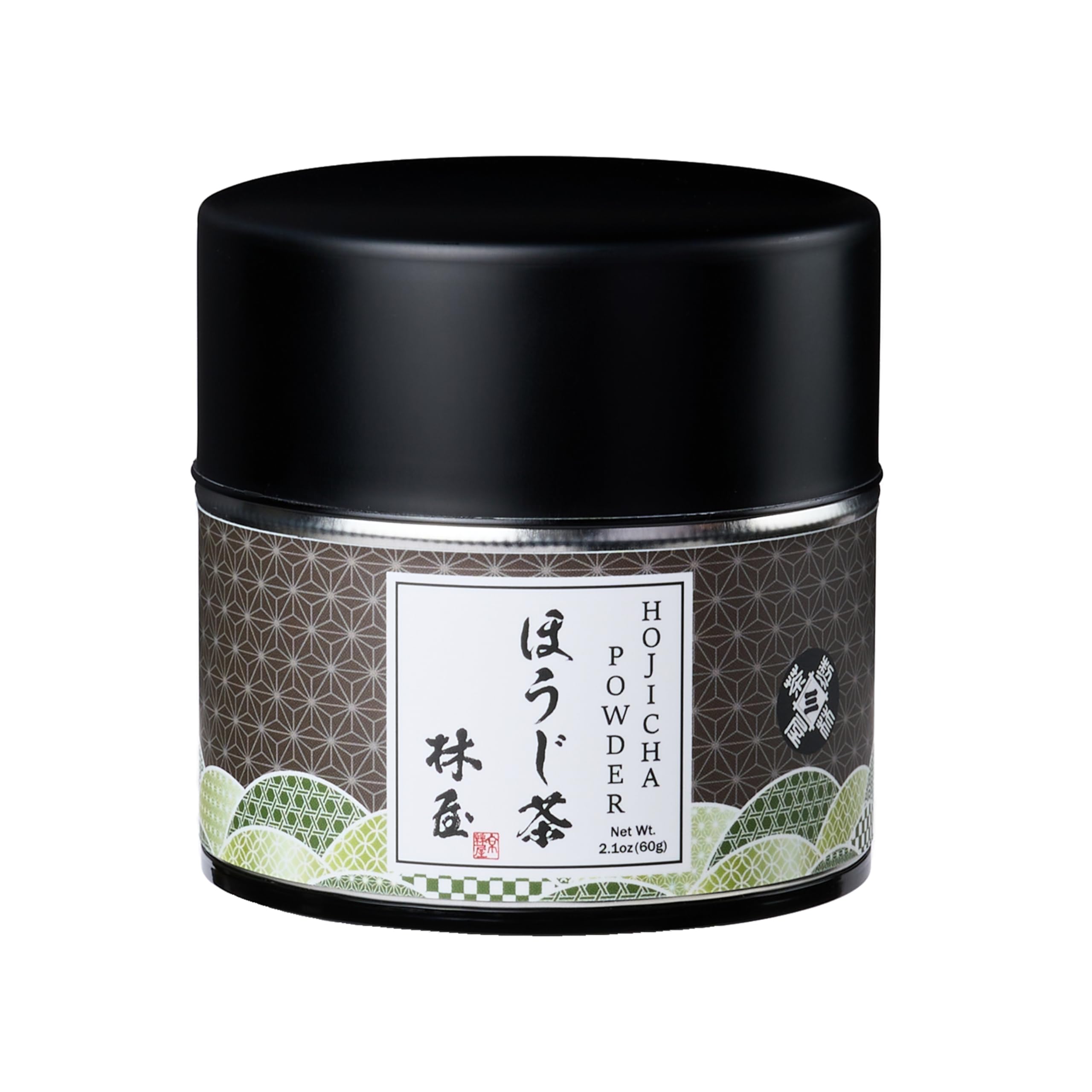
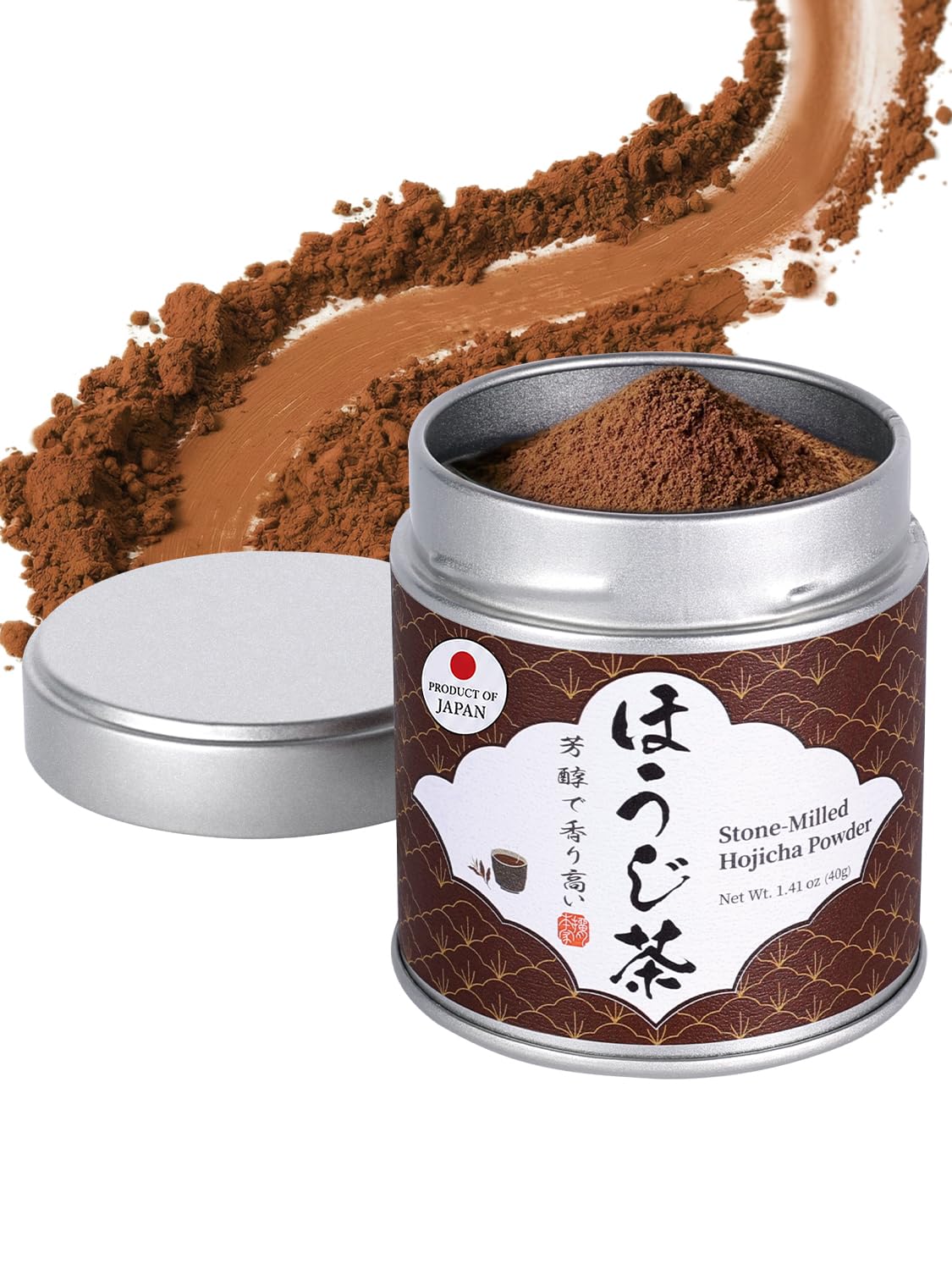
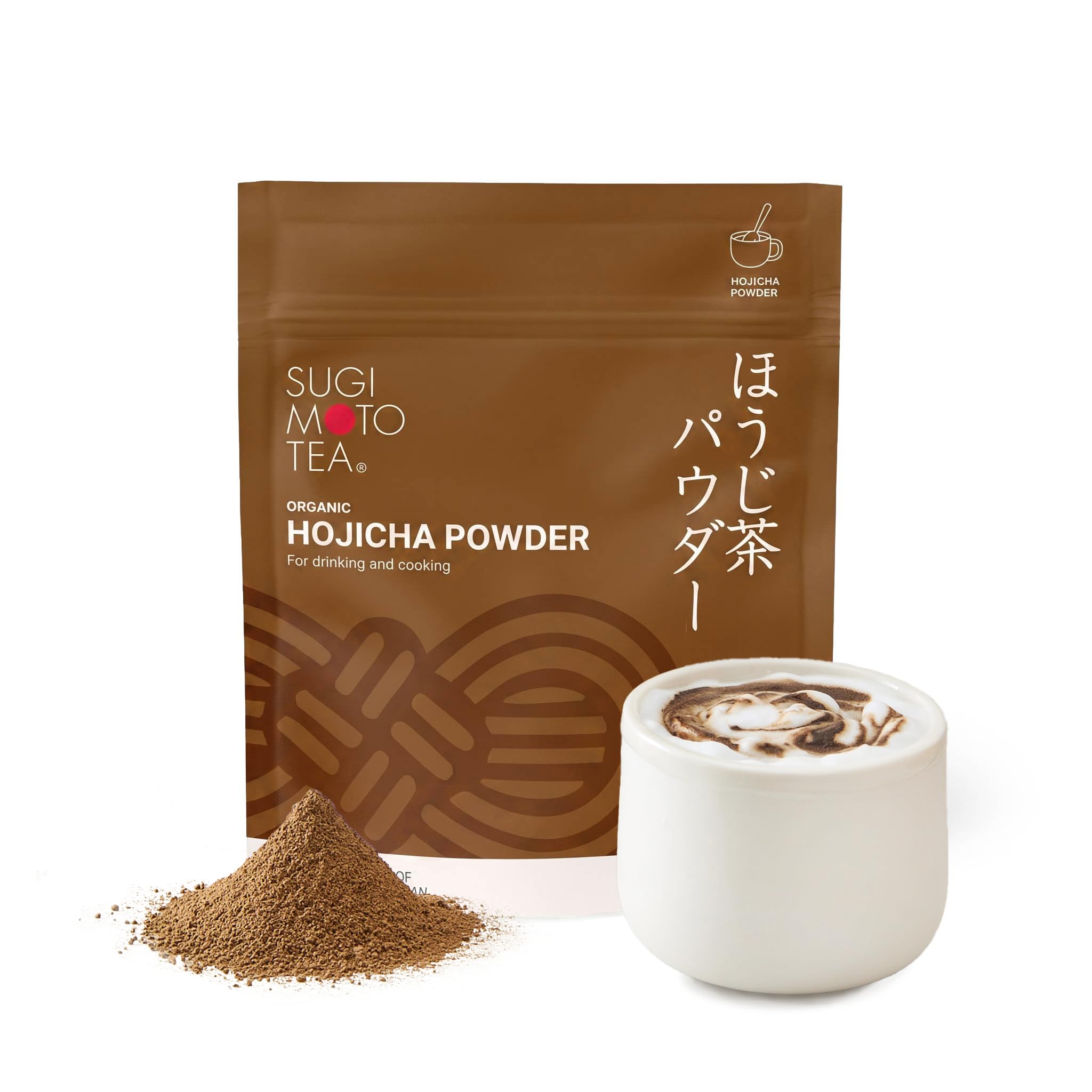
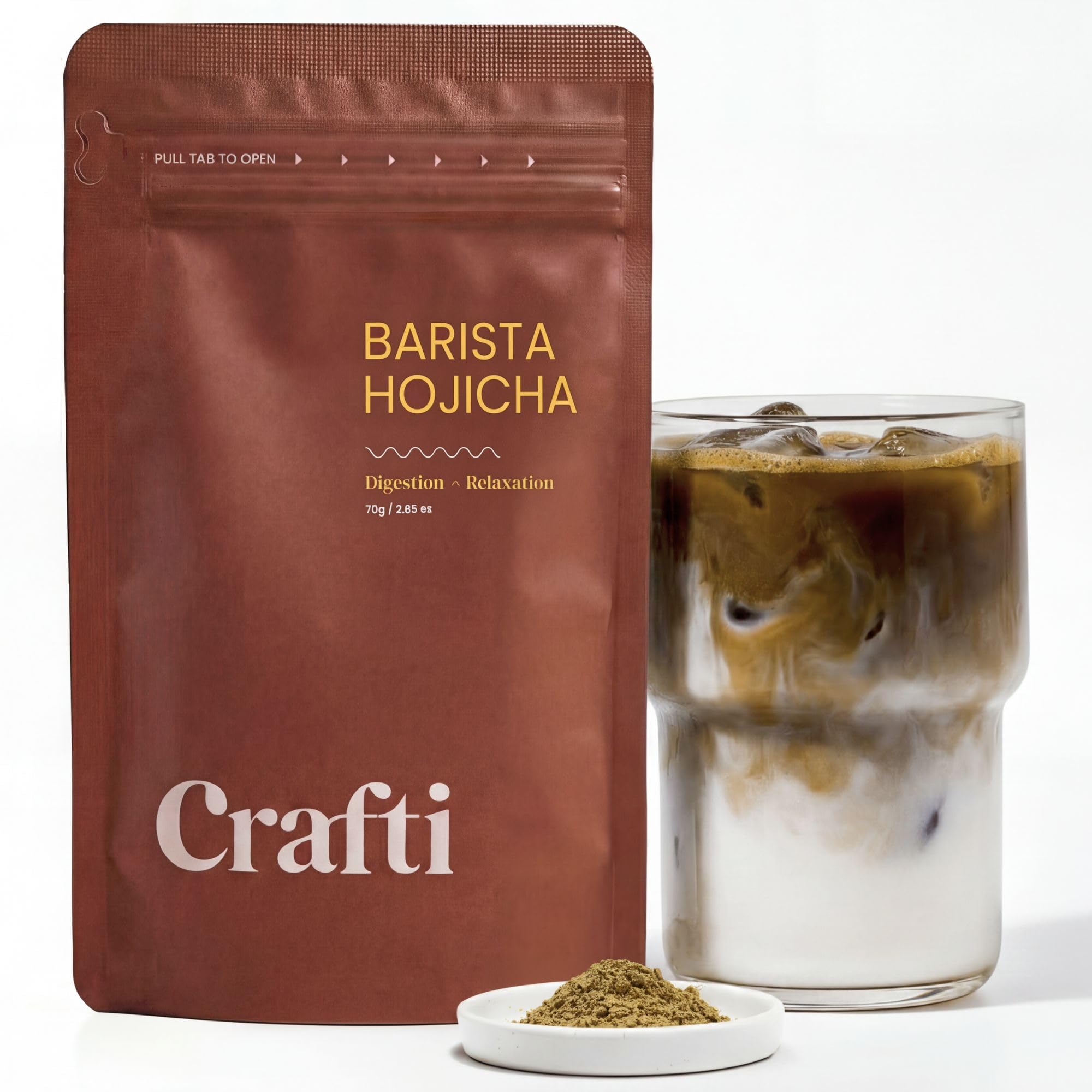
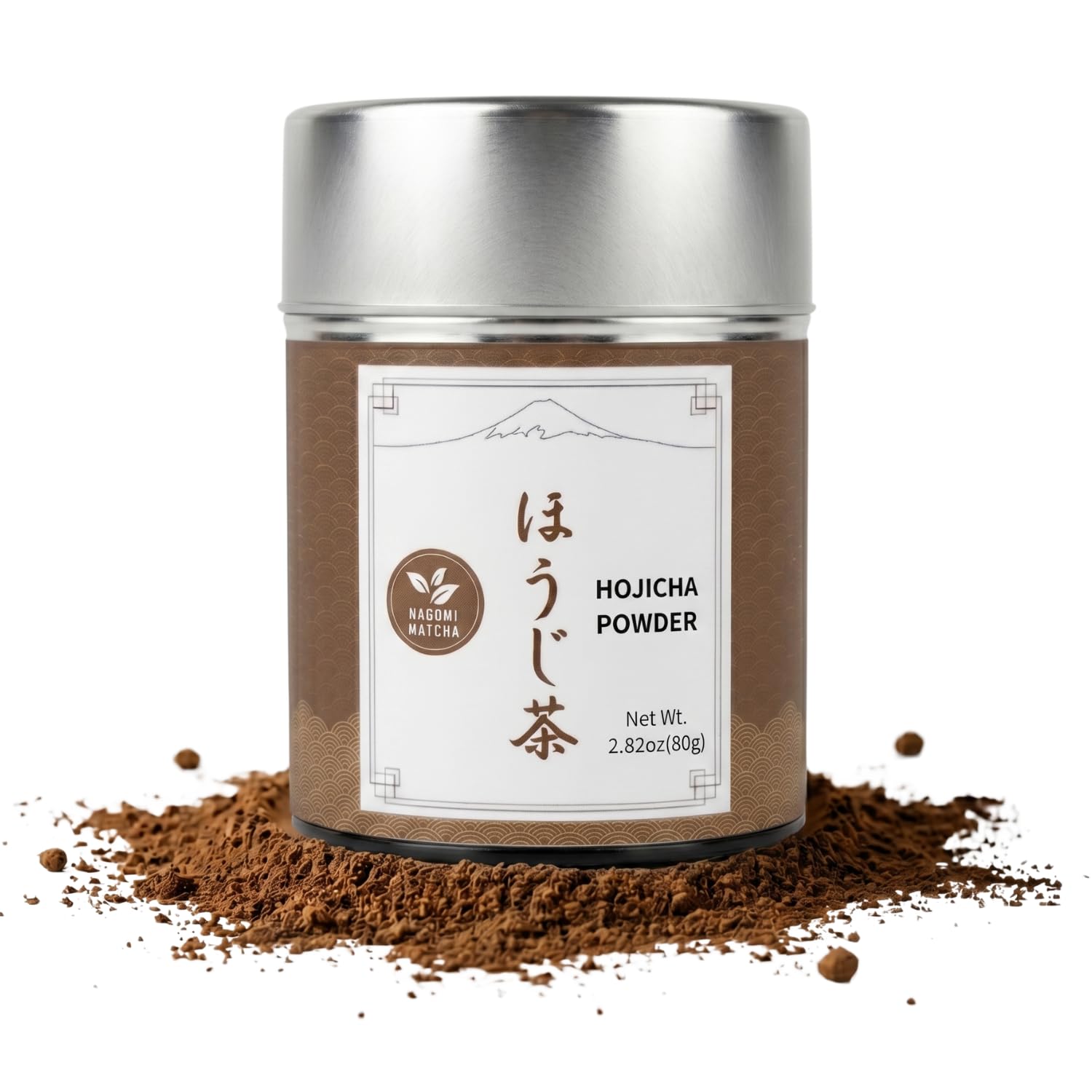
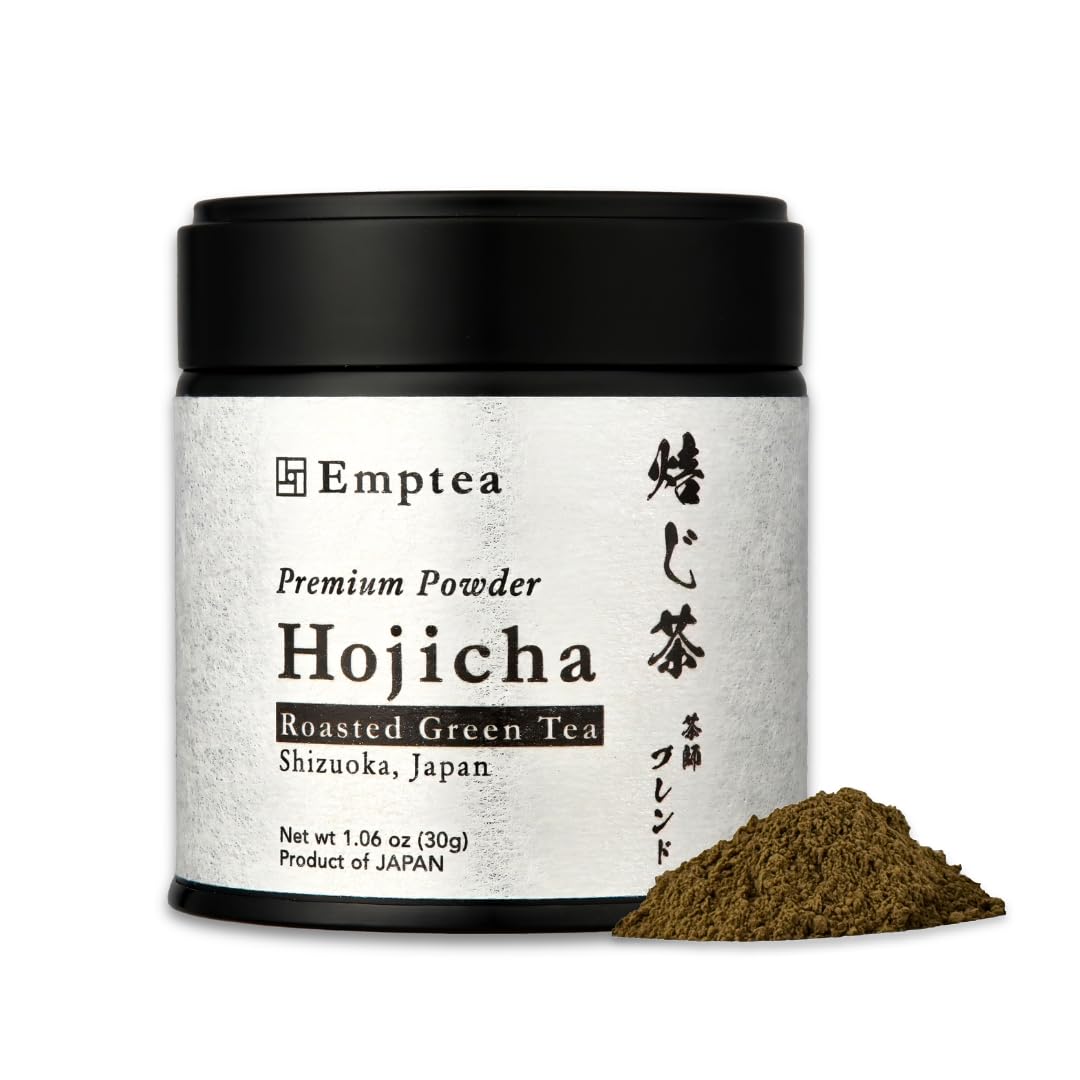
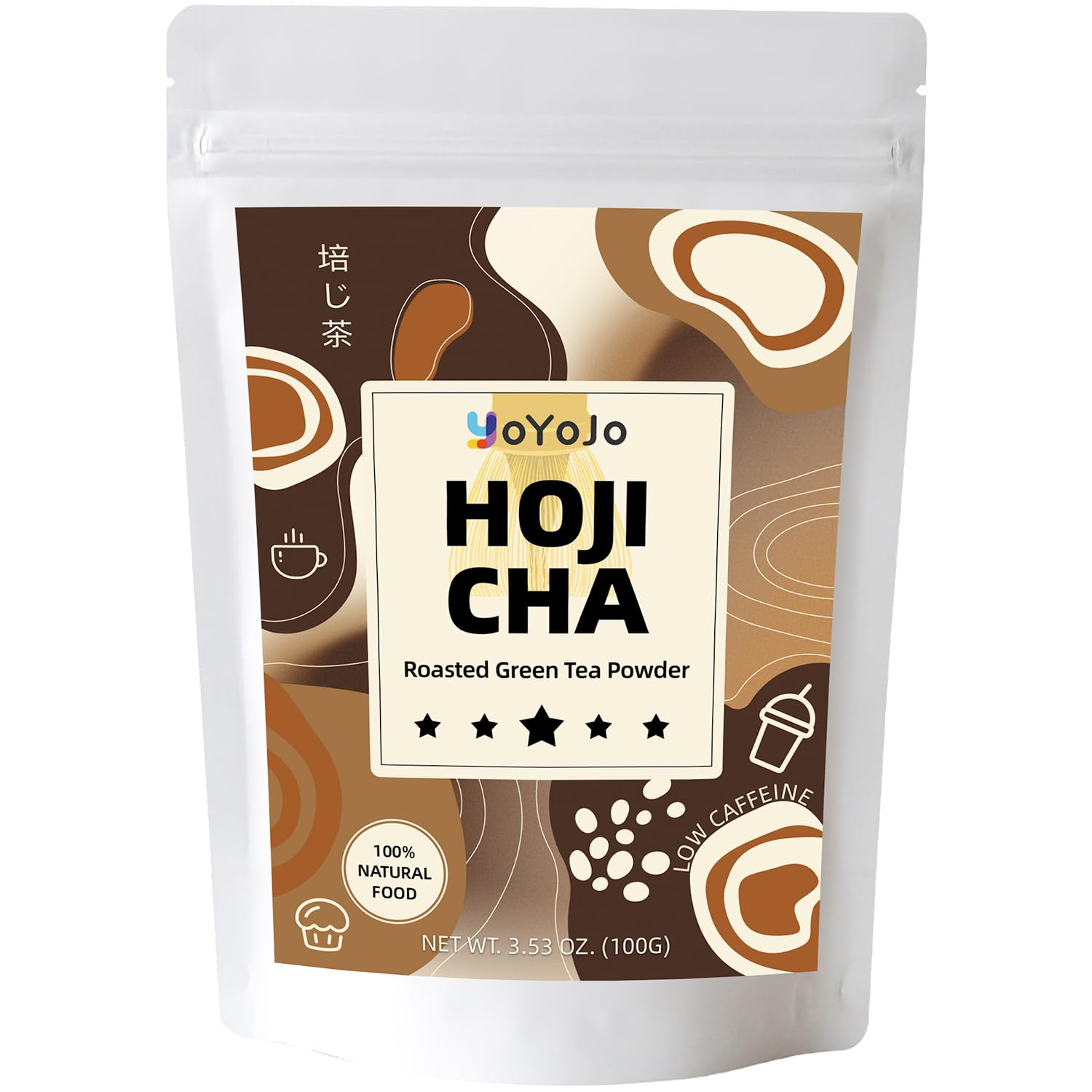
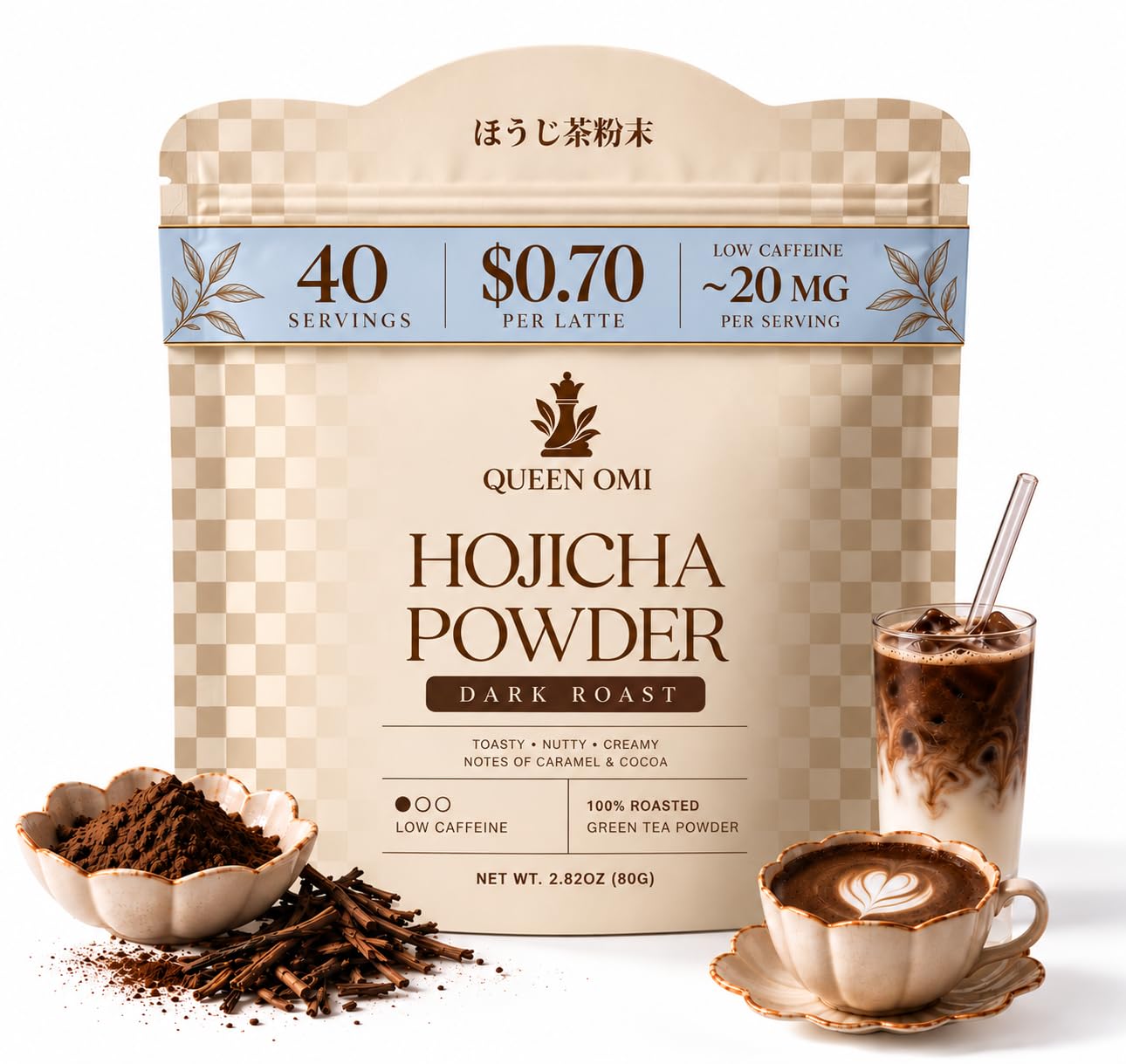
Traditional hojicha is made from bancha, the later harvest, and often includes stems and twigs, which give it a lighter body. Some versions use the stems alone, called kukicha or karigane, and these are the mildest. Powdered hojicha, sometimes sold as hojicha latte powder, is a recent product aimed at milk drinks: it dissolves rather than steeps and is sweeter and thicker in the cup.
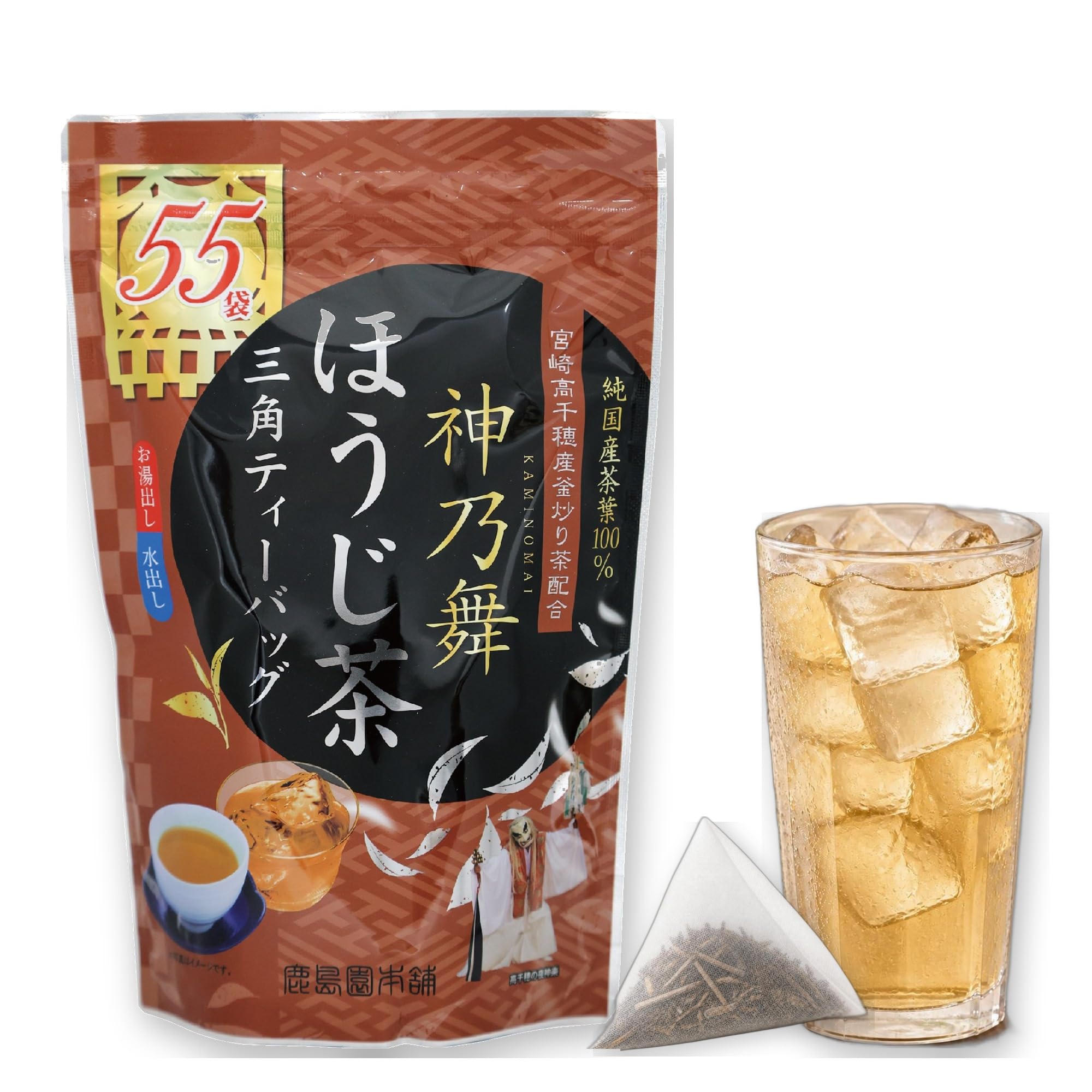
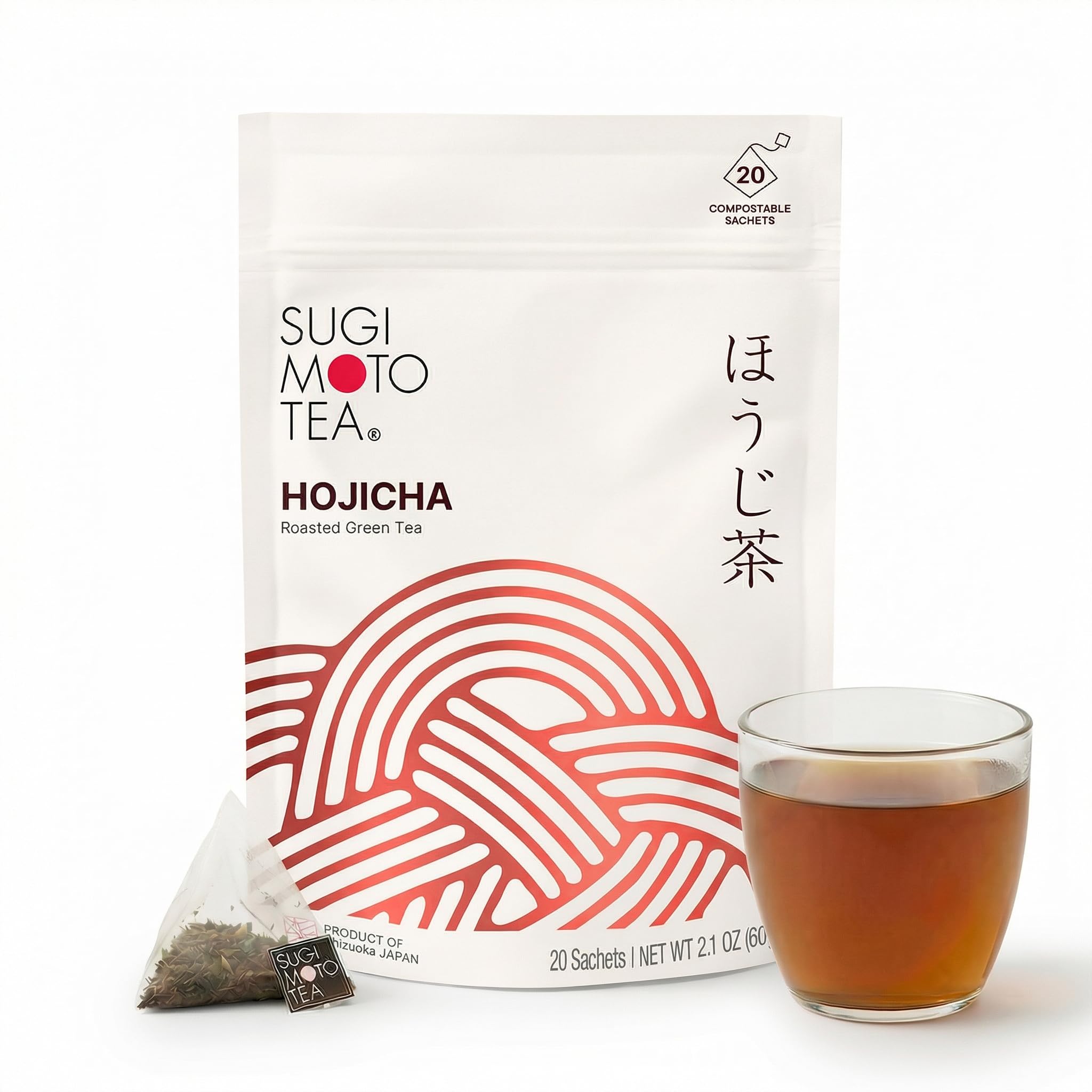
Tea bags dominate the export market because loose hojicha is bulky and the leaf fragments clog fine strainers. A bag is fine for a weeknight cup. Loose leaf rewards a kyusu with a coarse mesh, since the twigs need room to expand.
How to brew it
Use boiling or near boiling water, a generous spoonful, and steep for thirty to sixty seconds. Because there is little bitterness to extract, longer steeping mostly makes it stronger rather than harsh. Hojicha also works iced, brewed double strength and poured over ice, and it makes an excellent base for a latte with hot milk and a little sugar.
One traditional use is worth knowing: because it is low in caffeine and gentle on the stomach, hojicha is often given to children and to people recovering from illness. It is also the standard tea in many restaurants, served free and refilled without comment.
Buying it well
Smell the bag before anything else. Fresh hojicha has an immediate toasted aroma that fills the room when opened. Pale, dusty leaf with a faint cardboard smell has been sitting too long. Look for a roast date where possible, and prefer whole leaf or coarse leaf over fine dust, which brews muddy.
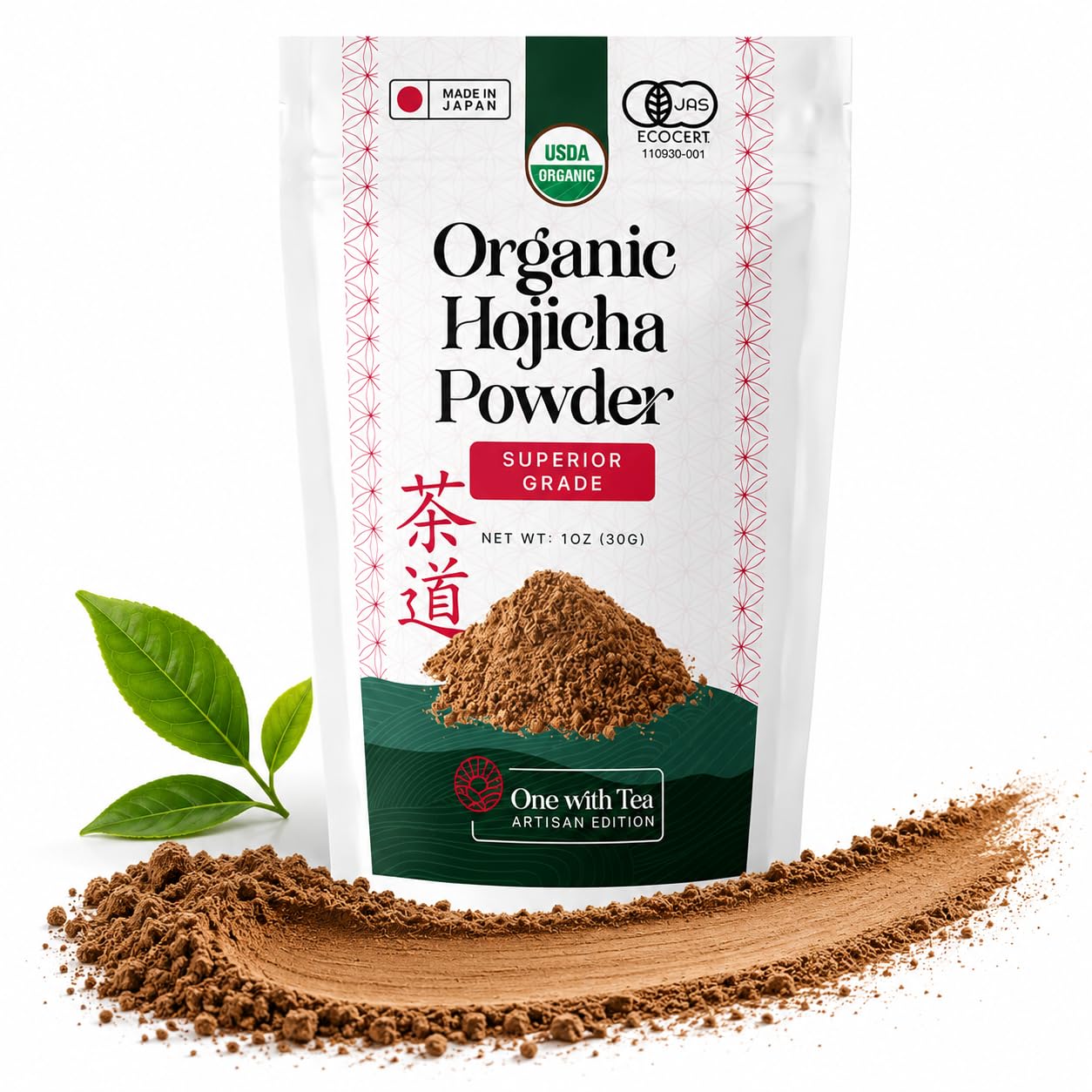
Kyoto remains the centre of production and the name most often printed on tins, though Shizuoka and Kagoshima also produce it. Organic certification is common in the export market and worth having if you drink a lot of it, since tea is not washed before processing.
The hojicha above runs from everyday bags to loose leaf and powder for lattes. If you already own a teapot, buy loose leaf. If you want a cup at midnight without lying awake, this is the category for you.