Collection
Knives
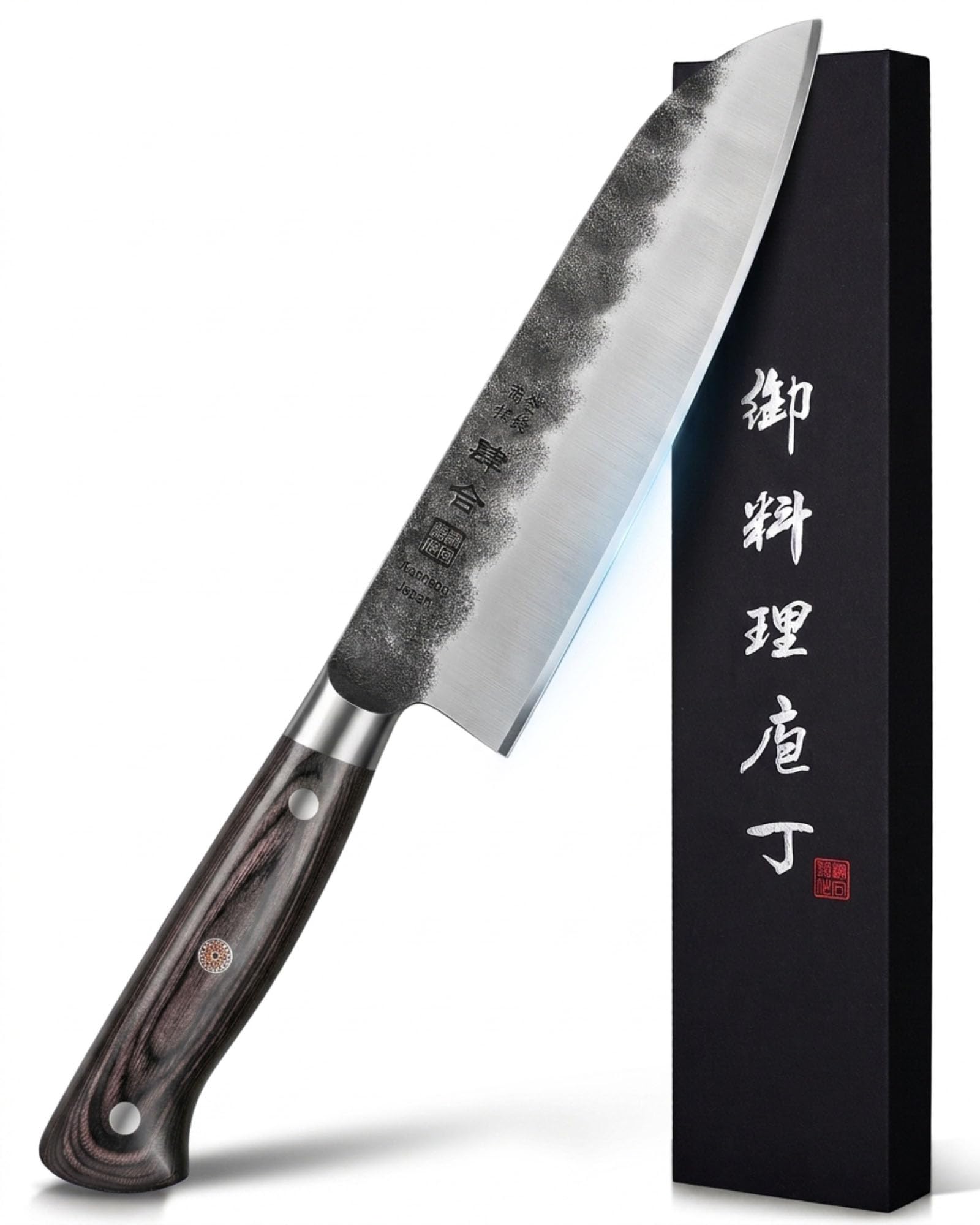
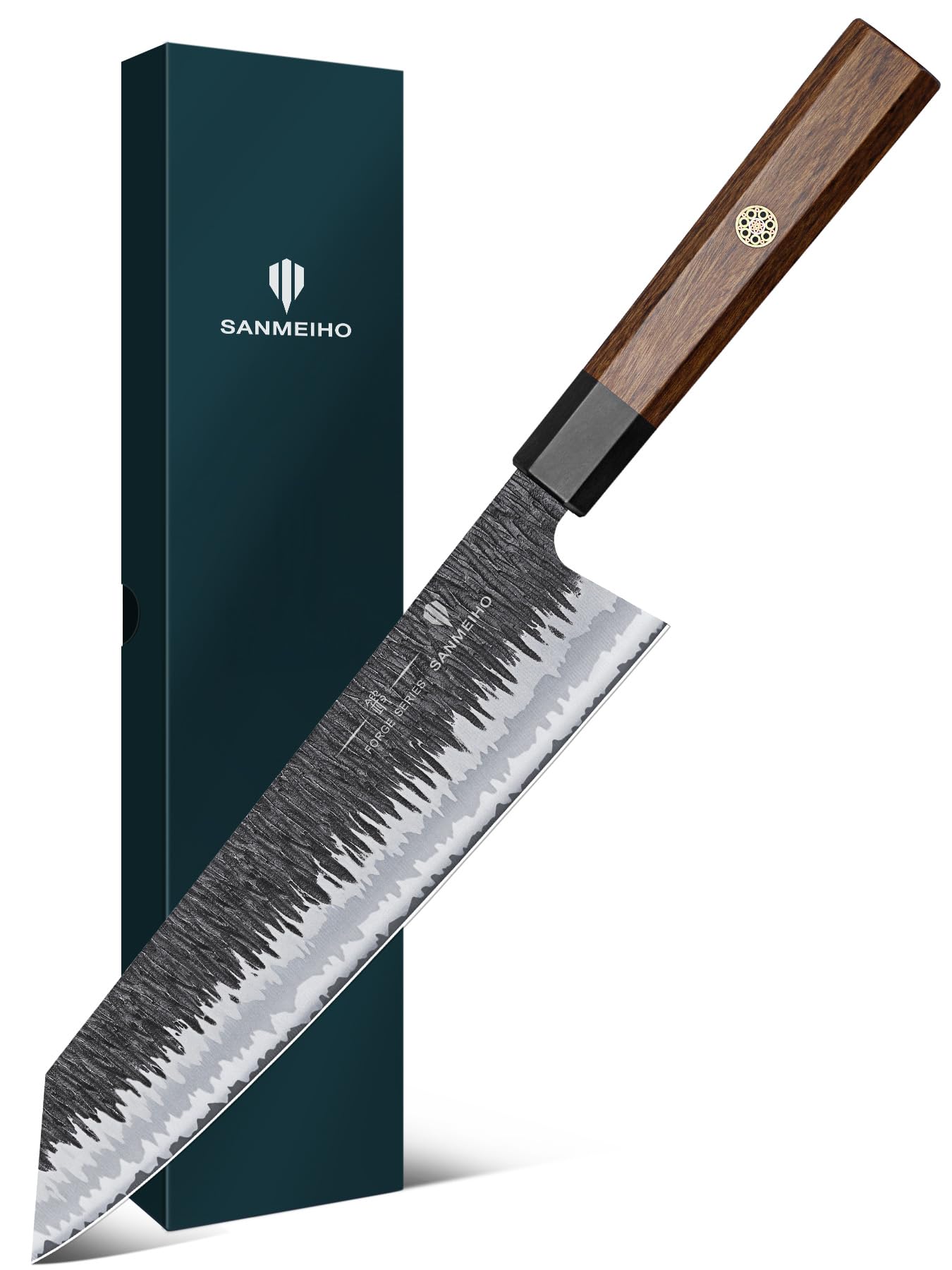
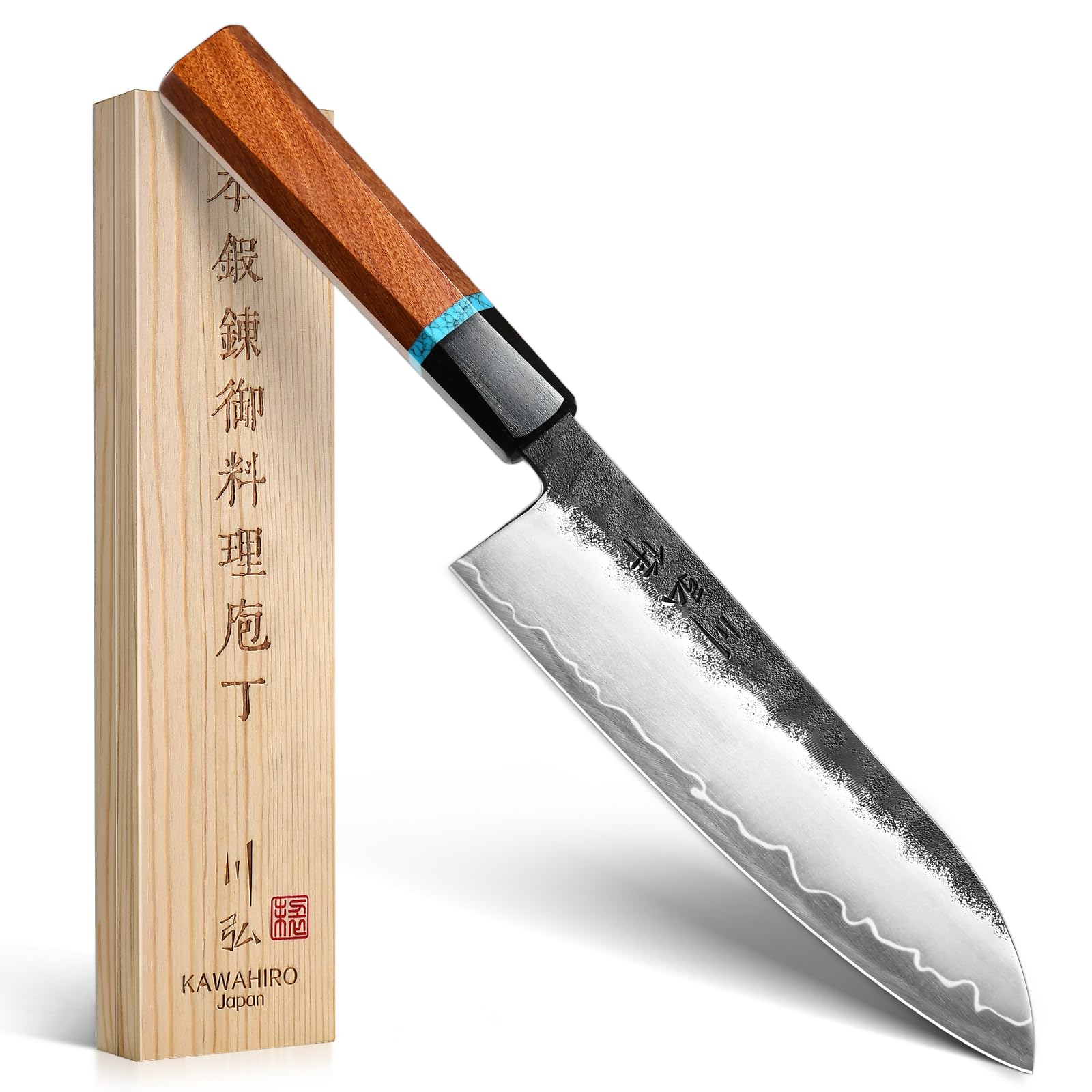
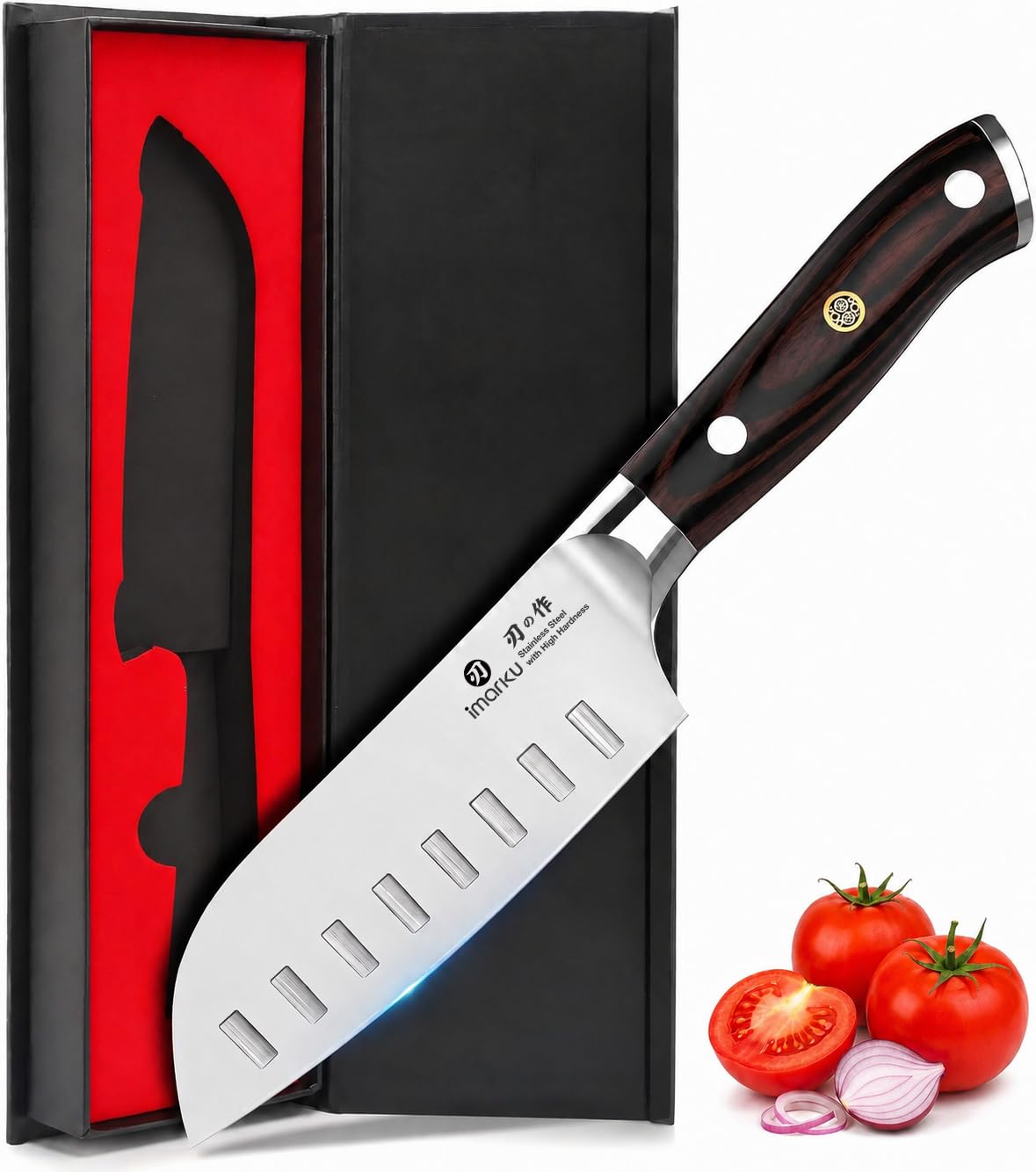
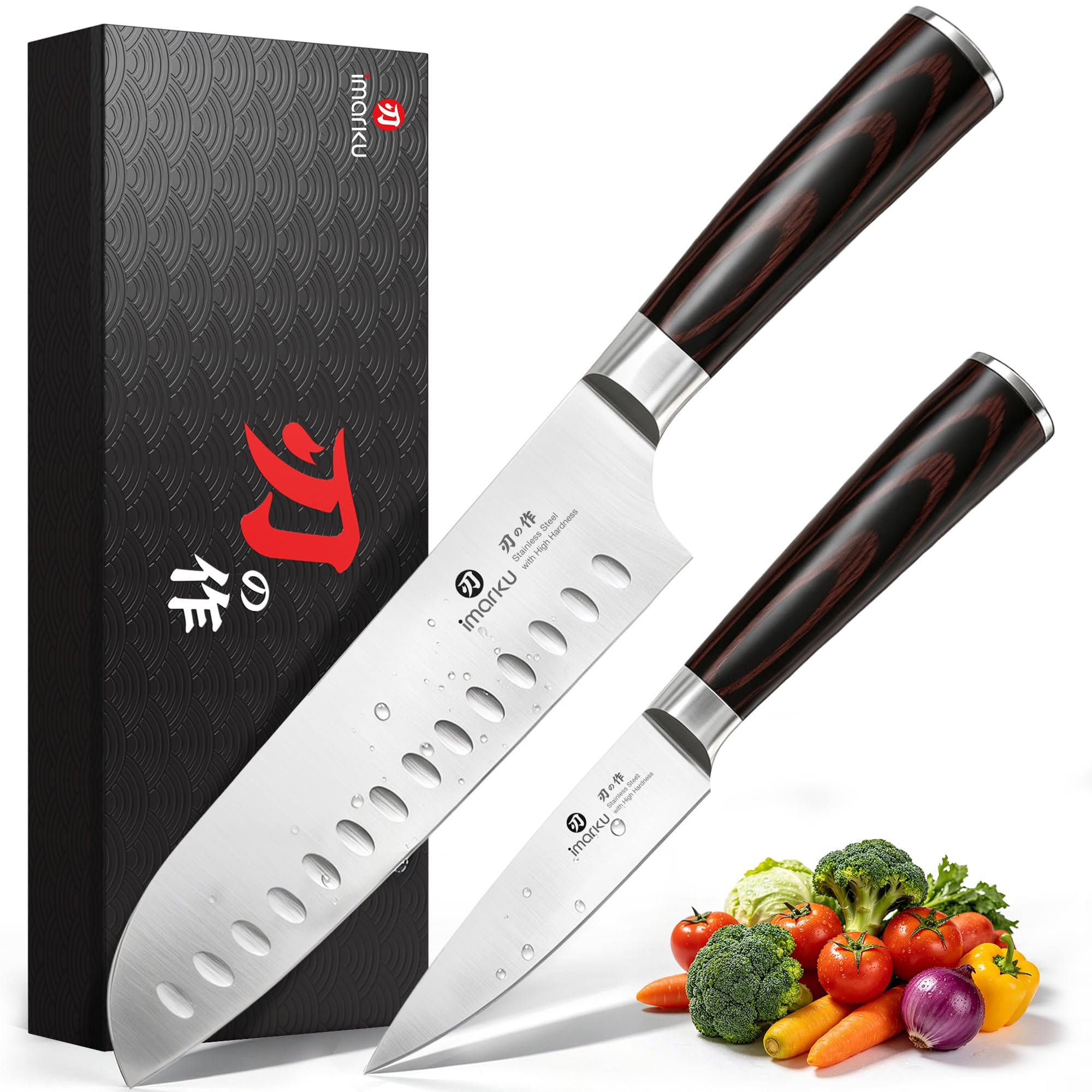
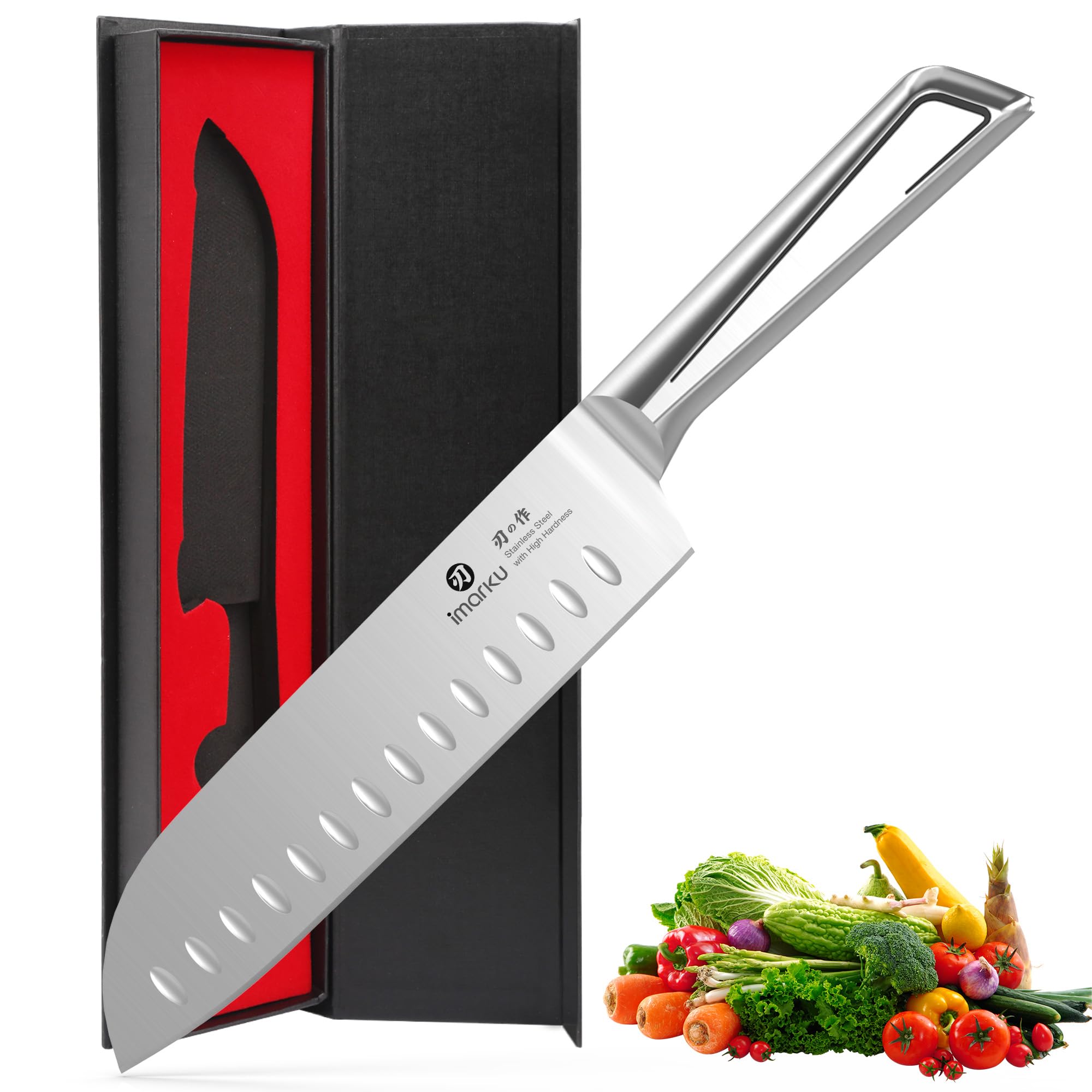
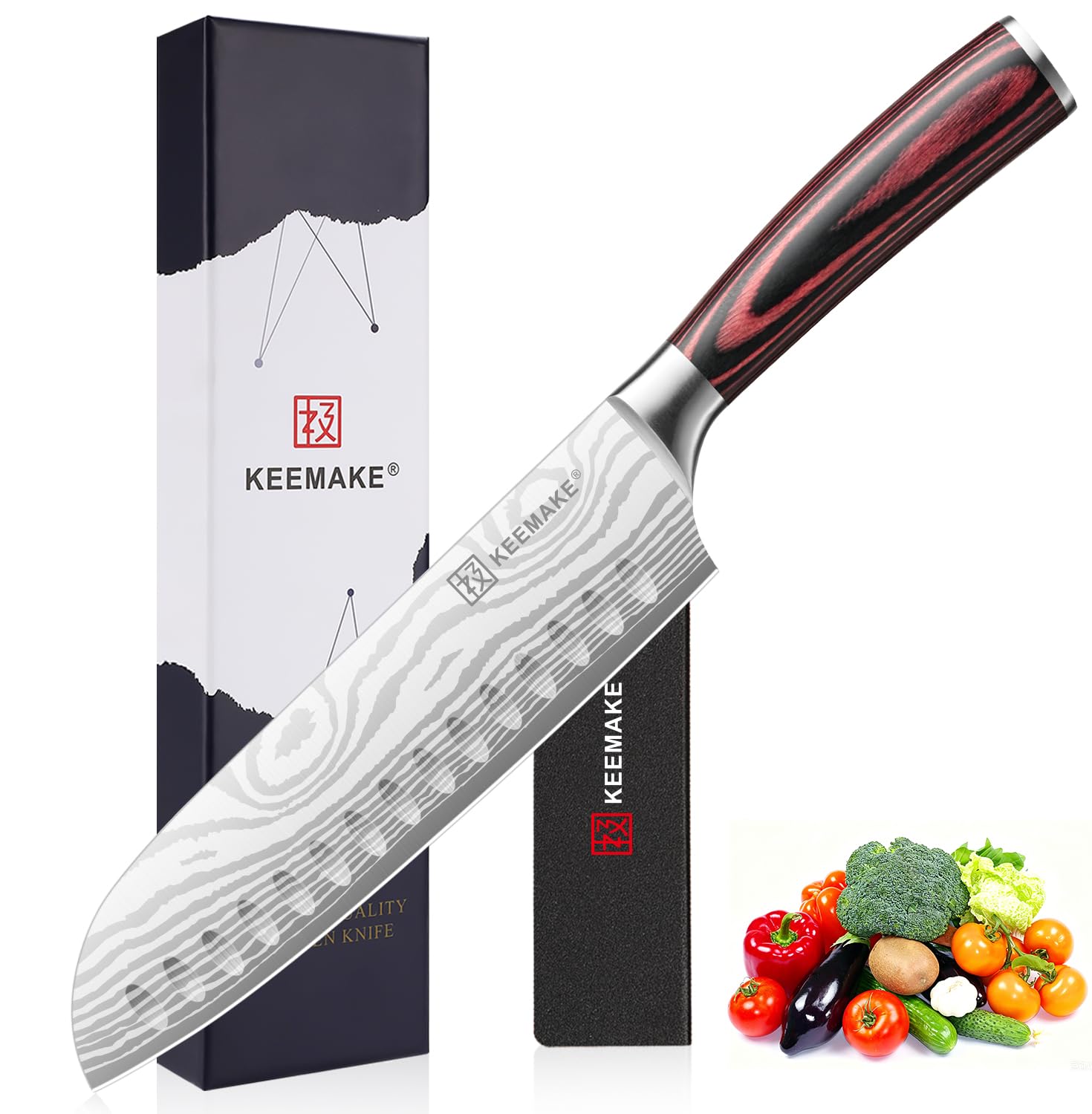
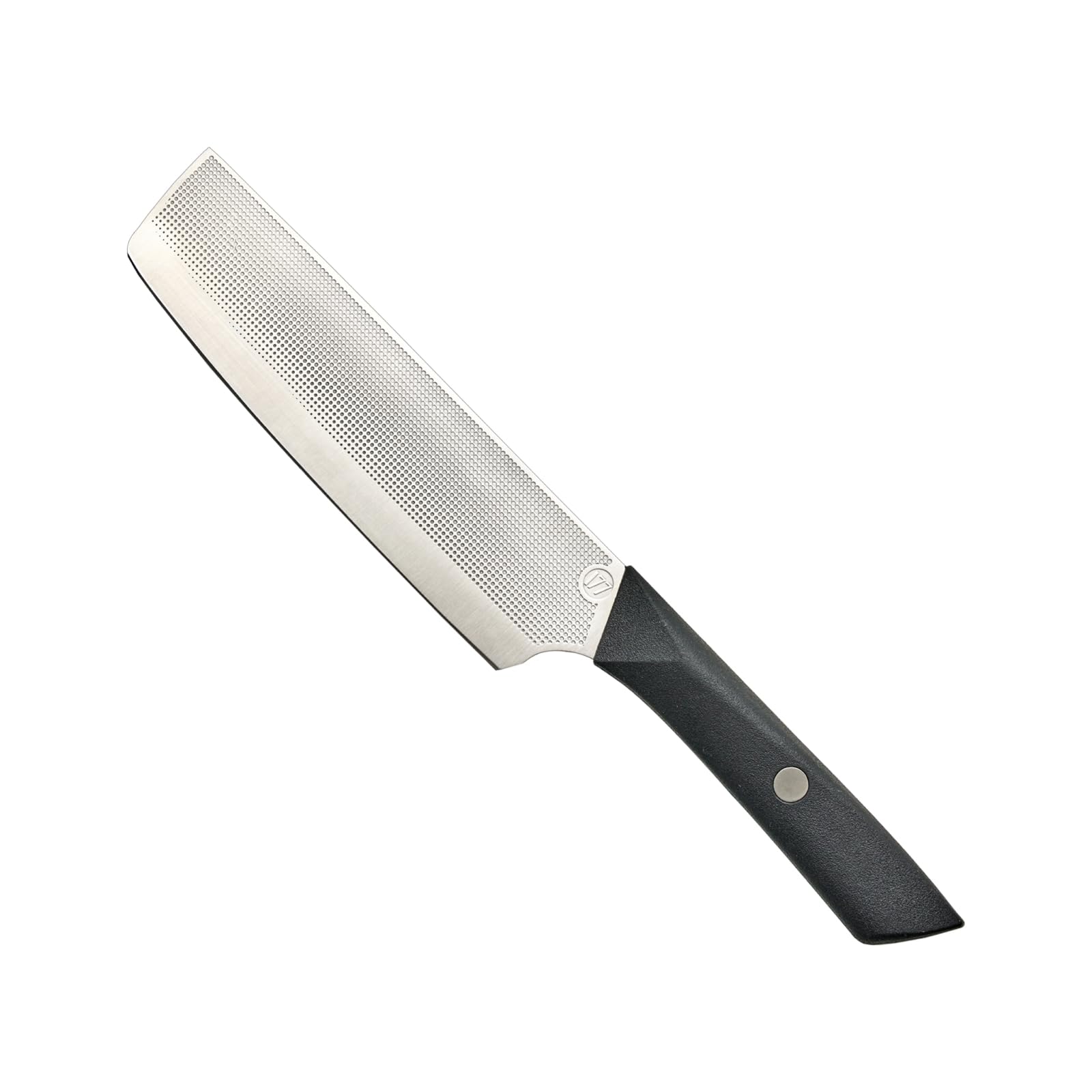
A Japanese blade is thinner behind the edge and harder in the steel than most Western knives. That means cleaner cuts through vegetables and longer edge life, but also a knife that chips if you twist it or cut through bone. Santoku is the all rounder, gyuto is the chef's knife shape, nakiri is for vegetables alone.






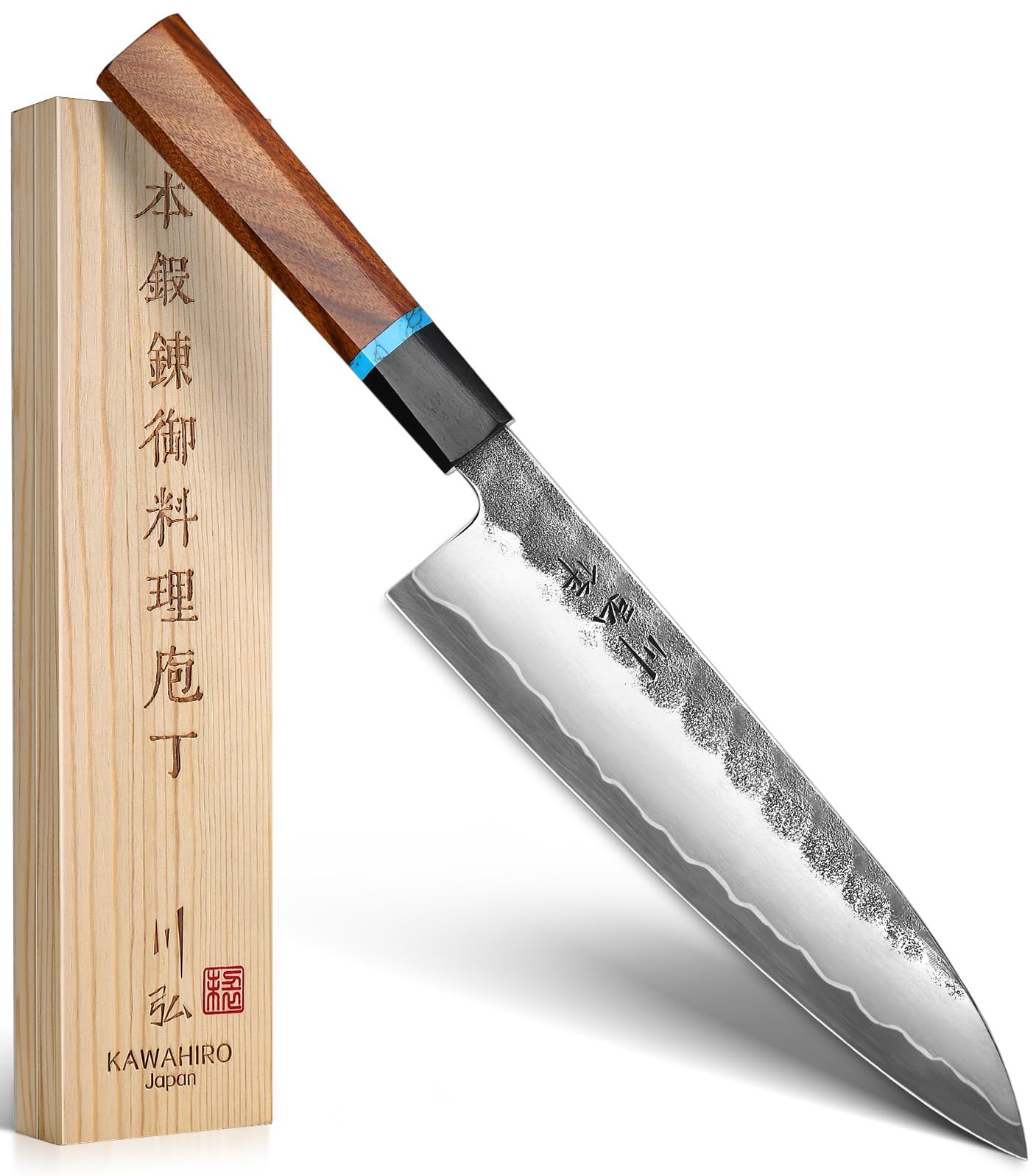

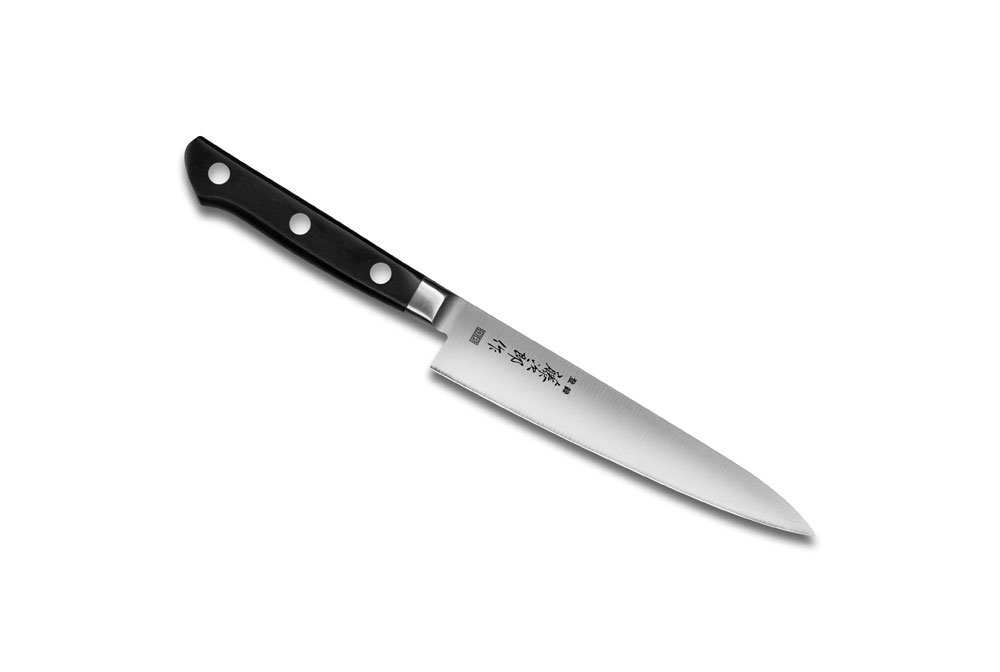
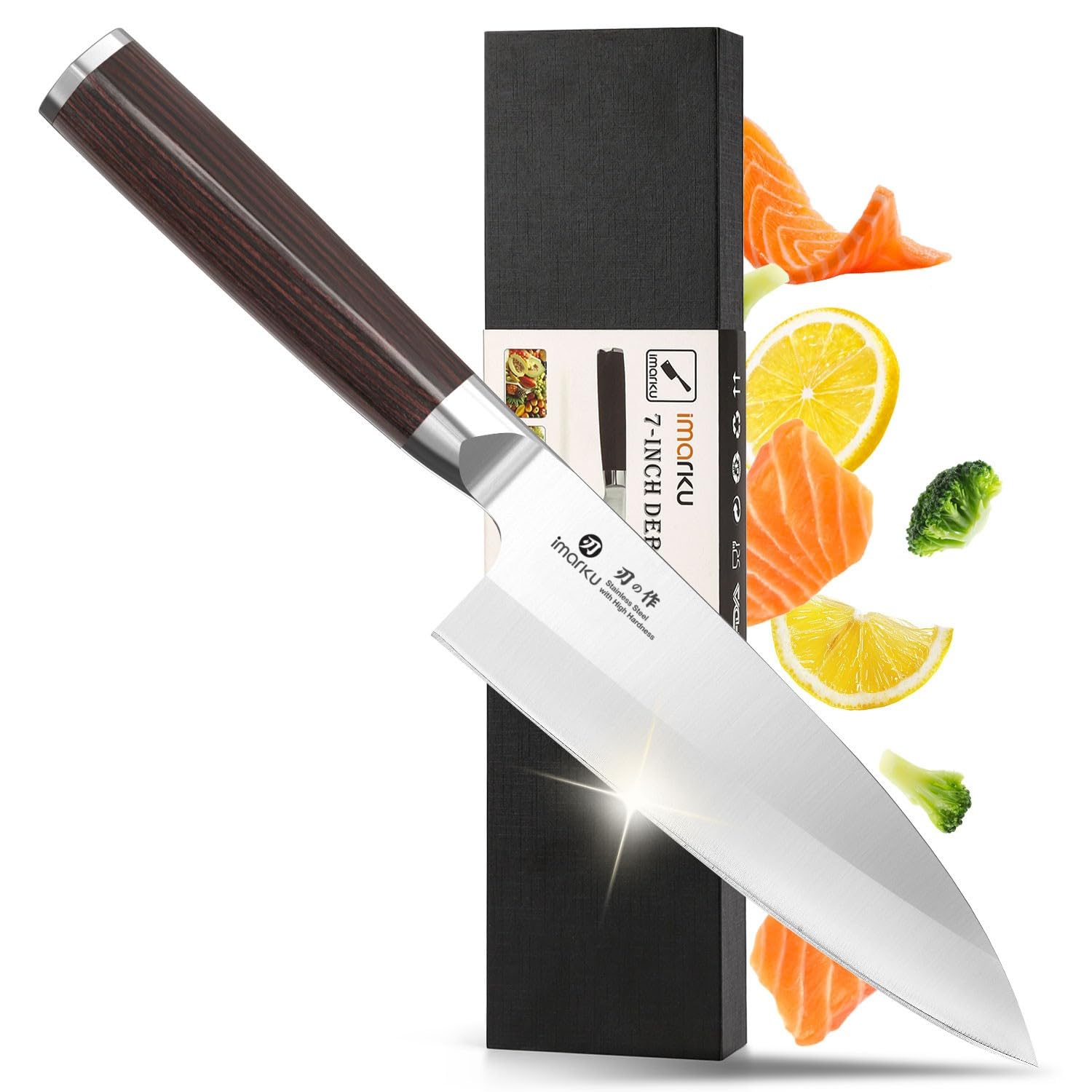

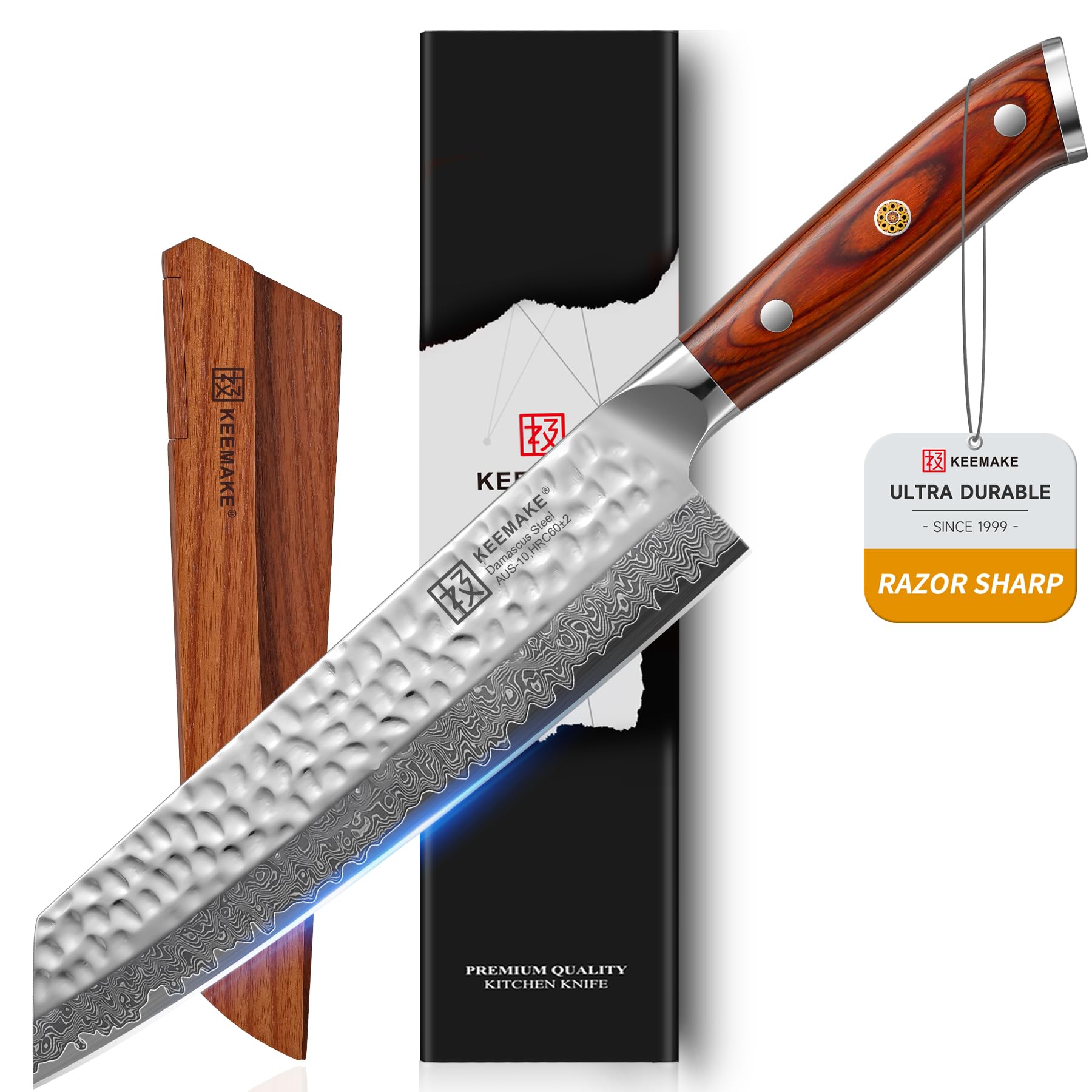








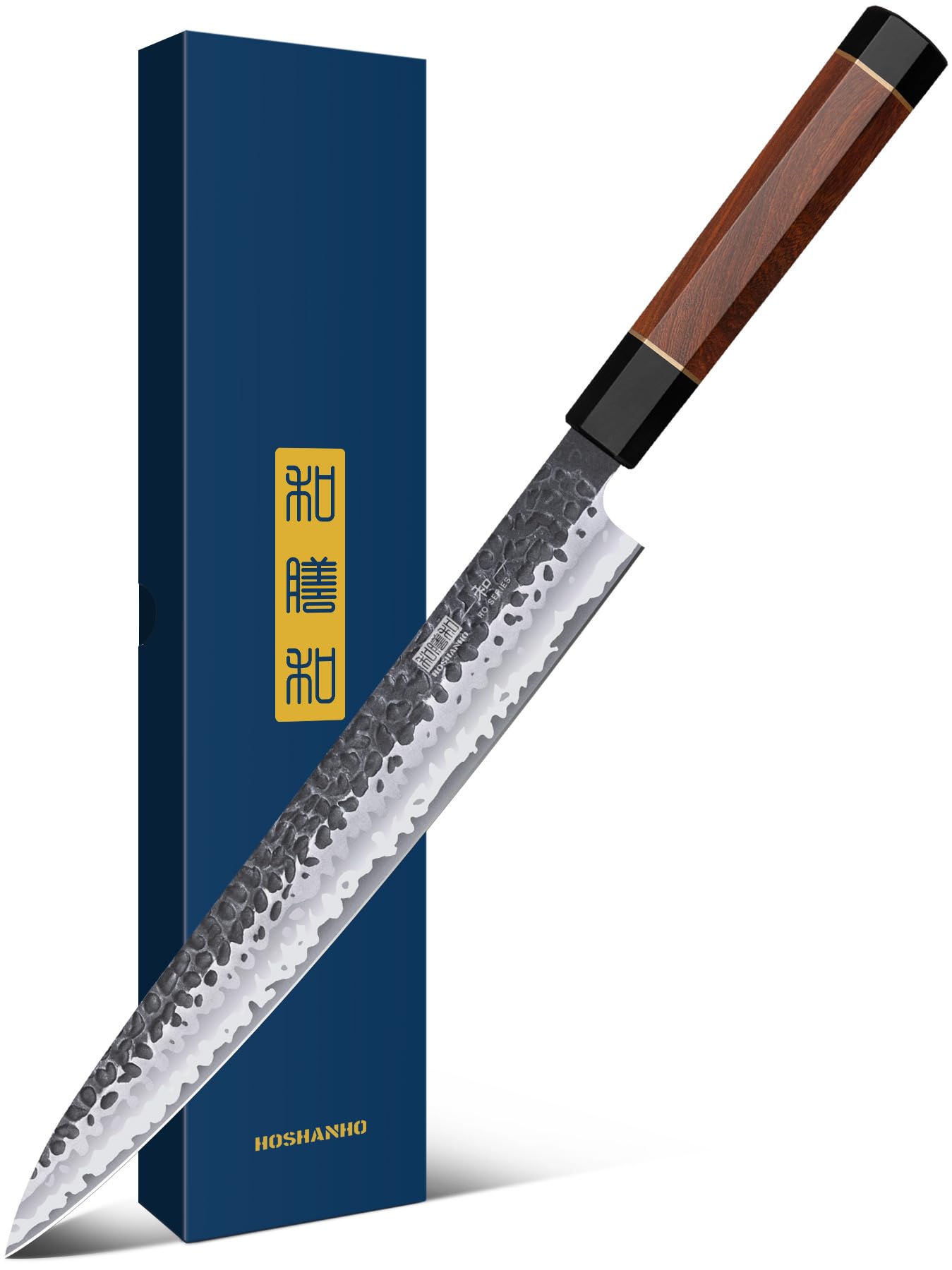


Japanese knives: three hundred years of forging, grinding and habit
A Japanese kitchen knife looks simple until you pick one up. It is lighter than expected, thinner behind the edge, and it cuts a tomato without pressing. That difference is not decoration. It comes from a metalworking tradition that spent centuries making swords, then turned the same furnaces, the same hammer work and the same obsessive sharpening toward the kitchen.
When the swordsmiths changed trade
The turning point is usually dated to 1876, when the Meiji government issued the haitorei, the edict that ended the wearing of swords. Overnight, a whole profession lost its main product. Smiths in blade-making towns did what craftsmen do when the market moves: they applied the same lamination, hardening and grinding techniques to tools, and the kitchen knife was the most obvious beneficiary. Swordsmanship had already trained these workshops in differential hardening, in reading colour in hot steel, and in finishing an edge that could shave.
Two towns tell the story best. Sakai, south of Osaka, has been a cutlery quarter since the sixteenth century, and its workshops originally made tobacco cutting knives before moving into kitchen blades. What made Sakai distinctive was not only the forging but the division of labour: one specialist forges the blade, another grinds and sharpens it, a third fits the handle. That separation survives today, and it is the reason Sakai blades often carry a smith name on one side and a sharpener's mark on the other. Seki, in Gifu prefecture, has been a sword-making centre since the Kamakura period in the thirteenth century, and it converted to cutlery in the modern era to become one of the largest concentrations of knife production in Japan. A third cluster, Takefu in Echizen, counts roughly seven hundred years of forging history and is known for hammered blades with visible lamination.
Steel that starts as sand
Traditional Japanese steel begins with iron sand, smelted in a tatara furnace to produce tamahagane, a bloom with high carbon content and plenty of variation. Modern kitchen knives do not use tamahagane, but the logic that grew around it still shapes the trade. A hard, brittle high-carbon steel is too fragile to make a whole blade, so it is used as the cutting core, called hagane, and clad in softer iron, called jigane. The soft jacket absorbs shock and the hard core holds an edge. That three-layer construction is called sanmai, and it is one of the reasons a thin Japanese blade can be both sharp and reasonably tough.
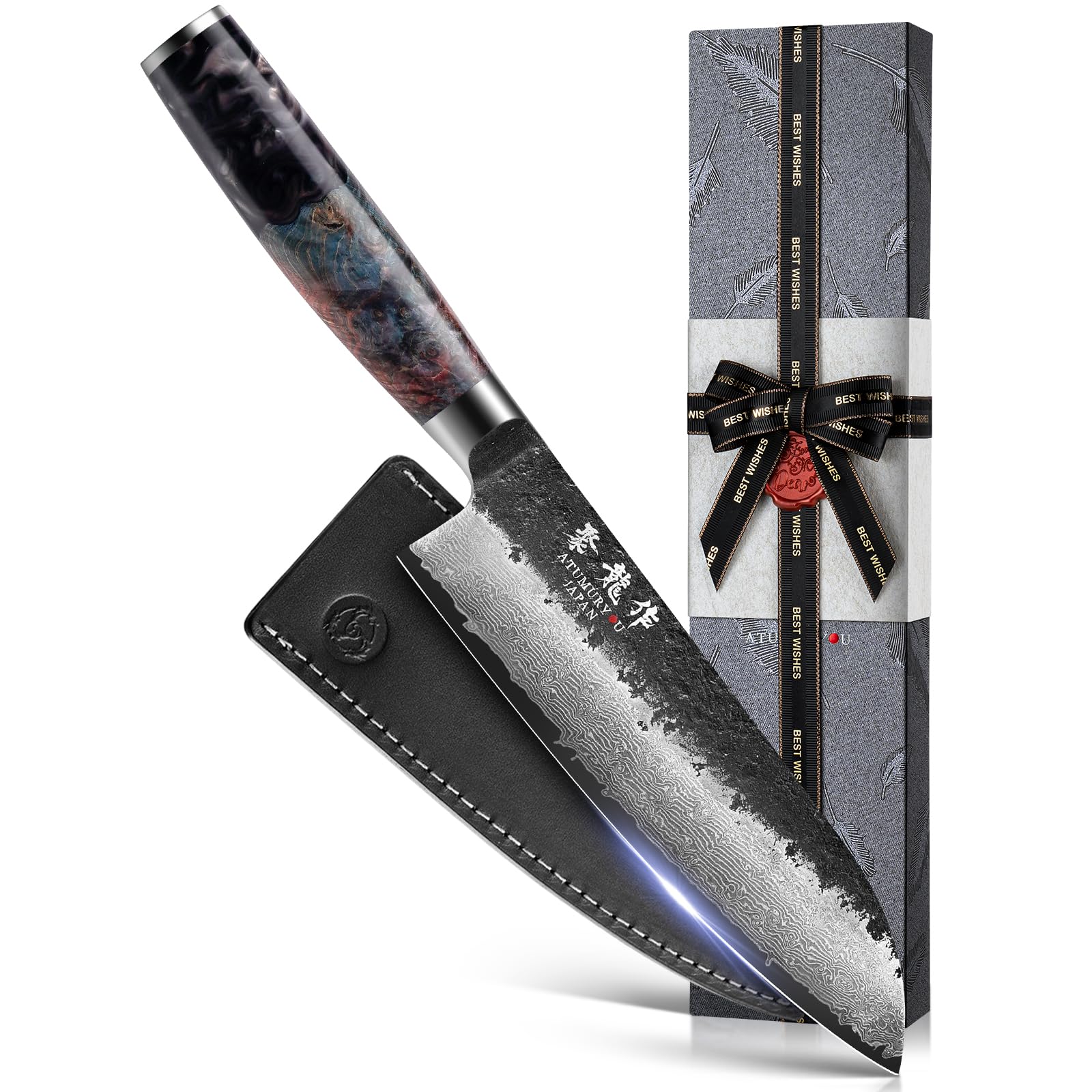
There are two broad construction families. Kasumi blades are forge-welded from a hard core and softer cladding, and they show a soft misty line where the two meet. Honyaki blades are made from a single piece of steel, shaped and then hardened selectively with a clay coating so the spine stays softer than the edge, producing a hamon line that is closer to the sword tradition. Honyaki costs more, warps more in the quench, and is far less forgiving in daily use, which is why most working kitchens use kasumi or sanmai blades.
The names on the steel
Most Japanese knives are described by the paper wrapping of the steel they use. White paper steel, shirogami, is a pure high-carbon steel that takes an extremely keen edge and rusts if you look at it wrong. Blue paper steel, aogami, adds chromium and tungsten for wear resistance and a little more forgiveness. Stainless options such as VG-10 and SG2 powder steel trade some of the ultimate sharpness for corrosion resistance and easier ownership. Hardness figures usually sit between 58 and 62 on the Rockwell C scale, with honyaki blades climbing higher.
Shapes with jobs attached
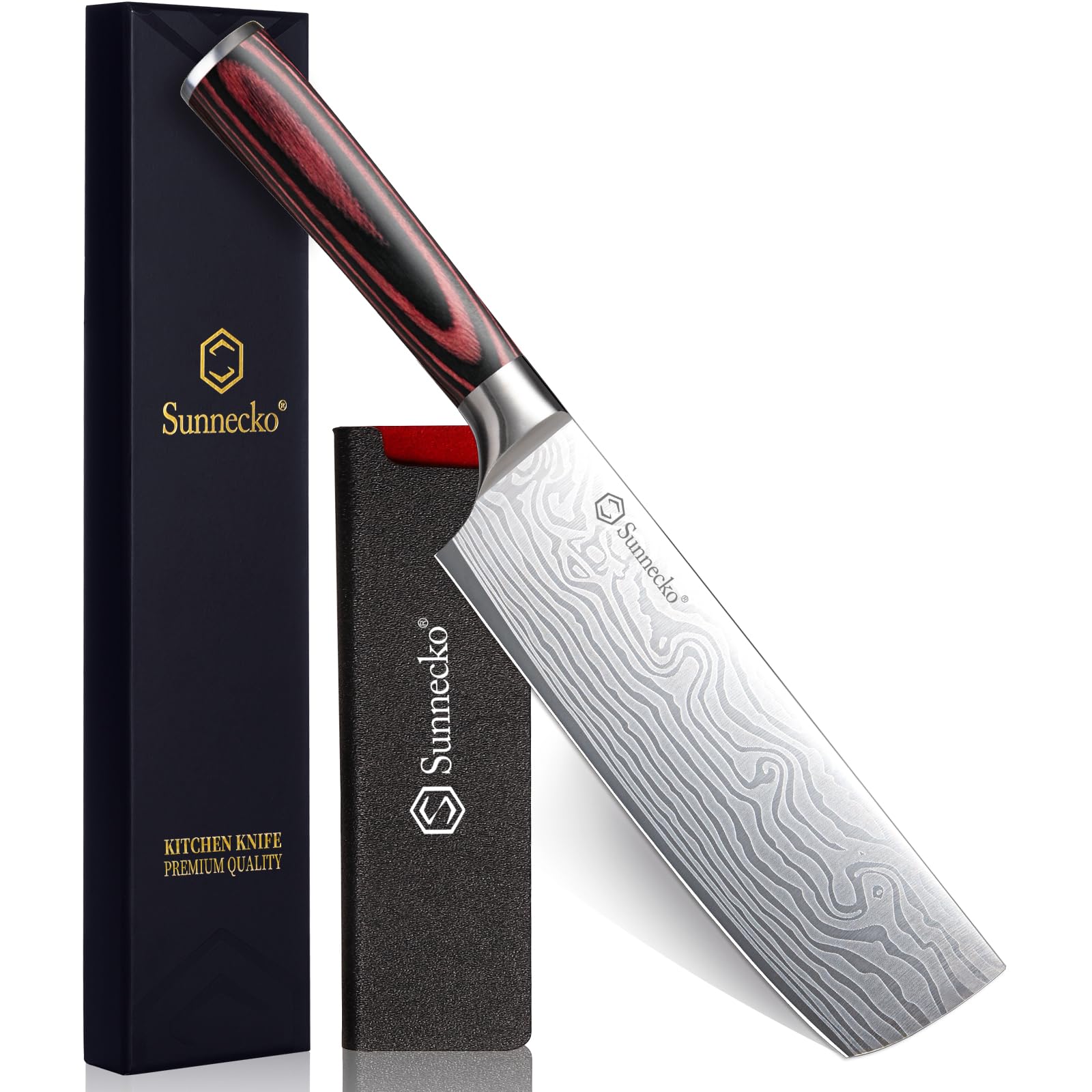
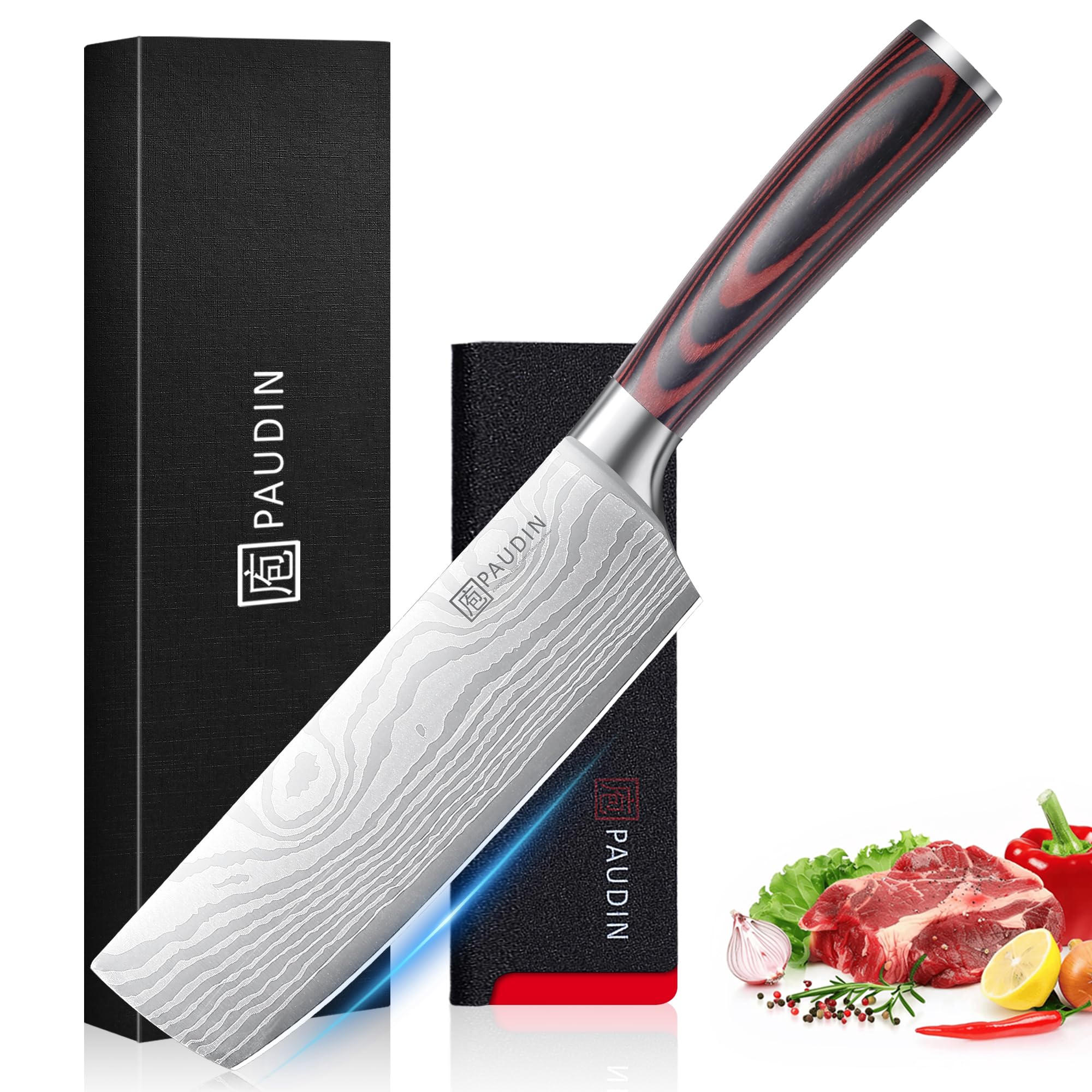
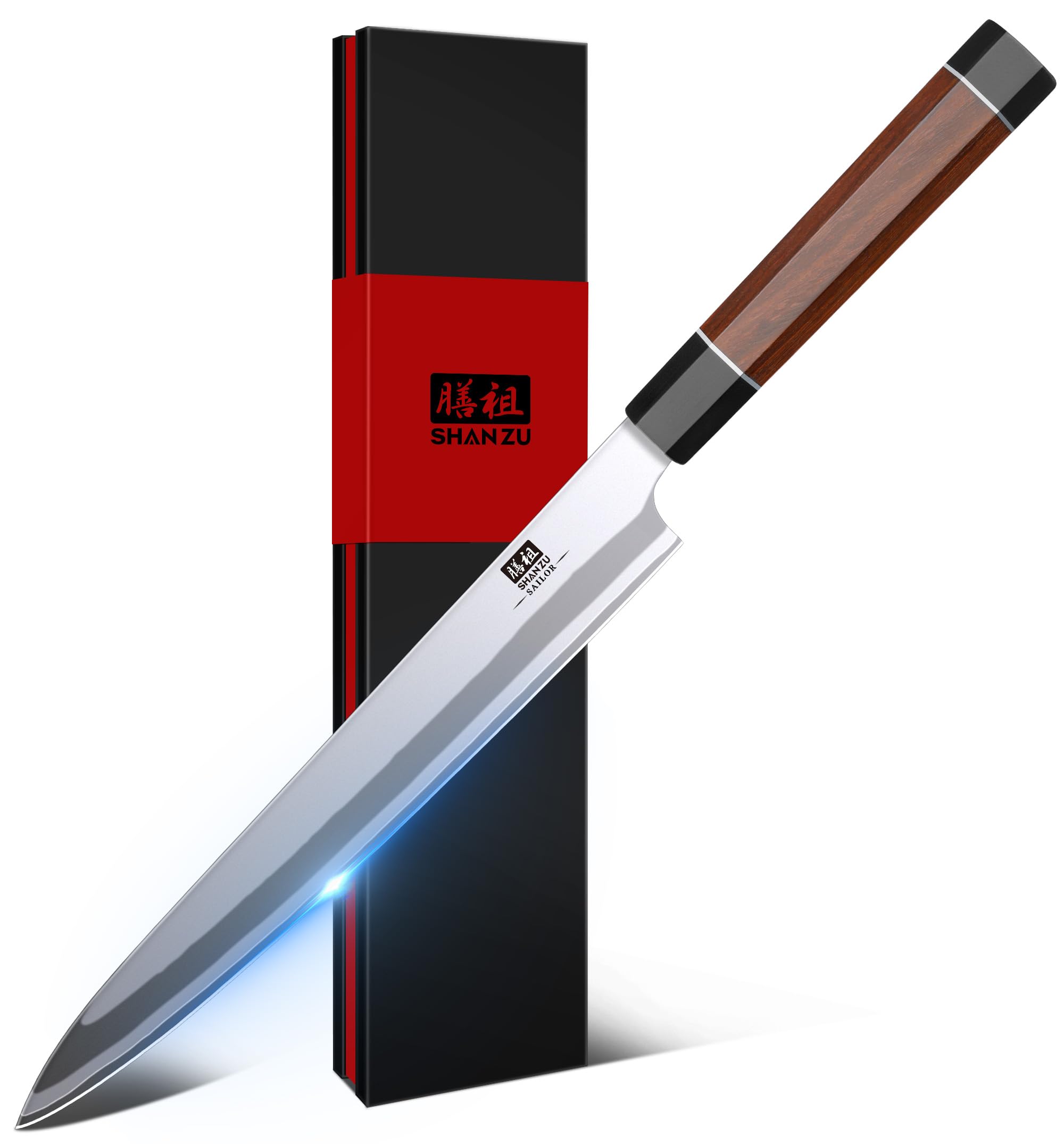
Traditional Japanese knives are specialised in a way Western knives are not. The yanagiba is a long single-bevel slicer built for sashimi, drawn through the fish in one stroke so the surface stays clean and glossy. The deba is a thick, heavy blade for breaking down whole fish, with a stout spine that can go through bone and a single bevel that keeps the cut straight. The usuba is a vegetable knife with a flat edge, used for katsuramuki, the technique of turning a daikon into a paper-thin sheet. A nakiri does similar work with a double bevel and fits more comfortably in a home kitchen.
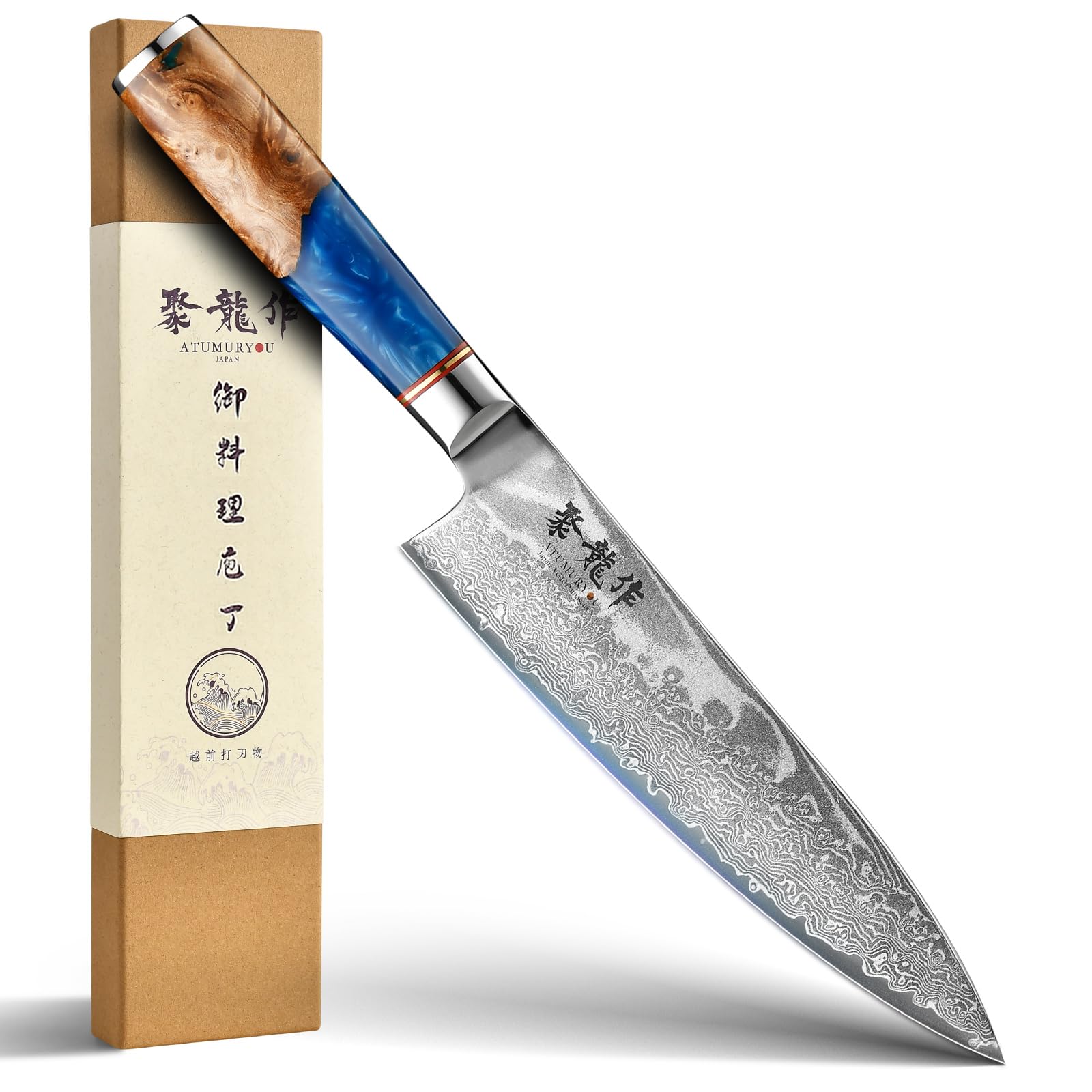
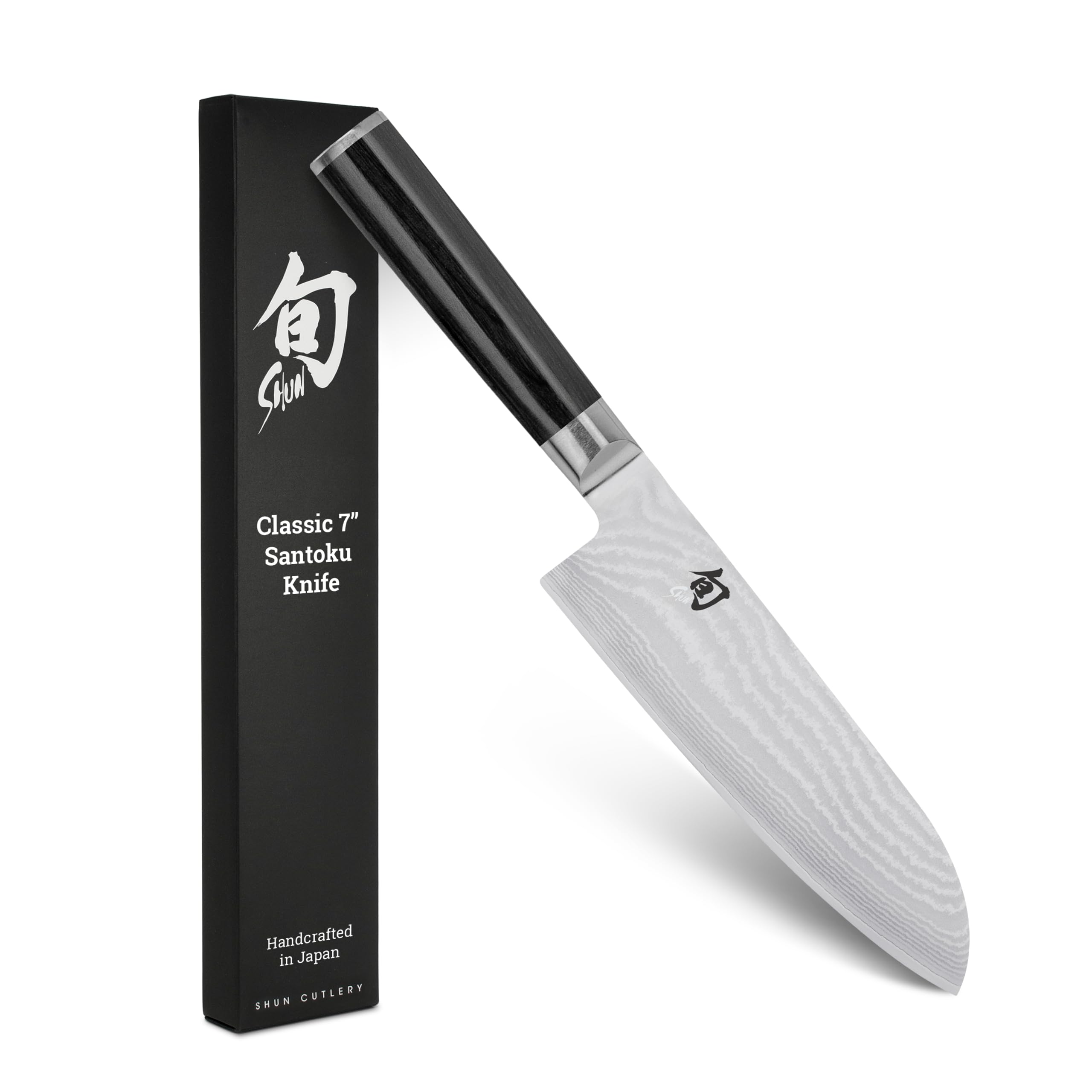
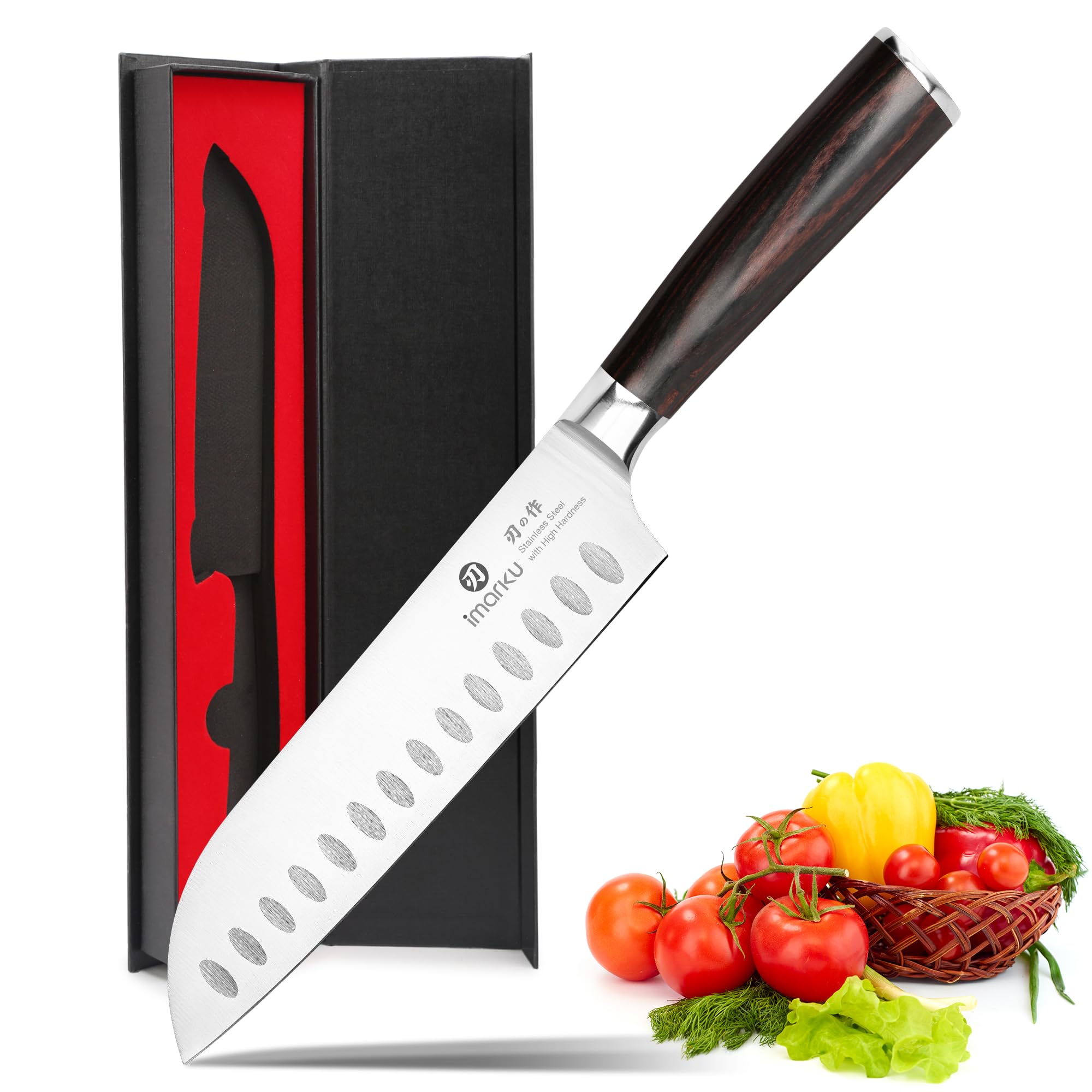
Then there are the two knives that most people actually own. The gyuto, literally a cow sword, arrived with Western influence in the Meiji era and adapted the French chef's knife to Japanese steel and geometry. The santoku appeared after the Second World War and spread through the 1950s as a home knife that could handle fish, meat and vegetables, which is exactly what its name claims: three uses. Neither is a traditional blade in the old sense, and both are the reason Japanese knives became a household object rather than a specialist tool.
Sharpening as a separate craft
In Japan, sharpening is a profession of its own. A Sakai sharpener may spend years learning to hold an angle on a whetstone before touching a customer's knife, and the sequence is standard: a coarse stone around 400 grit to repair damage, a 1000 grit stone to set the edge, and a 3000 to 8000 grit stone to polish it. The result is not just sharpness but geometry, the shape of the bevel and the thickness behind the edge, which is what separates a knife that falls through an onion from one that splits it.
Handles, care and the small traditions
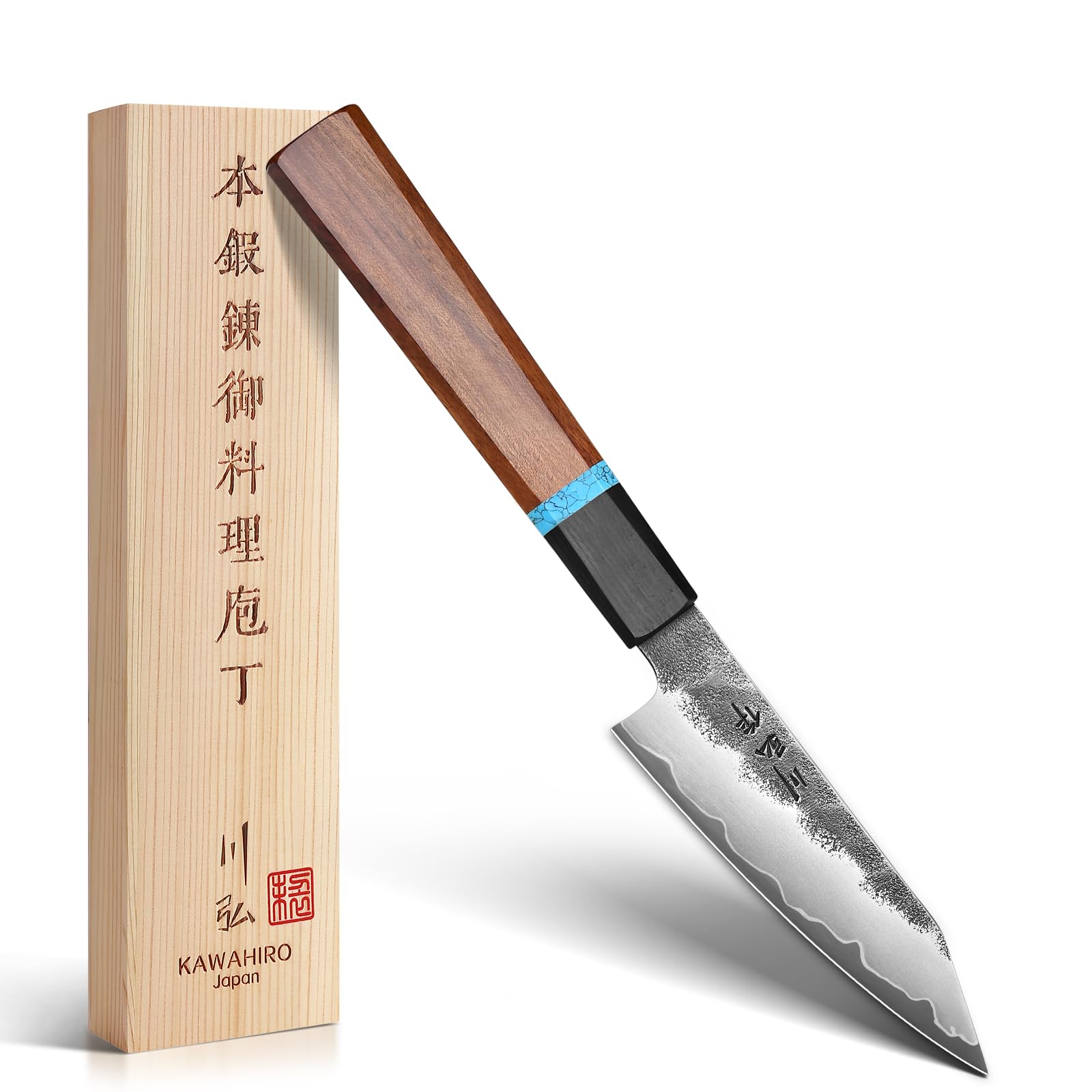
Traditional handles, called wa handles, are made of ho wood, a magnolia, fitted with a ferrule of buffalo horn. Octagonal handles are ambidextrous; D-shaped handles are made for a right or left hand. On many blades you will see a small gap between the handle and the machi, the notch at the base of the blade. It looks like a flaw to a Western eye and is a deliberate part of the joinery.
Carbon steel develops a patina, a dark oxidation that protects the surface and colours with use. It also rusts within minutes if left wet, so the habit is to wipe and dry immediately. No Japanese knife belongs in a dishwasher, and none should be used on frozen food or bone unless it is a deba, because hard steel chips rather than bends.
What to look for now
Three things decide whether a Japanese knife is worth the money: the grind, the hardness and the bevel type. A thin grind cuts better than a thick one regardless of the brand. Hardness in the high fifties or low sixties holds an edge but demands care. Single bevel blades cut more precisely and require more skill, while double bevel blades are the practical starting point. A good 1000 grit stone will improve a cheap knife more than a better knife will improve without one.
If you are building a kitchen around the blade, the cookware matters as much as the steel, and a teapot finishes the morning.
Everything above is chosen with that in mind. Some are traditional single bevel blades for people who break down fish, some are double bevel workhorses, and a few are stones because a Japanese knife without a stone is only half the tool.