Collection
Seaweed
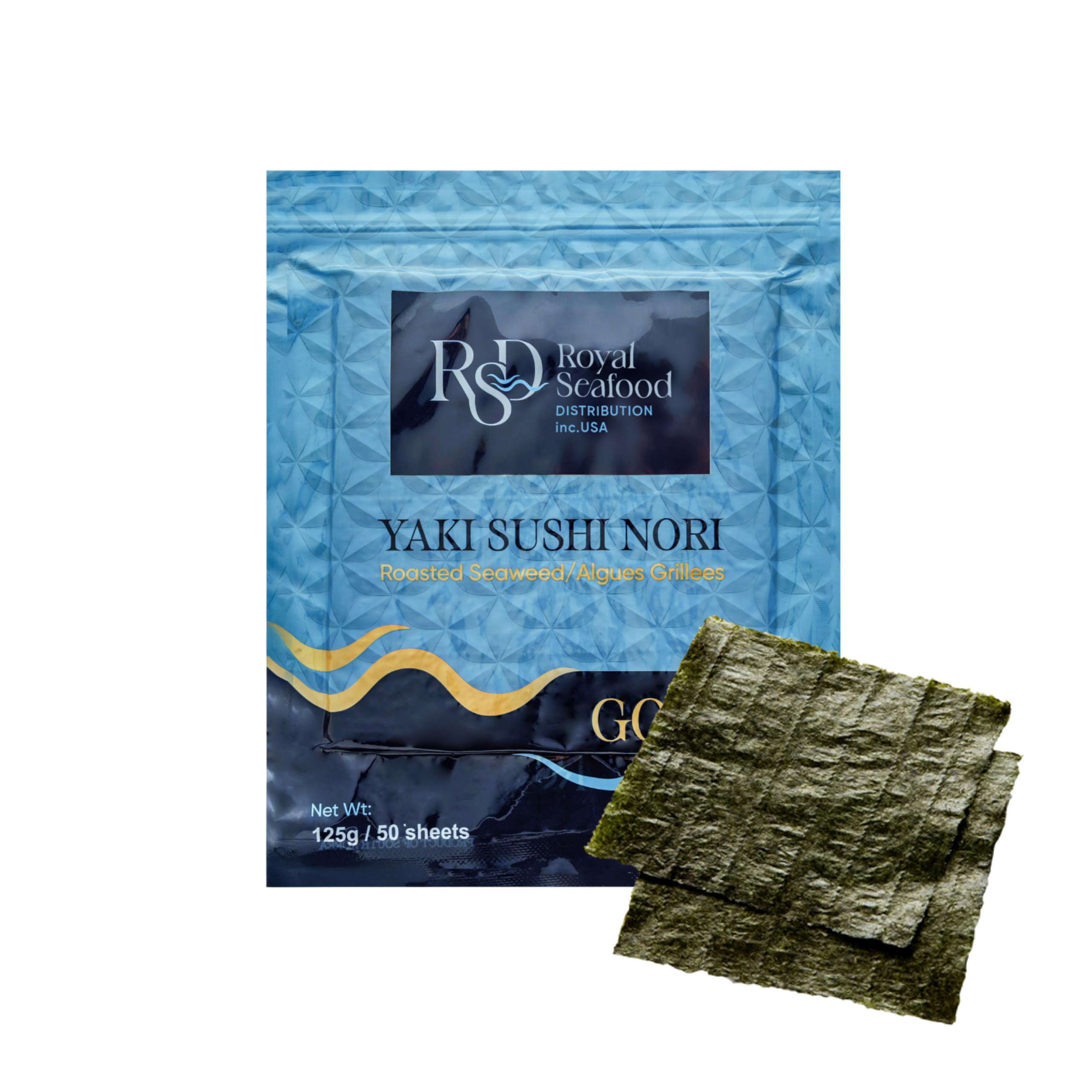
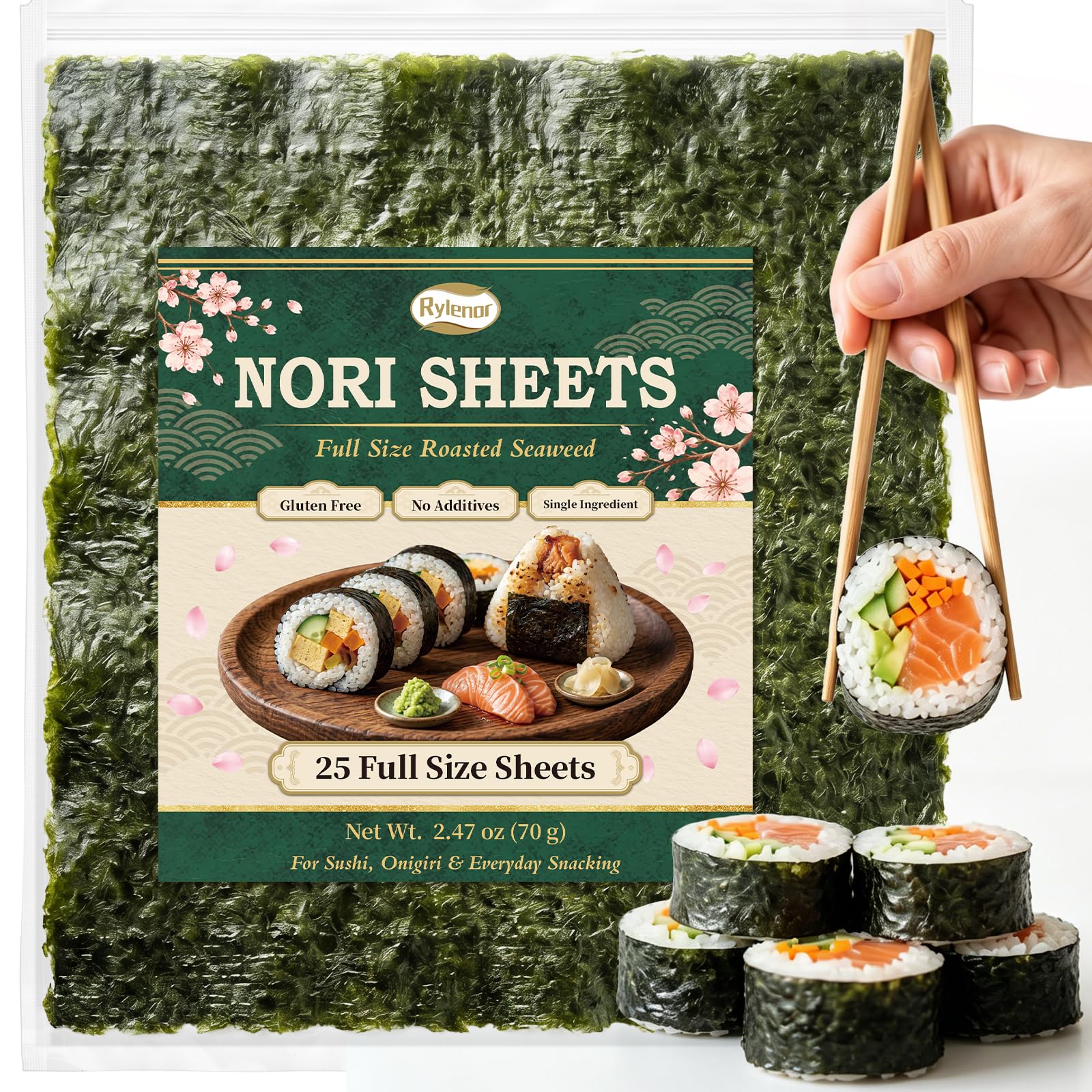
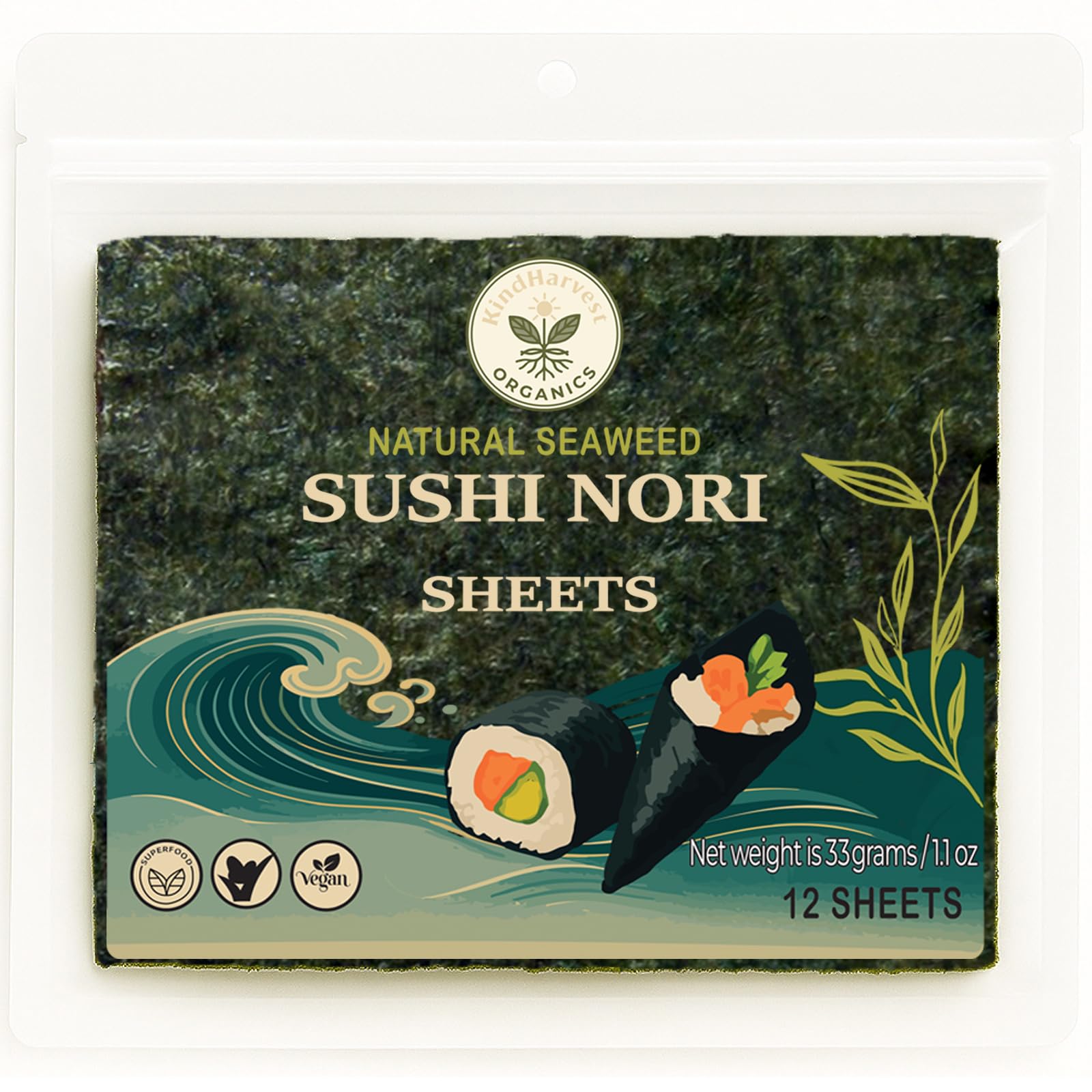
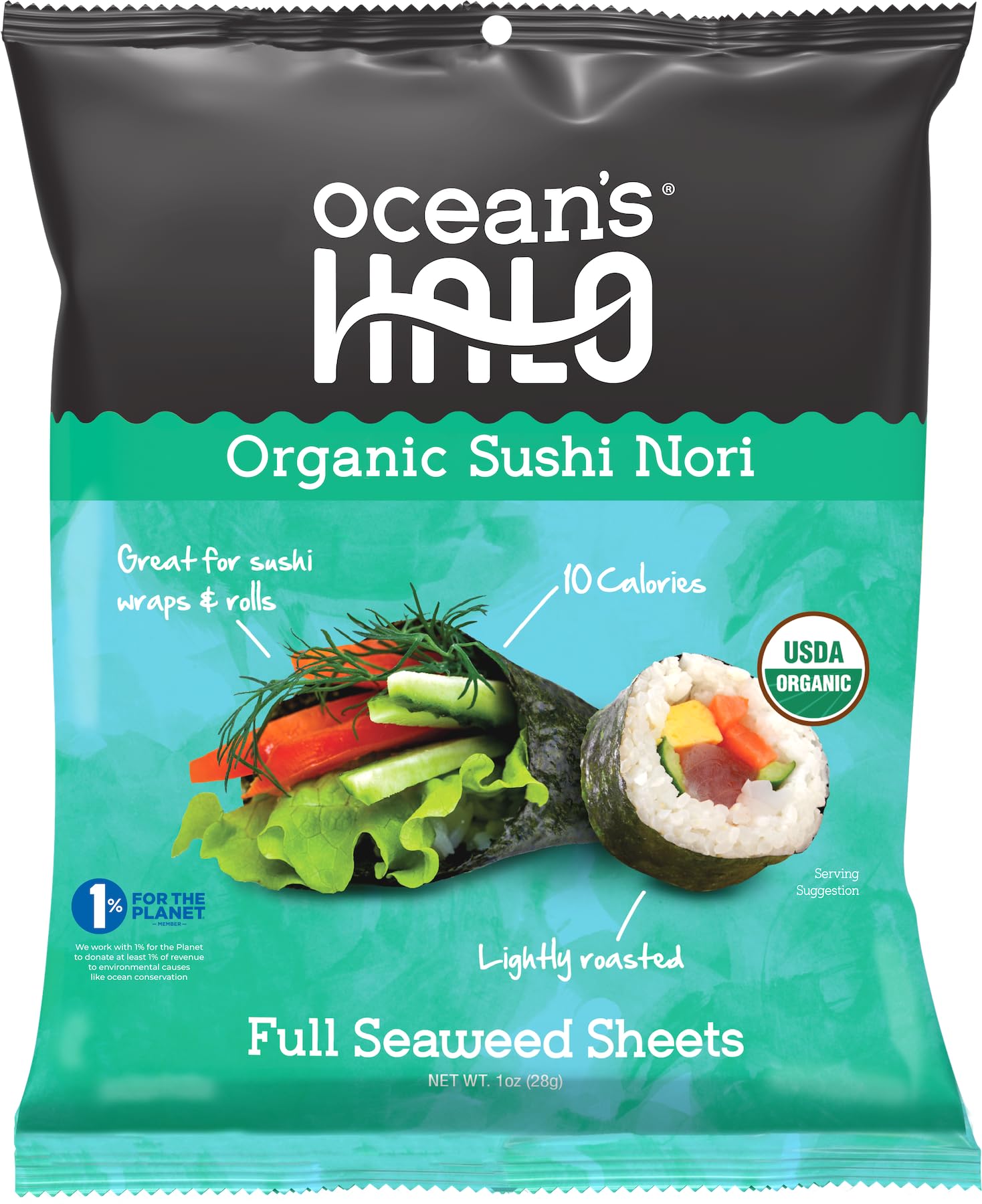
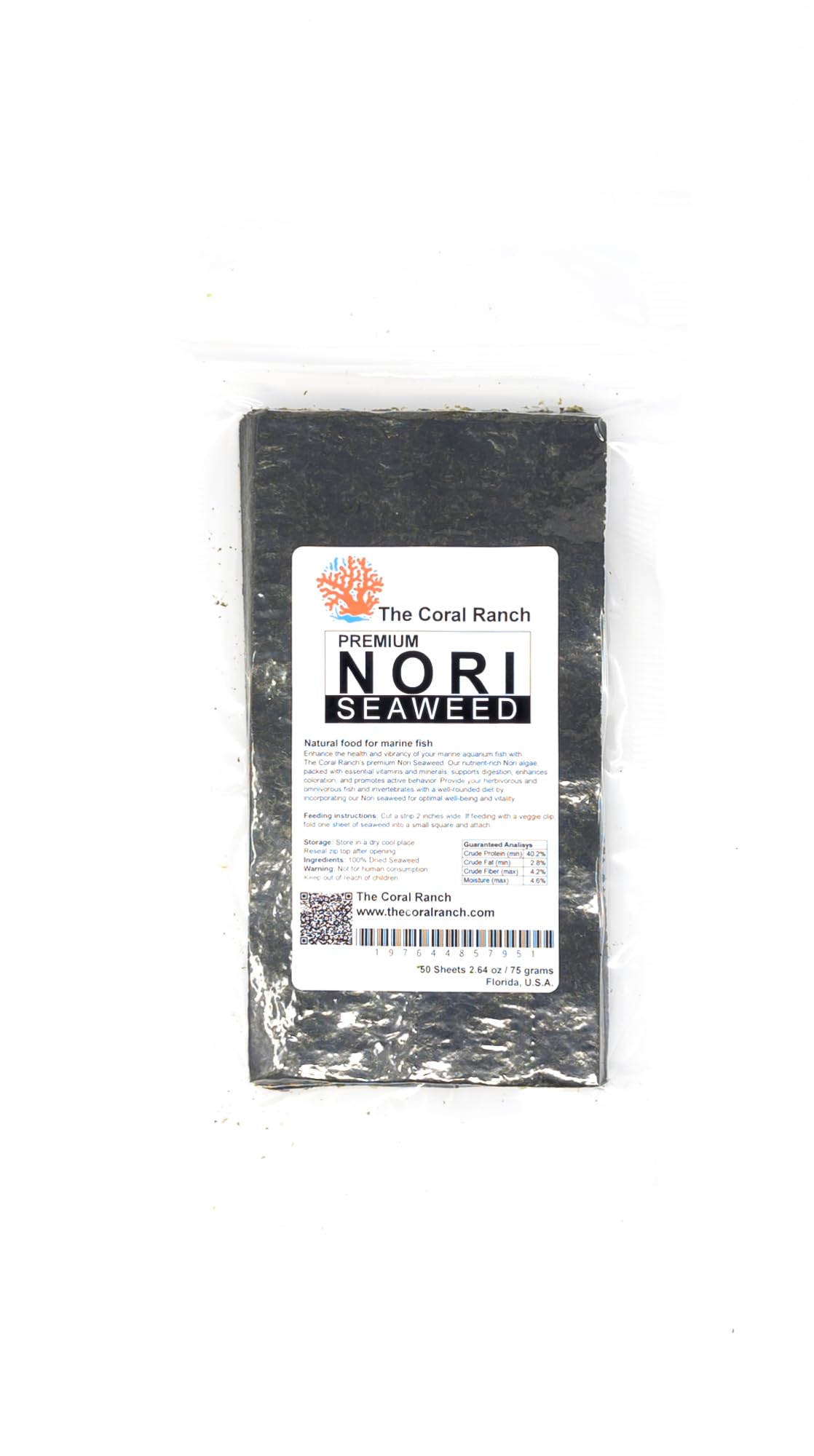
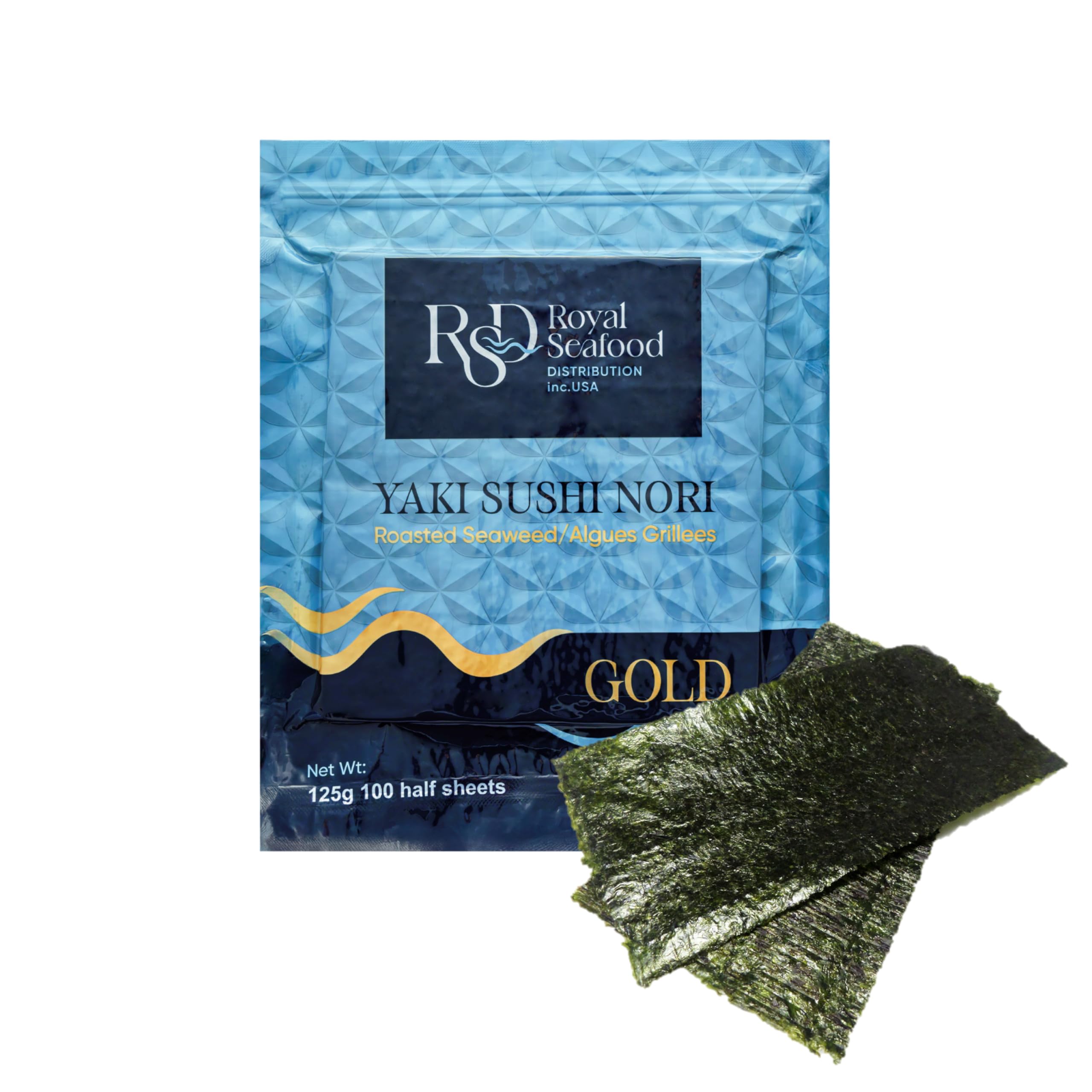
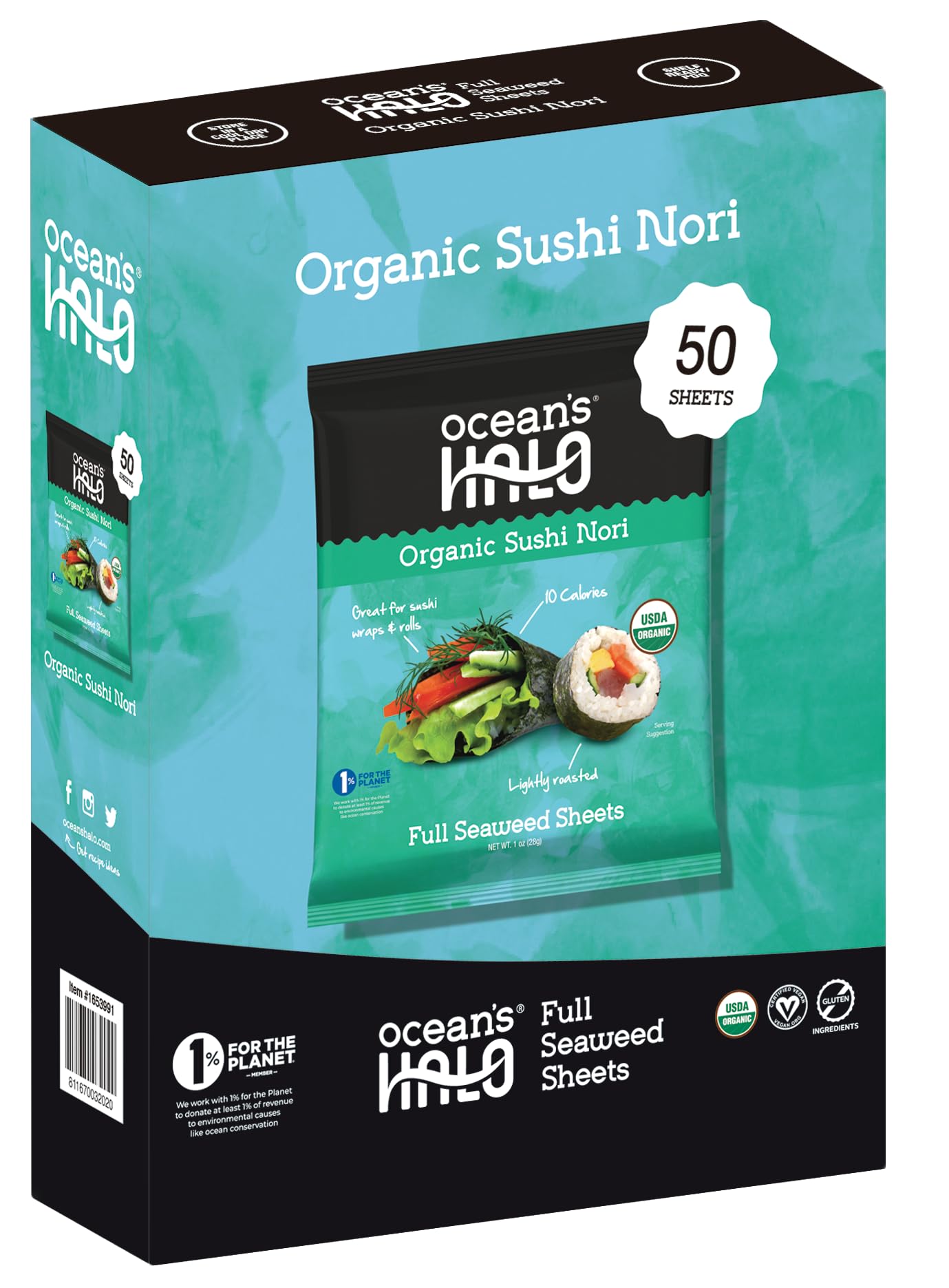
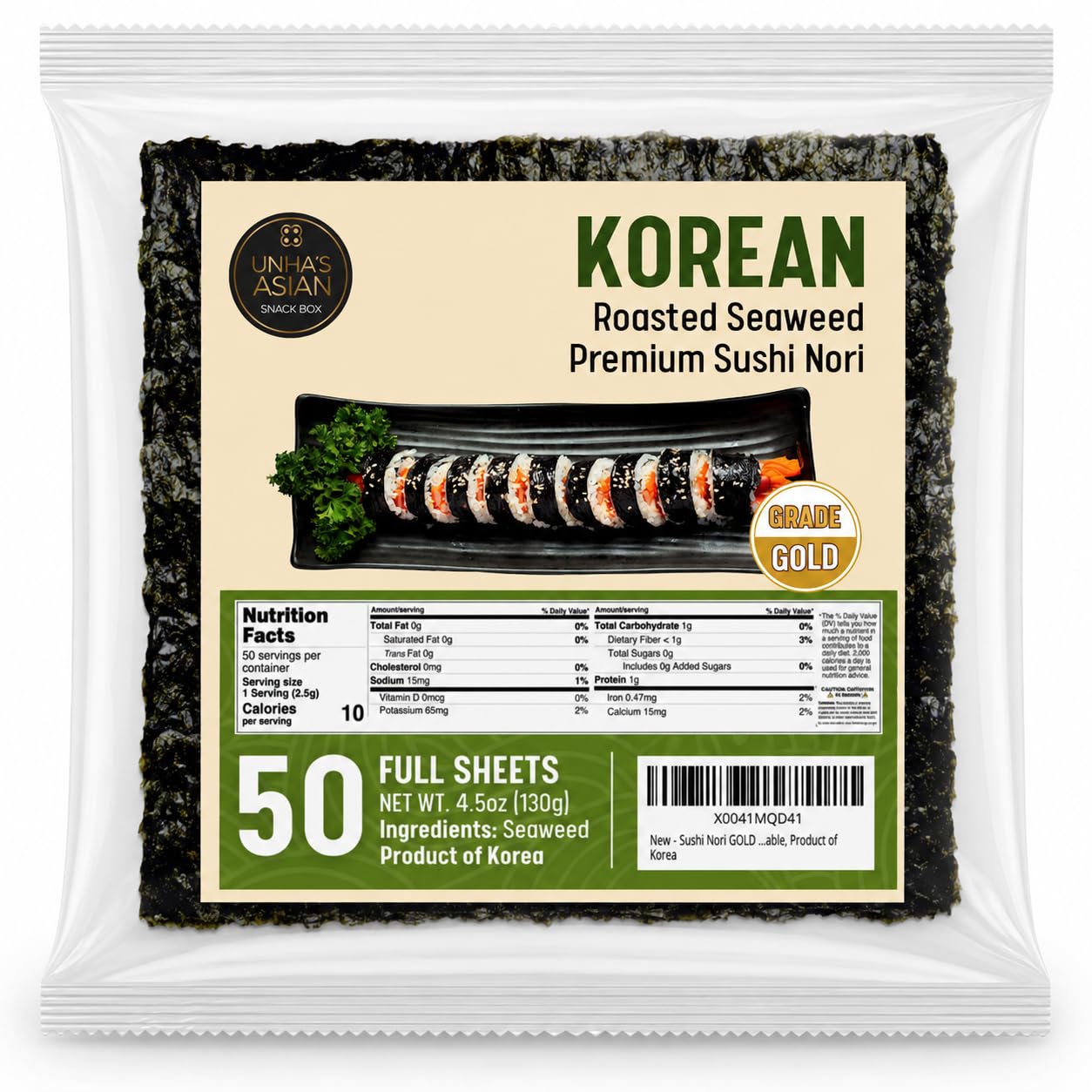
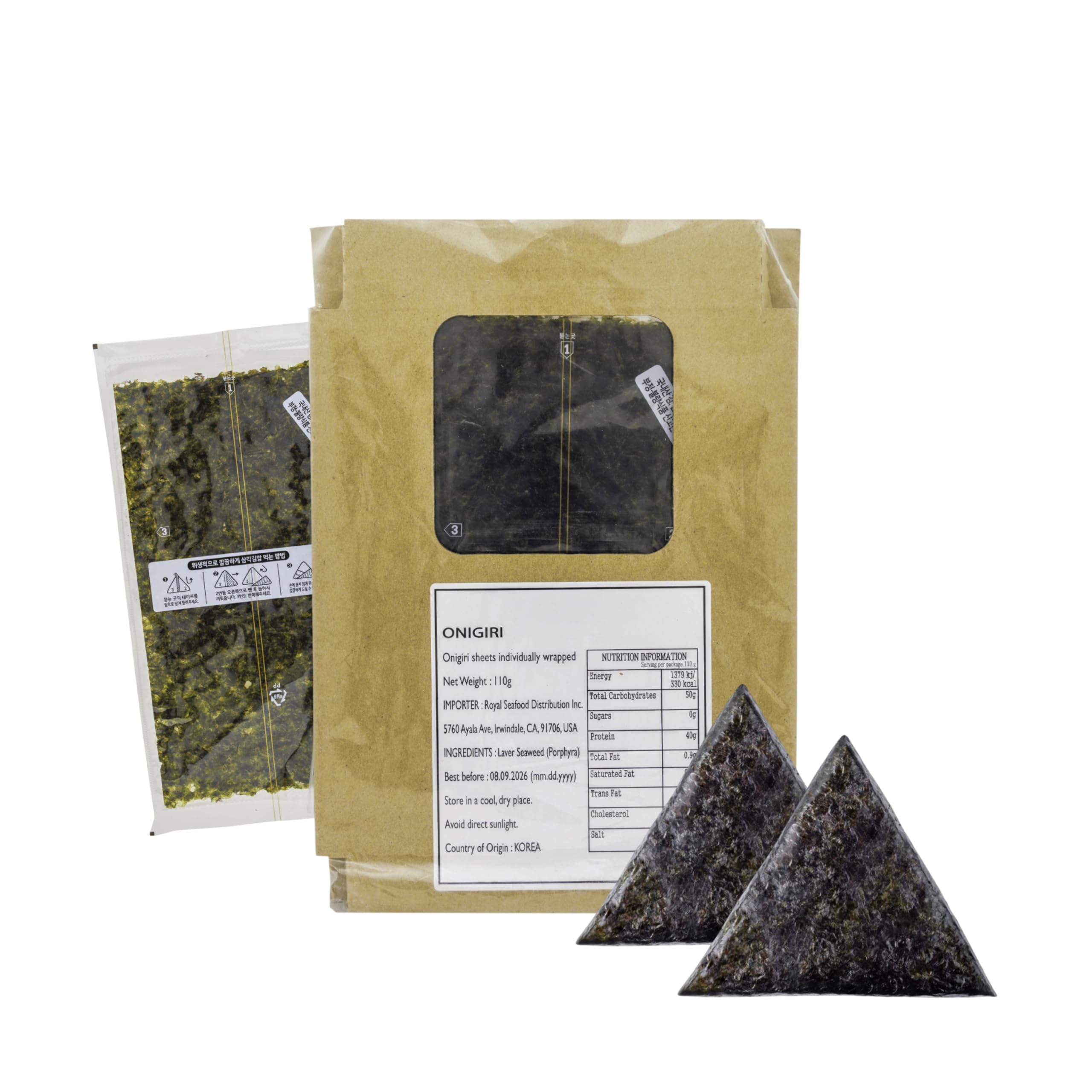
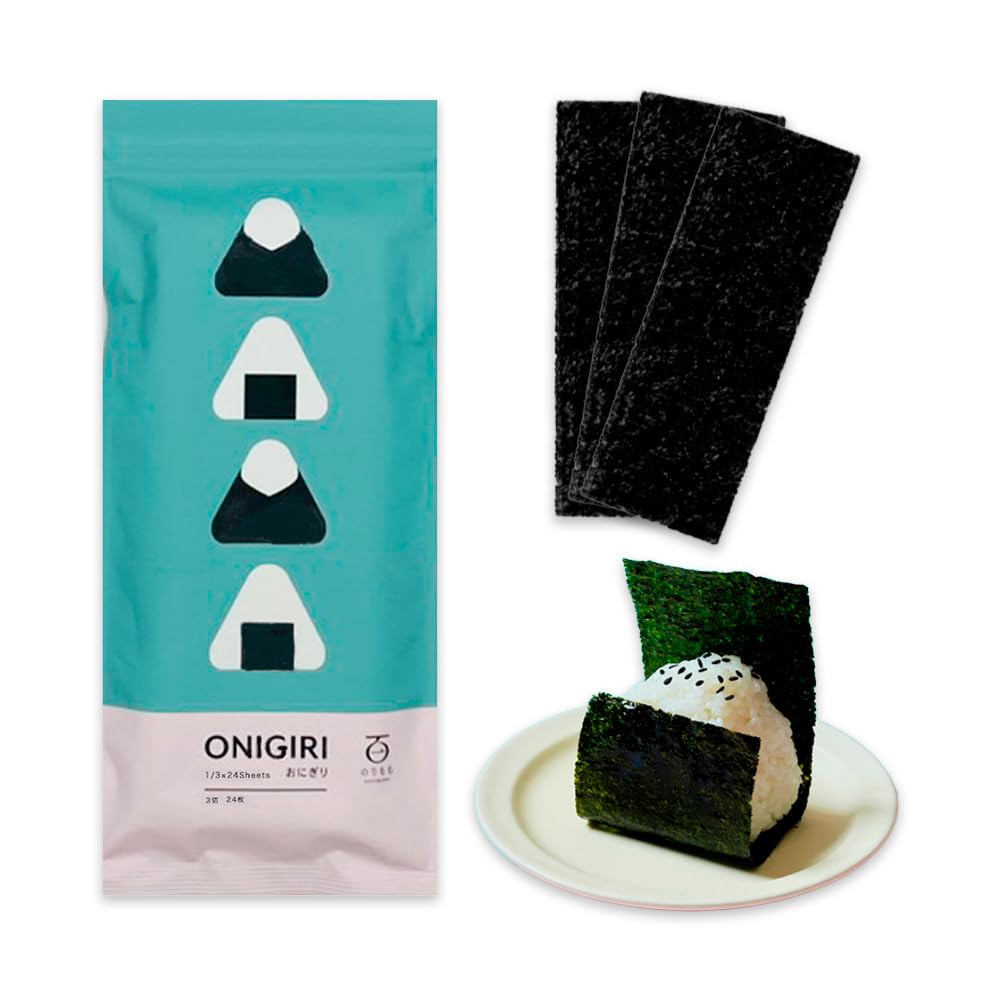
Nori for rolls and onigiri, kombu for dashi stock, wakame for soup. Buy nori in larger packs if you use it weekly, since the price per sheet drops fast.















Seaweed: the crop that made Japanese stock possible
Japan eats more seaweed than any country on earth, and it is not a garnish culture. Nori wraps rice, kombu makes the stock, wakame floats in soup and hijiki simmers with soy. Each one is a different plant with a different job, and all of them were being harvested before anyone wrote down a recipe.
Nori, farmed in a bay
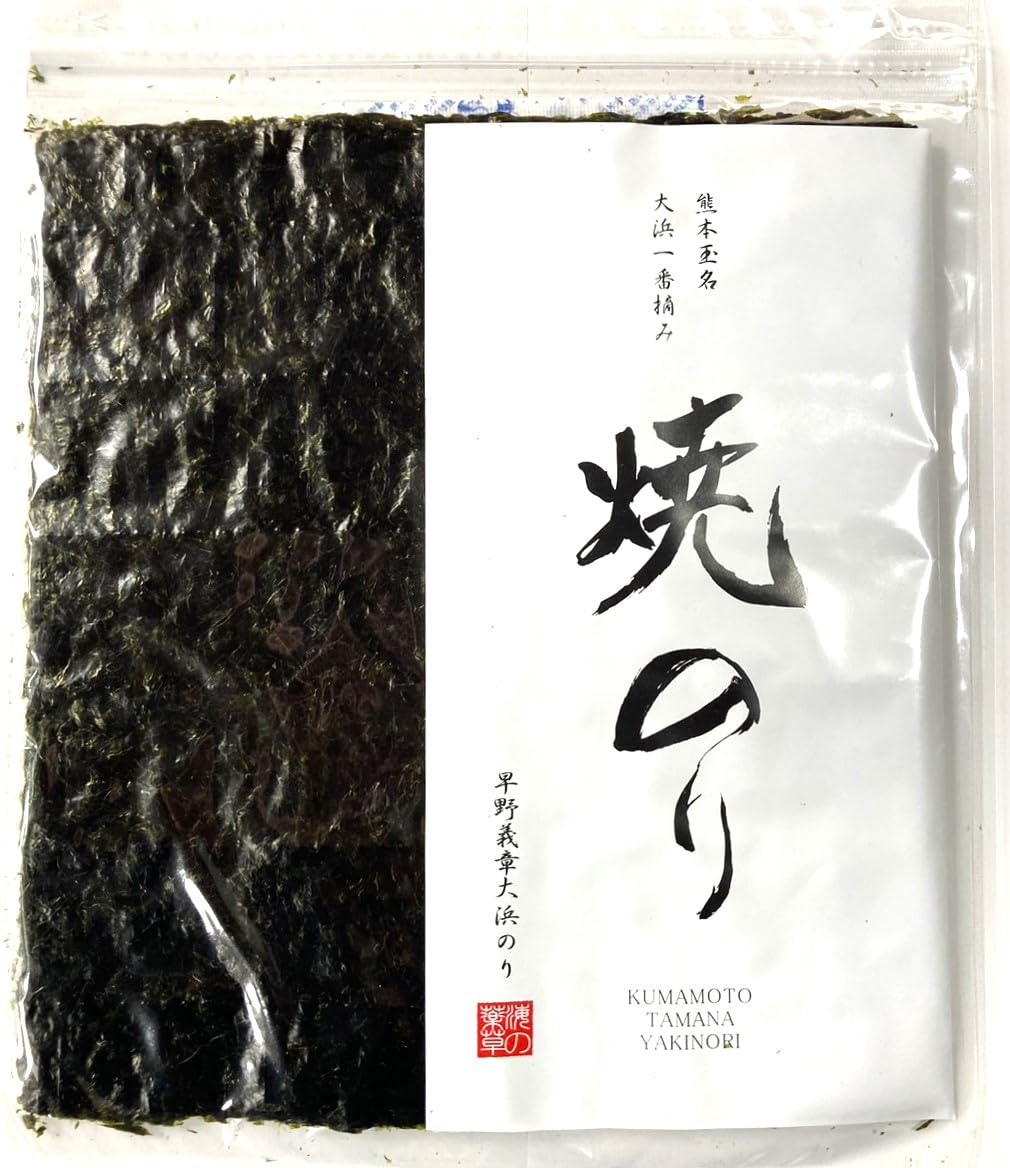
Nori is a red alga, Pyropia, grown on nets in shallow coastal water and harvested in winter. For centuries it was gathered wild and pressed into sheets by hand, a slow process that made it expensive. The industry changed twice: once in the Edo period, when papermaking techniques were adapted to spread the pulp into thin sheets, and again in the twentieth century, when the life cycle of the plant was understood and farming with nets became possible.
Tokyo Bay, and Asakusa in particular, was the historic centre of nori production before pollution and land reclamation pushed the farms elsewhere, which is why Edo period sushi and onigiri were wrapped in seaweed from the city's own shoreline. Today the main growing areas are the Ariake Sea in Kyushu, Ise Bay and the coast of Chiba.
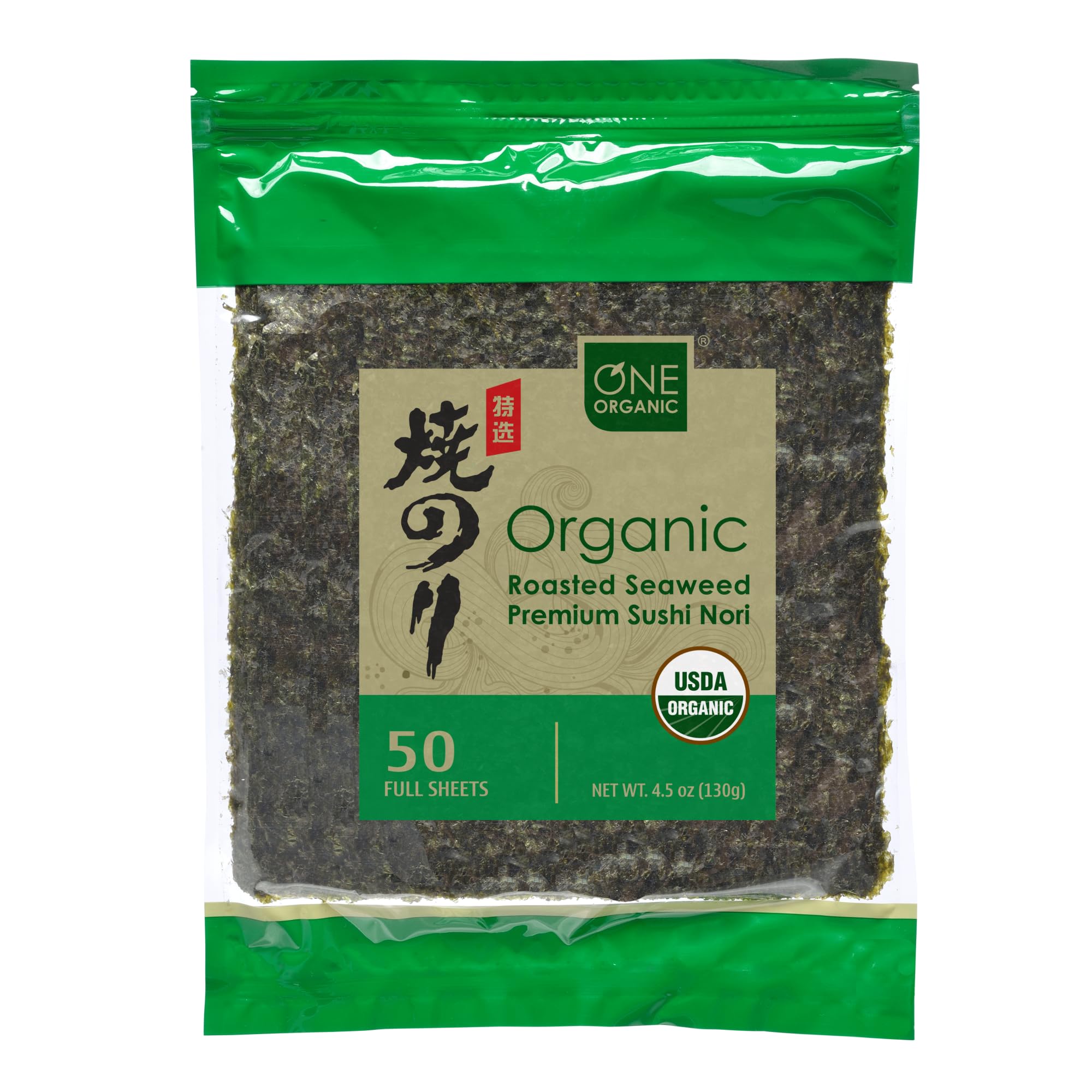
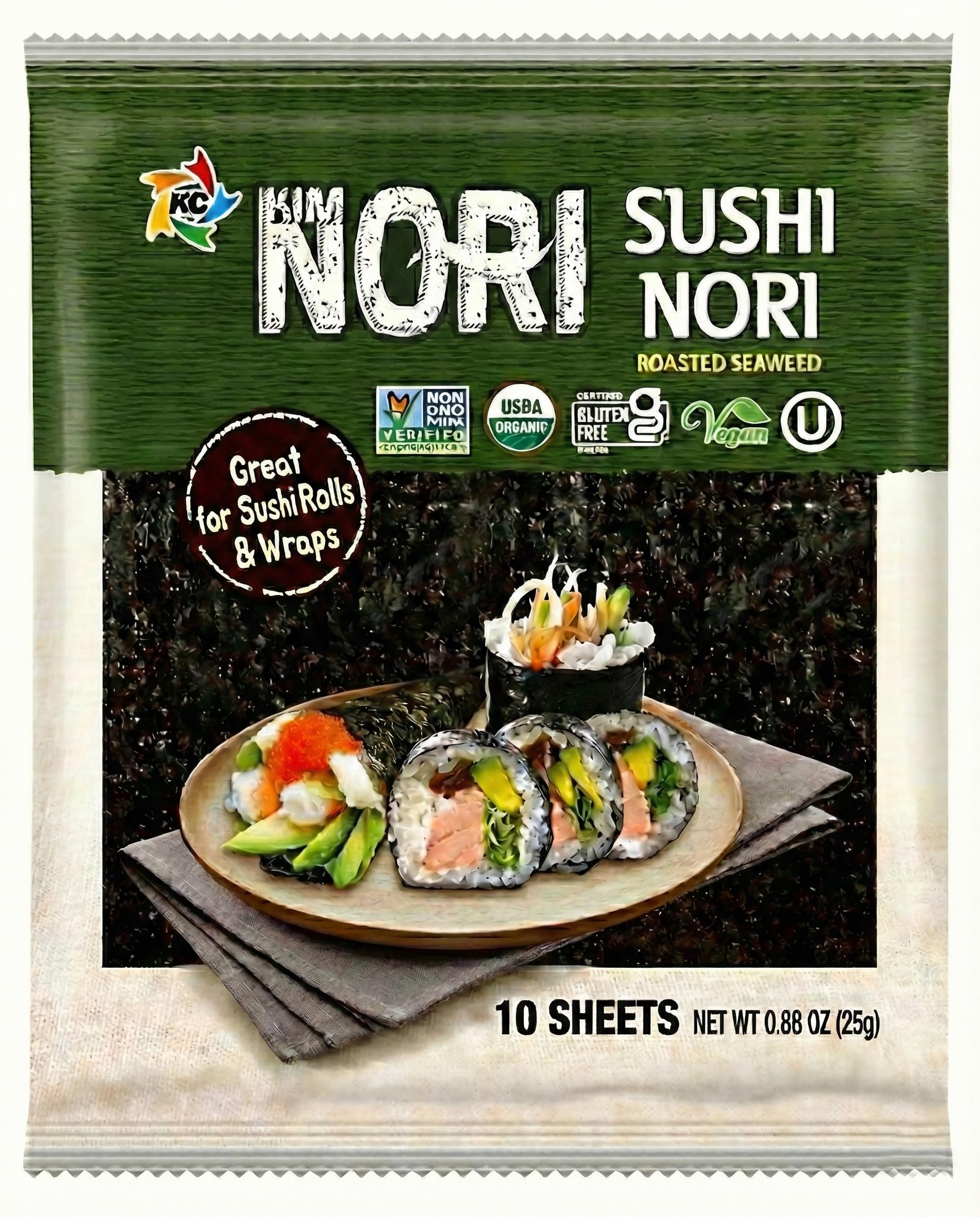
Most nori sold abroad is toasted, yaki nori, and ready to use. It should be dark, glossy and crisp, with a smell of the sea rather than dust. Once opened, it absorbs moisture within days and turns chewy, so keep it in a sealed bag with a silica packet or move it to a tin.
Kombu, the base of dashi
Kombu is kelp, harvested mostly in Hokkaido, and it is the source of the glutamate that gives Japanese food its savoury base. Ma kombu from the south of Hokkaido is the standard for dashi, while Rishiri kombu is prized for clarity and used in high-end cooking. The strips are dried and can be surprisingly expensive, because a good piece is thick, wide and clean.
The technique is gentle: put kombu in cold water, heat slowly, remove it just before boiling. Boiling releases bitterness and sliminess. The same strip can be reused for a second, weaker stock before it is discarded or sliced into a simmered dish.
Wakame, the everyday soup seaweed
Wakame is the soft green seaweed in miso soup. It is sold dried, rehydrates in a few minutes, and expands dramatically, which surprises people the first time. It has a mild sweetness and a slippery texture that carries broth well.
It is also the most forgiving seaweed in the shop. A handful in a bowl, hot stock poured over, and it is done. In Japan it is eaten as a salad with rice vinegar and sesame, and as a side dish with cucumber.
Hijiki, the dark one
Hijiki is a dark brown seaweed sold dried, soaked and then simmered with soy, mirin and often tofu or carrots. It has a firm texture and a strong mineral taste, and it is traditionally eaten for its iron and calcium content. Soaking is essential, and the cooked dish keeps for days in the fridge, which makes it a common item in a bento.
A note on sourcing
Seaweed takes up what is in the water, so origin matters more than it does for most foods. Japanese nori is grown under strict water quality rules, and Korean and Chinese seaweed is also widely sold and generally fine. Look for a named harvest area on the pack, and treat anonymous bulk sheets with a little suspicion.
Prices vary enormously because sheets are graded by thickness, size and uniformity. For everyday rice rolls and ramen toppings, mid-priced nori is the right choice. For wrapping a gift or making a meal look sharp, the thick, even sheets cost more and earn it.
The selection above covers the working set: nori for rolls and onigiri, kombu for dashi, wakame for soup and hijiki for simmered dishes. Buy nori in the largest pack you will finish in two months, and buy kombu by the strip rather than the box until you know how fast you use it.