Collection
Miso
White miso is younger, sweeter and lighter. Red miso is aged longer and hits harder, so it suits cold weather and heavier dishes. Awase is a blend of the two, and a sensible first purchase.



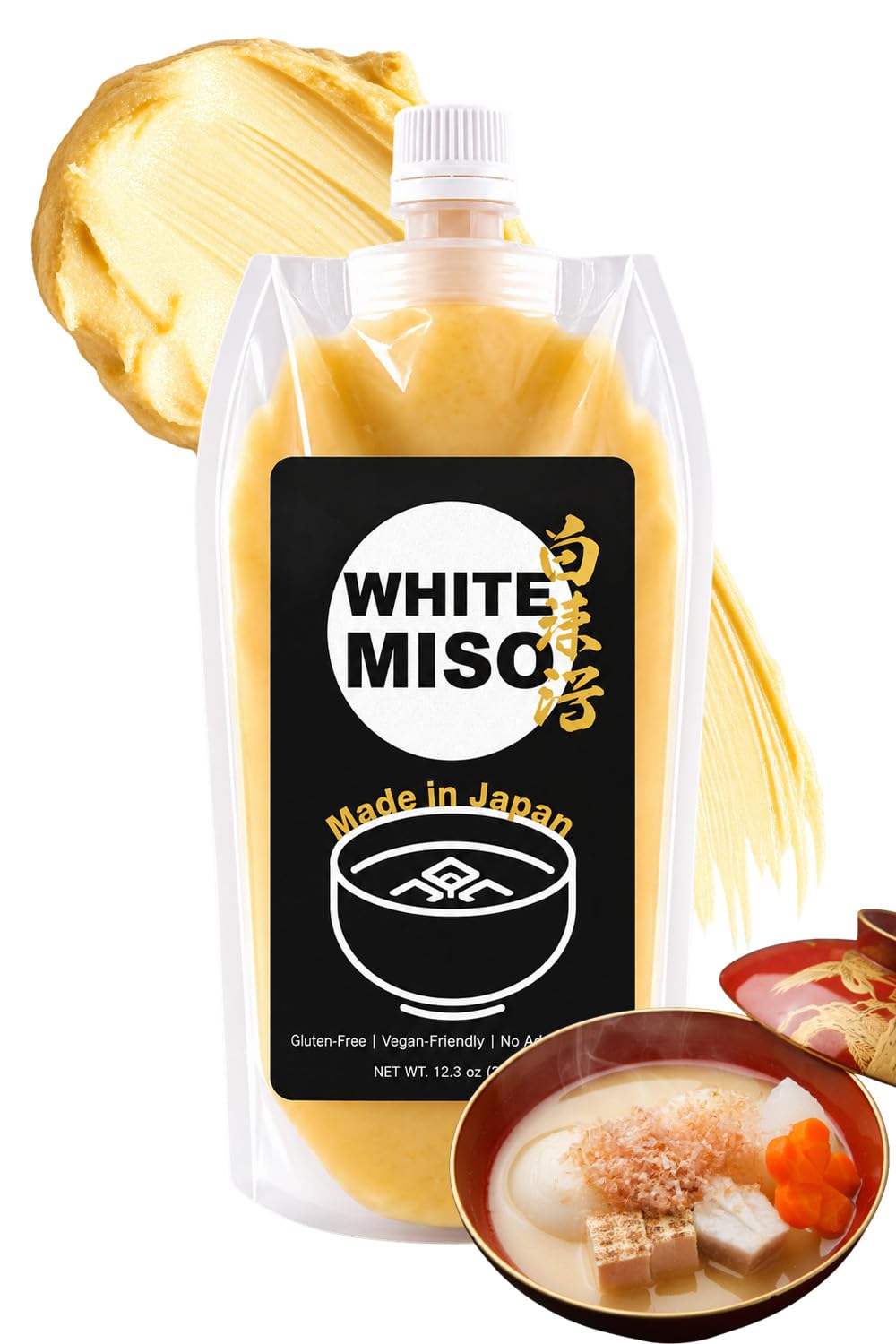


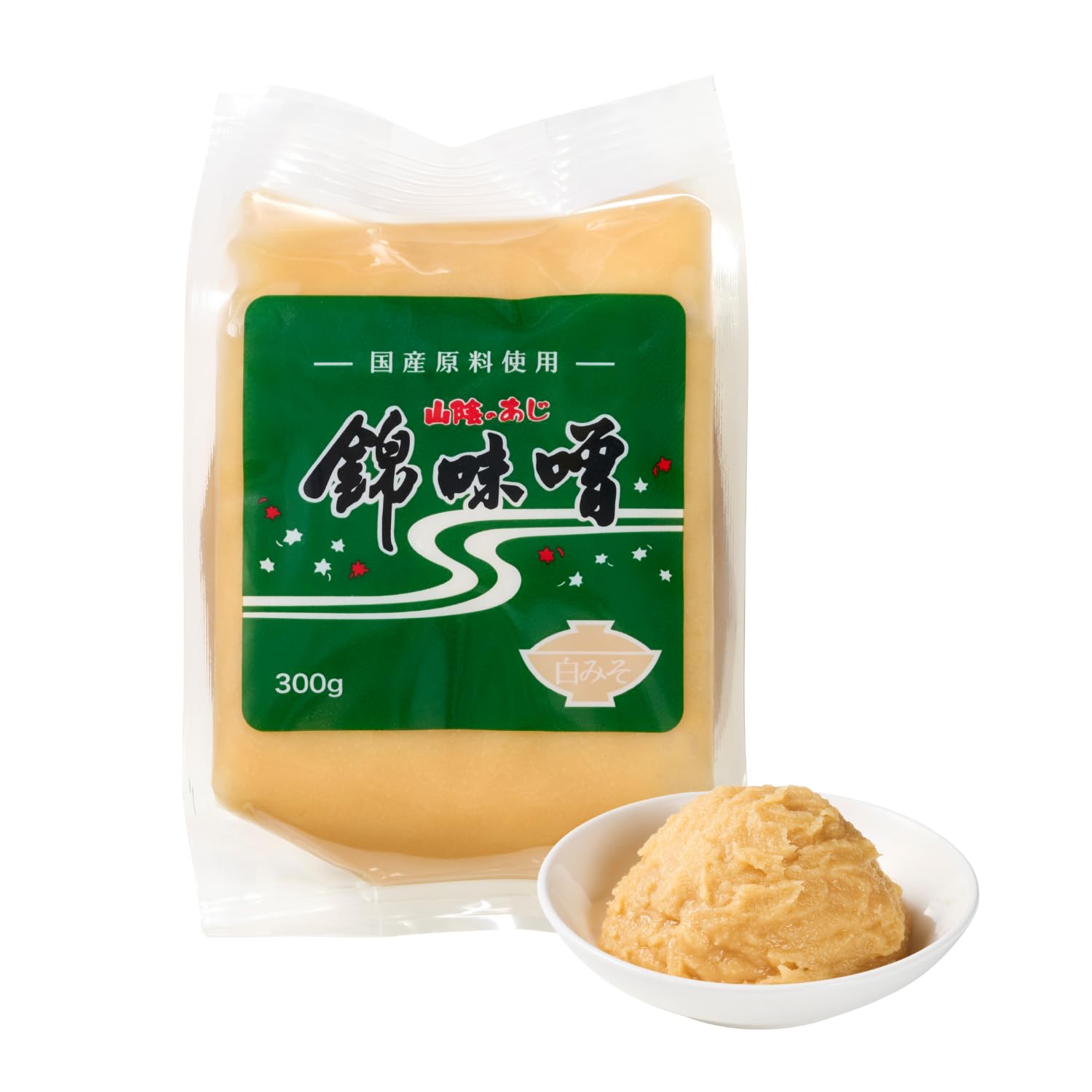


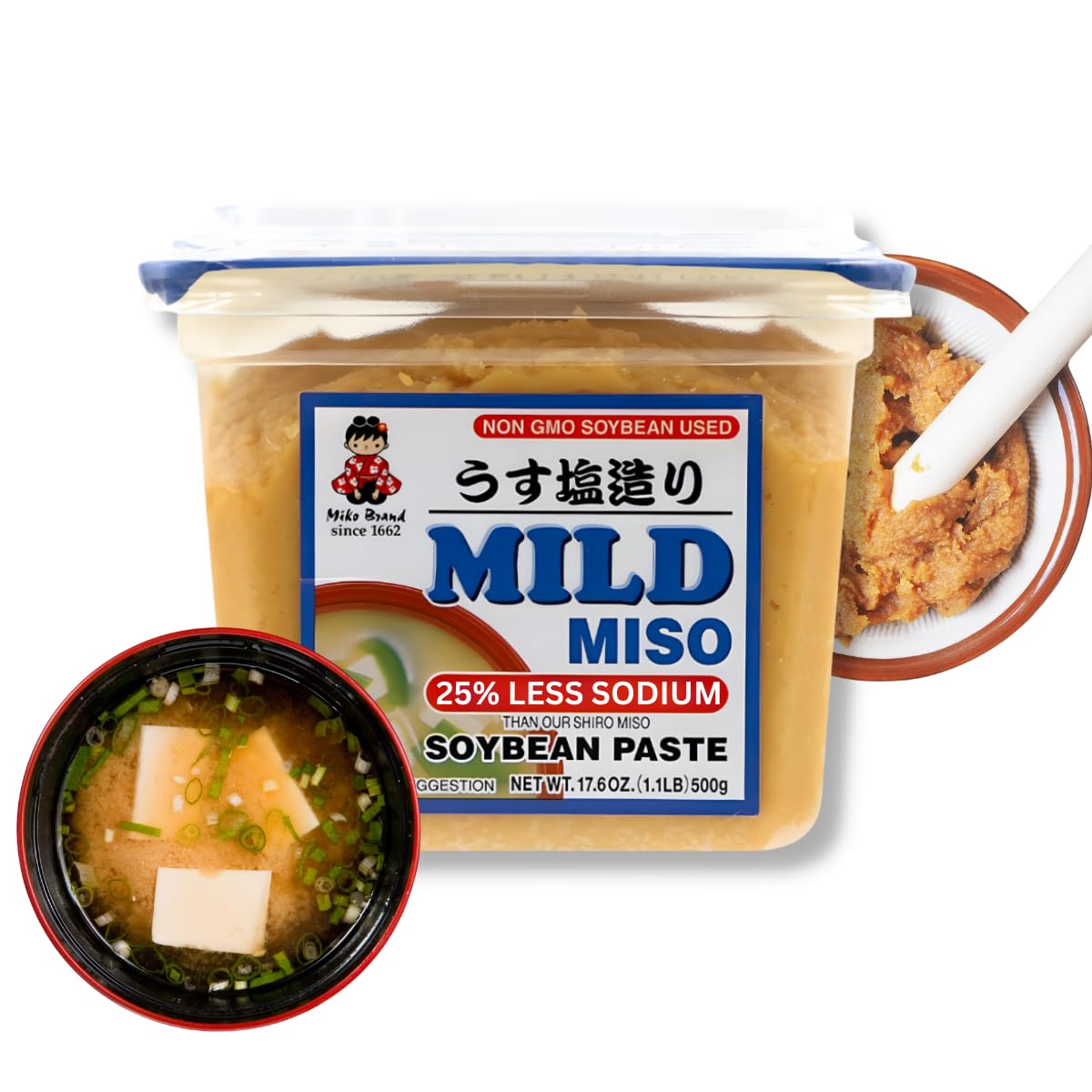


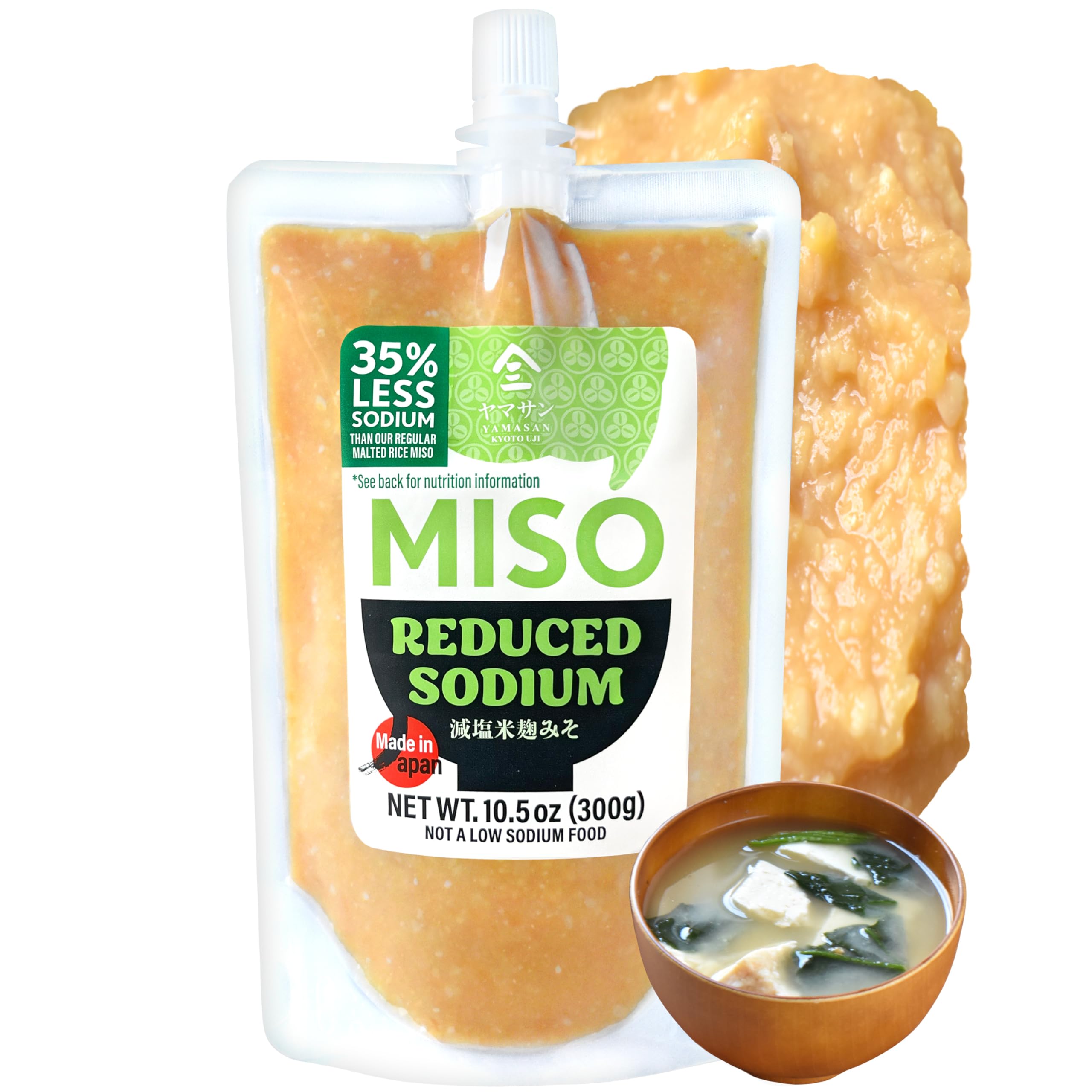


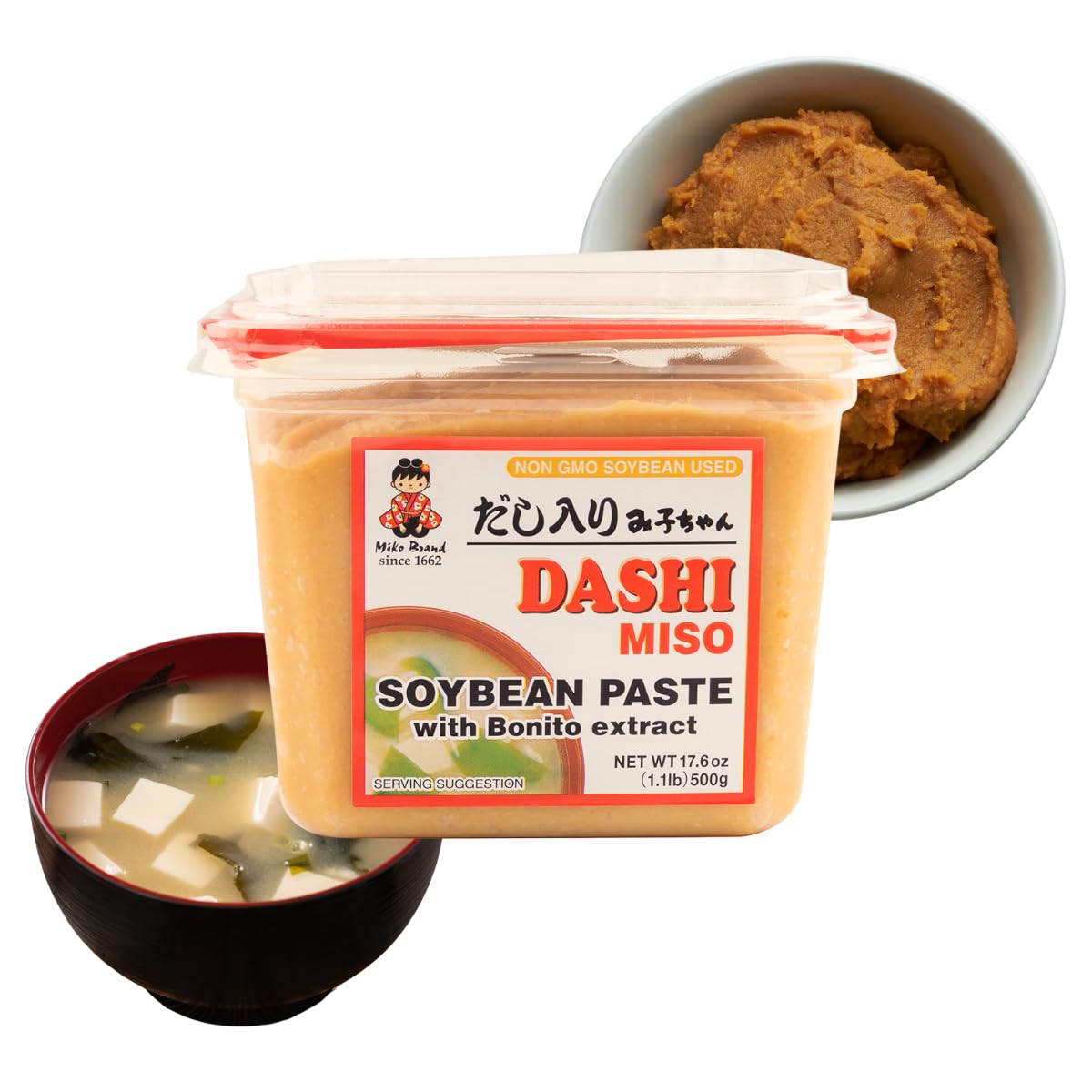


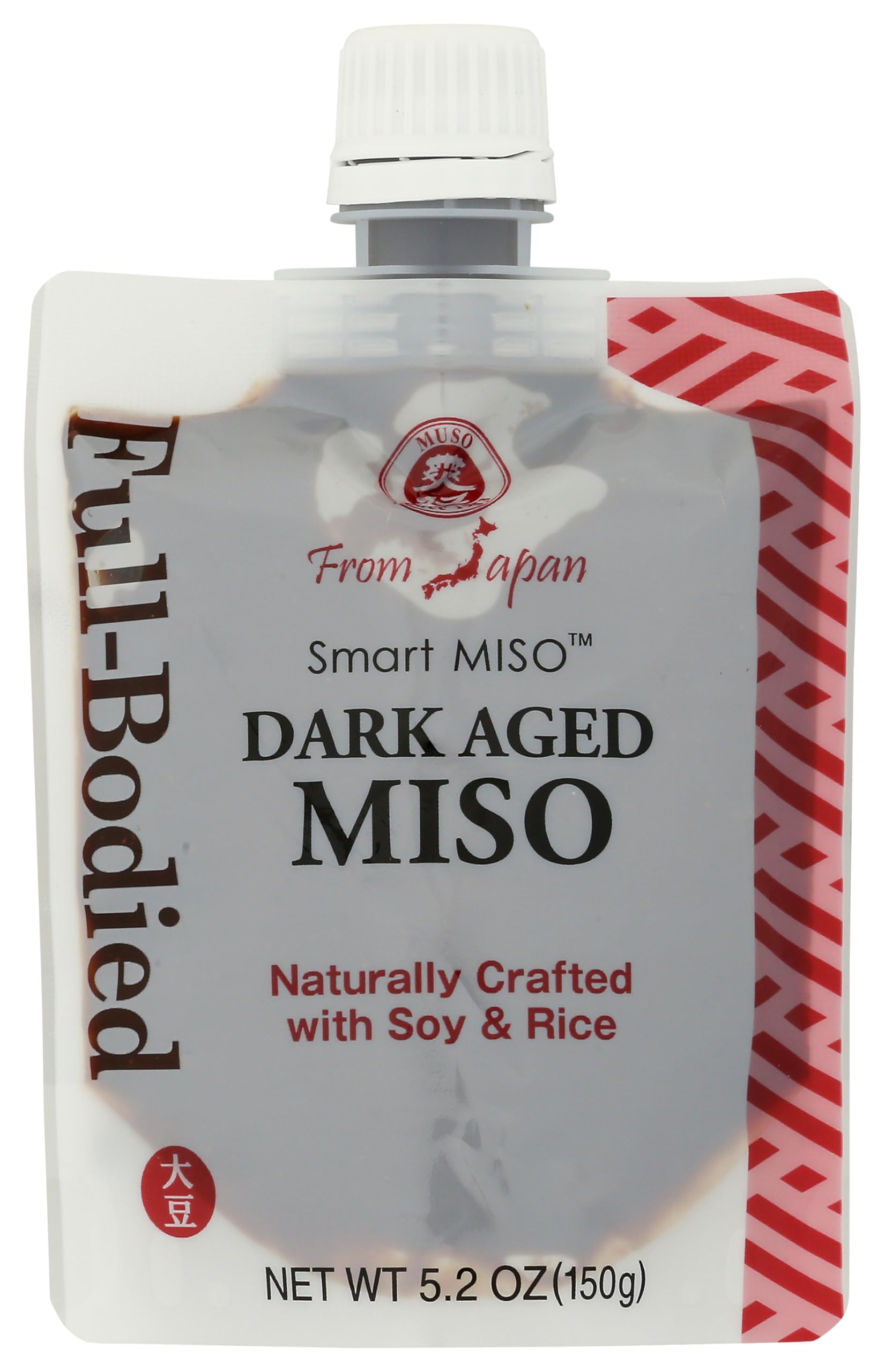
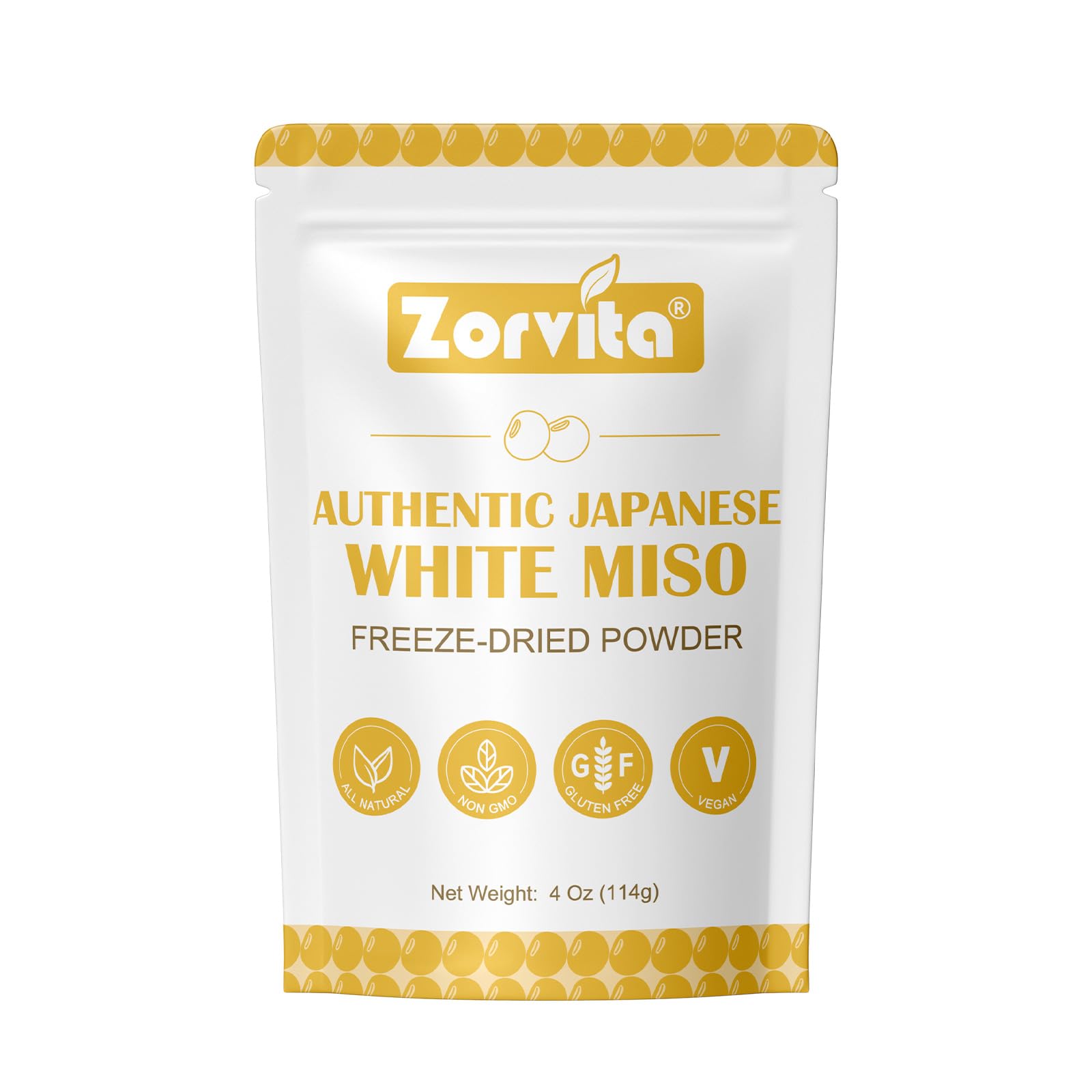

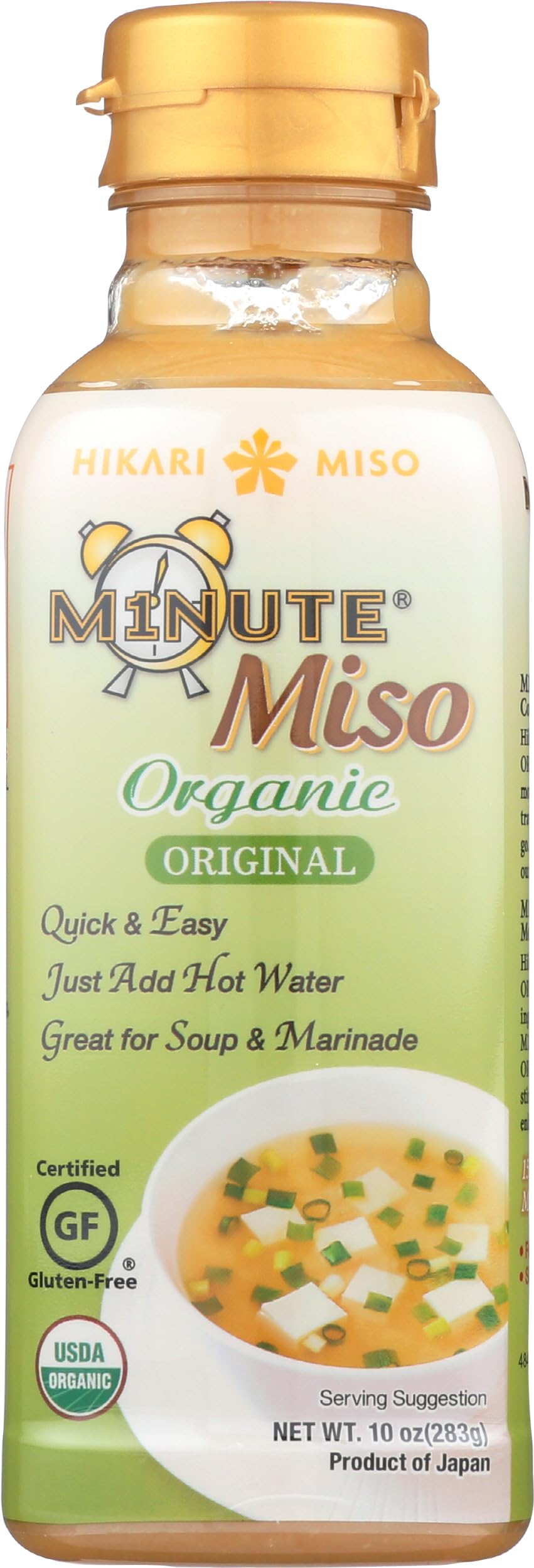
Miso: a paste that is older than the kitchen it sits in
Miso is fermented soybean paste, and it is the backbone of Japanese cooking. A spoonful makes soup, a spoonful makes a marinade, and a spoonful stirred into a dressing makes vegetables taste finished. The range is enormous: sweet white paste from Kyoto, dense red paste from Aichi matured for years, and everything between.
From China to the Japanese table
Fermented soybean pastes existed in China long before they appear in Japanese records, and the technique travelled with Buddhism and with the written word. By the seventh century there are references to preserved seasonings in Japan, and by the Heian period miso was being made in temples and at court, initially as much a way of preserving soybeans as a flavouring.
It became a food of the samurai household and then of the ordinary kitchen, because it turned an inexpensive crop into something salty, savoury and storable. Miso soup with rice was, for centuries, the standard Japanese breakfast, and the phrase ichiju issai, one soup and one dish, describes the shape of a meal that miso made possible.
How it is made
Three ingredients do the work: soybeans, salt and koji. Koji is rice or barley inoculated with a mould, Aspergillus oryzae, which Japan has cultivated for more than a thousand years and which the country's brewers call their national fungus. The koji breaks down proteins and starches into amino acids and sugars, and the salt keeps the process safe while it happens.
The mixture is packed into cedar vats and left for weeks or years. Short fermentation gives a lighter, sweeter paste; long fermentation gives a darker, saltier one with more depth. Stirring and temperature control are the brewer's craft, and a good hatcho miso may sit for two or three years before it is sold.
The main families
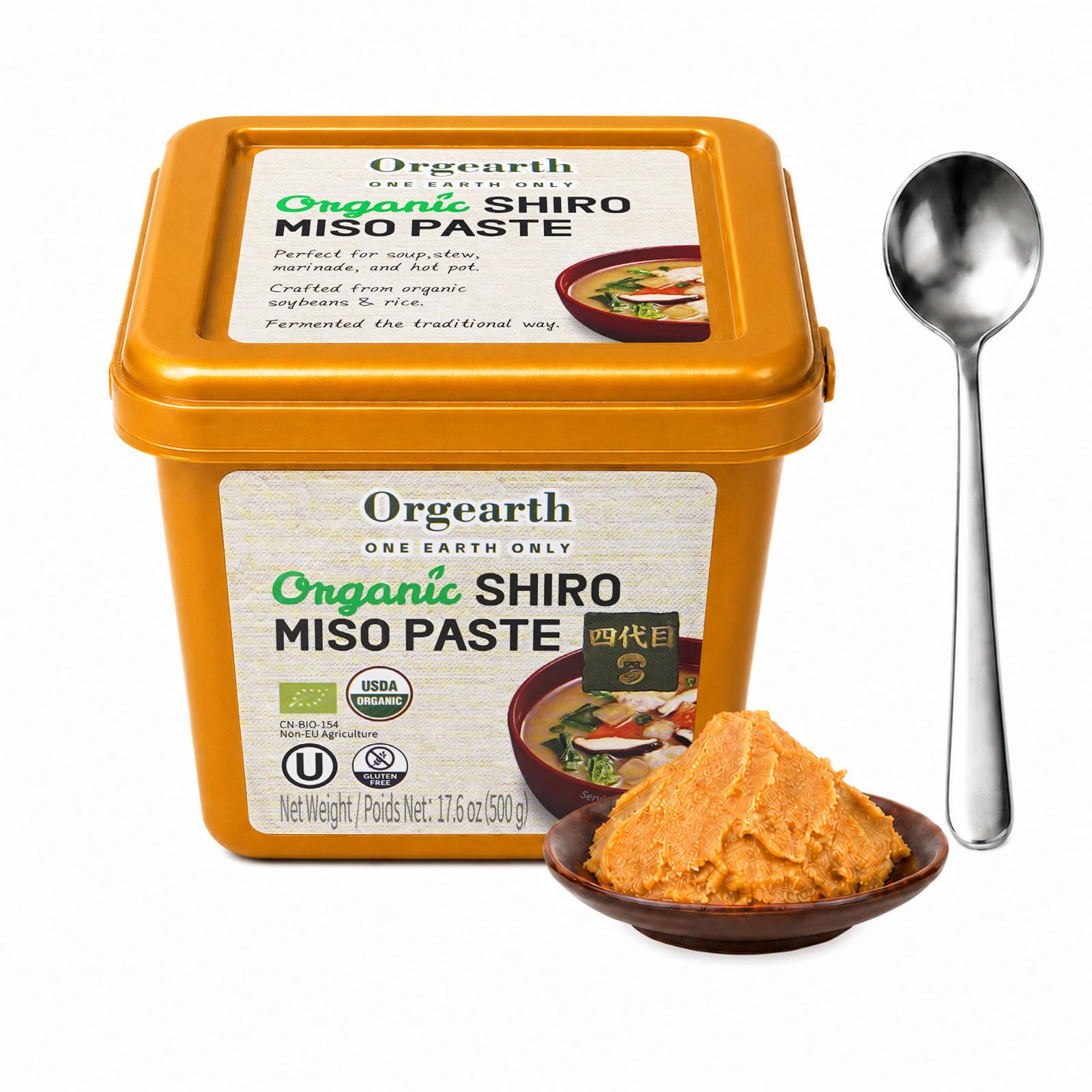
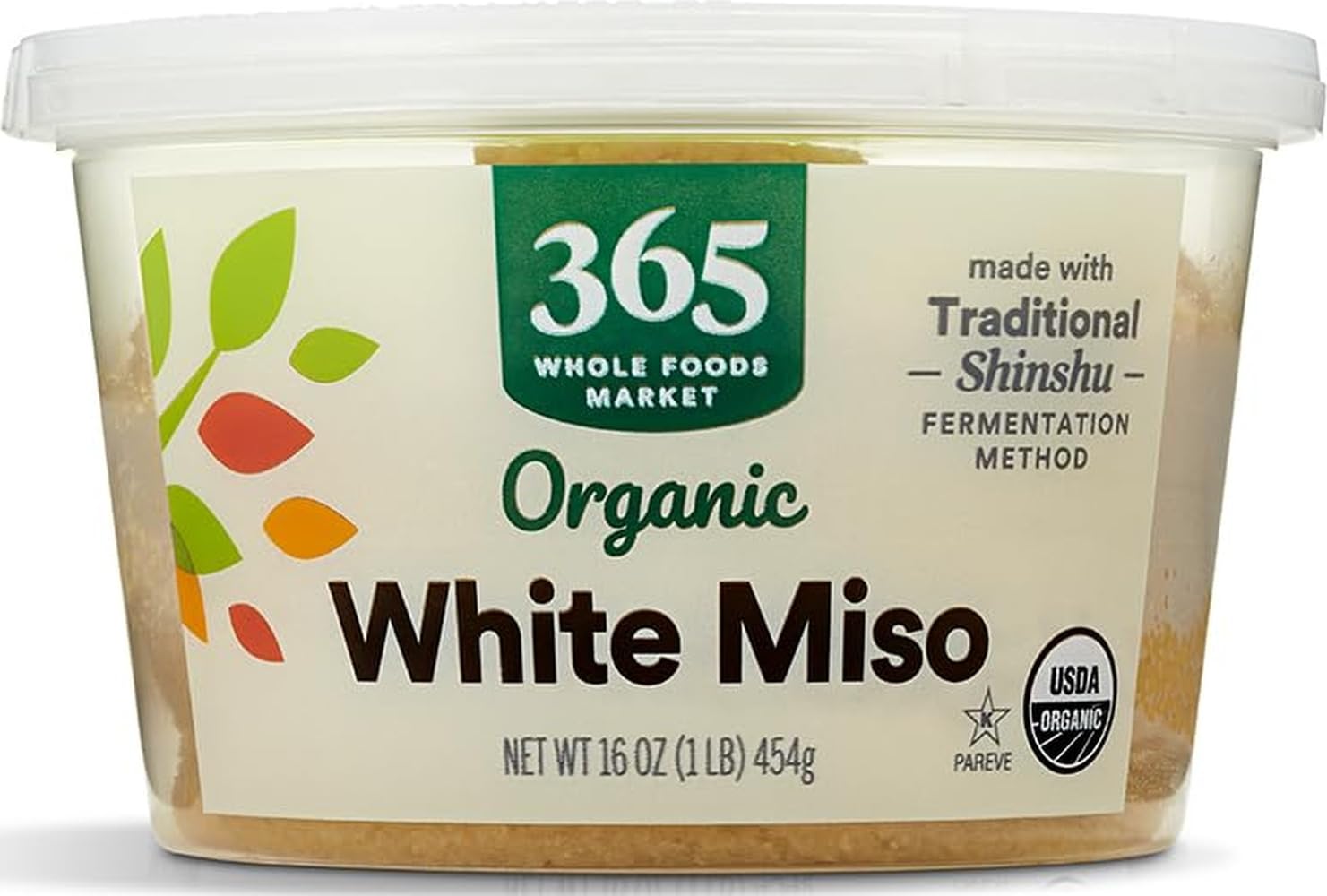
White miso, shiro, is young and sweet, made with a high proportion of rice koji, and it is the one to use when you do not want the soup to taste of salt. It is the base of Kyoto's saikyo miso, which is sweet enough to use on fish and vegetables as a glaze. Red miso, aka, is older and stronger, aged longer and often barley based. Hatcho miso, from Okazaki in Aichi, is the darkest and firmest of the family, made with soybeans and very little grain.
Awase means blended, and most supermarket miso in Japan is a blend. Blending is not cheating: it is how a shop tunes salt, sweetness and depth for a house style. If you only buy one tub, an awase or a medium red is the most useful.
Beyond soup
A spoonful in a bowl of ramen broth or a donabe stew does the same job. Miso soup is the obvious use, made with kombu and bonito dashi and finished with tofu and wakame. But the paste does more: it marinades fish, glazes aubergine, thickens dressings, and adds depth to a stew. It also pairs naturally with soy sauce and mirin in a glaze, and with rice vinegar in a dressing.
One rule matters: do not boil miso. High heat kills the aroma and makes the soup taste flat. Turn off the heat, thin the paste with a little hot broth, then stir it in.
Keeping it
Miso is alive, so it keeps well but changes. Refrigerate after opening, keep the surface covered with plastic or parchment to stop it drying, and expect the colour to darken. White miso left for months will slowly become light brown and a little saltier, which is normal rather than spoiled. If it grows mould on the surface, scoop that part off; the paste underneath is usually fine.
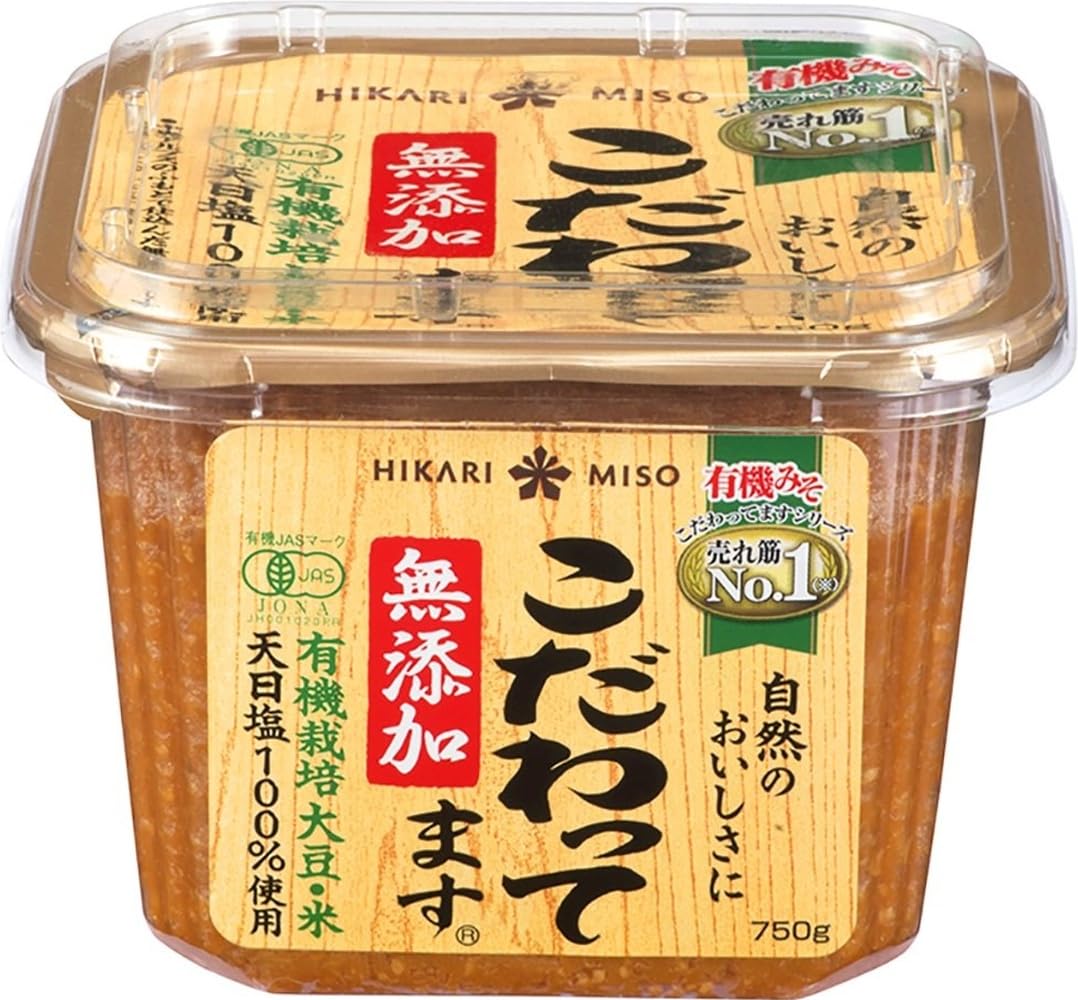
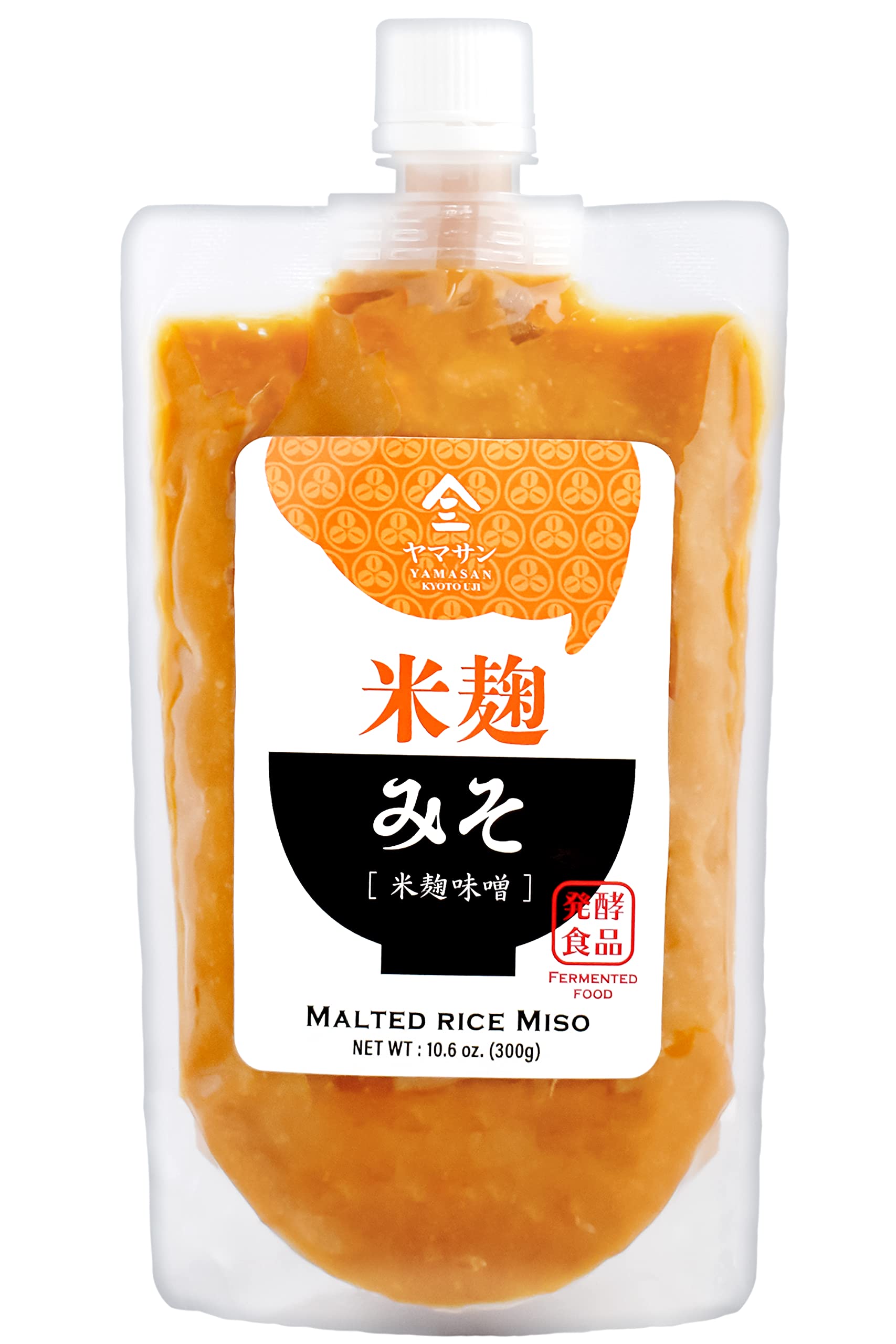
The tubs above cover white, red and blended styles. Buy a medium red for soup, a white for marinades and glazes, and you have most Japanese home cooking covered before you buy anything else.