Collection
Matcha
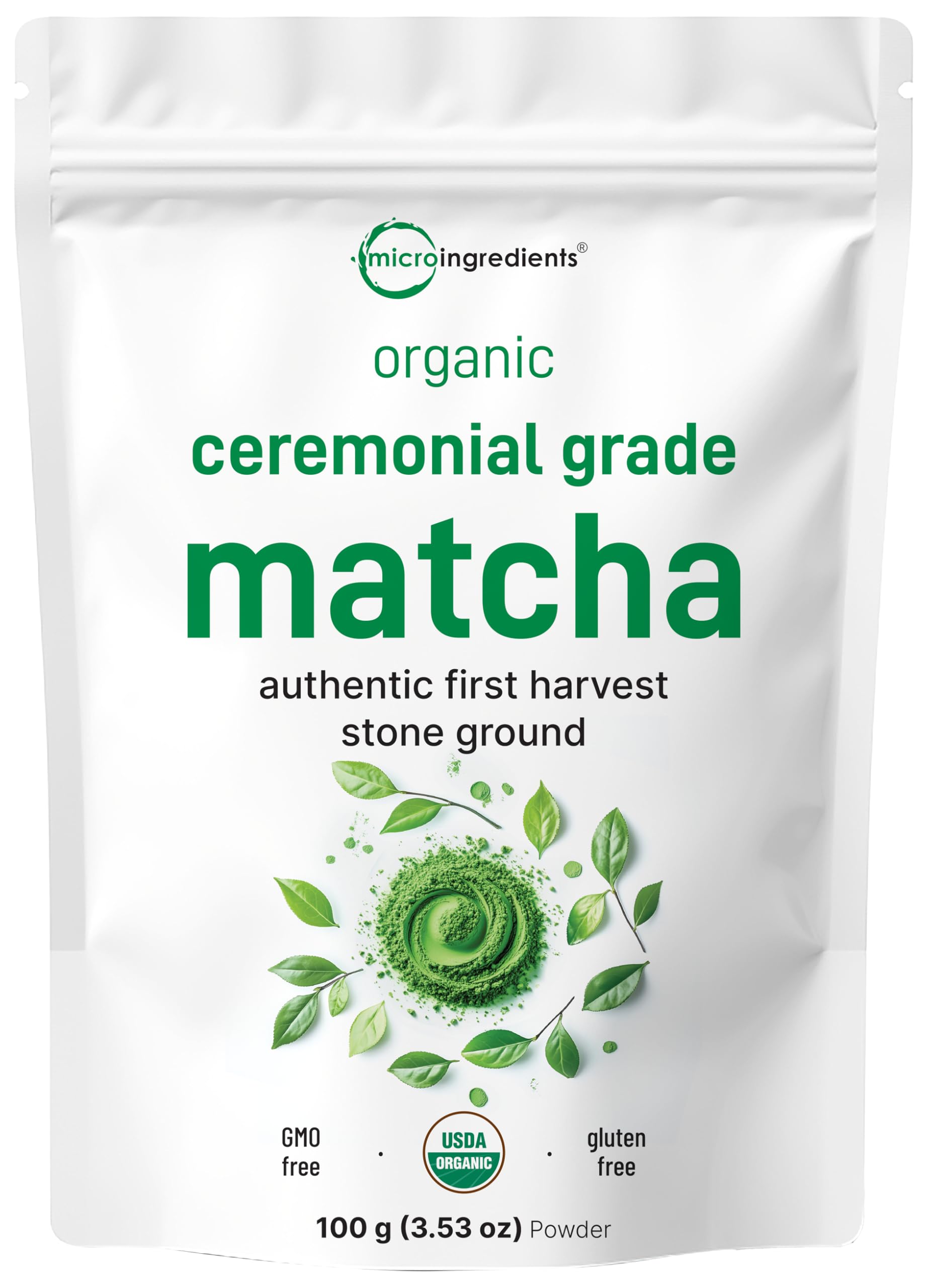
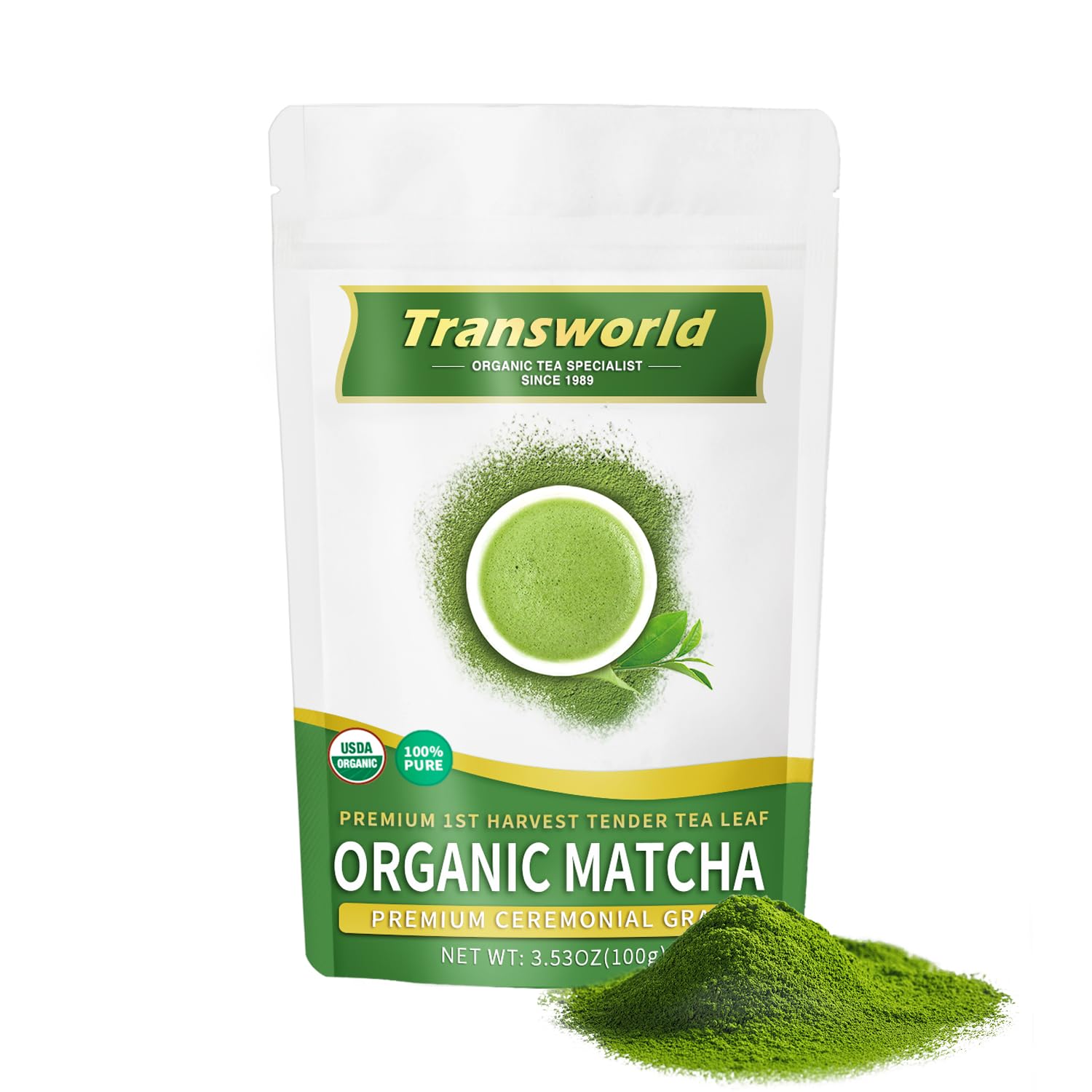
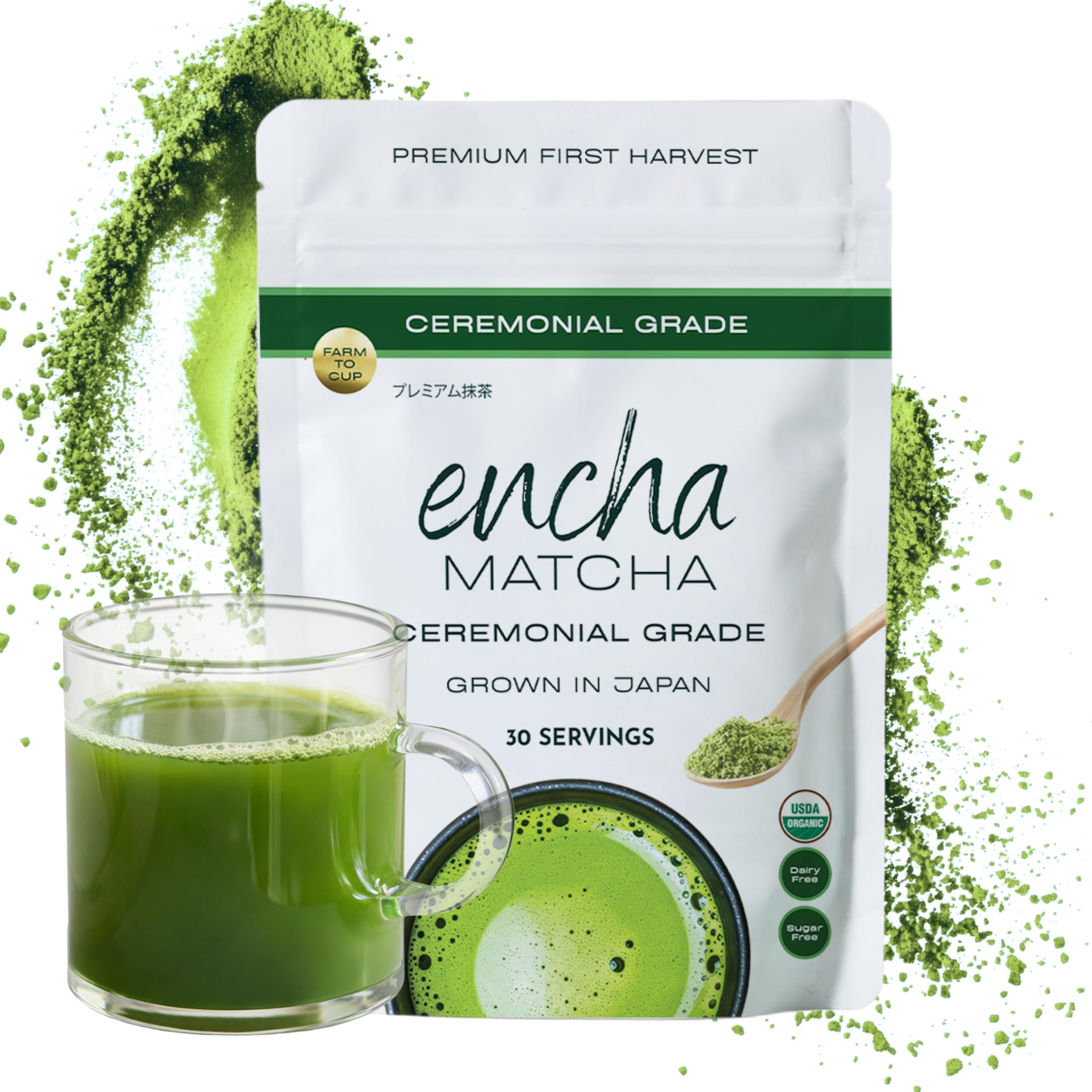
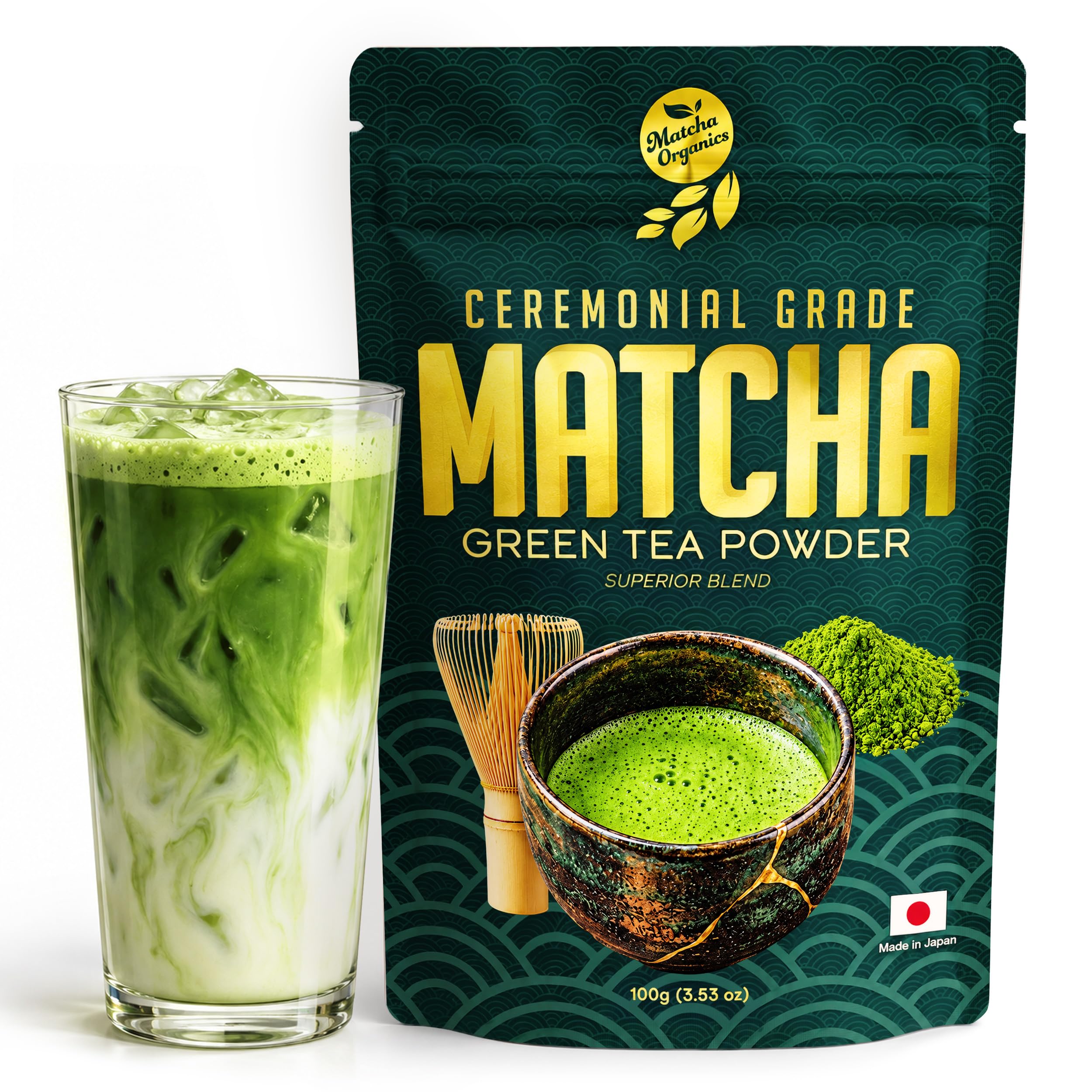
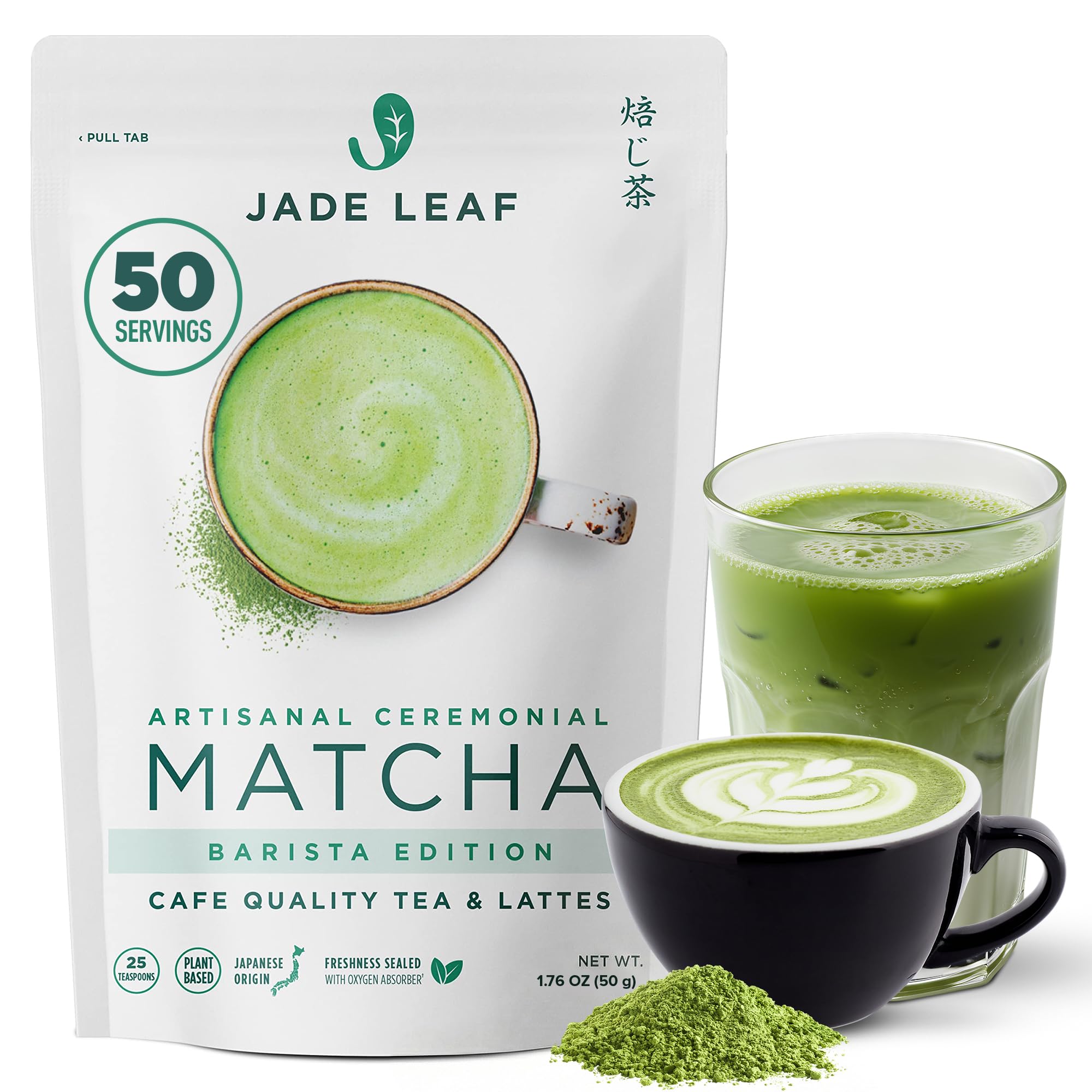
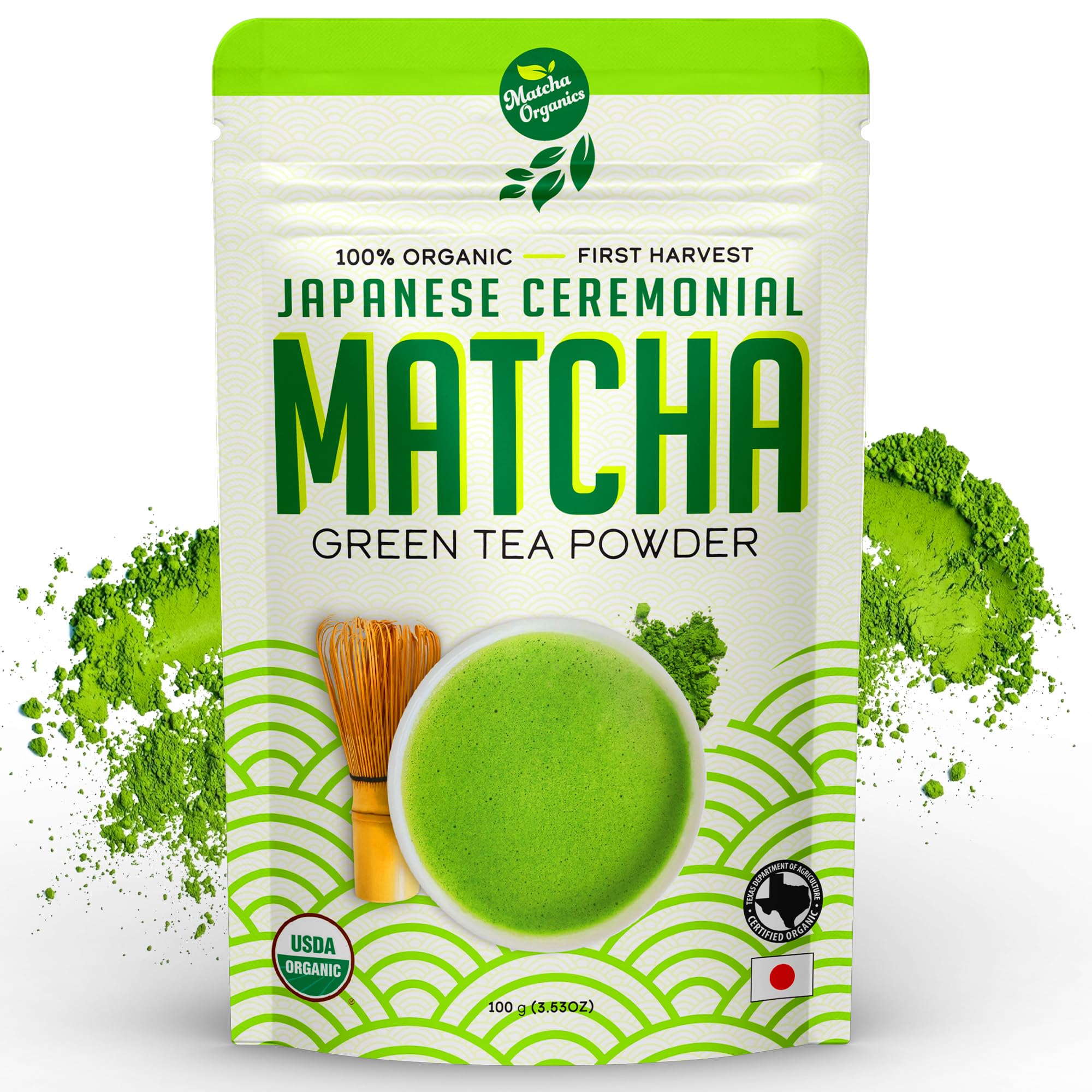
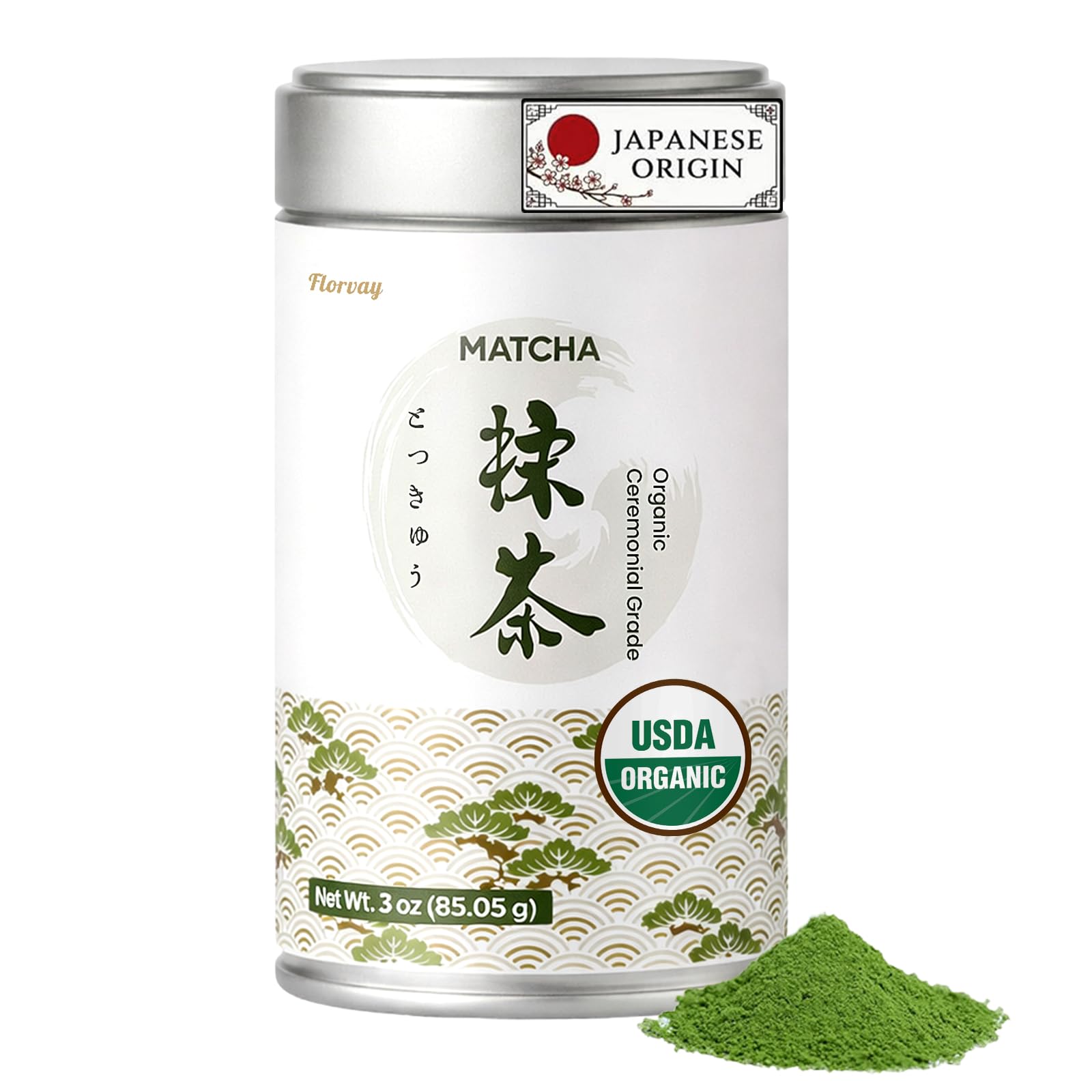
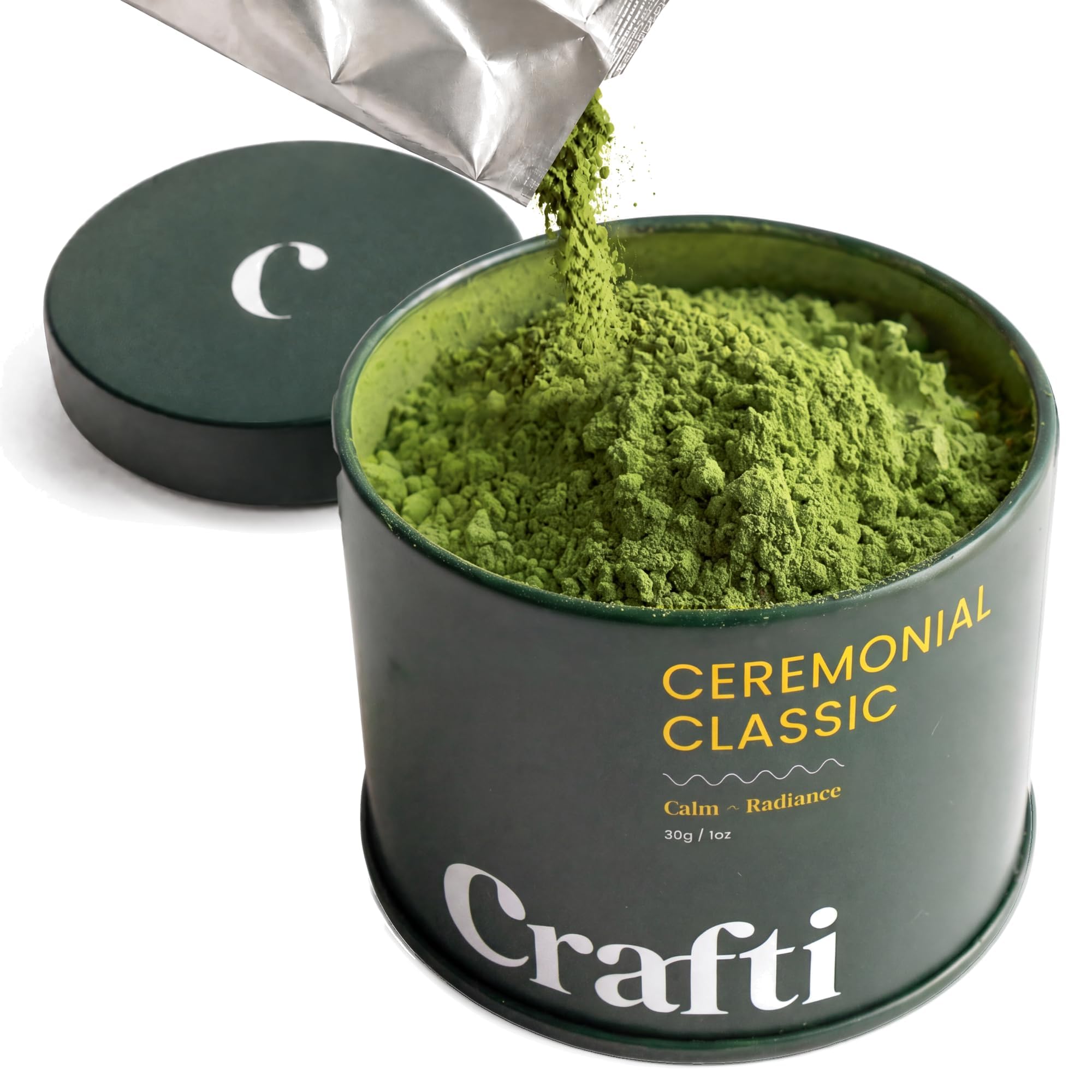
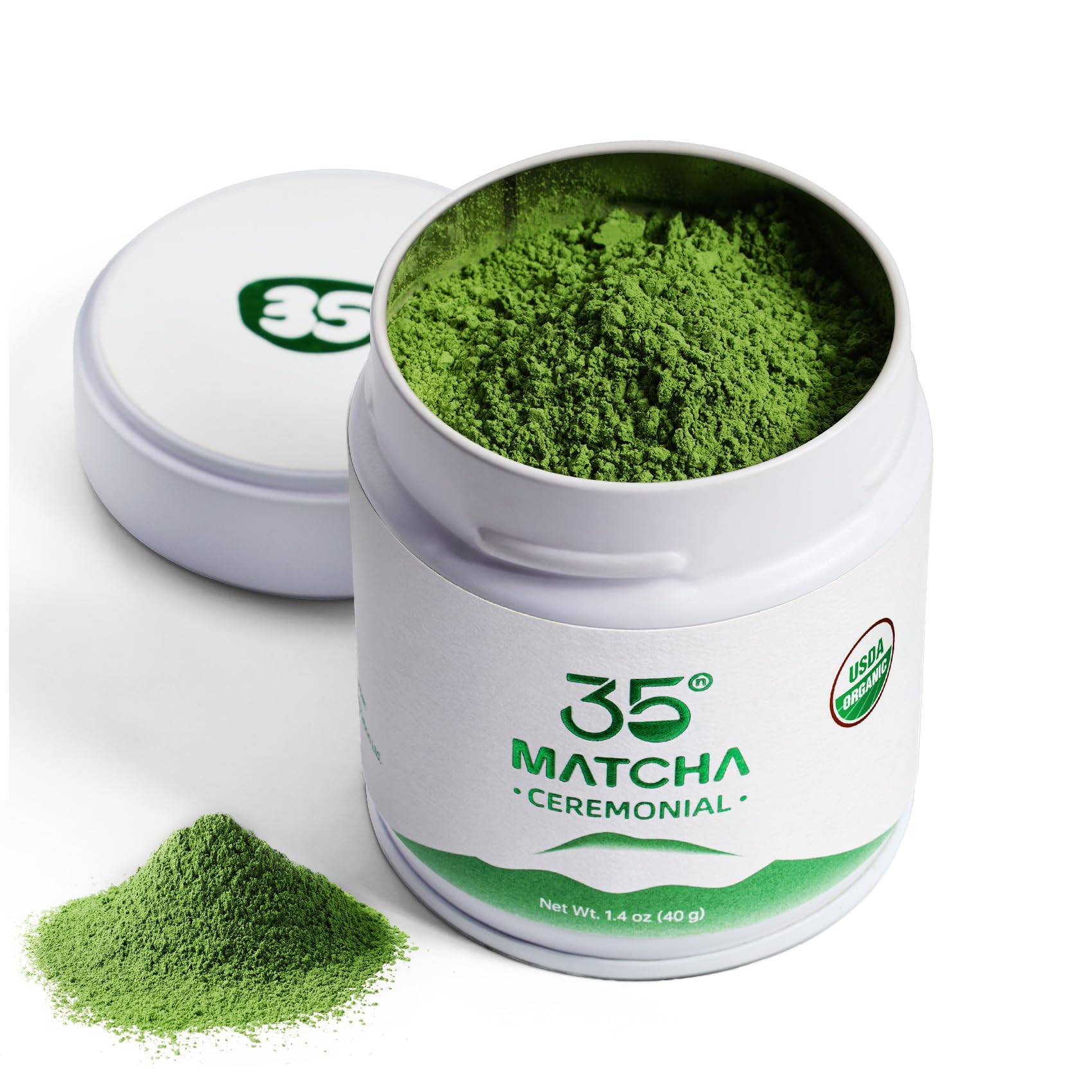
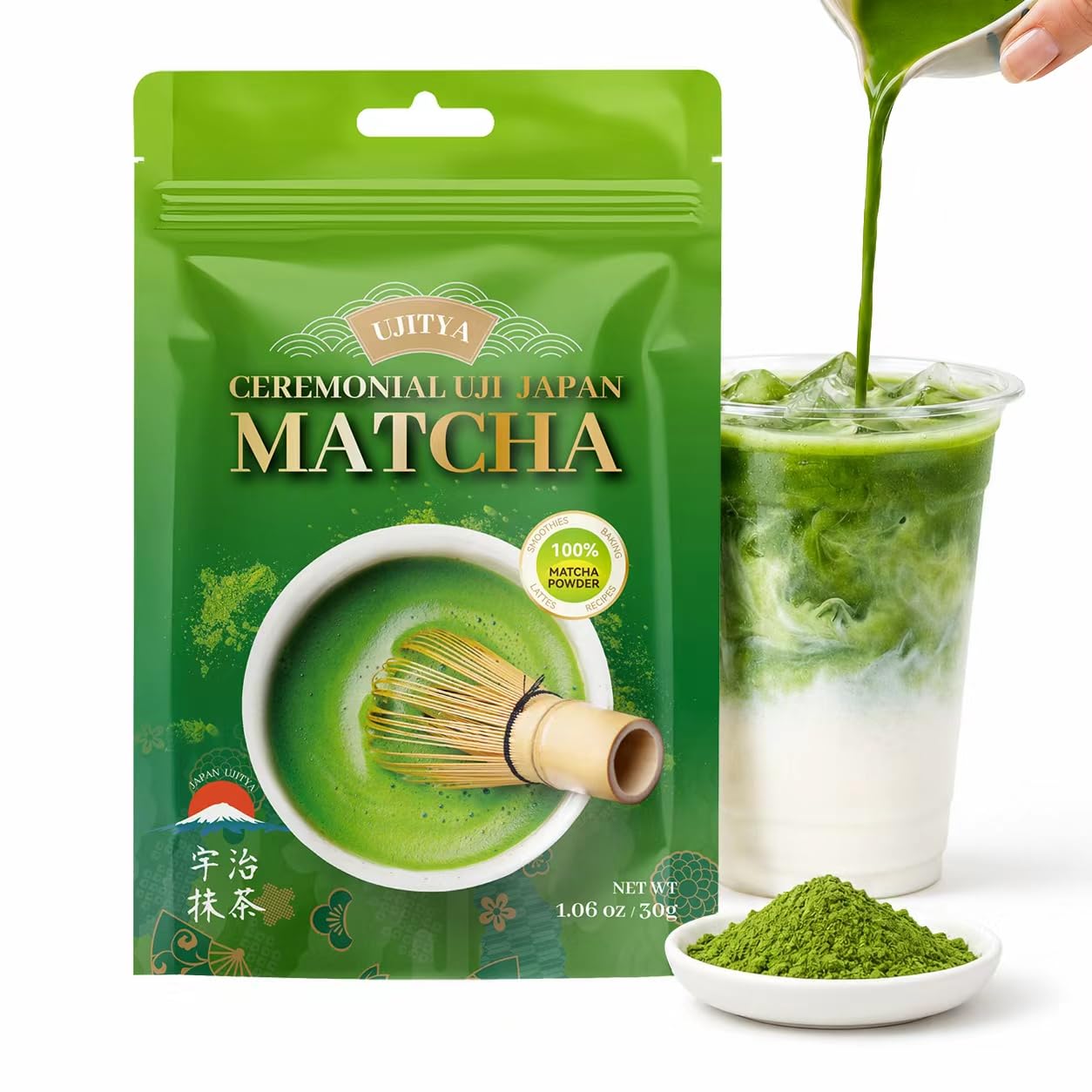
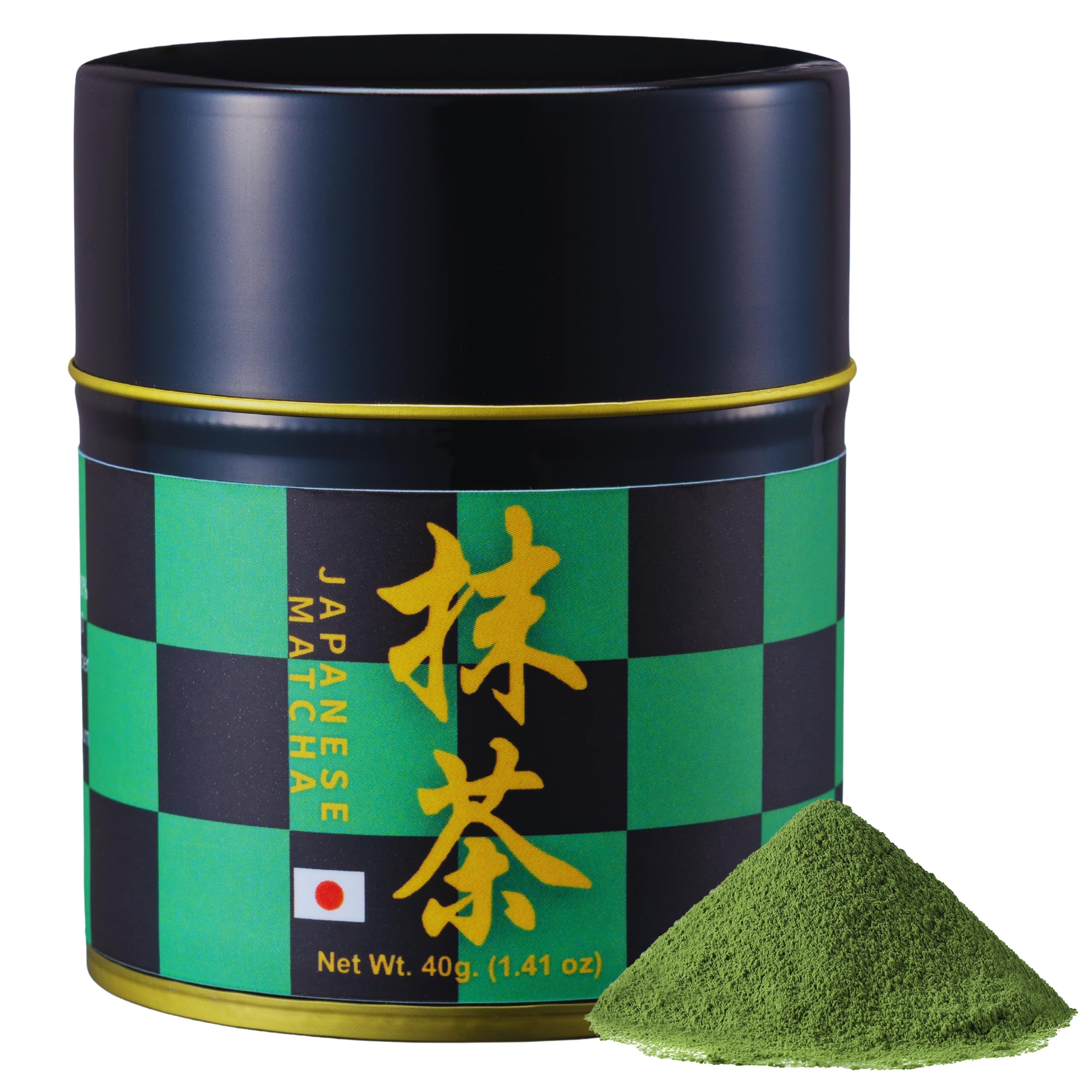
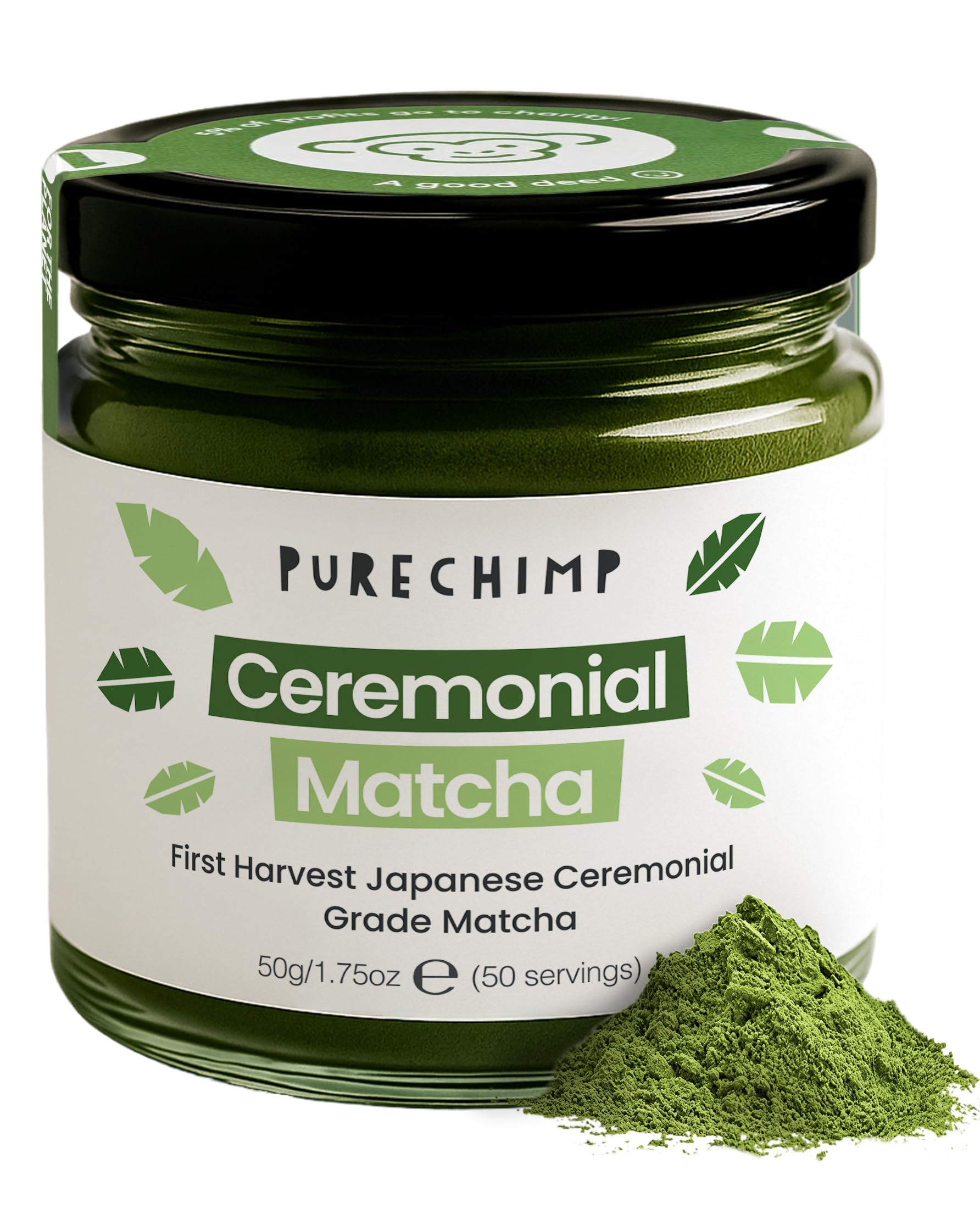
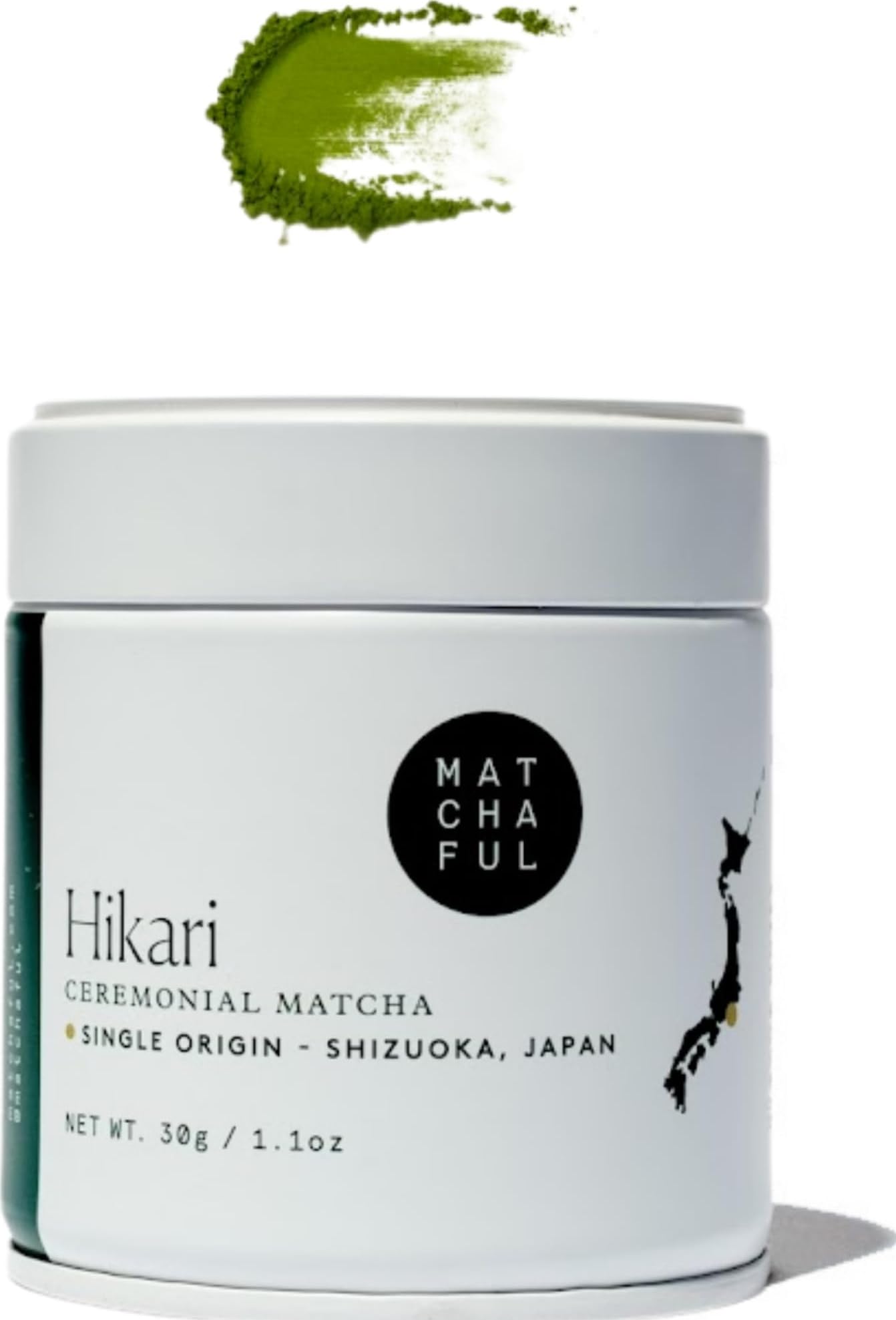
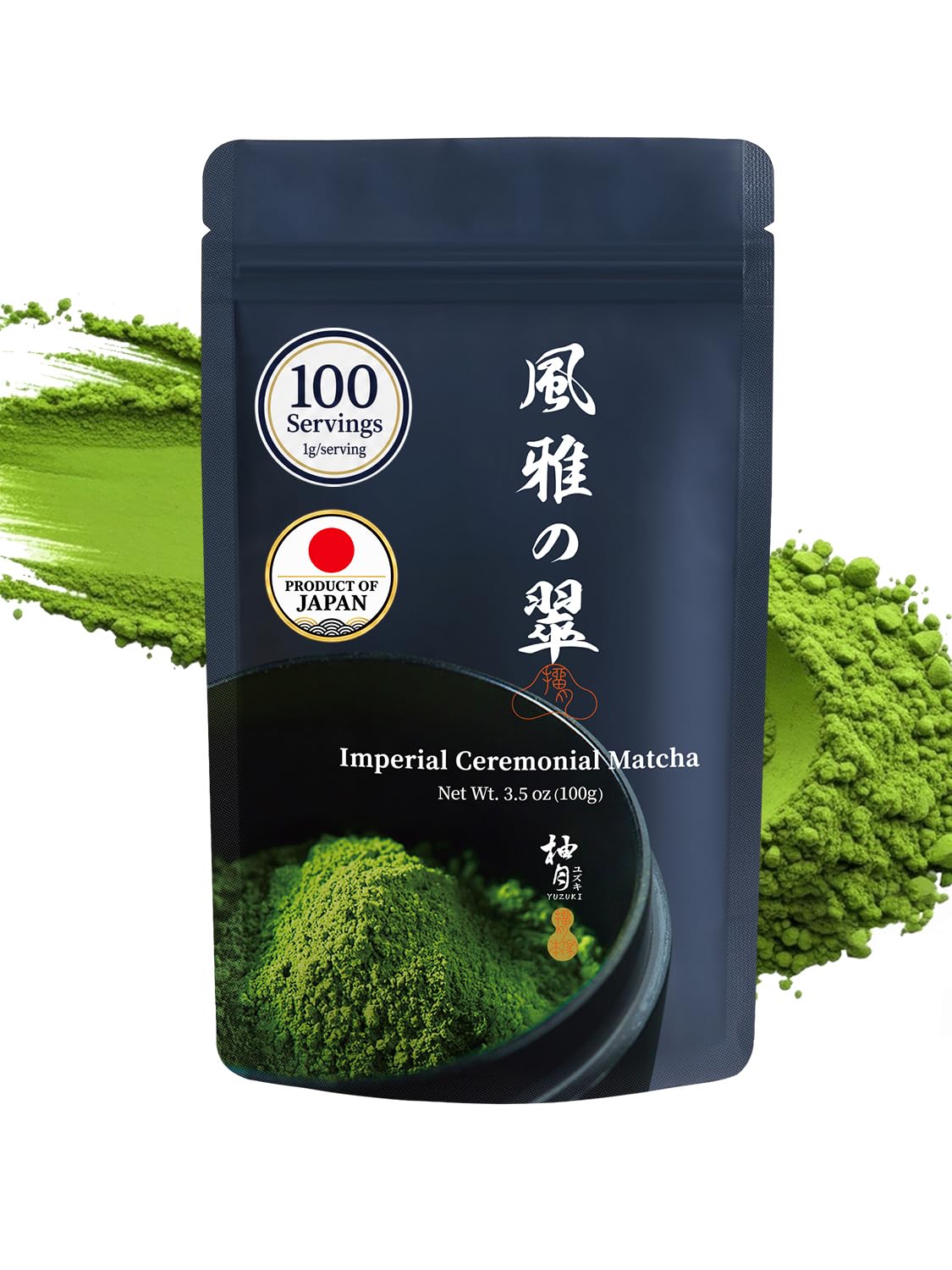
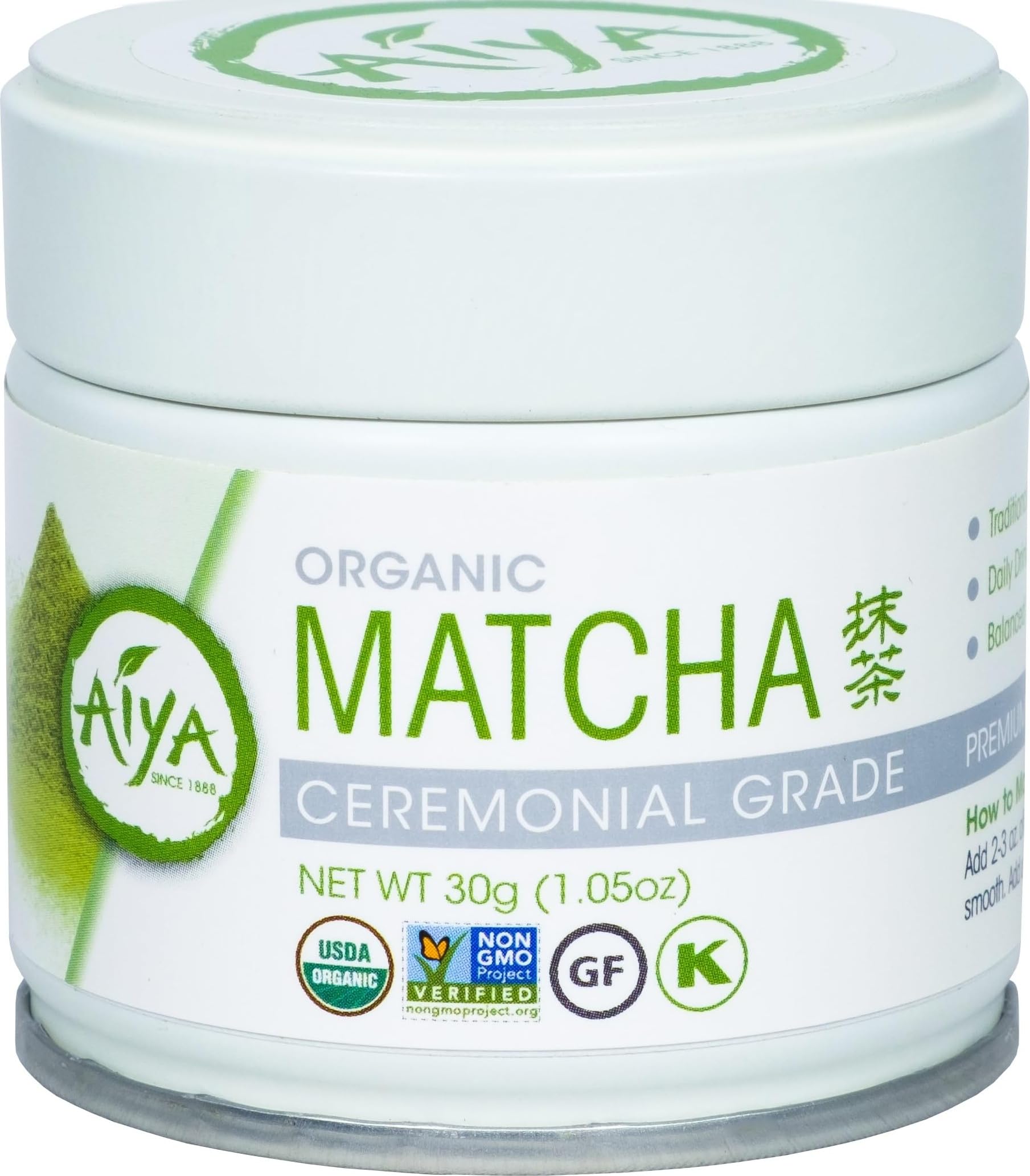
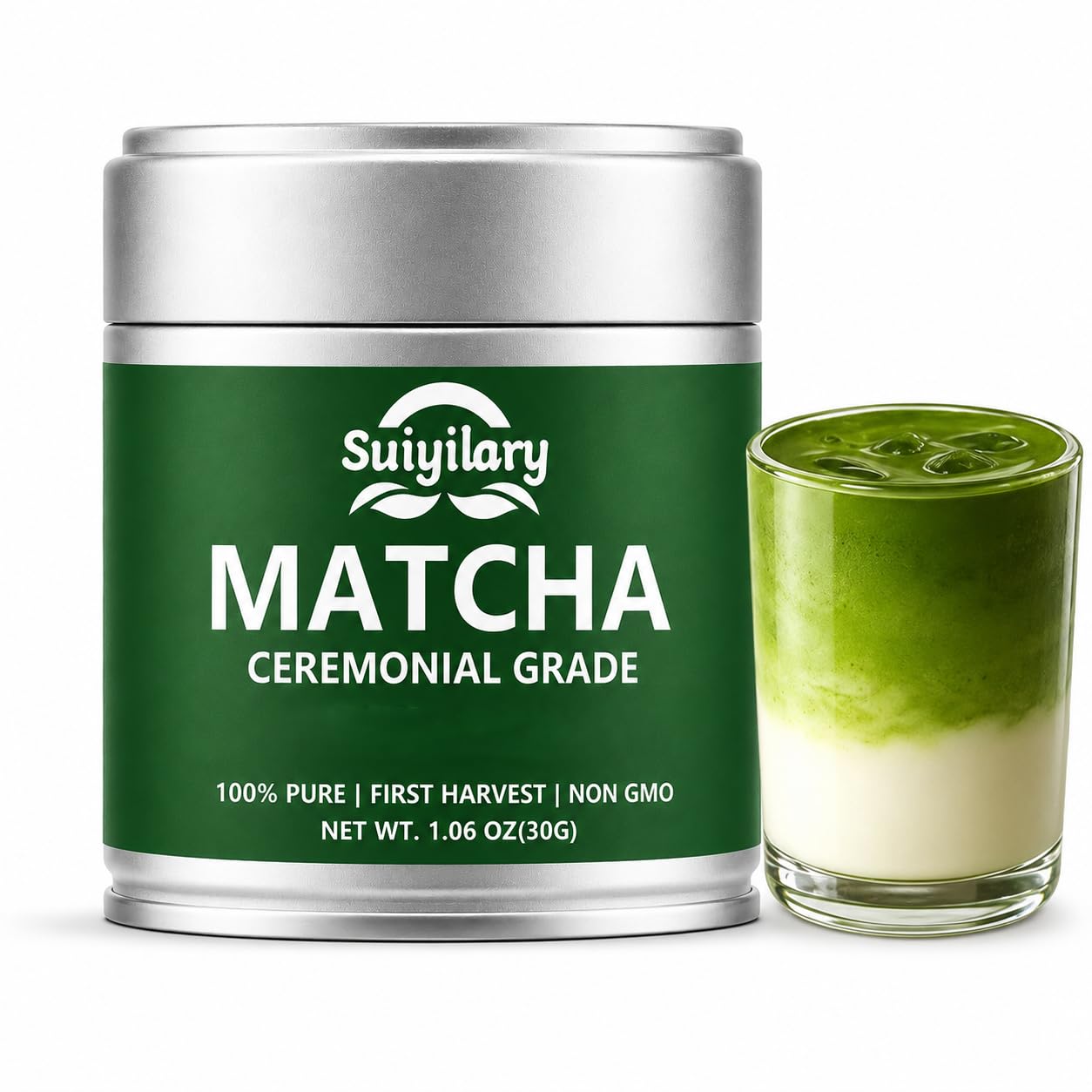
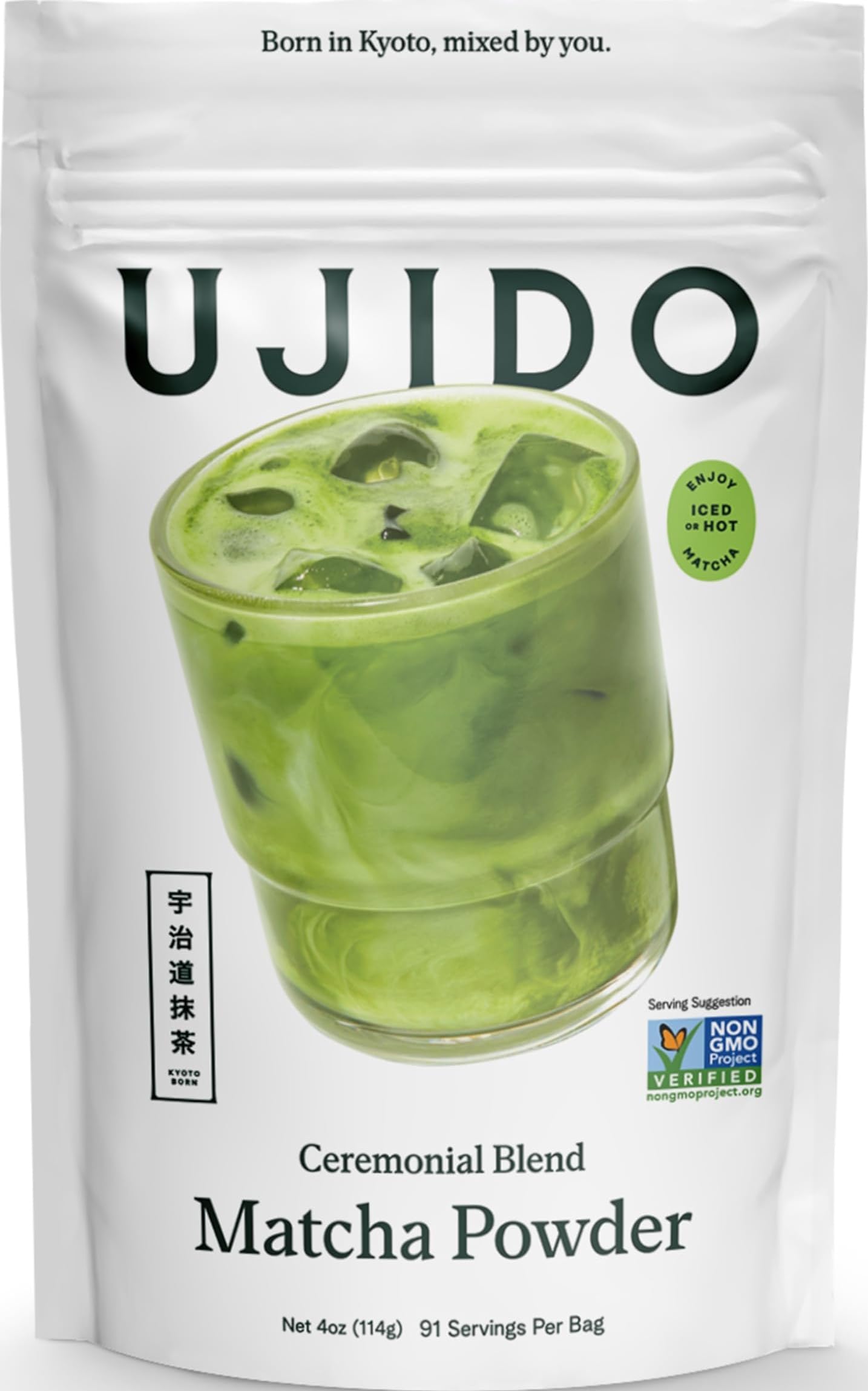
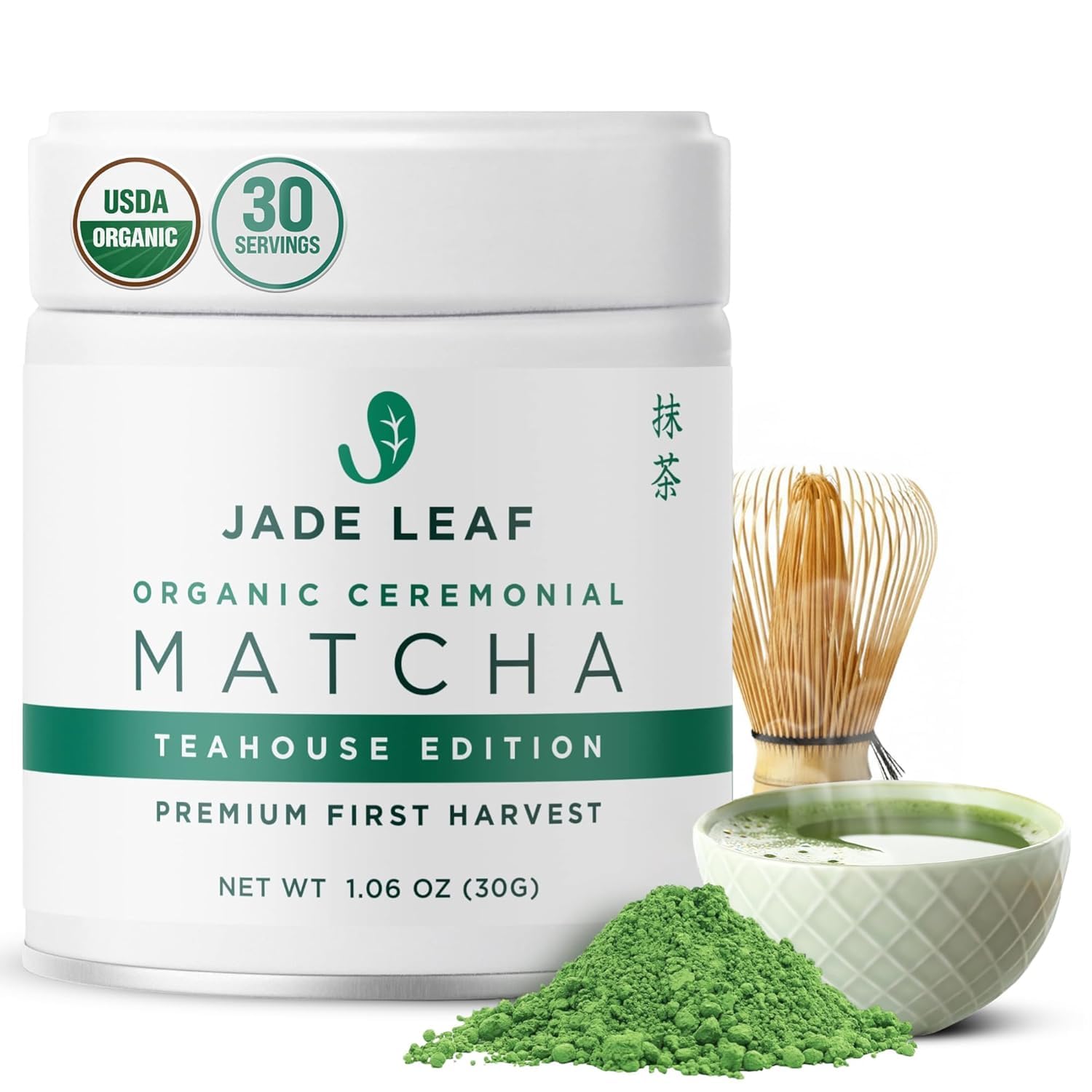
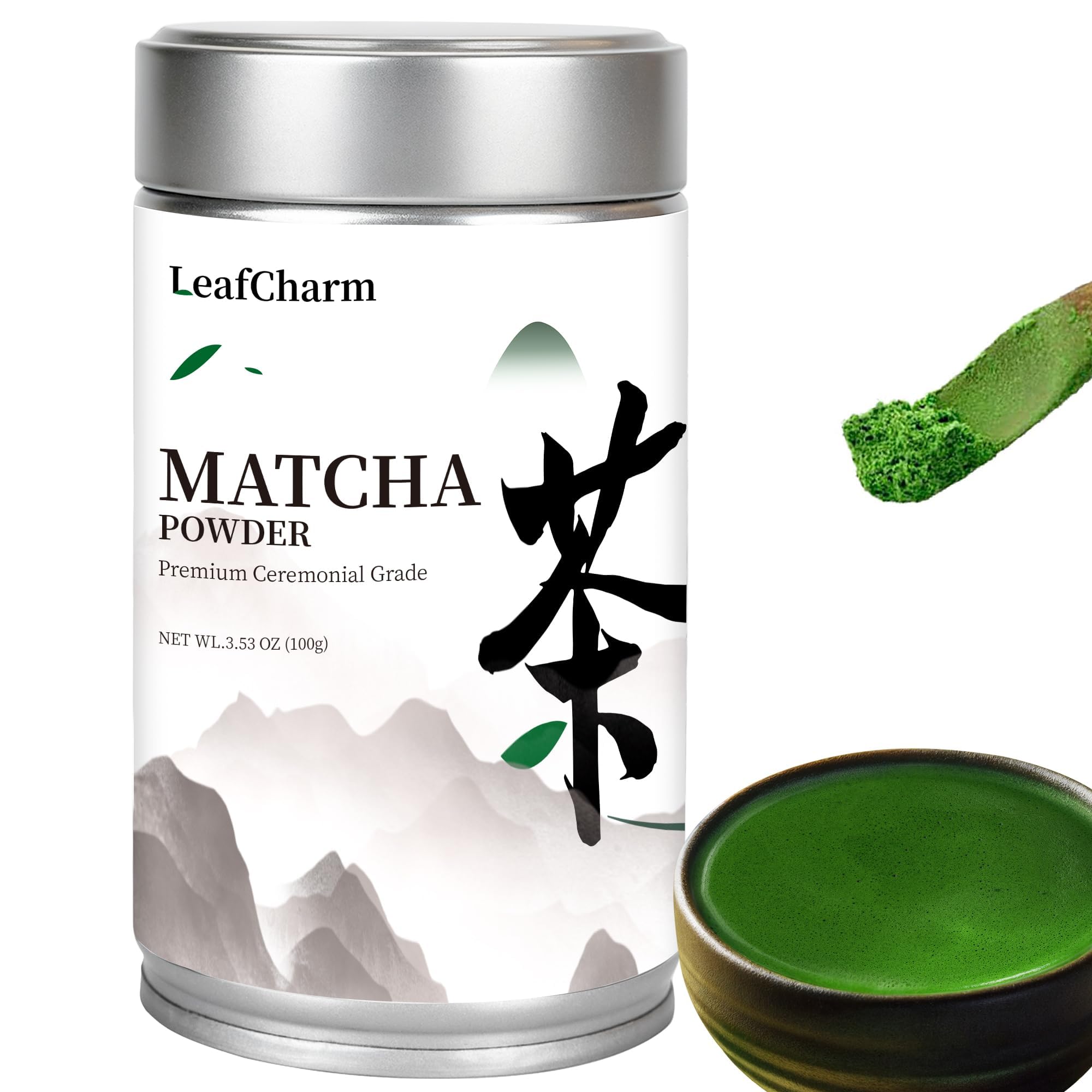
Matcha is ground green tea, and the grade decides the taste. Ceremonial grades are sweeter and meant for drinking with water. Culinary grades are bolder, cheaper, and better for lattes and baking. Below are the tins we would actually buy again.















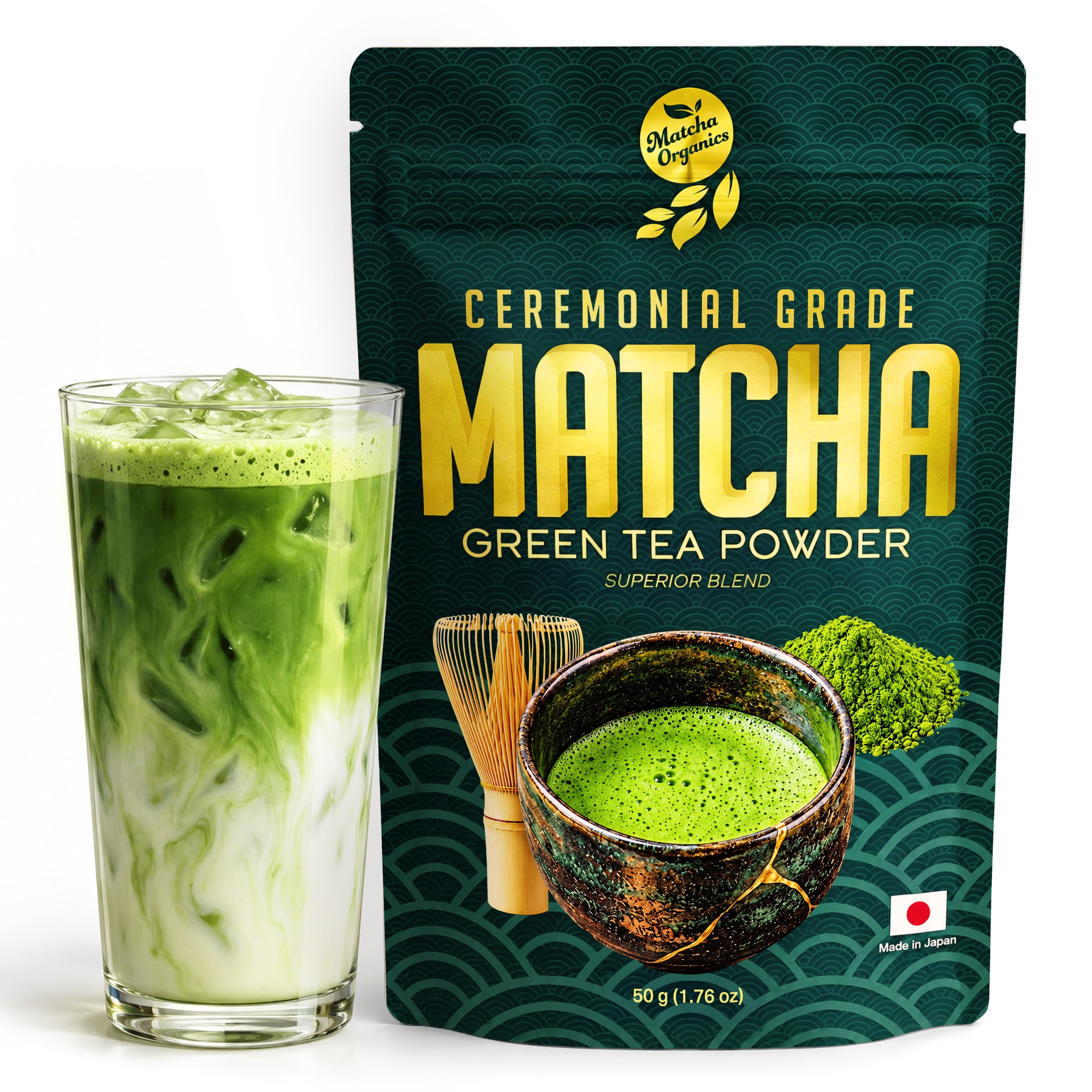


Matcha: grown in shade, drunk in one breath
Matcha is the only tea you eat rather than steep. The whole leaf, minus the stems and veins, is ground to a powder fine enough to stay suspended in water, so everything the plant contains ends up in the cup. That single fact explains most of what makes it expensive, fragile and unlike any other green tea.
A medicine before it was a ritual
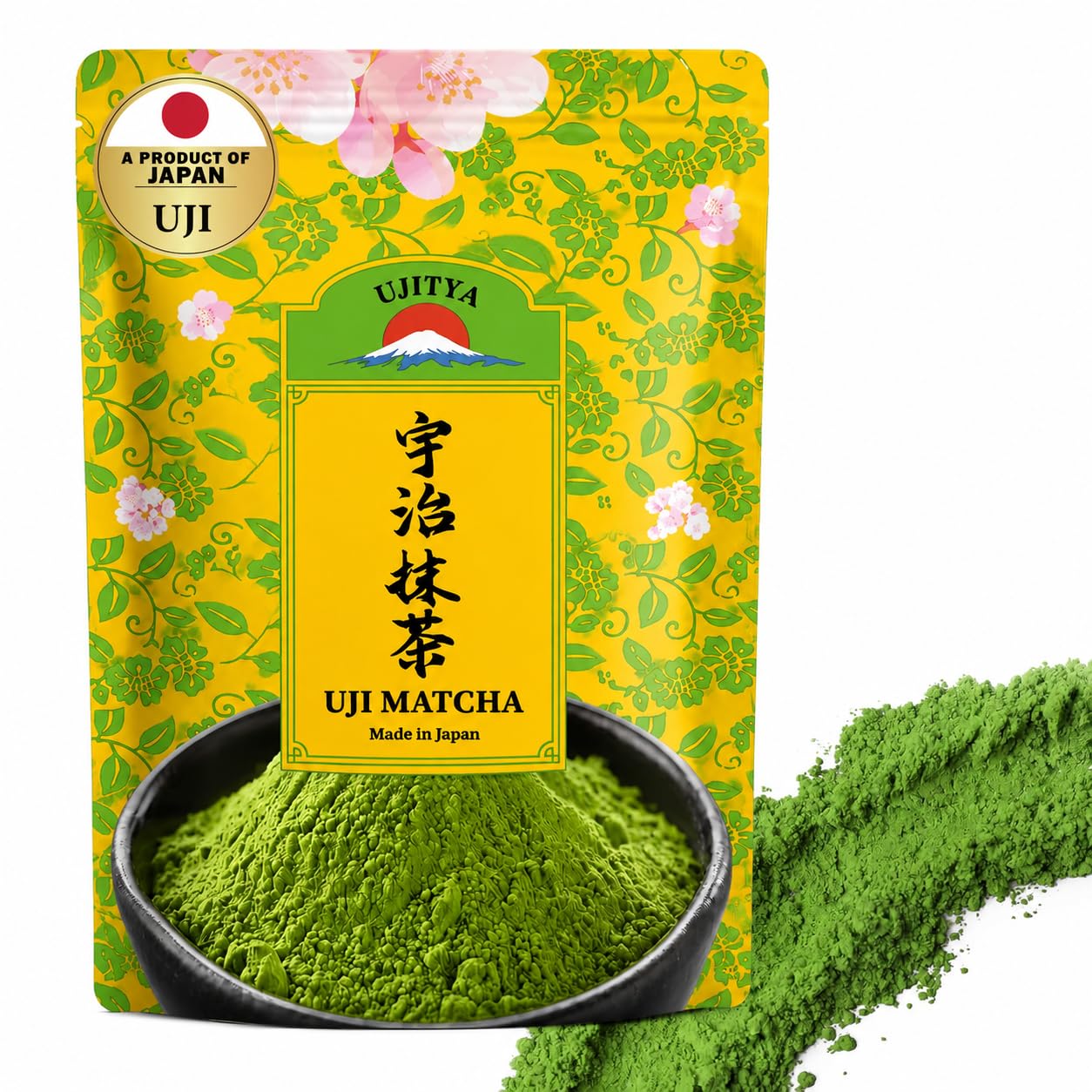
Powdered tea came to Japan from China, where it had been whipped in Song dynasty tea contests centuries earlier. The monk Eisai brought seeds and the method back in the twelfth century, and the practice took root inside Zen monasteries, where tea was drunk to stay awake during long meditation and treated as a medicine. The first seeds went to Uji, south of Kyoto, and Uji has been the reference point for Japanese tea ever since.
What changed over the following centuries was not the powder but the meaning. Tea moved out of the temple and into the houses of warriors and merchants, and by the sixteenth century Sen no Rikyu had codified chanoyu, the way of tea, around ideas of restraint and deliberate imperfection. A bowl of matcha became a test of attention rather than a drink.
The shade is the trick
Two or three weeks before harvest, matcha fields are covered with screens that cut most of the sunlight. The plant responds by producing more chlorophyll and more of the amino acids that taste savoury, which is why good matcha is deep green and has a sweetness underneath the bitterness. Leaves grown in full sun taste sharper and thinner.
The shaded leaves are steamed, dried and stripped of stems and veins to make tencha, then ground between granite millstones. The mills turn slowly, roughly thirty to forty grams an hour, because friction heat would damage the aroma. This is the least glamorous fact in the whole process and the one that explains the price: a small tin represents hours of stone turning.
Grades, harvests and regions
Ceremonial grade is made from the first spring harvest, ground fine and sweet enough to drink with water alone. Culinary grade uses later leaves, is more astringent and is meant for milk, sugar and baking. The label tells you less than the colour and the smell: fresh matcha is bright, almost neon green, and smells of cut grass and cream. Dull olive powder has usually been sitting in a warehouse.
Uji remains the historic name, but Nishio in Aichi, Kagoshima in the south and Yame in Fukuoka now produce excellent tea, and Kagoshima in particular supplies a large share of the volume available outside Japan. First harvest leaves, ichibancha, are the ones worth paying for.
Whisking, which is a skill
Matcha is made with water around eighty degrees, never boiling, and a bamboo whisk called a chasen. Sift the powder first to break up clumps, add a small amount of water, whisk in a tight zigzag until a fine foam forms, then top up. Thick tea, koicha, uses far less water and a slower motion; thin tea, usucha, is what most people mean by a cup.
The bowl matters more than beginners expect. A wide chawan gives the whisk room to move, and a narrow cup turns the whole thing into a mess.
Keeping it alive
Ground tea oxidises far faster than leaf tea, because every particle is exposed. If you want a cup that forgives a rushed morning, sencha and hojicha are the easier habit. Buy a size you will finish in six to eight weeks, keep the tin sealed and cold if you have space, and never store it next to spices. If your matcha has gone flat and yellow, no amount of whisking will bring it back.
The teas above run from everyday culinary powder to first harvest ceremonial tins. If you are starting out, buy a mid-priced ceremonial grade and a bamboo whisk before spending more on the tea itself, since the whisk changes the result more than an extra ten pounds on the tin.