
Collection
Sauces
Japanese cooking leans on a small set of bottles: soy for salt and depth, mirin for sweetness and shine, ponzu for citrus, kewpie mayo for richness. One bottle often replaces three Western ones.







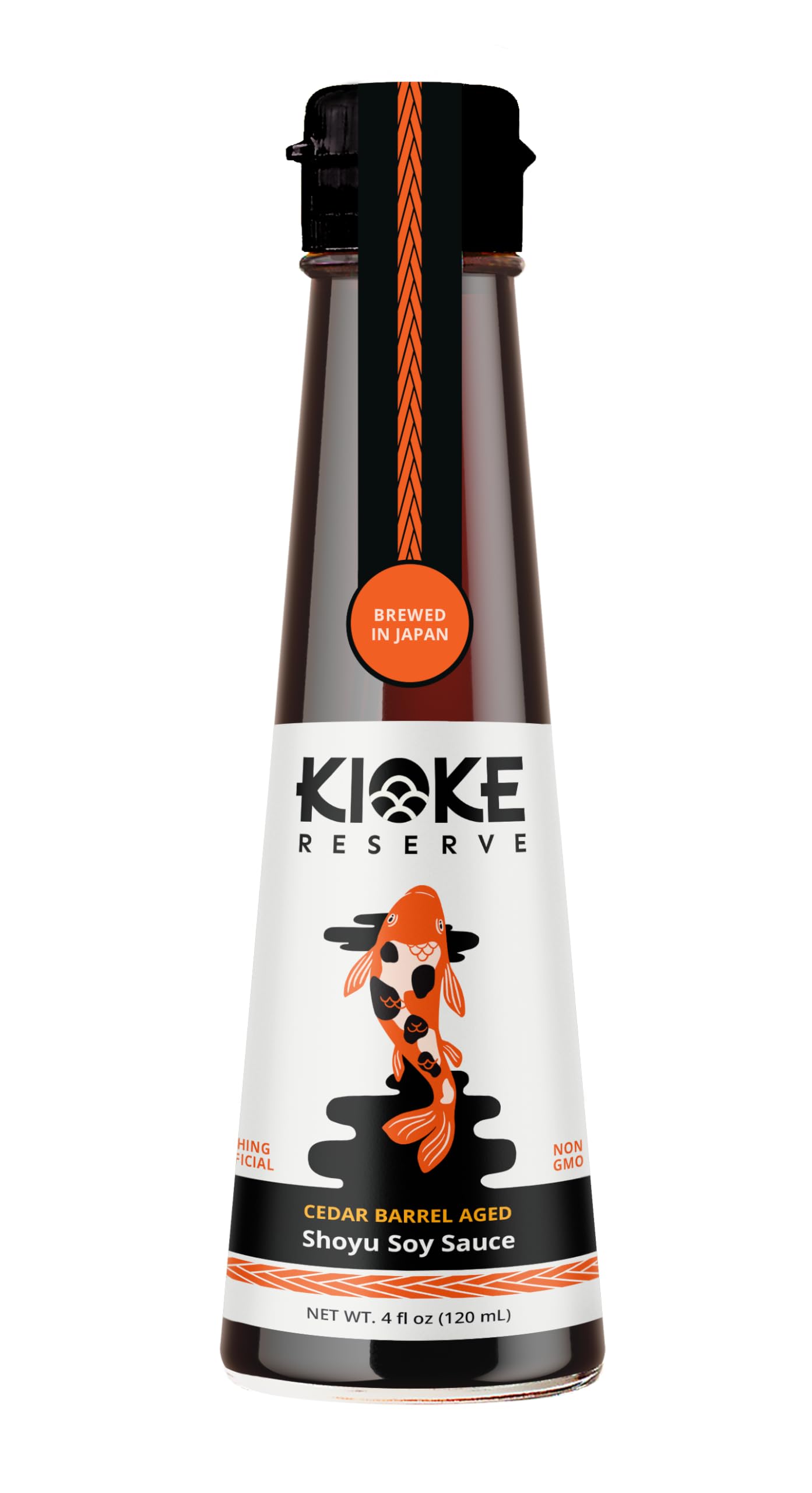

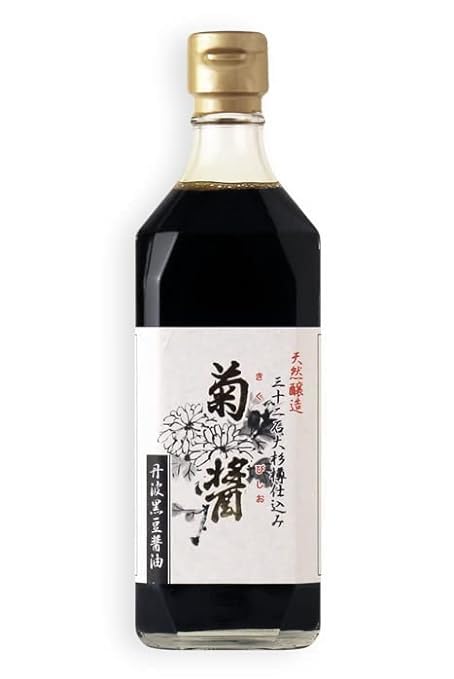

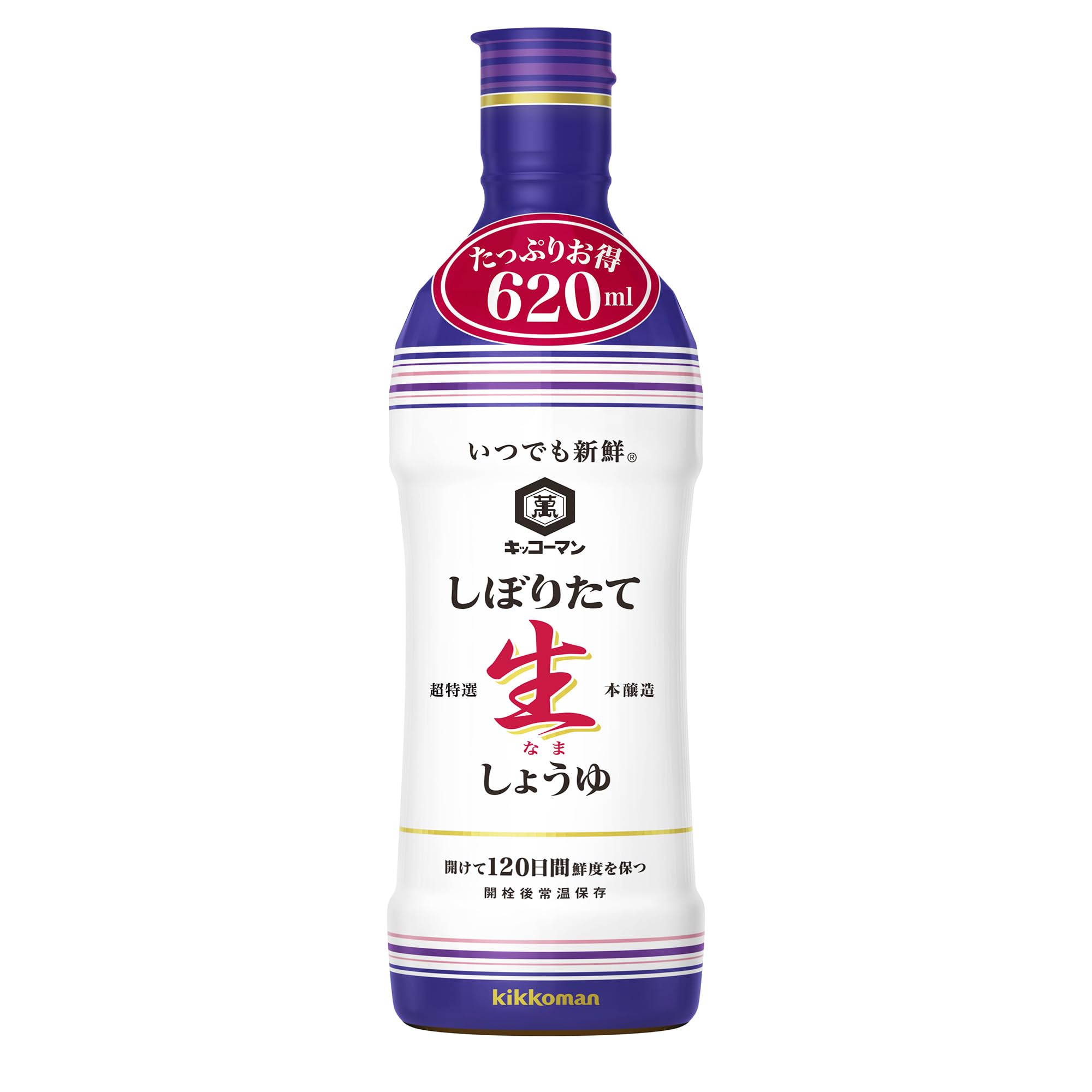


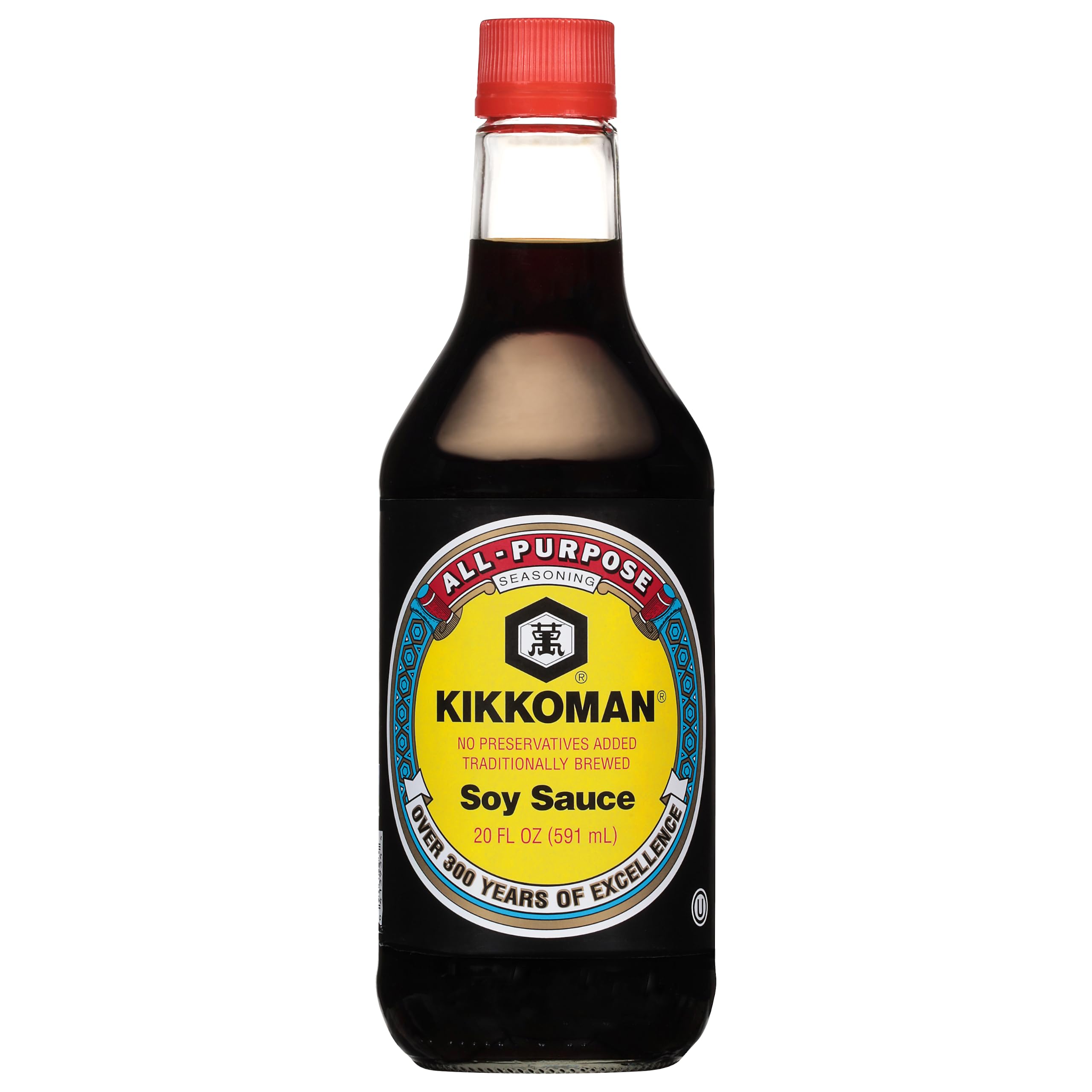




Sauces: the bottles that carry Japanese flavour
Japanese cooking runs on a short shelf of bottles. Soy sauce for salt and depth, mirin for sweetness and shine, ponzu for citrus, mirin and vinegar for the balance underneath. Learn four of them and most of the recipes stop looking foreign.
Soy sauce, a brewing tradition
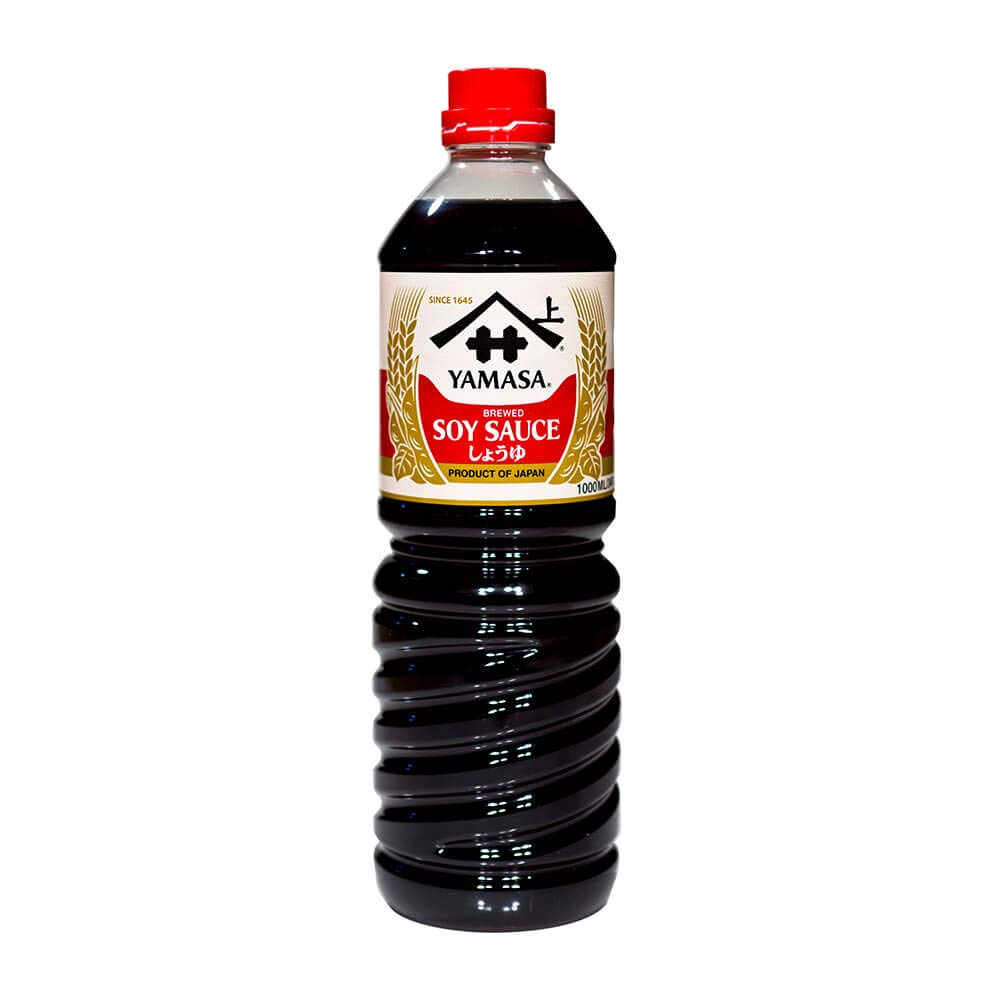
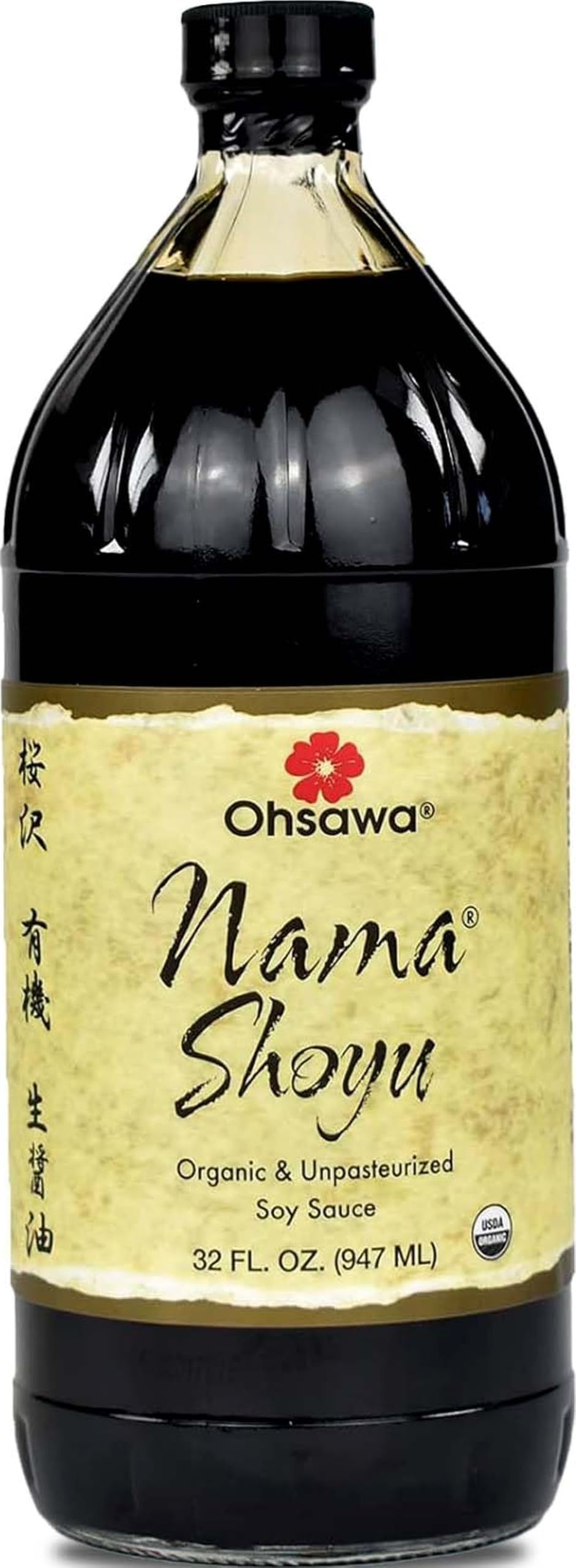
Soy sauce arrived in Japan from China by way of monks and trade in the seventh century, and the Japanese version developed its own method: a two stage fermentation of soybeans and roasted wheat, first with koji mould and then with salt and yeast in a cedar vat. The mixture, called moromi, is stirred for months while enzymes and yeasts build the aroma.
Noda in Chiba and Yuasa in Wakayama are the historic brewing towns, and both have families still making soy sauce the slow way. Industrial versions ferment in weeks using hydrolysis rather than microbes, which is why they taste flat and salty with nothing underneath.
The styles worth knowing
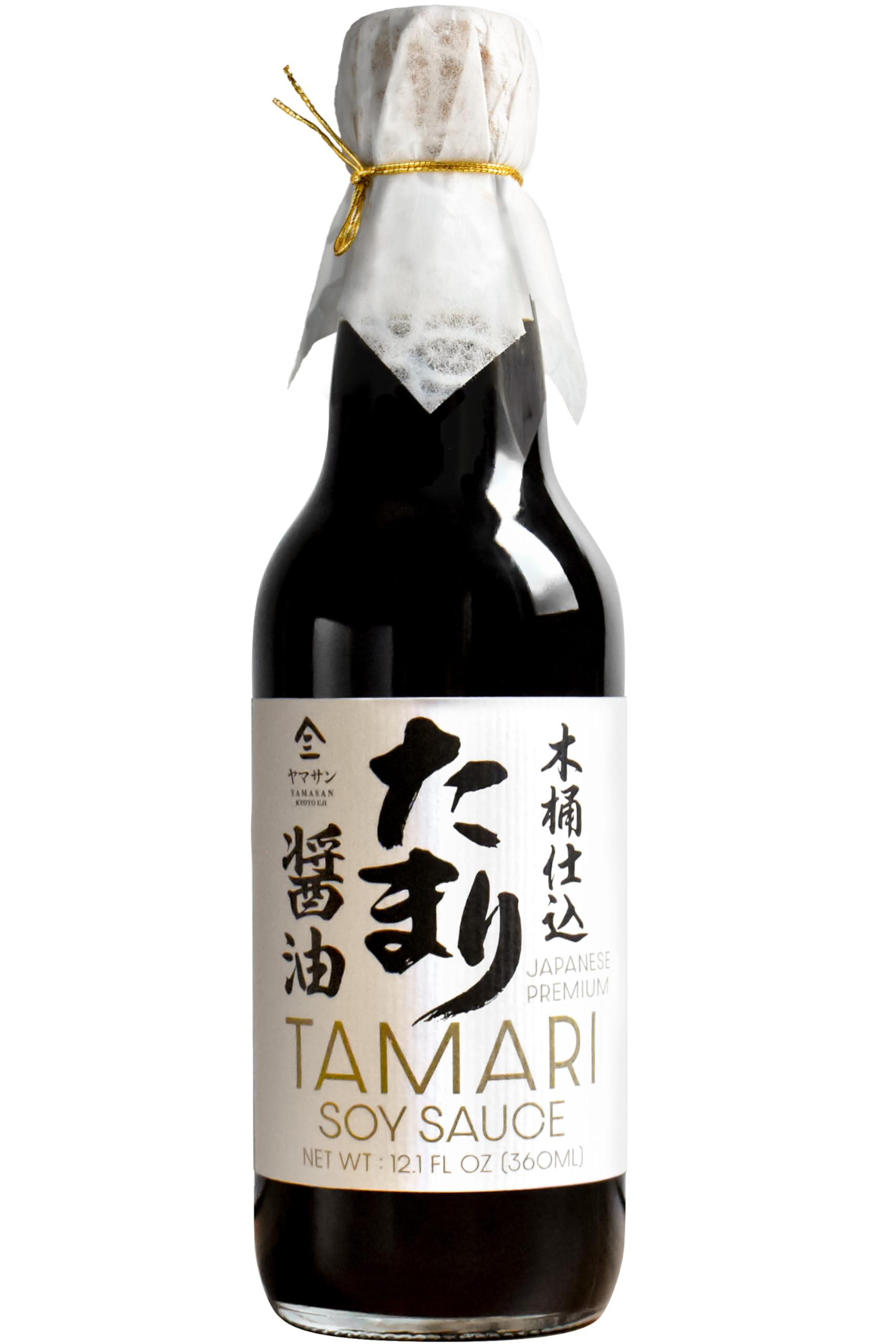
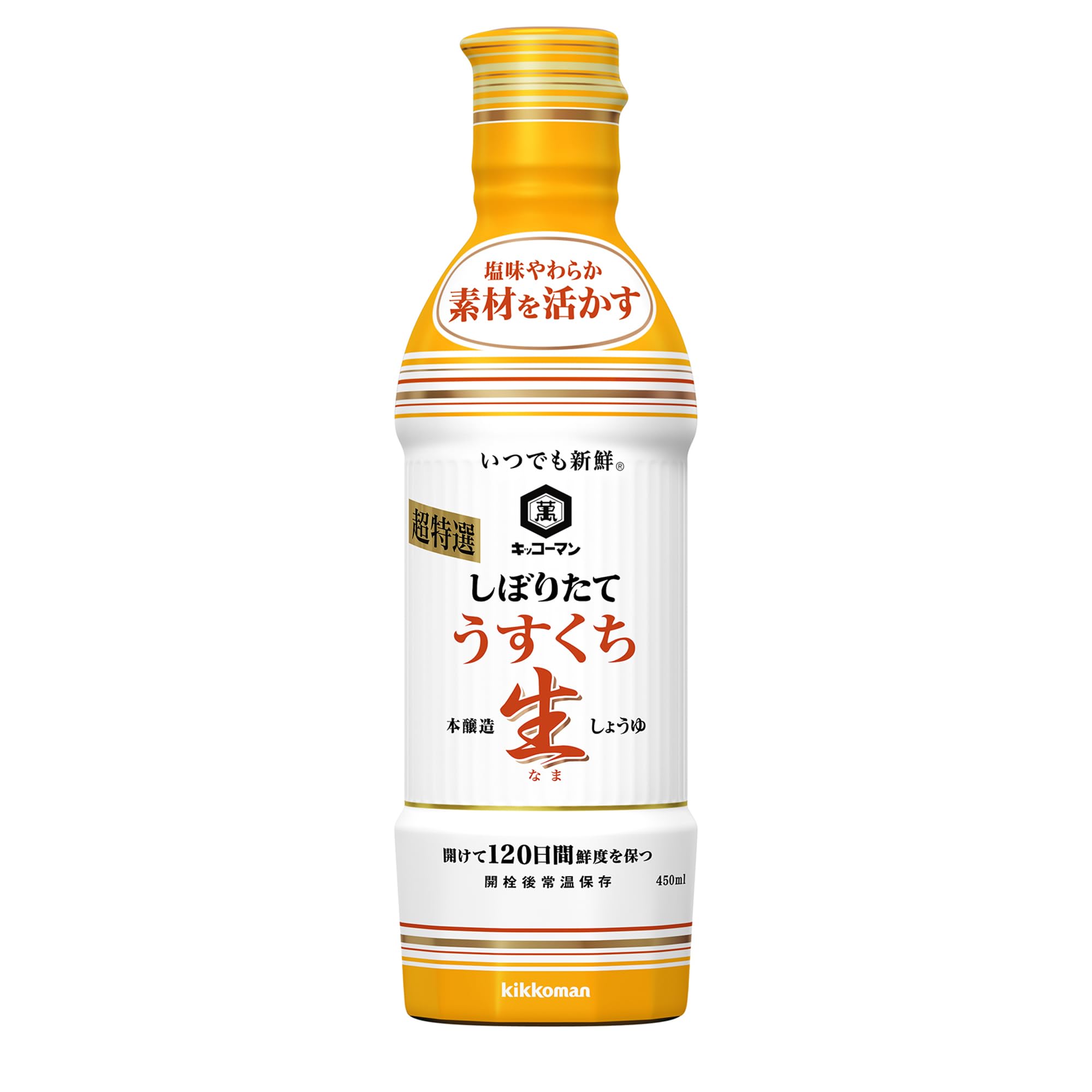
Koikuchi, dark soy sauce, is the default, roughly eighty percent of what Japan uses. Usukuchi, light soy sauce, is saltier and paler, used in Kyoto cooking to keep a dish's colour light. Tamari is made with little or no wheat, darker and richer, and it is the one for people avoiding gluten. Shiro is almost amber, mild and sweetish, used for clear soups and dressings. JAS grades on the label tell you fermentation method, not quality alone.
Mirin, the sweet one
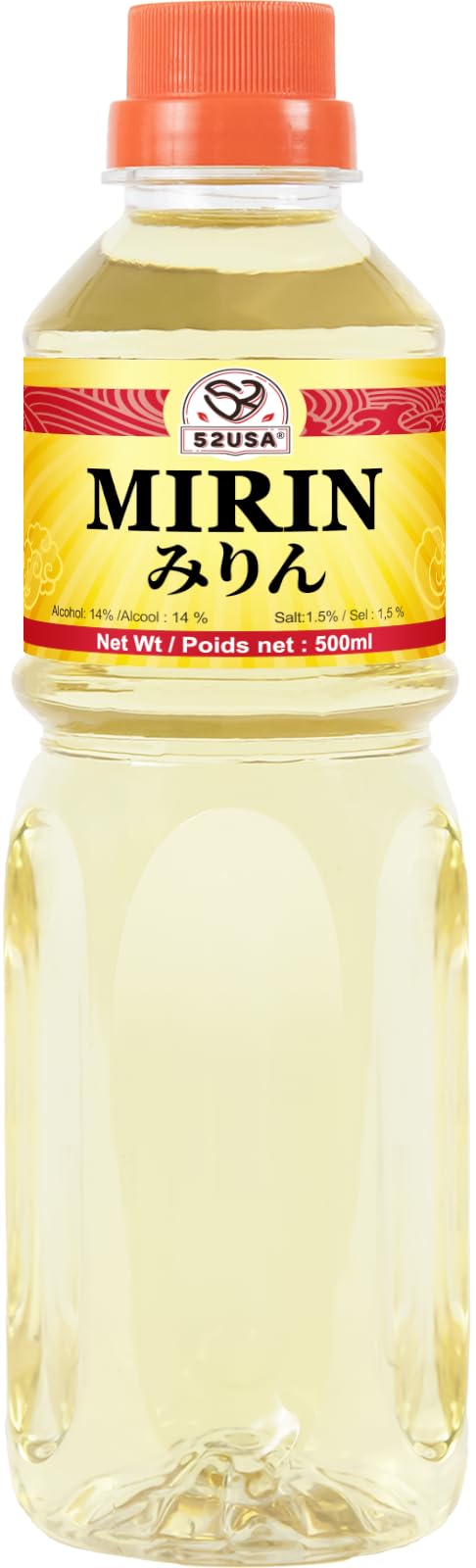
Mirin is a sweet rice wine, and it does two jobs: it adds sweetness and it gives a glaze its shine. Hon mirin is brewed and contains alcohol; mirin style seasoning, mirin fu, is a lower alcohol imitation and reads sweeter and flatter. It became common in the Edo period as cooking wine, and it is the reason teriyaki looks glossy rather than muddy.
Use it with soy sauce in roughly equal parts, add a little sugar, and simmer until it thickens. That is teriyaki. Add rice vinegar and you are on the way to a ponzu-style dressing.
Ponzu
Ponzu is citrus juice cut with soy sauce, mirin or vinegar, and it is the standard dipping sauce for soba, shabu shabu, gyoza and grilled fish. Commercial versions vary wildly in sweetness and citrus content, so read the label: a real ponzu lists citrus juice near the top rather than sugar. The best known versions use yuzu, which gives it a floral edge that lemon lacks.
Mayonnaise, Japanese style
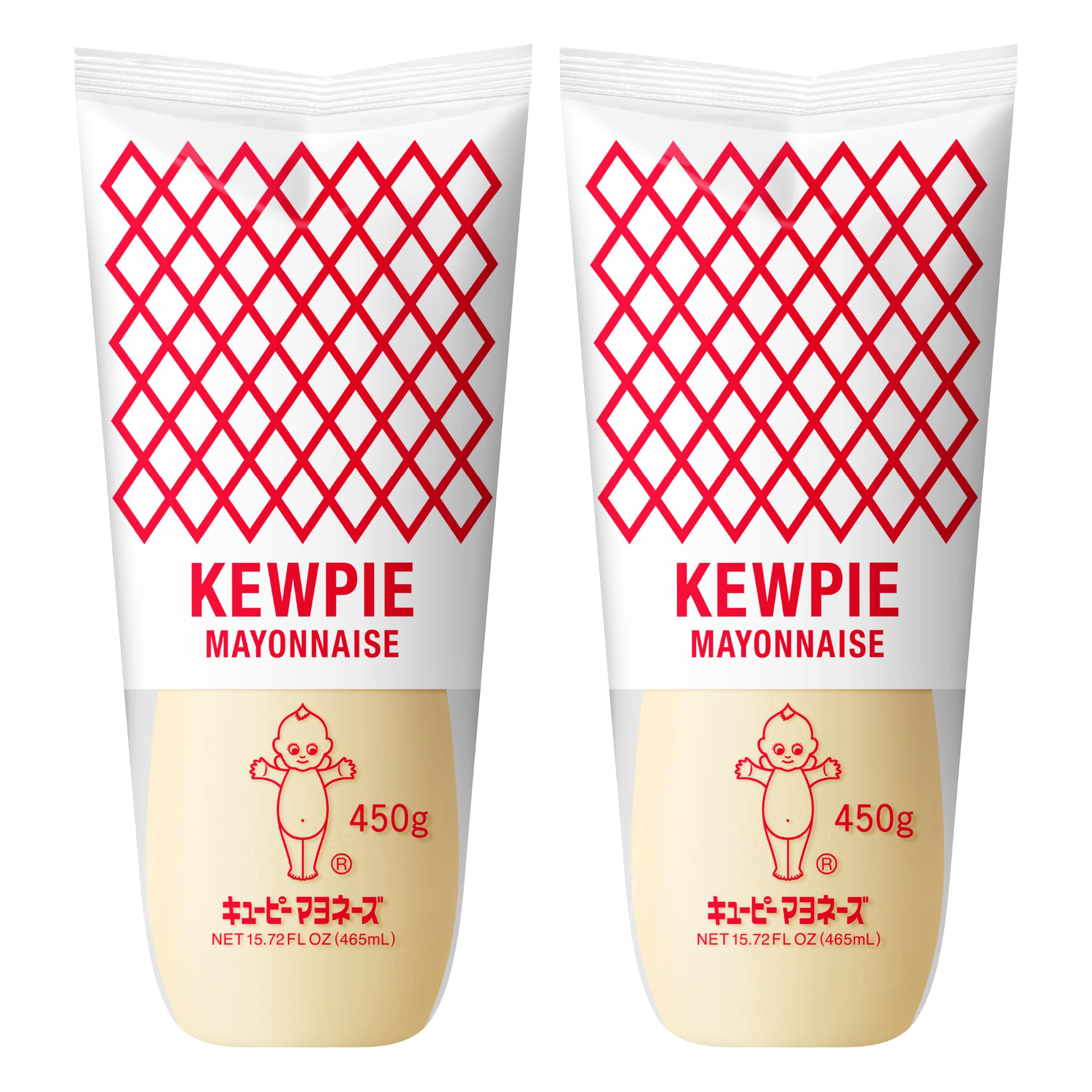
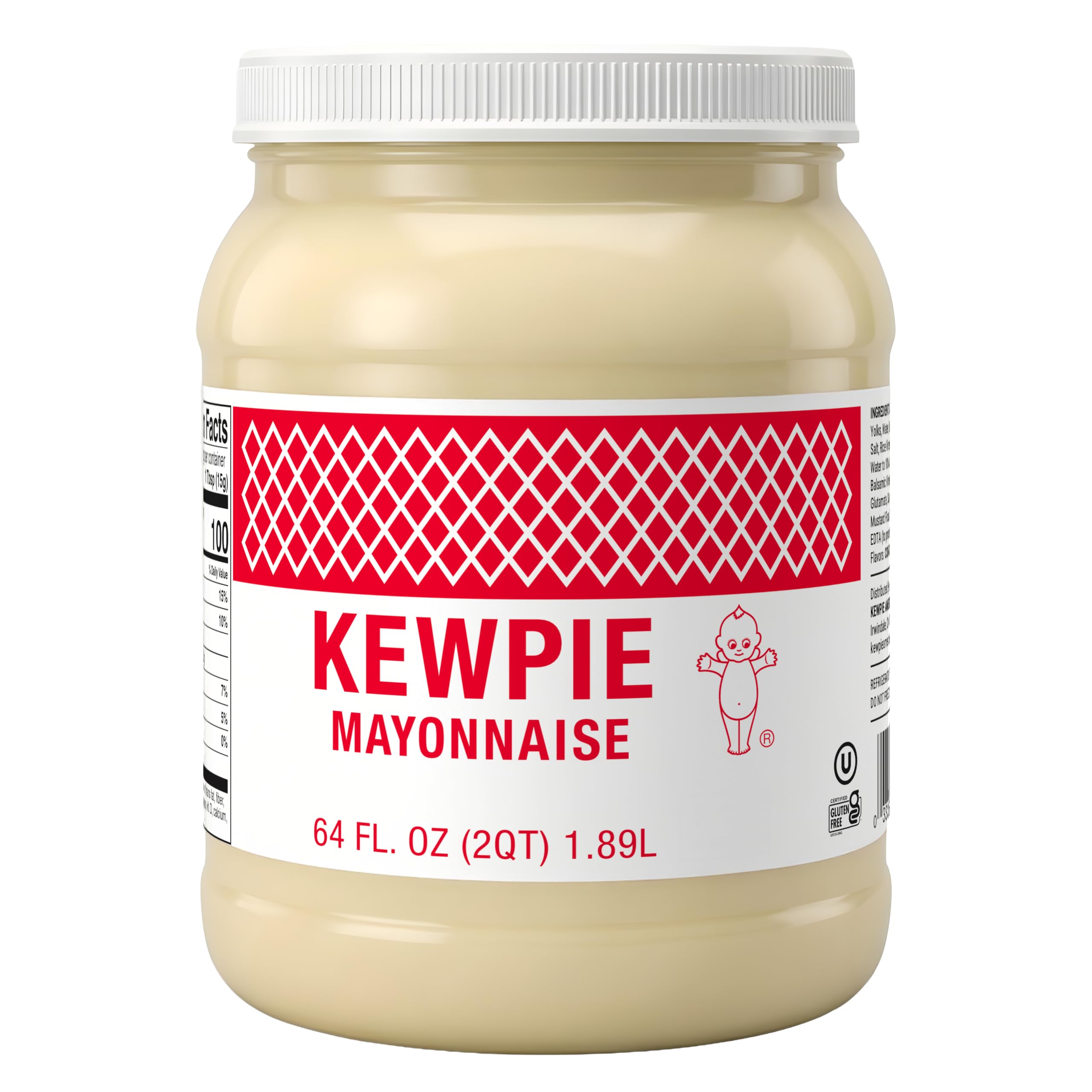
Kewpie, launched in Tokyo in 1925, is the brand that defined Japanese mayonnaise: egg yolk only rather than whole egg, rice vinegar rather than distilled, and a richer, tangier result. It is the base of okonomiyaki topping, the glue in a Japanese sandwich, and the dip for raw vegetables. The squeeze bottle is a design decision, not a gimmick, because the paste is thick.
Other bottles worth having: tonkatsu sauce, a fruity brown sauce for pork cutlets, and yakisoba sauce, which is close to it but sharper. Both were developed in the twentieth century by Japanese manufacturers aiming to make Western dishes taste Japanese.
How to keep and use them
All of these are salty or acidic enough to keep in the cupboard, though soy sauce and mirin last longer in the fridge once opened. Soy sauce oxidises and darkens over months, so buy a bottle you will finish. Mirin keeps for a year. Mayonnaise must be refrigerated after opening and used within a couple of months.
The bottles above cover the core and a few extras. If you are starting from nothing, buy dark soy sauce, hon mirin and rice vinegar first. Those three plus miso will carry most of the recipes on this site.