
Collection
Yuzu
Yuzu tastes like lemon, lime and something floral at once. Bottled juice and ponzu are the practical way to get it outside Japan.







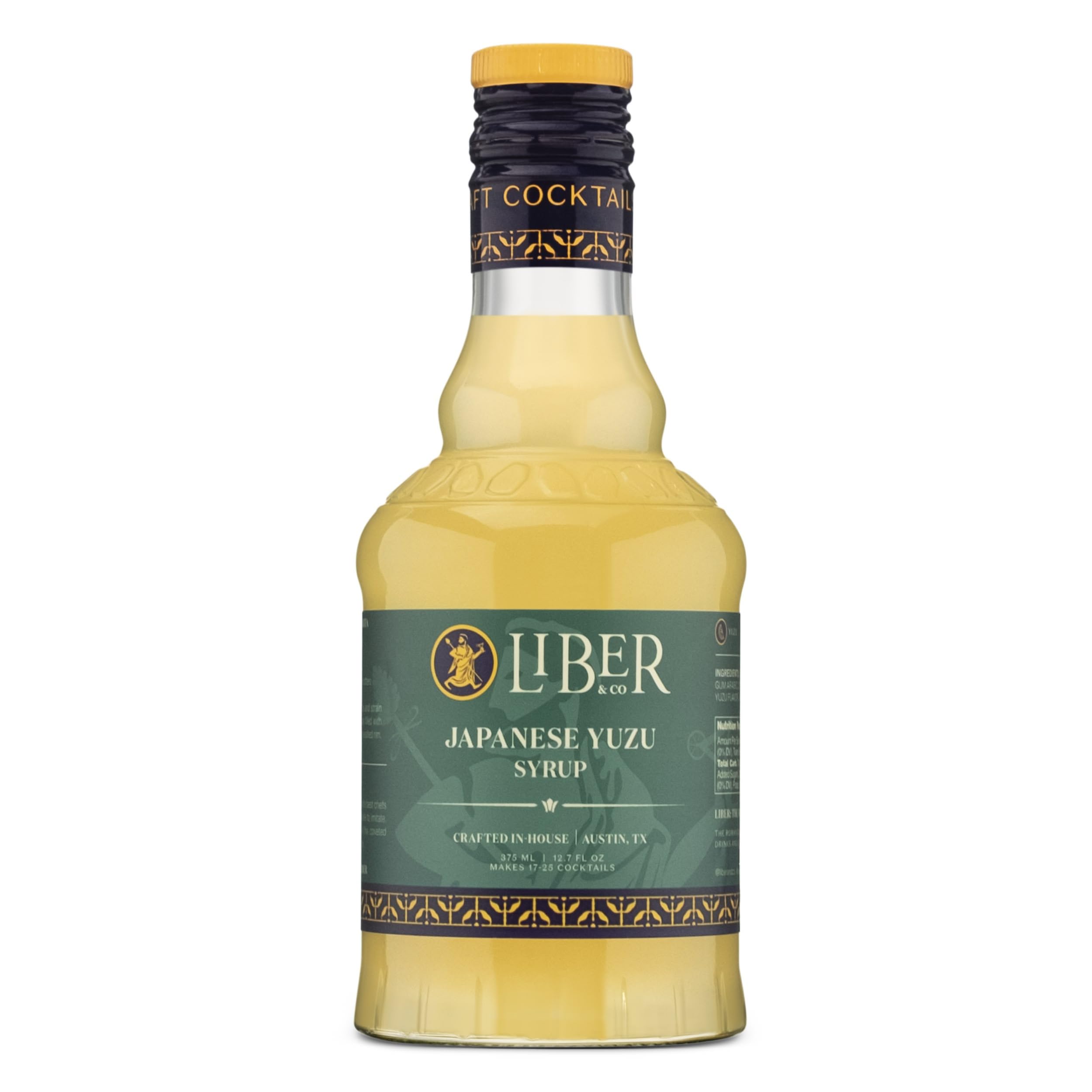



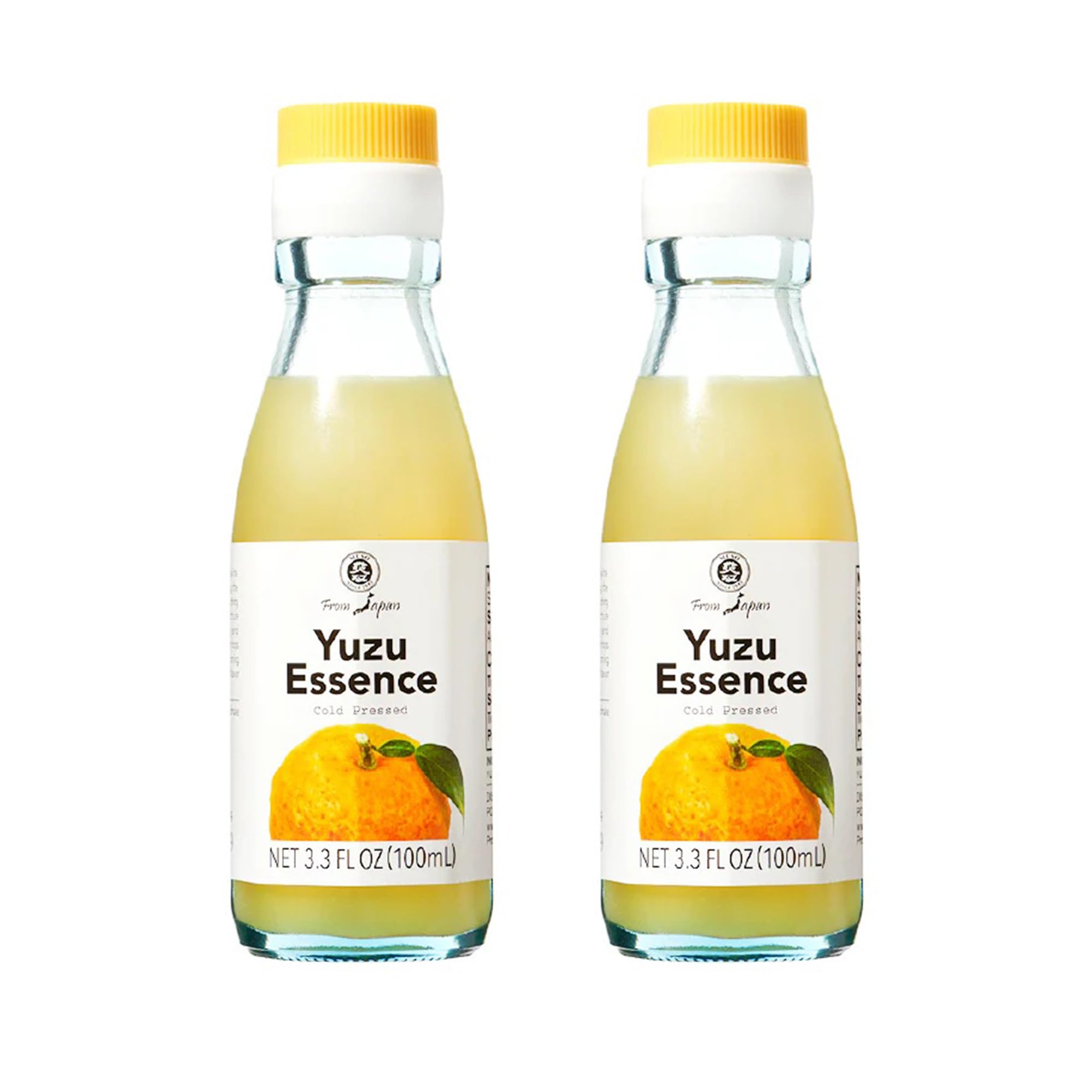


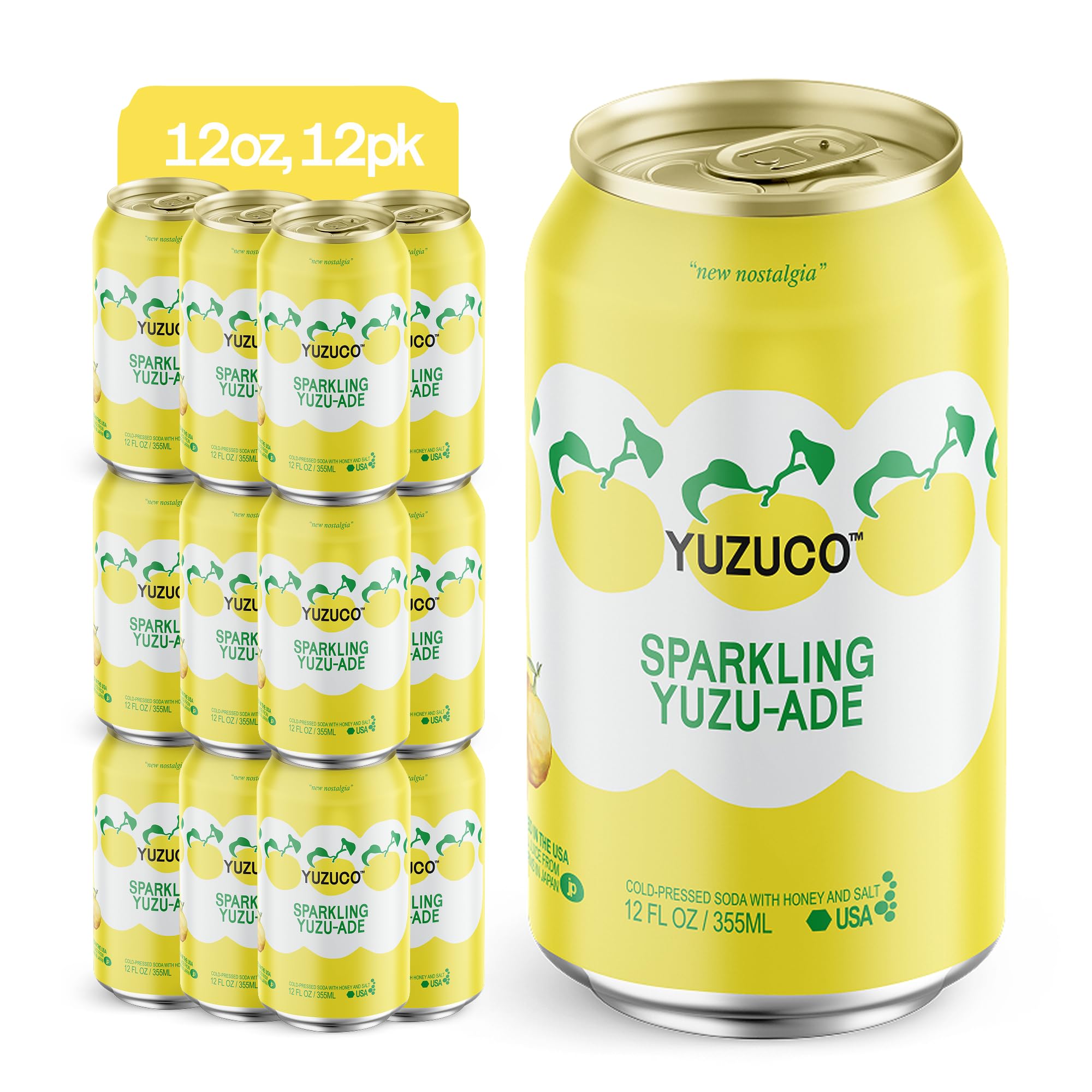

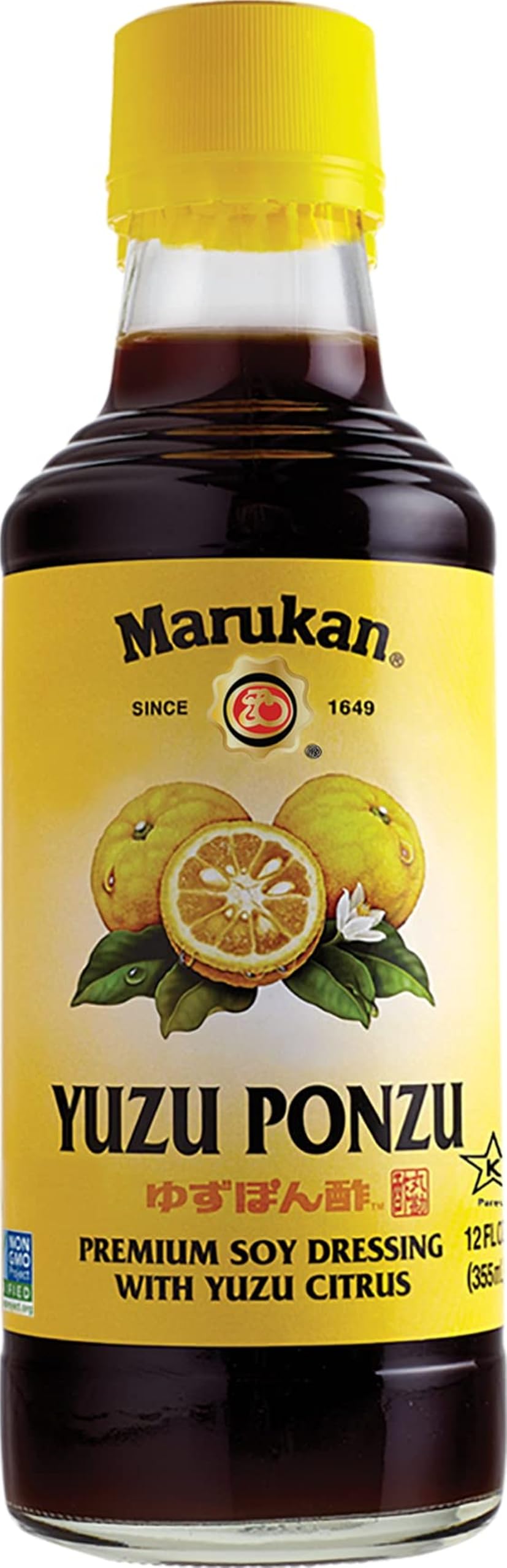
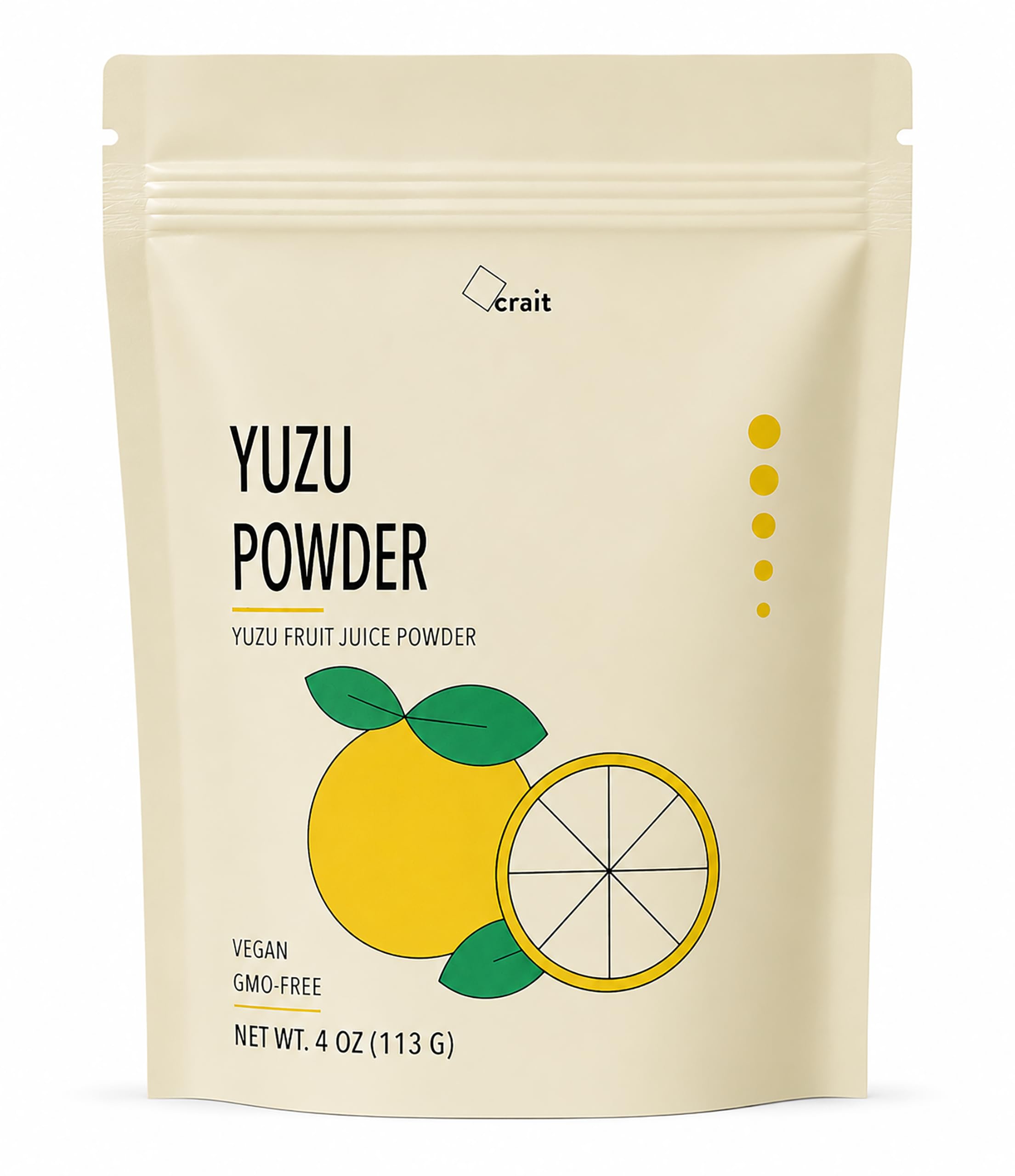

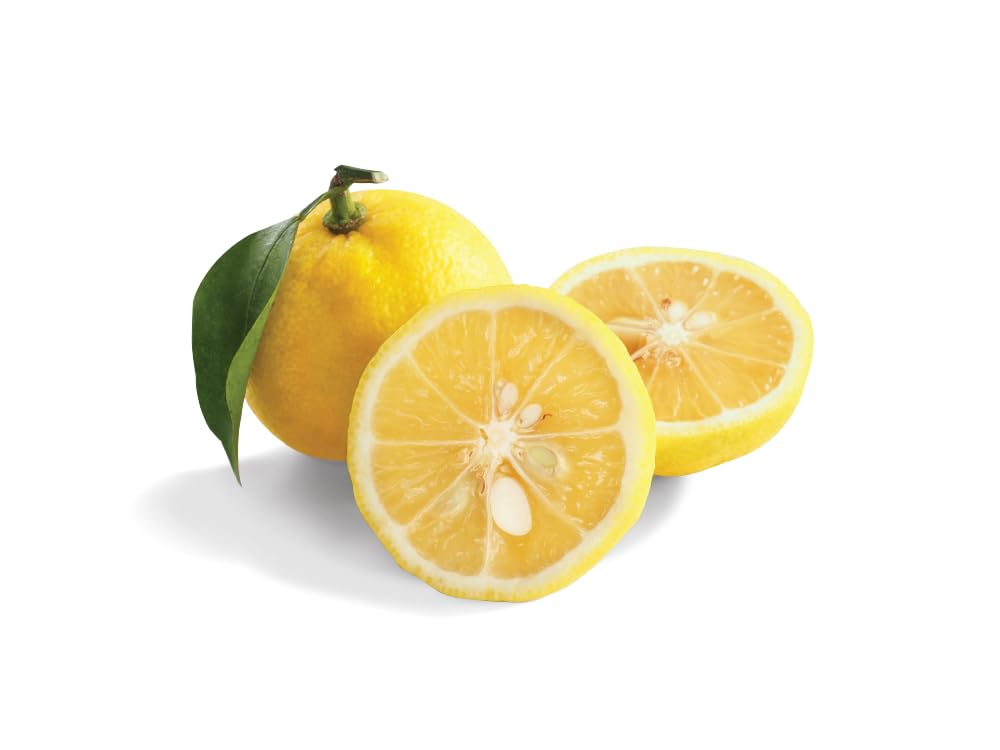

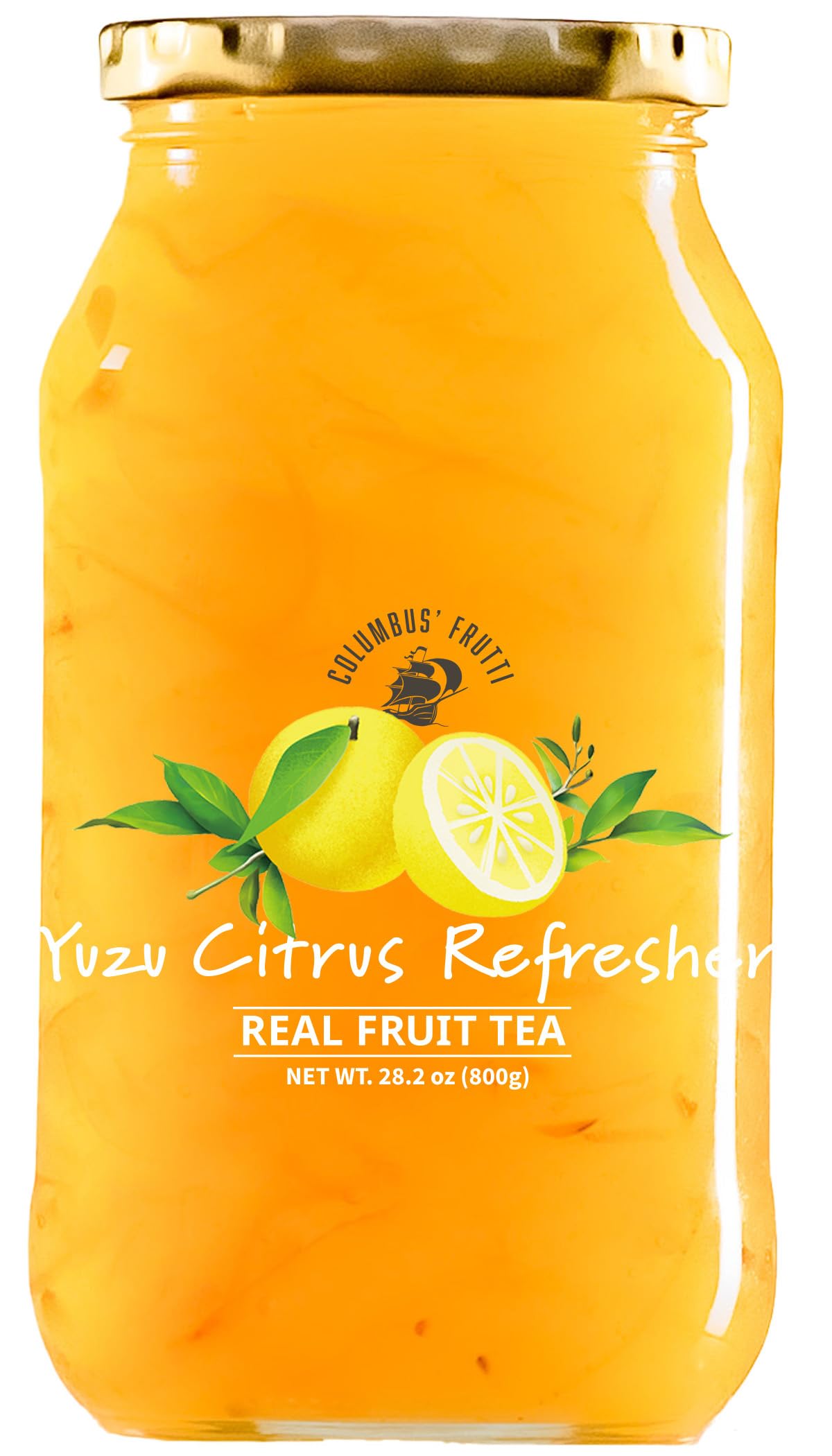
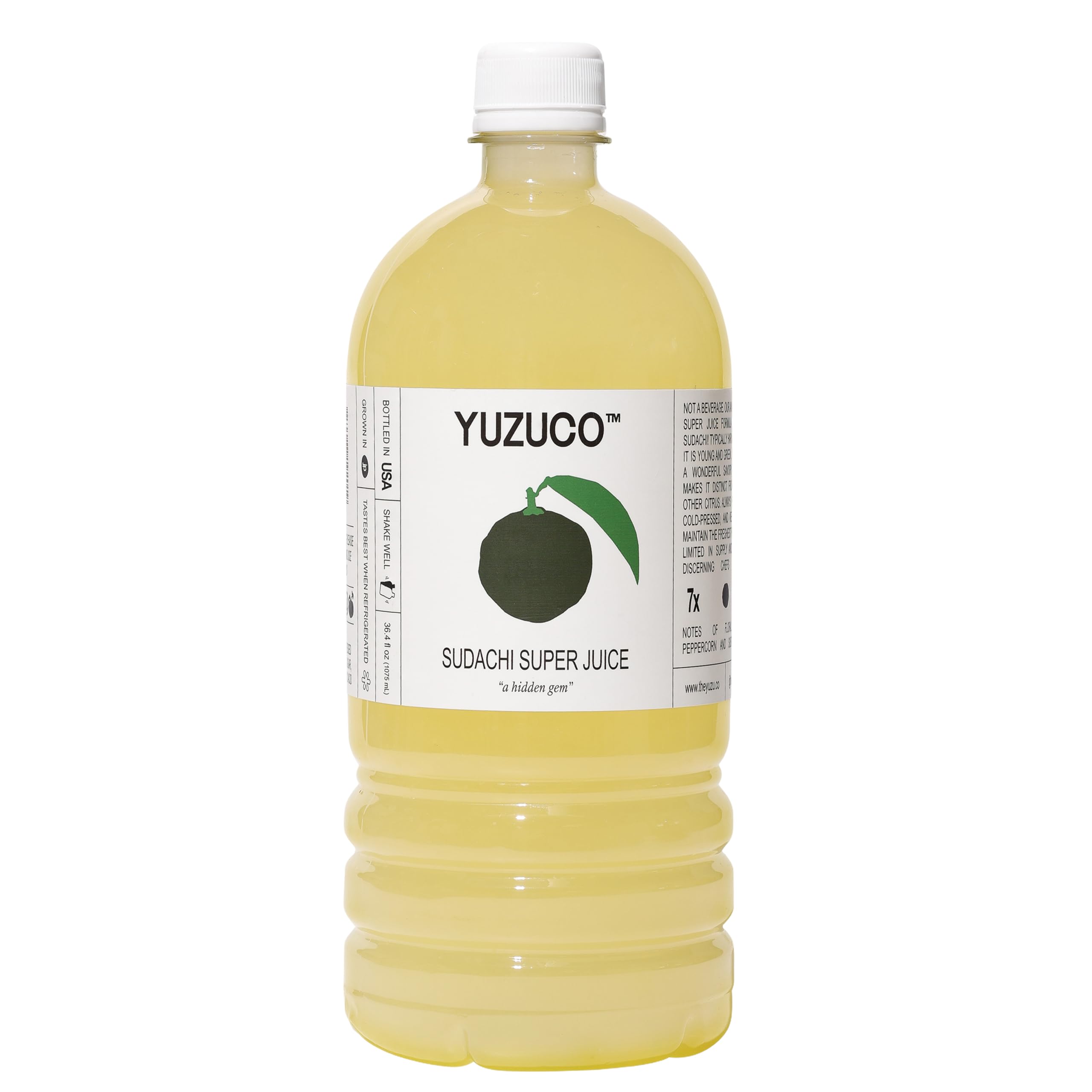
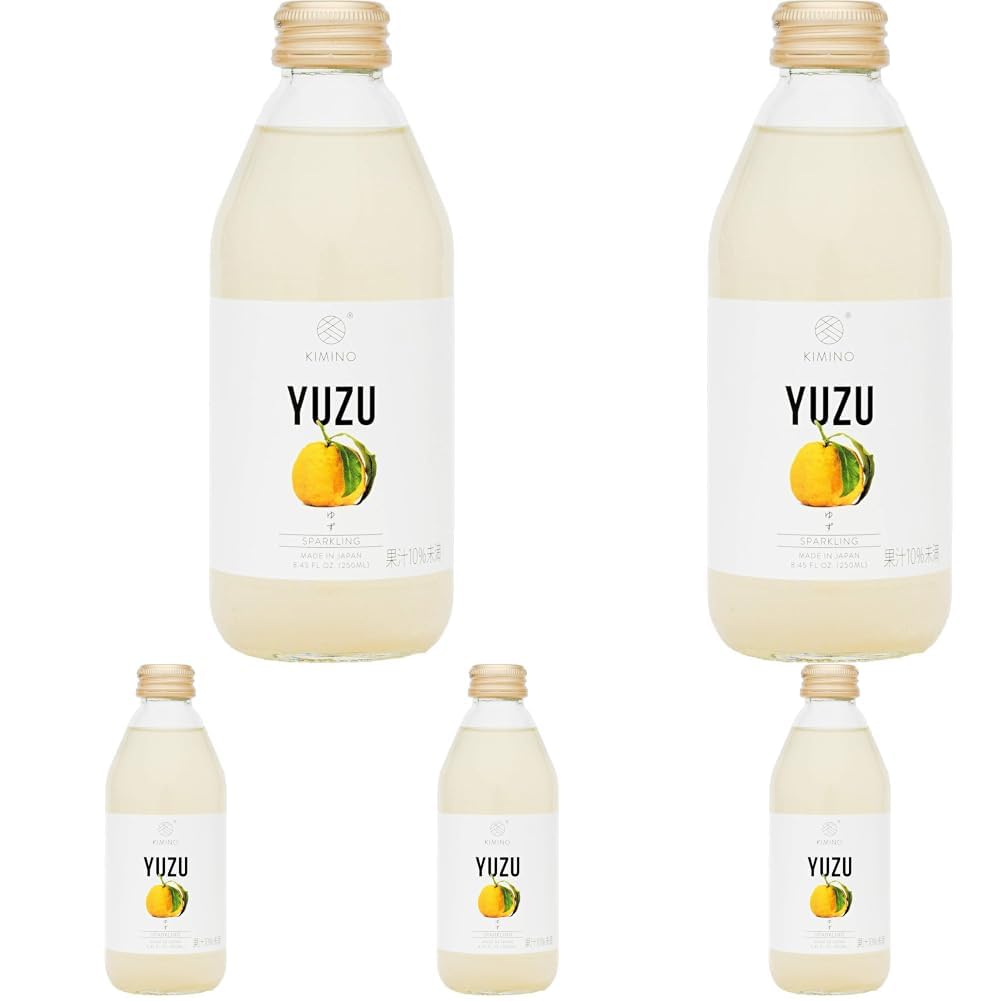

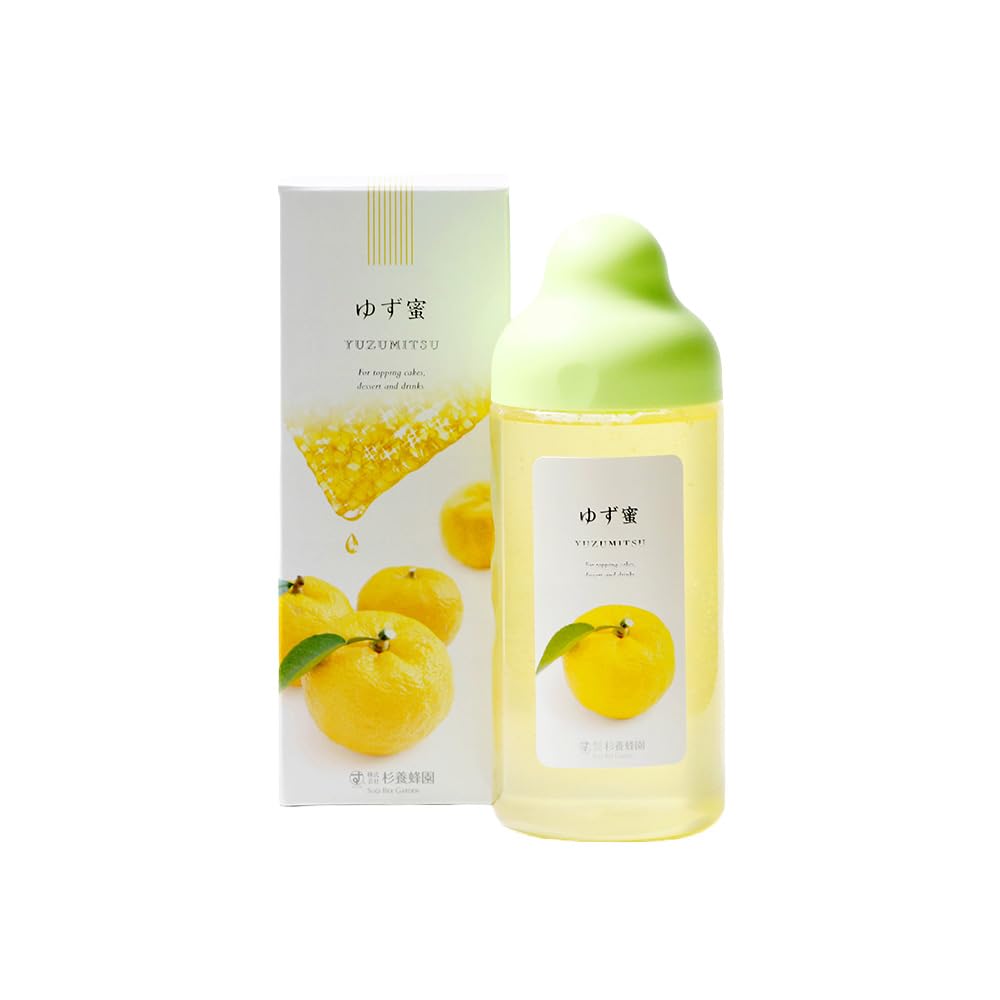
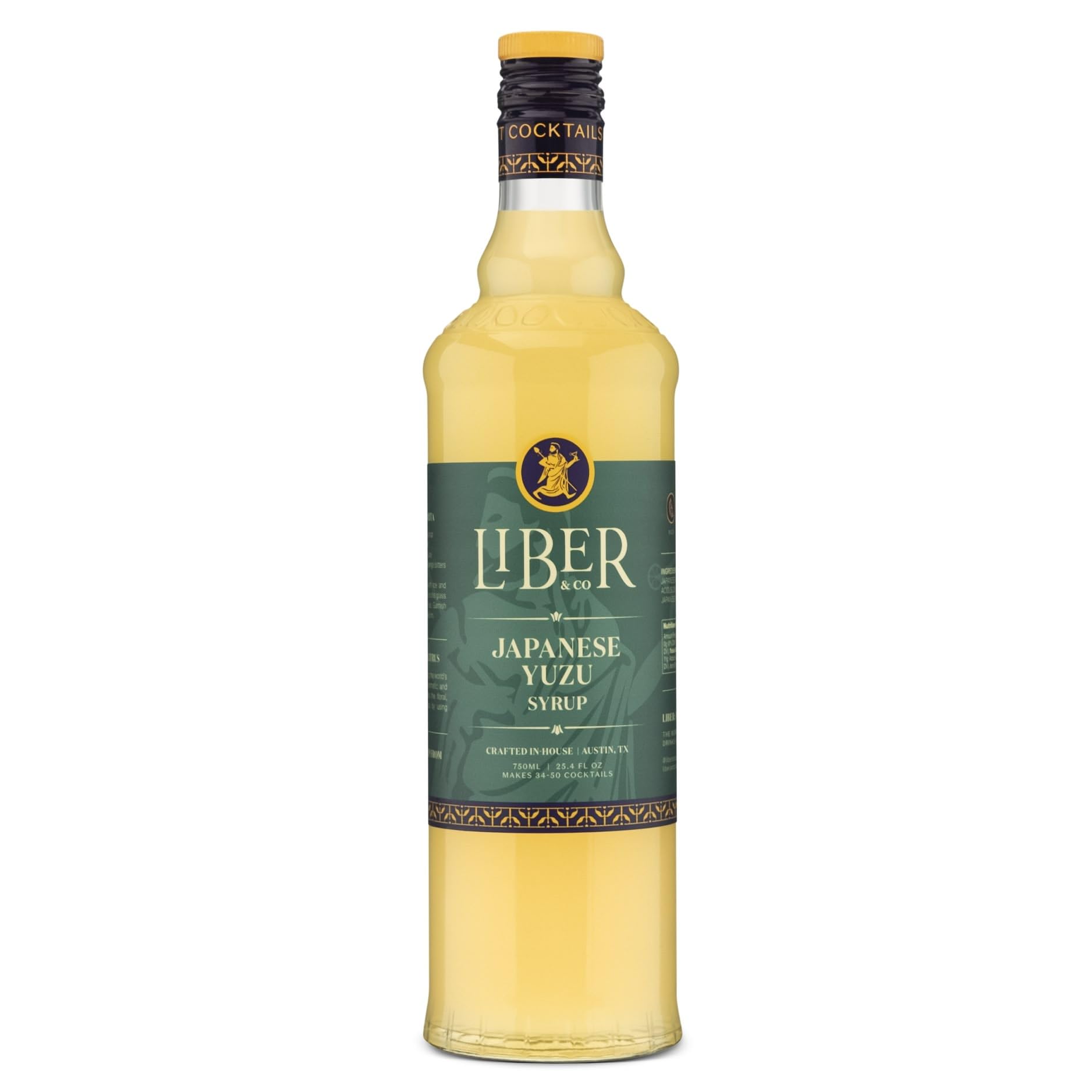
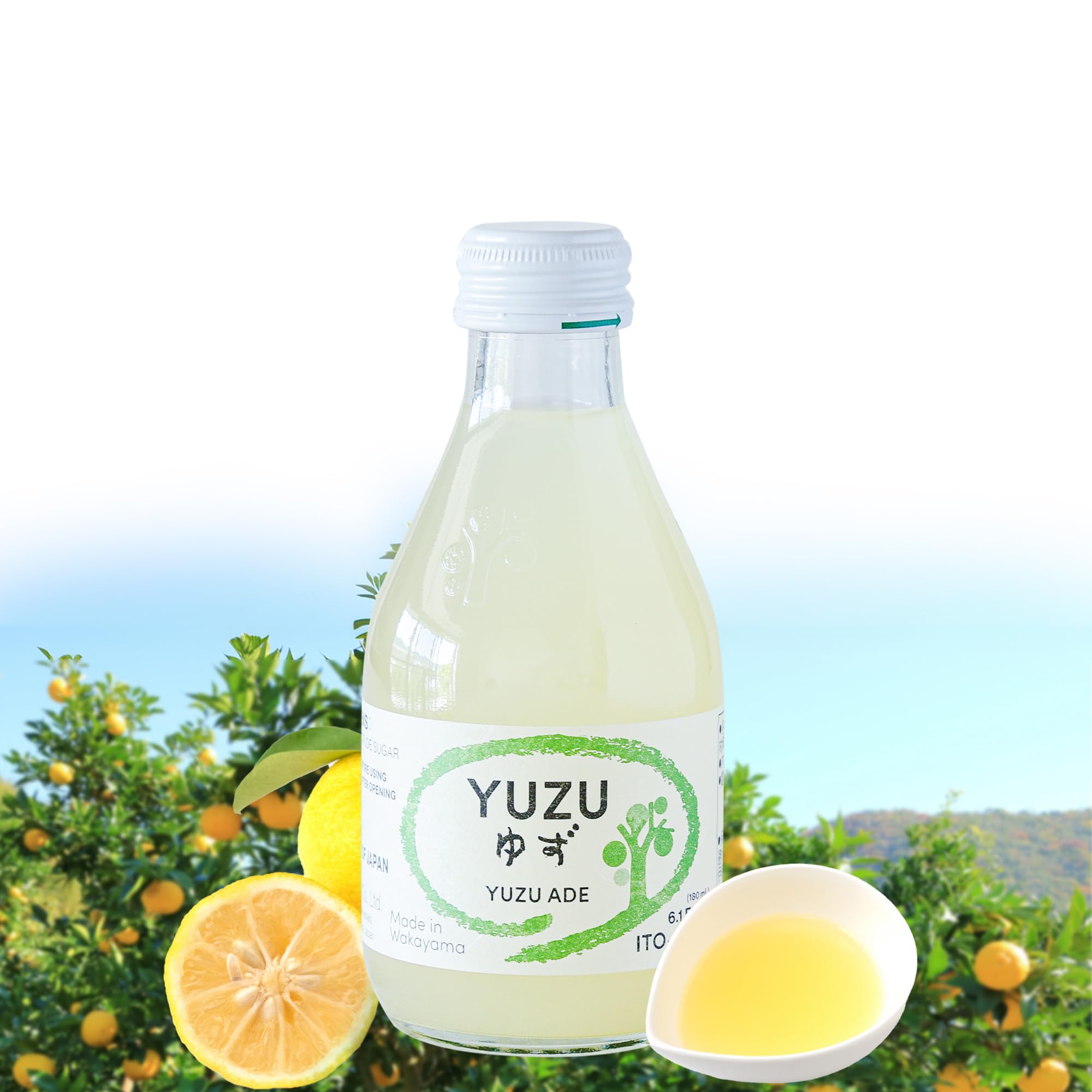
Yuzu: the citrus that tastes like three fruits at once
Yuzu is a sour citrus with an aroma that is hard to describe and impossible to mistake. It reads as lemon, then lime, then something floral and slightly herbal that neither of them has. The juice is sharp and the peel is where most of the perfume lives, which is why Japanese cooking uses both, and often separately.
A fruit that arrived and then disappeared from the wild
Yuzu came to Japan from China, probably with the same wave of cultural imports that brought Buddhism and writing in the sixth to eighth centuries. It naturalised so thoroughly that it is often described as a Japanese fruit, and it grows wild in mountain villages where it was planted centuries ago. China grows it too, and Korea has its own citrus tradition, but the flavour most people associate with yuzu was shaped by Japanese cooking.
The fruit ripens in late autumn and early winter. In Japan it appears in shops in November, and its arrival marks the point where the year turns: yuzu in a hot bath on the winter solstice, toji, is an old custom meant to ward off colds and to warm the body through the darkest weeks.
Peel, juice and the difference between them
The zest is where the aromatic oils sit, and a small amount goes a long way. Microplaning a little over a finished dish, or steeping strips in alcohol or sugar, gives the perfume. The juice is far more acidic than lemon, sharper and less sweet, and it works where you want a clean, bracing edge rather than roundness.
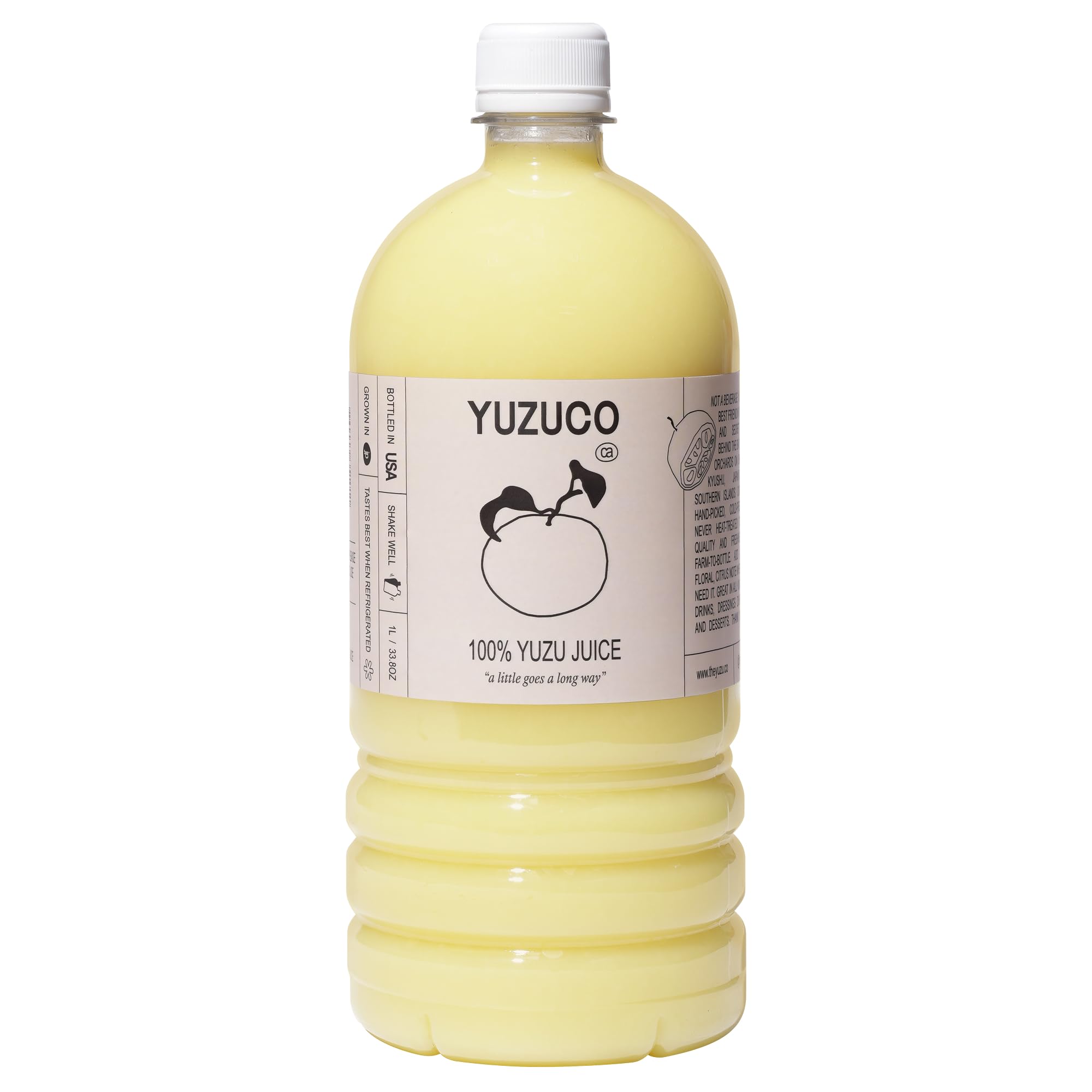
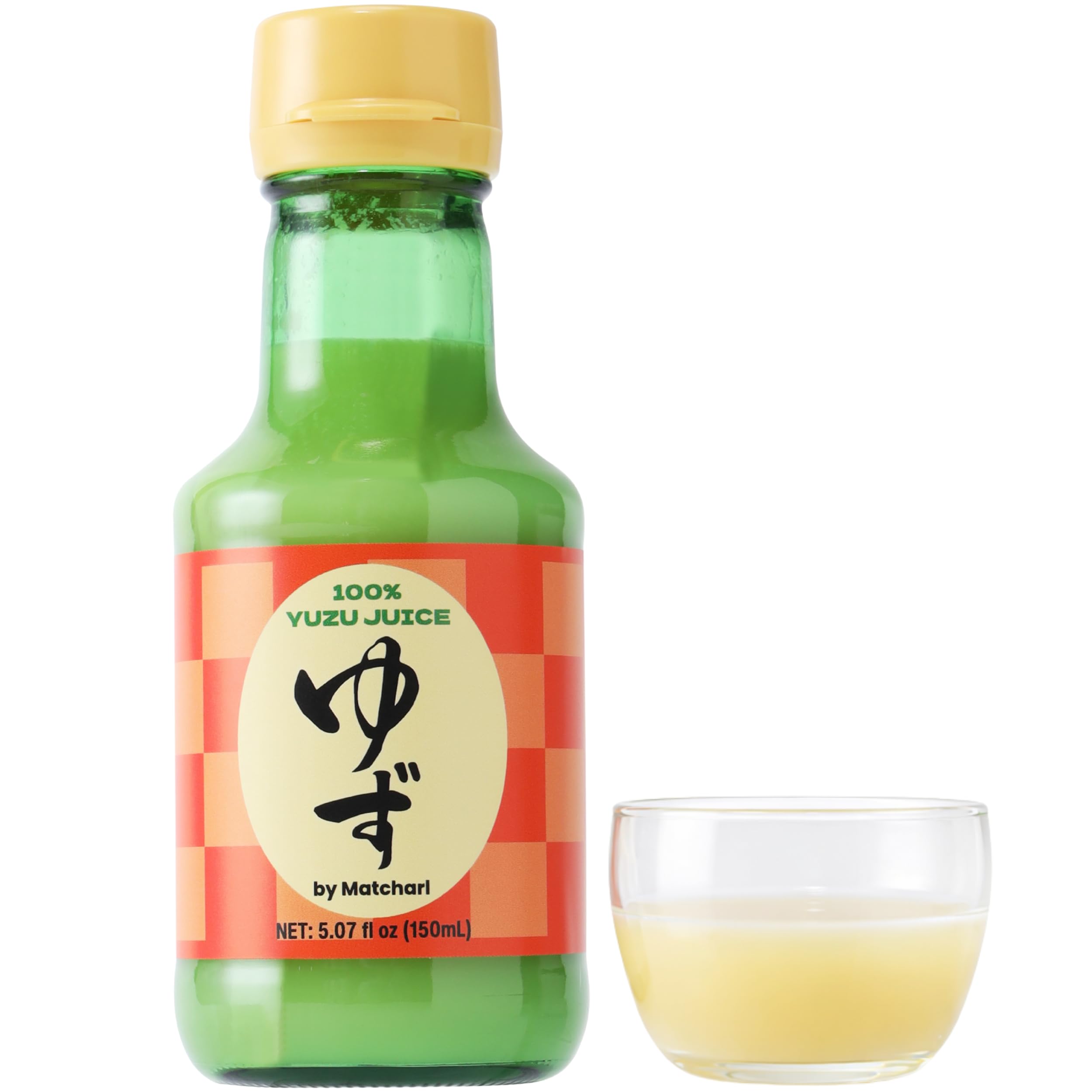
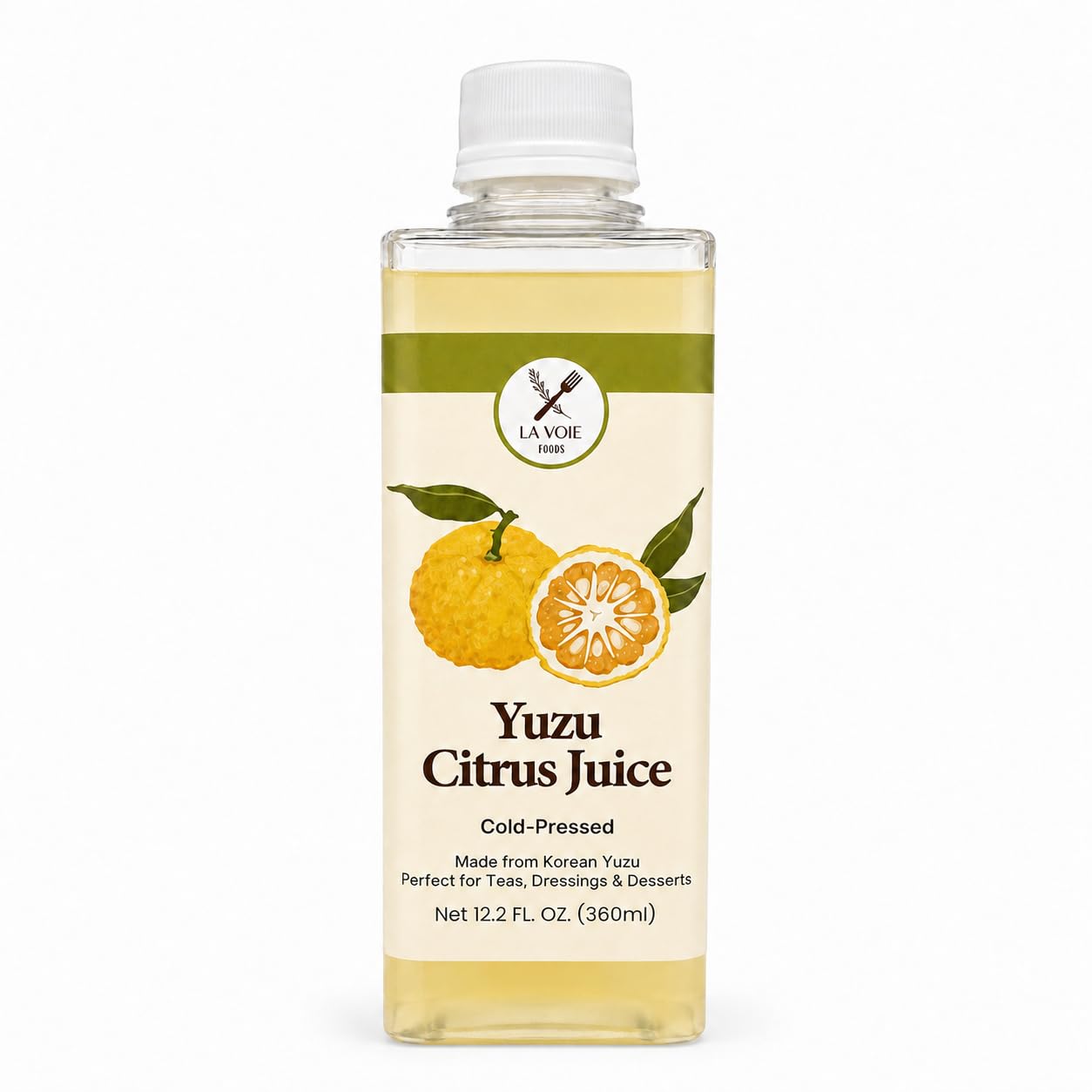
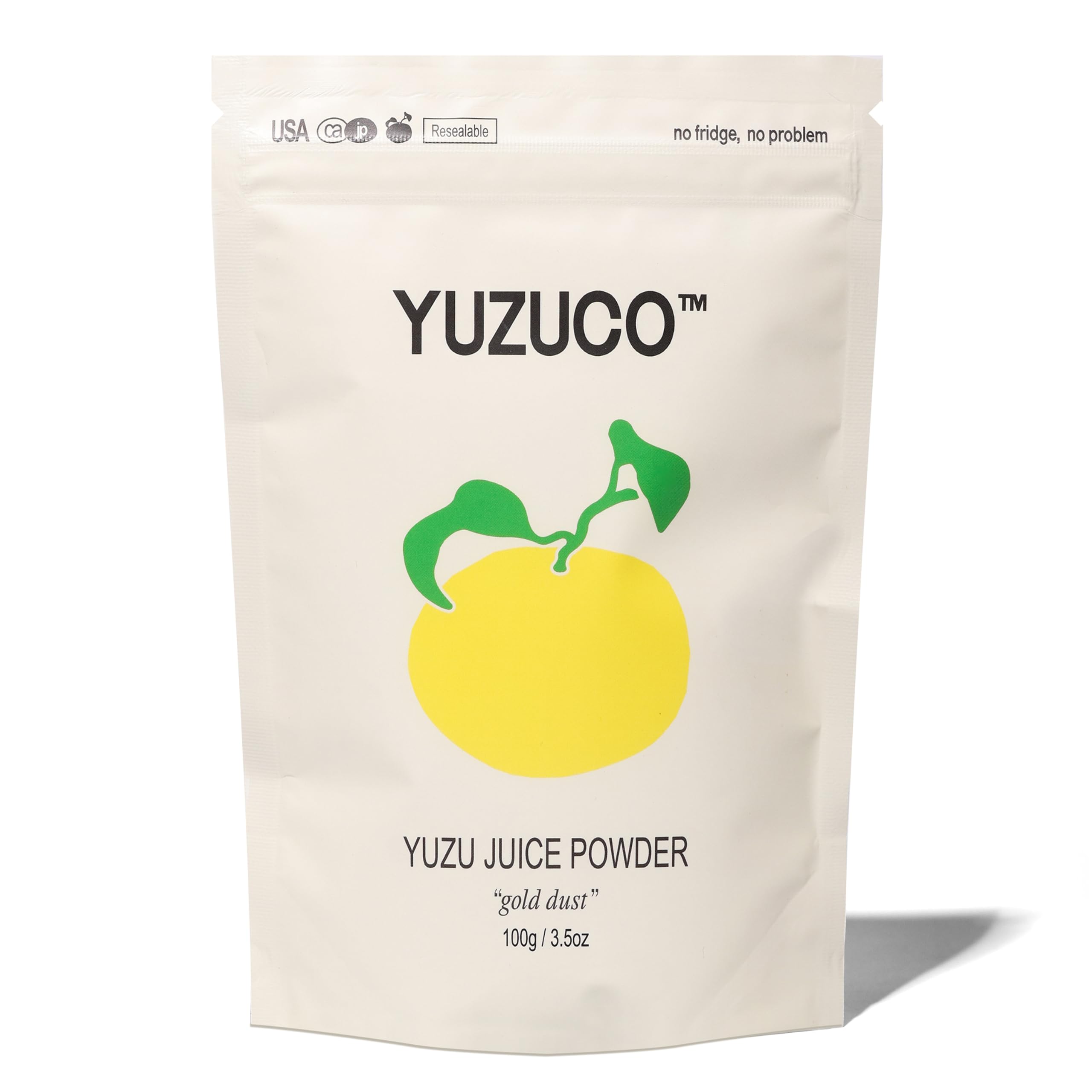
Fresh yuzu is hard to find outside Japan and expensive when you do, which is why bottled juice, frozen zest and yuzu-based condiments dominate the export market. Bottled juice is a fair substitute for cooking and a poor one for a cocktail, because the volatile aromatics are the first thing to go.
Kosho, ponzu and the condiment shelf
Yuzu kosho is a paste of green or red chillies, salt and yuzu peel, fermented together. It comes from Kyushu and is used in small dabs on grilled fish, chicken, hot pot and even soup. It is salty, hot and aromatic, and a teaspoon is enough for a whole dish.
Ponzu is the other big use: yuzu juice with soy sauce and mirin or vinegar, used as a dipping sauce and a dressing. Commercial ponzu varies from thin and sharp to sweet and syrupy, so check the label for citrus content rather than sugar.
Cooking with it
The classic pairings are fish, chicken, greens and hot pot, and a deba makes the fish part of that easier. A few drops in a dressing with rice vinegar and oil brightens a plain salad. A teaspoon in a bowl of noodle broth lifts the whole thing, and it works with soba especially well. In sweets, yuzu appears in sorbet, cheesecake and a honey drink that is basically hot yuzu preserve stirred into water.
Use it late. Heat destroys the aroma, so add the juice at the end of cooking and the zest after the pan is off the heat. If you are substituting for lemon, use less, because the acidity is higher and the flavour is more assertive.
Buying and keeping
For juice, look for bottles that say pure juice, not flavoured syrup, and check whether salt or sugar has been added. A 100 percent juice with nothing else is the most flexible. Keep it in the fridge after opening and use within a few weeks, because the aroma fades long before the bottle empties.
For kosho, a small jar goes a long way and keeps for months refrigerated. For ponzu, buy a brand that lists citrus high in the ingredients and use it within a couple of months of opening. If you find fresh fruit, buy it, zest it, freeze the zest in a small bag, and juice the rest.
The yuzu products above cover juice, kosho and ponzu. If you cook fish or noodles regularly, one bottle of pure juice and one small jar of kosho will cover most of what the fruit is used for in Japanese home cooking.