
Collection
Pantry
The supporting cast: rice vinegar for sushi and dressings, furikake for rice, short grain rice that holds together. Small bottles, long shelf life, used constantly.












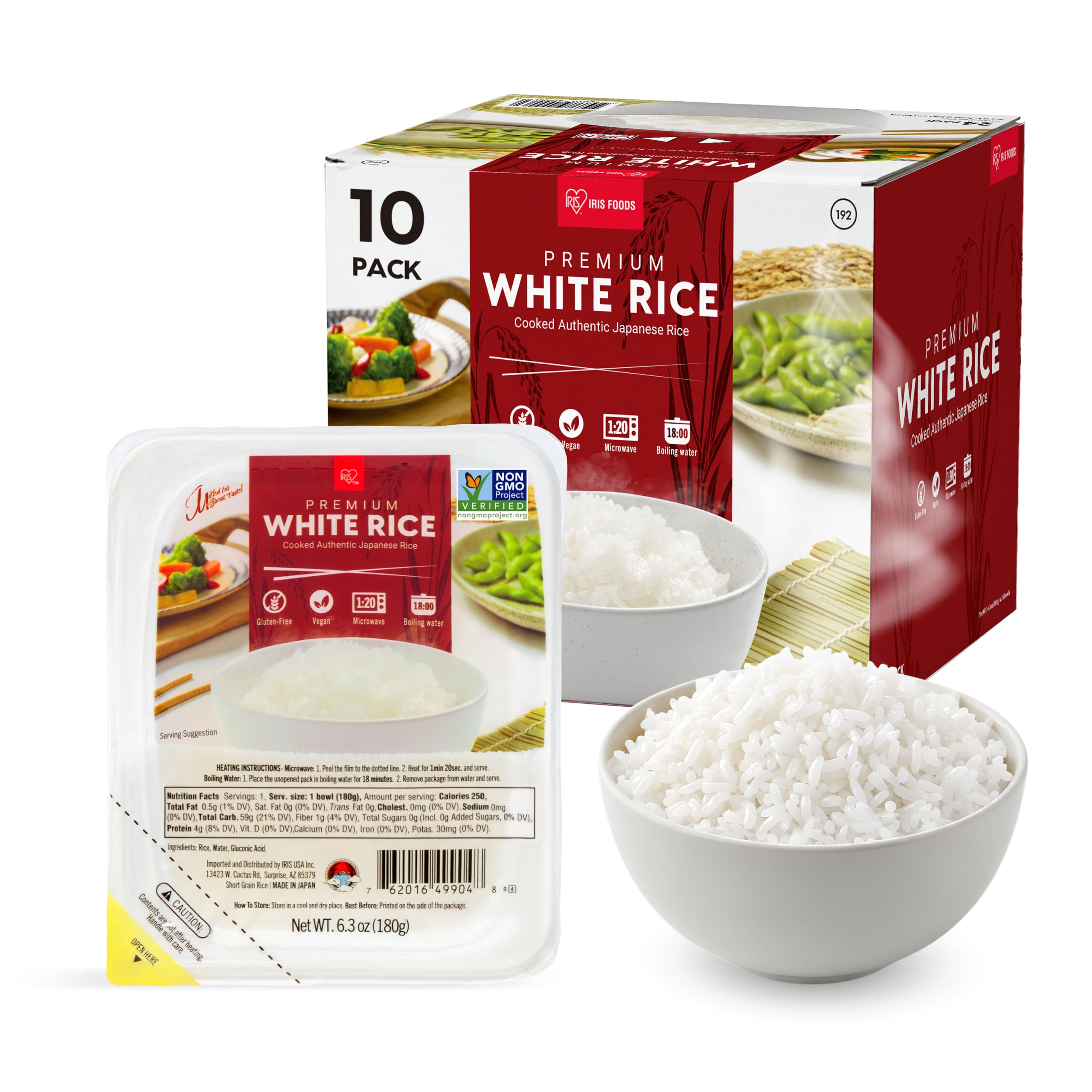

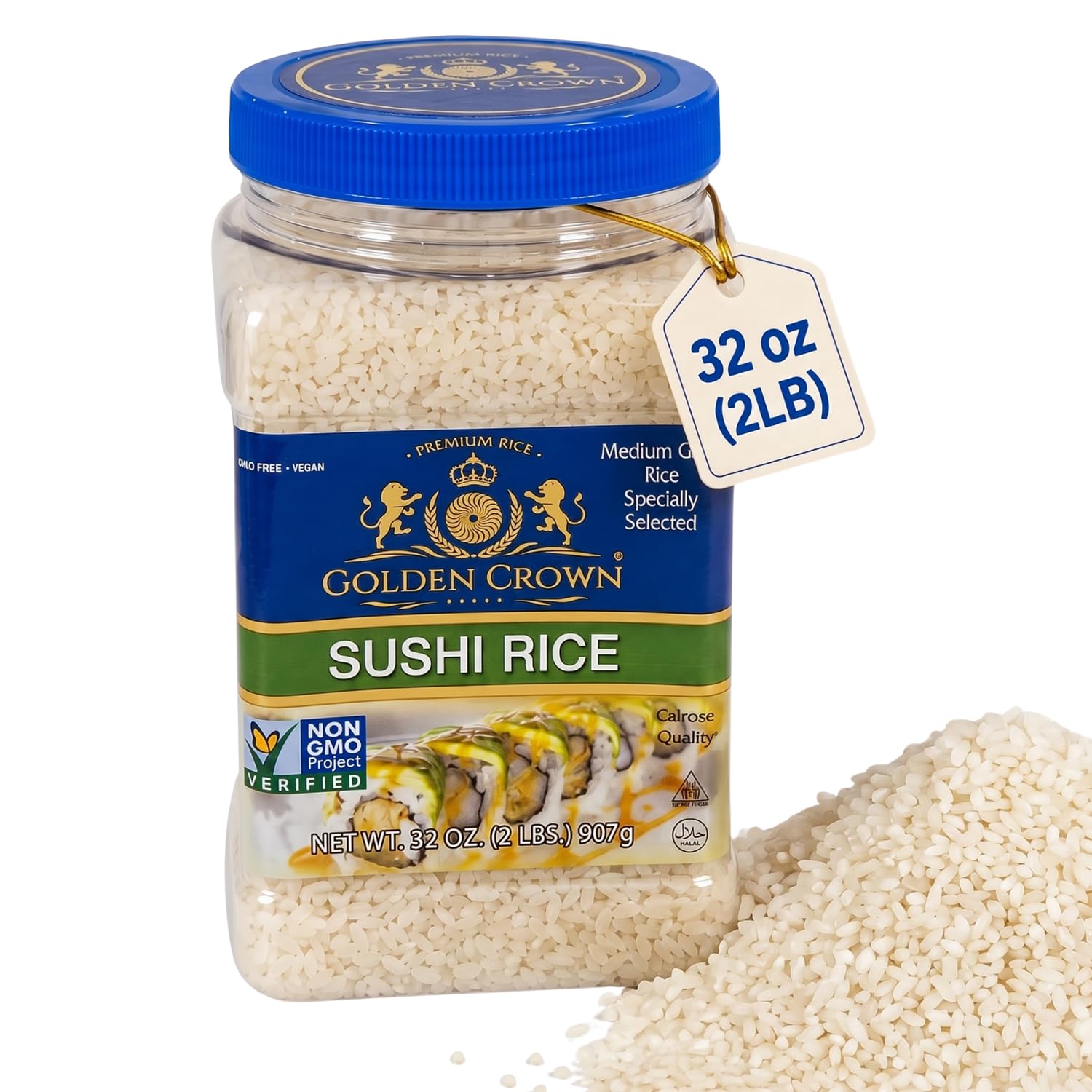
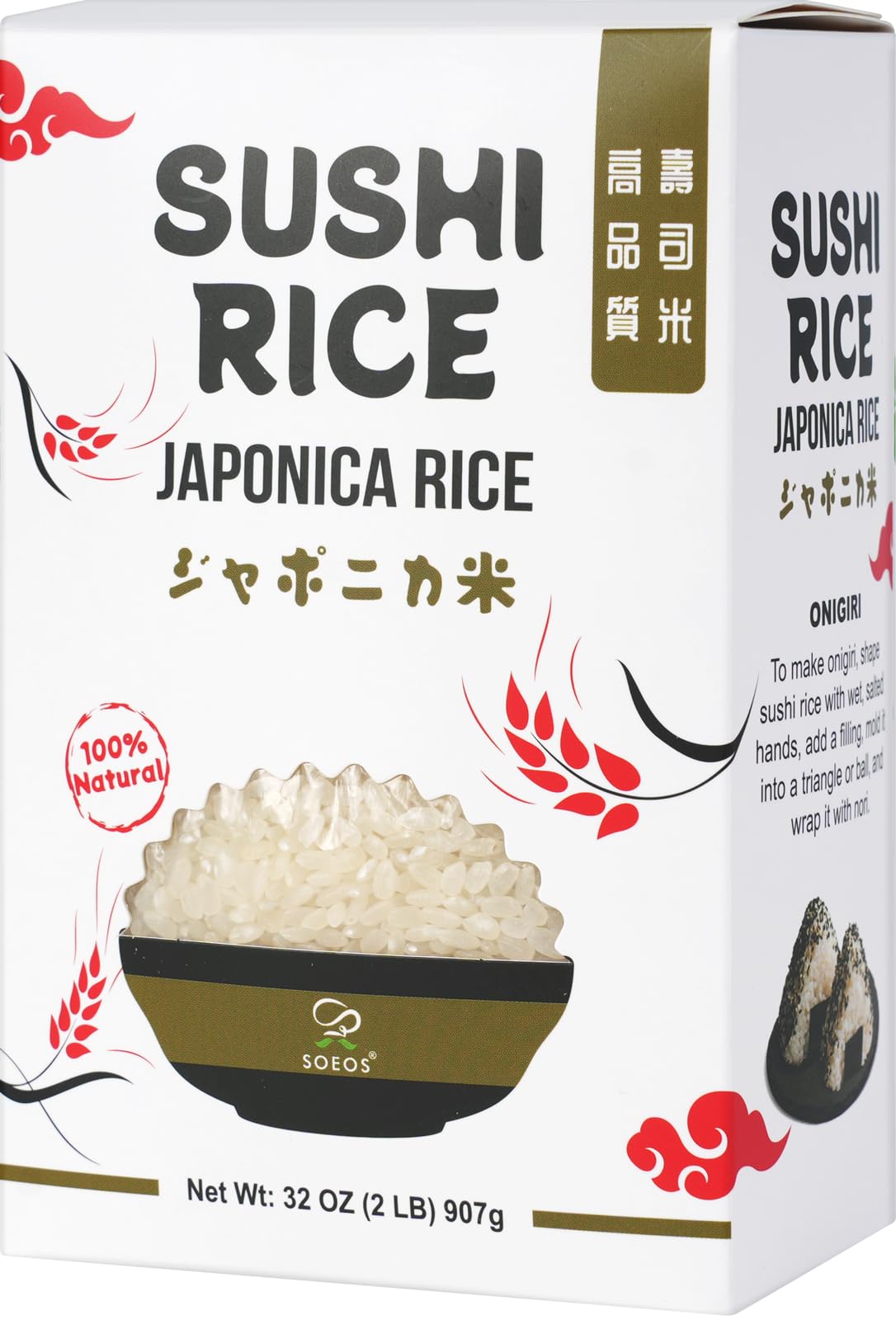


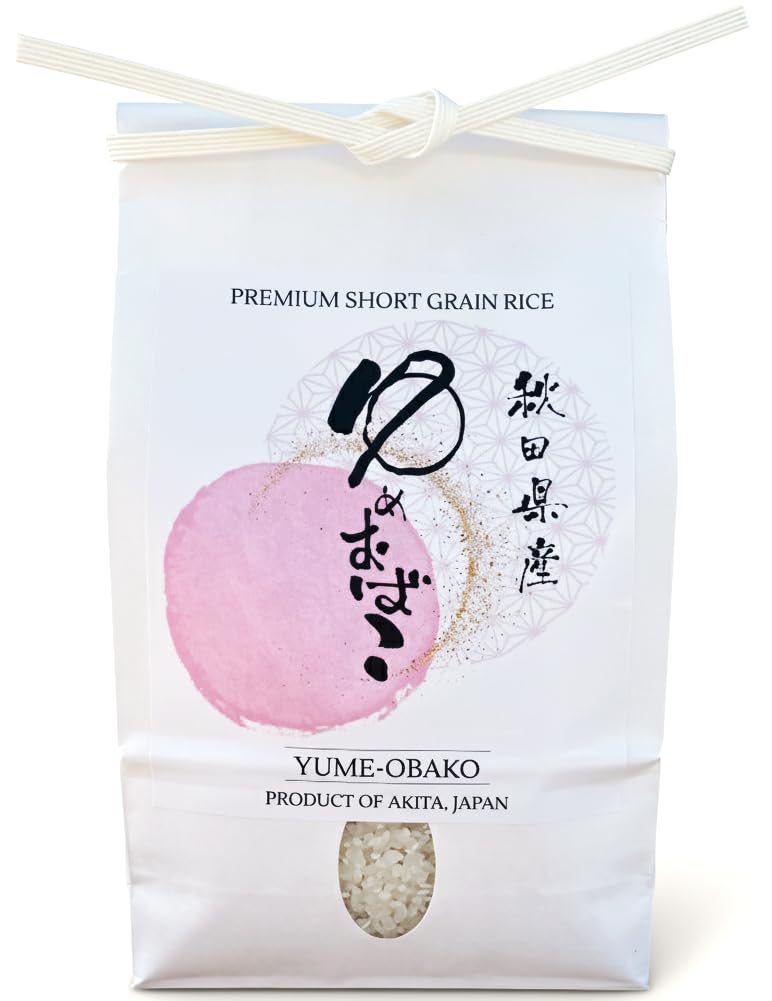


Pantry: rice, dashi and the things that hold a meal together
Japanese home cooking is built on a small set of staples that sit in the cupboard and get used without thinking. Rice, dashi, vinegar, furikake, pickles. None of them are impressive alone. Together they are the reason a plain bowl of rice can feel like dinner.
Rice, the centre of the meal
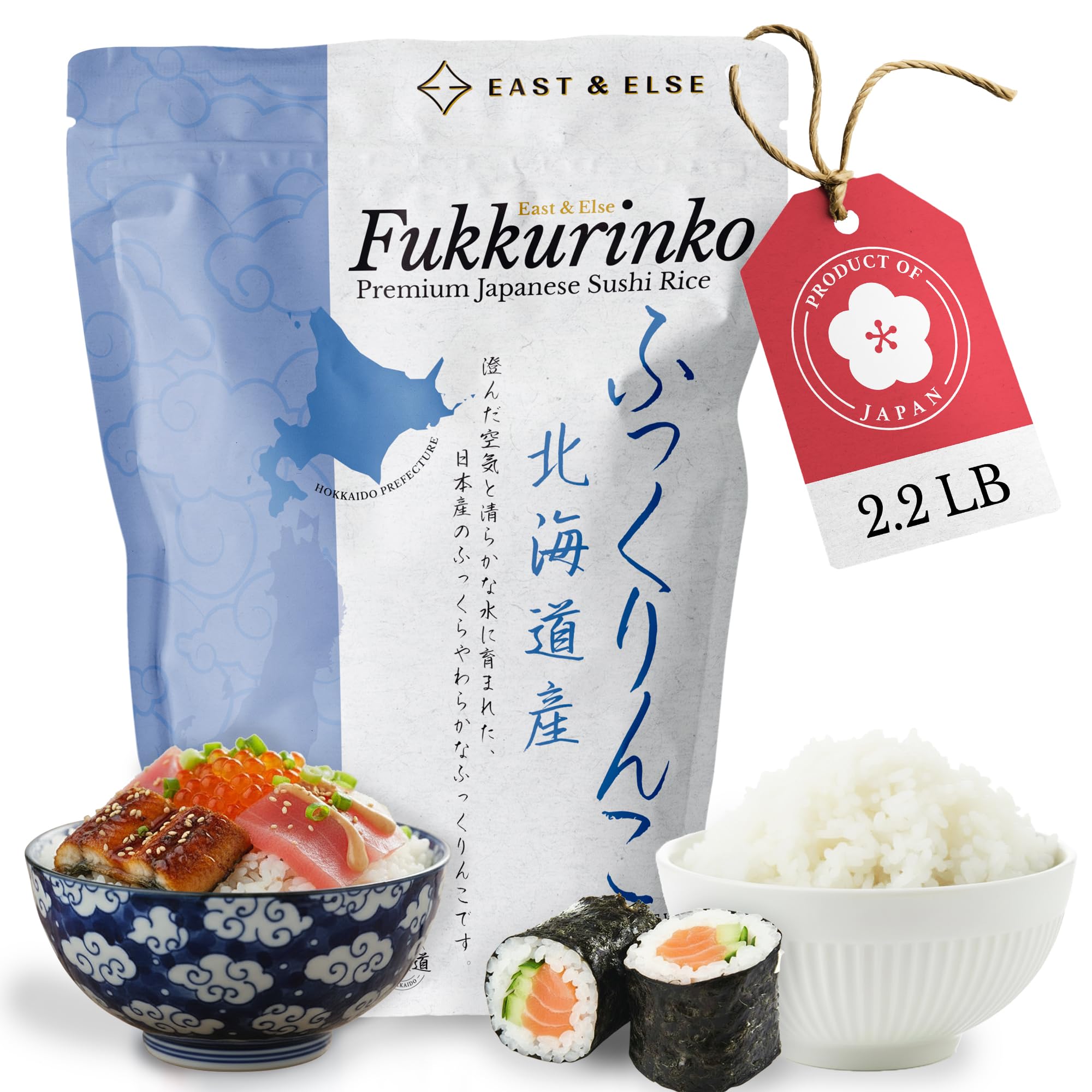
Rice came to Japan from the continent around the third century BCE and reshaped the country: fields, villages, taxes and festivals all organised around it. The Japanese variety is japonica, short and sticky, grown for a texture that holds together when you lift it with chopsticks. Long grain rice from Thailand or India is a different food.
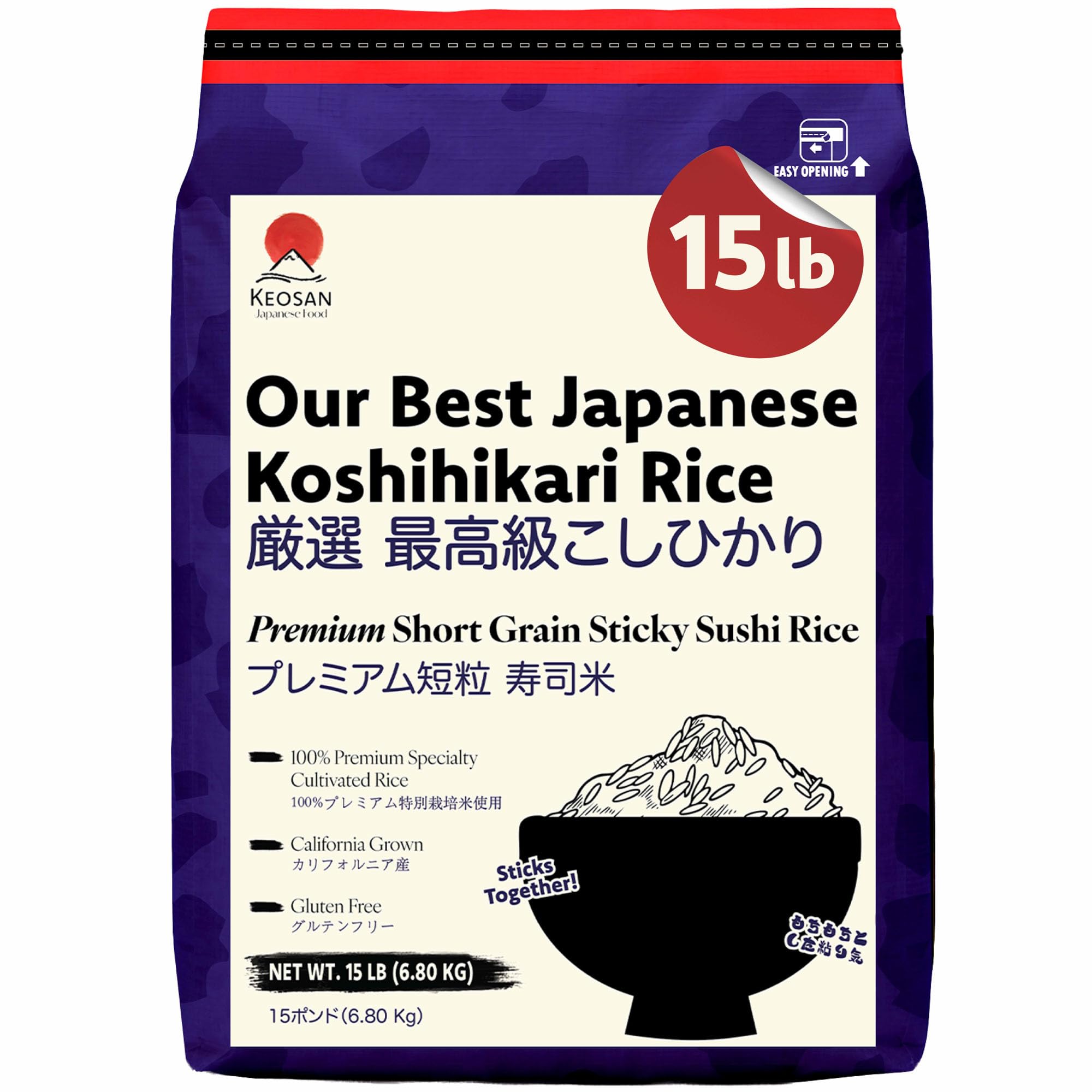
Koshihikari, released in 1956 from a cross bred in Fukui and perfected in Niigata, became the reference grain: sweet, glossy, slightly sticky. Akitakomachi from Akita and sasanishiki from Miyagi are other names worth knowing. Rice is graded by polishing: genmai is brown, haigamai is partly milled, hakumai is white. White rice keeps longer but loses the bran and most of the vitamins.
Cooking is simple and easy to get wrong. Rinse until the water runs clear, soak for thirty minutes, use roughly one part rice to one point one parts water, bring to a boil, then cover and leave on the lowest heat for twelve minutes. Rest it off the heat before opening the lid.
Dashi, the stock under everything
Dashi is the reason Japanese food tastes the way it does. The classic version is kombu steeped in warm water with flakes of dried bonito, katsuobushi, added at the end. It takes fifteen minutes and it is the base of miso soup, noodle broth, simmered dishes and dressings.
Instant dashi powder exists for the same reason stock cubes do, and quality varies enormously. The umami compounds in dashi, glutamate from kombu and inosinate from bonito, were the subject of Kikunae Ikeda's research at Tokyo Imperial University in 1908, which led to the isolation of monosodium glutamate. The science is modern; the combination is older than the science by centuries.
Vinegar and pickles
Rice vinegar is milder than wine vinegar, around four to five percent acidity, which is why it can be used by the spoonful in sushi rice and dressings without overwhelming the dish. It is made from fermented rice or sake lees and has been produced in Japan since the Edo period.
Umeboshi are salt pickled plums, sour and salty, traditionally eaten with rice and used as a filling for onigiri. The red colour comes from shiso leaves packed in with the fruit. A single plum is enough to flavour a whole bowl, which is why the practice survived centuries of expensive salt.
Furikake, the rice shortcut
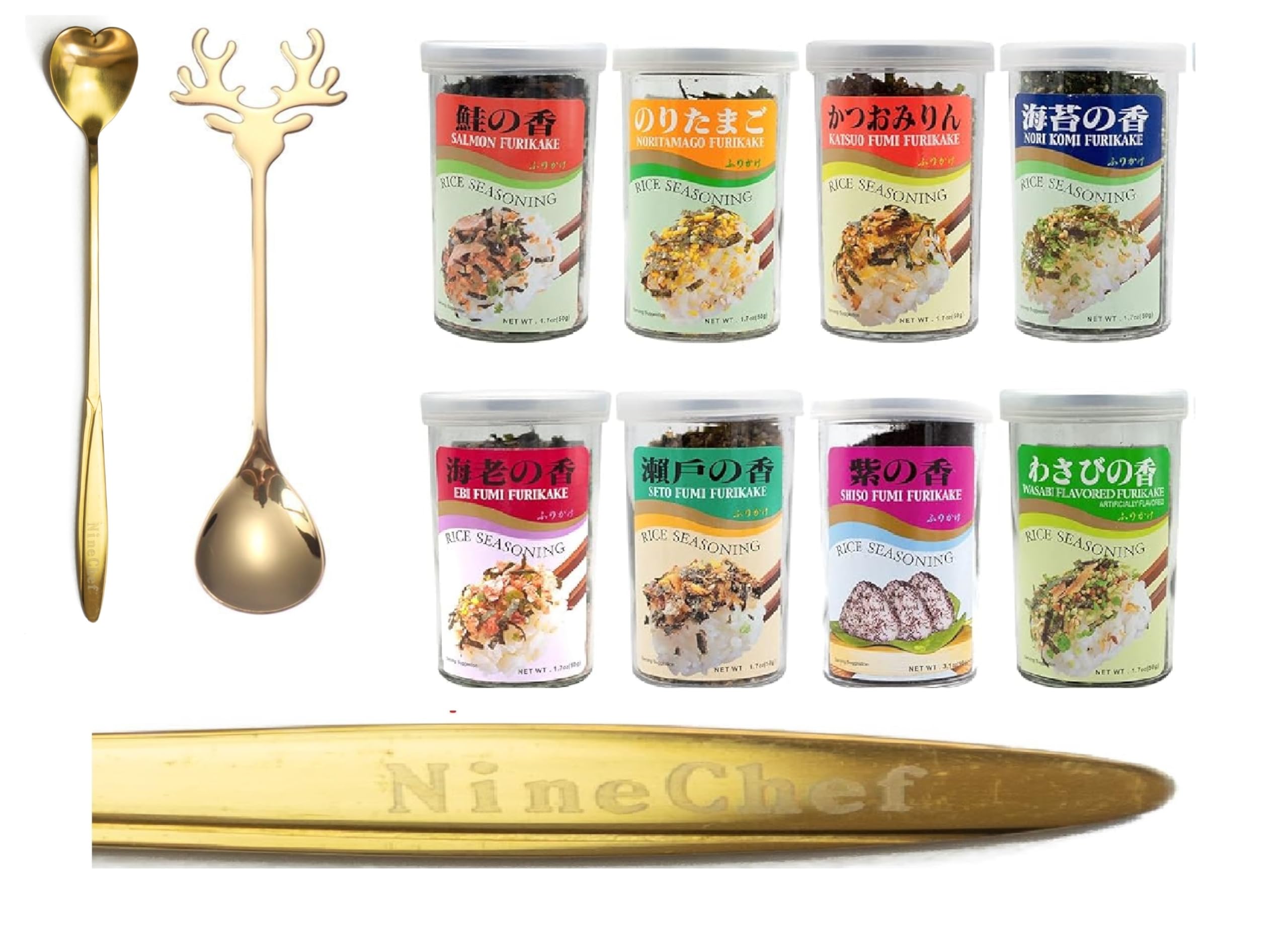
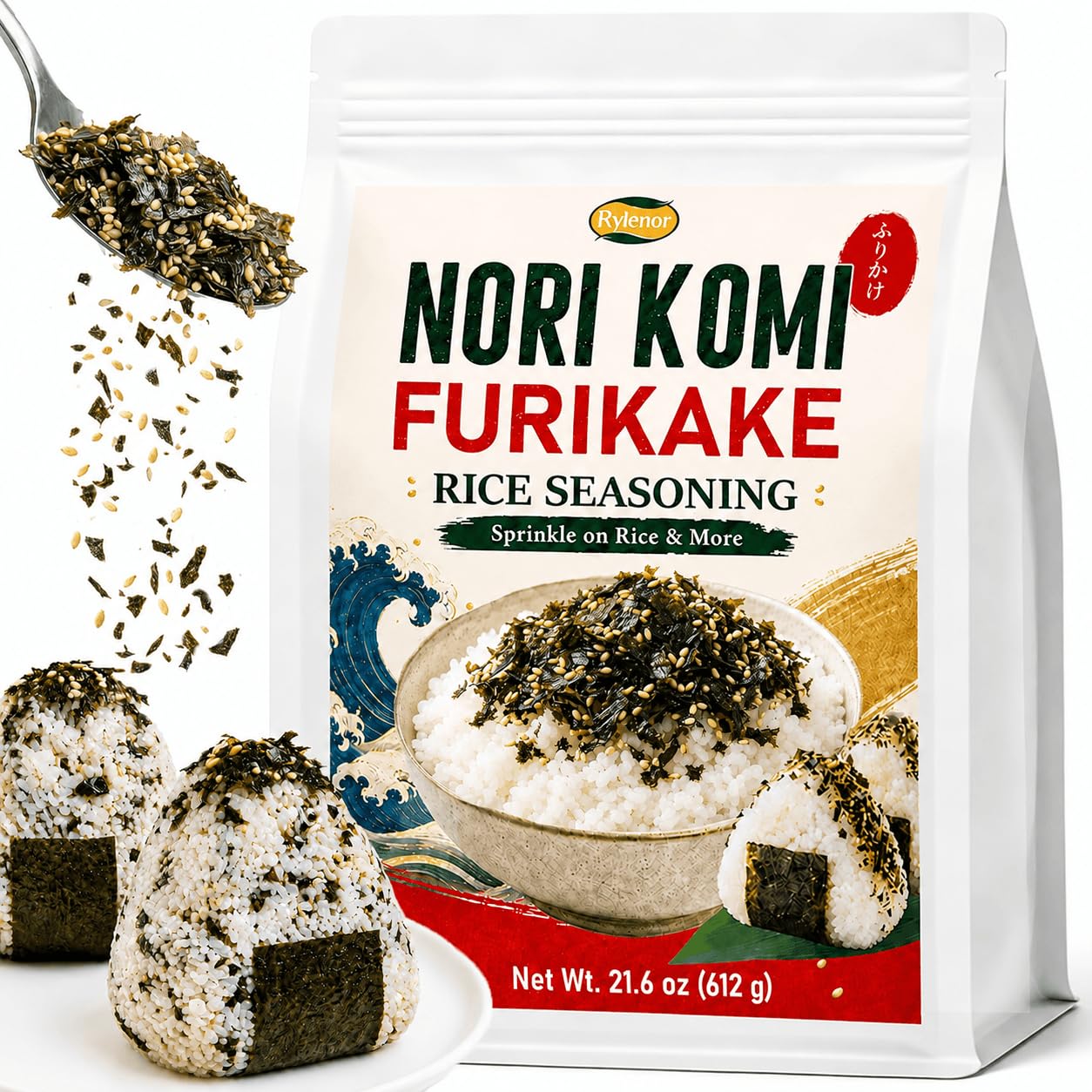
Furikake is a dry sprinkle of seaweed, sesame, dried fish, sugar and salt, invented in the early twentieth century as a way to make plain rice more appealing. It became widespread after the Second World War, when food was scarce and a jar of seasoning could turn rice into a meal. Modern versions come in dozens of flavours, from salmon to egg to wasabi.
It is not a traditional food in the old sense, and it is one of the most useful things in the cupboard. A bowl of rice, a spoon of furikake, and a fried egg is a ten minute dinner, and a handful of nori makes it look deliberate.
Sesame and the small extras
Toasted sesame seeds, ground sesame, panko breadcrumbs, ginger and wasabi paste all belong here. None of them define a dish, and all of them decide whether it tastes finished. Ground sesame in particular is the difference between a dressing that tastes flat and one that tastes like the dressing you had in a restaurant.
Buy small quantities of these. They go stale faster than you expect, and a fresh jar of sesame costs less than a forgotten one.
The staples above are the ones worth keeping in stock. If you buy only four things from this category, make them rice, dashi, rice vinegar and furikake. Everything else is a refinement.