Collection
Sencha
Sencha is the tea most Japanese households drink daily. Look for a harvest date on the bag, a deep green leaf, and a smell of cut grass rather than hay.






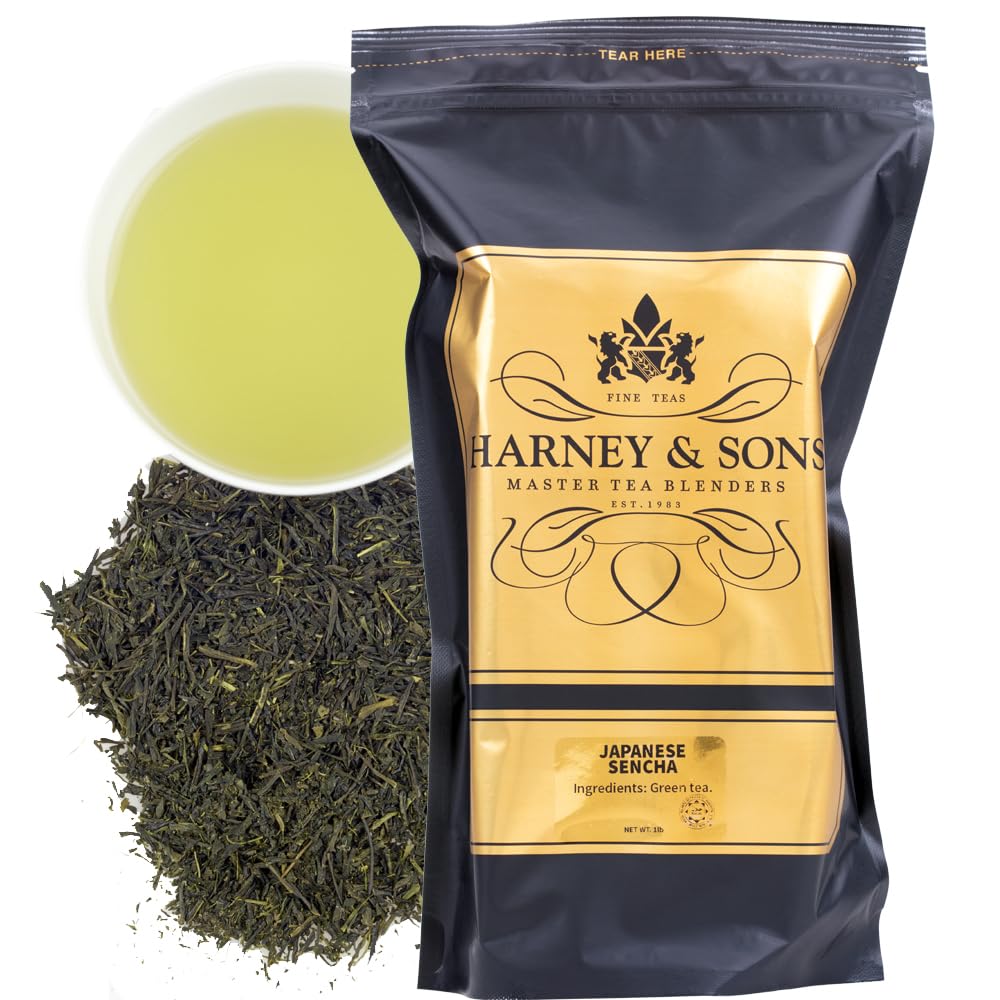
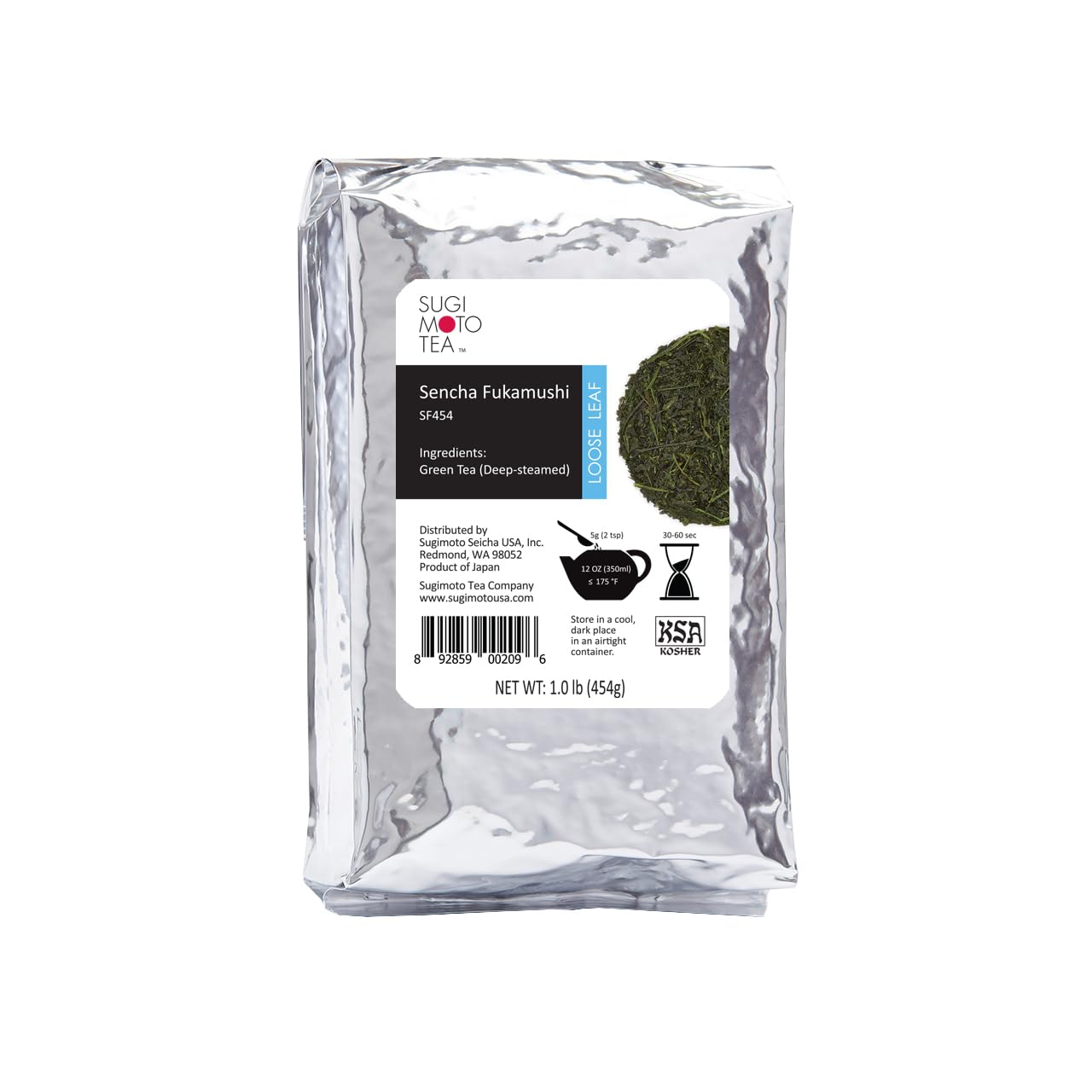

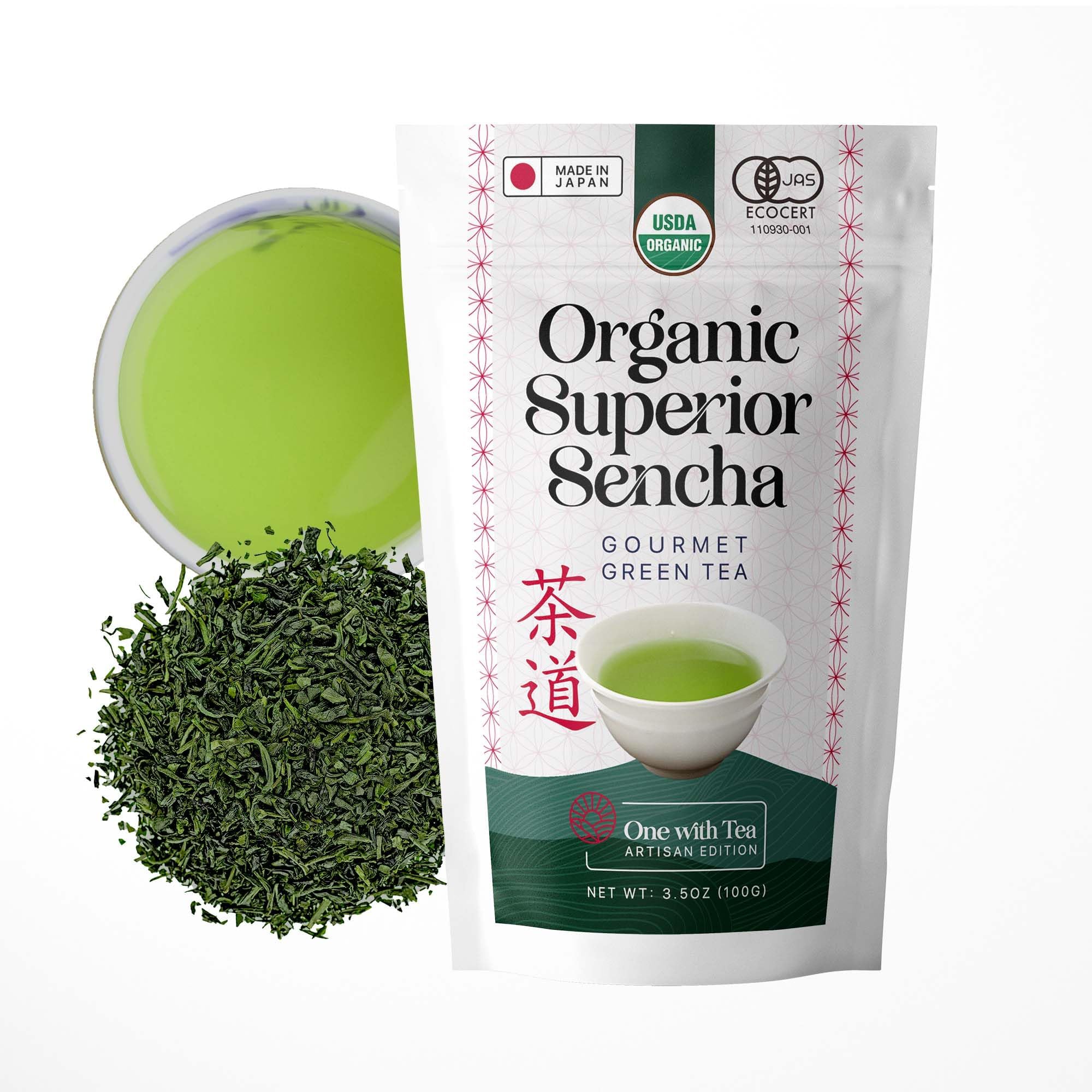

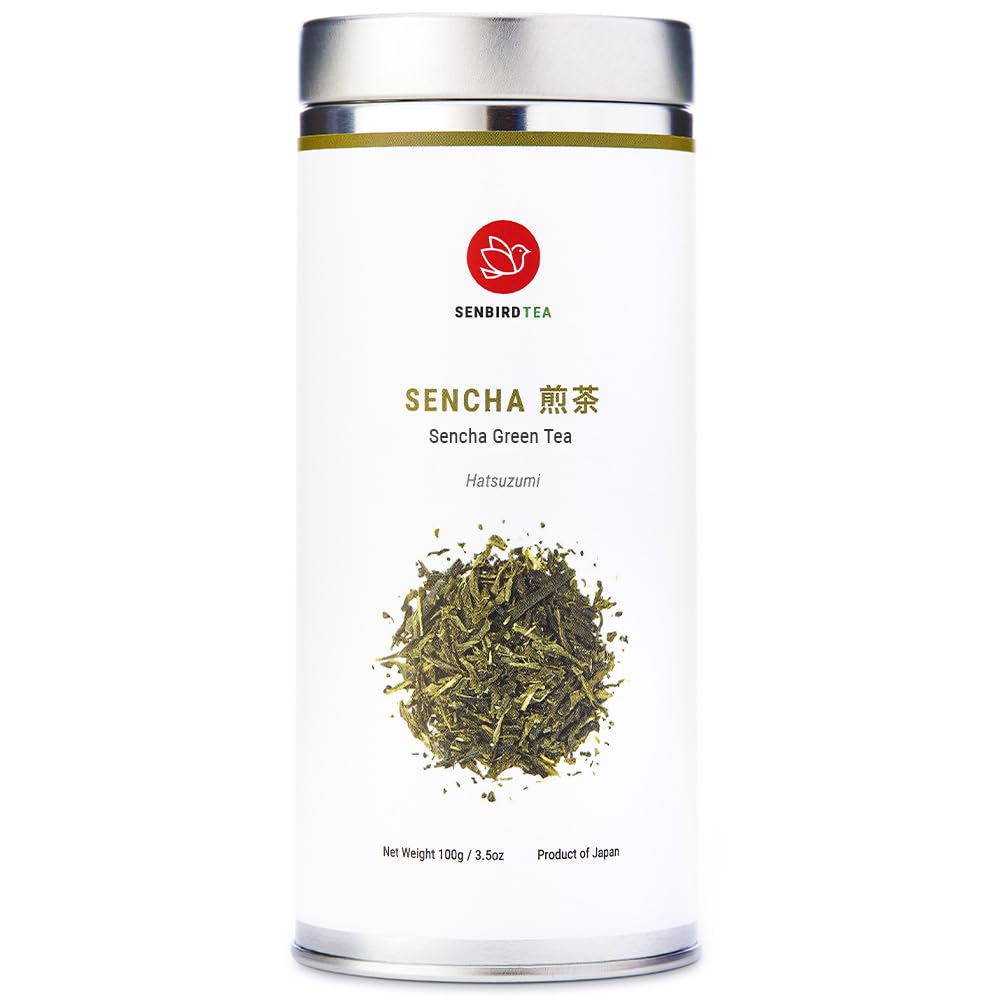

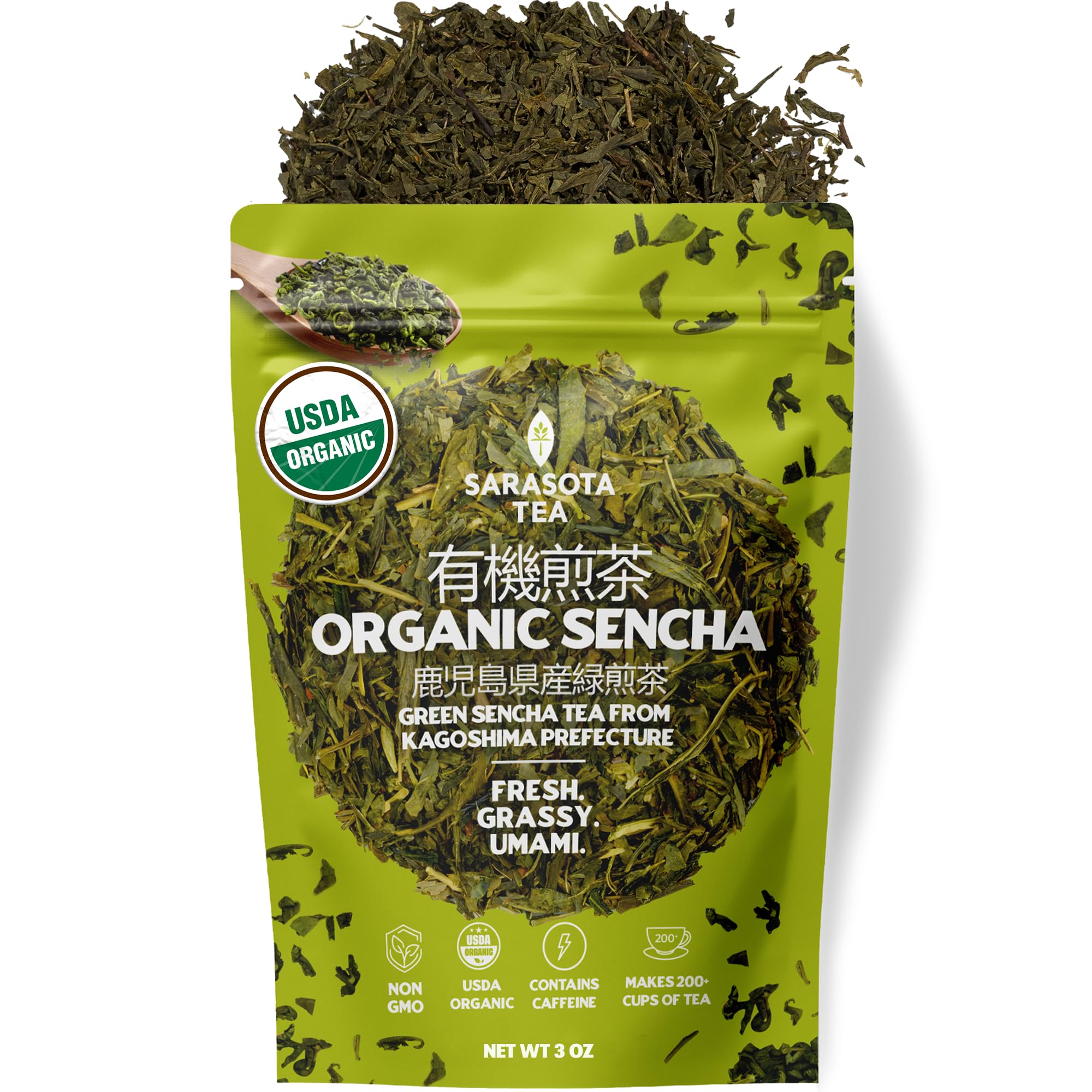


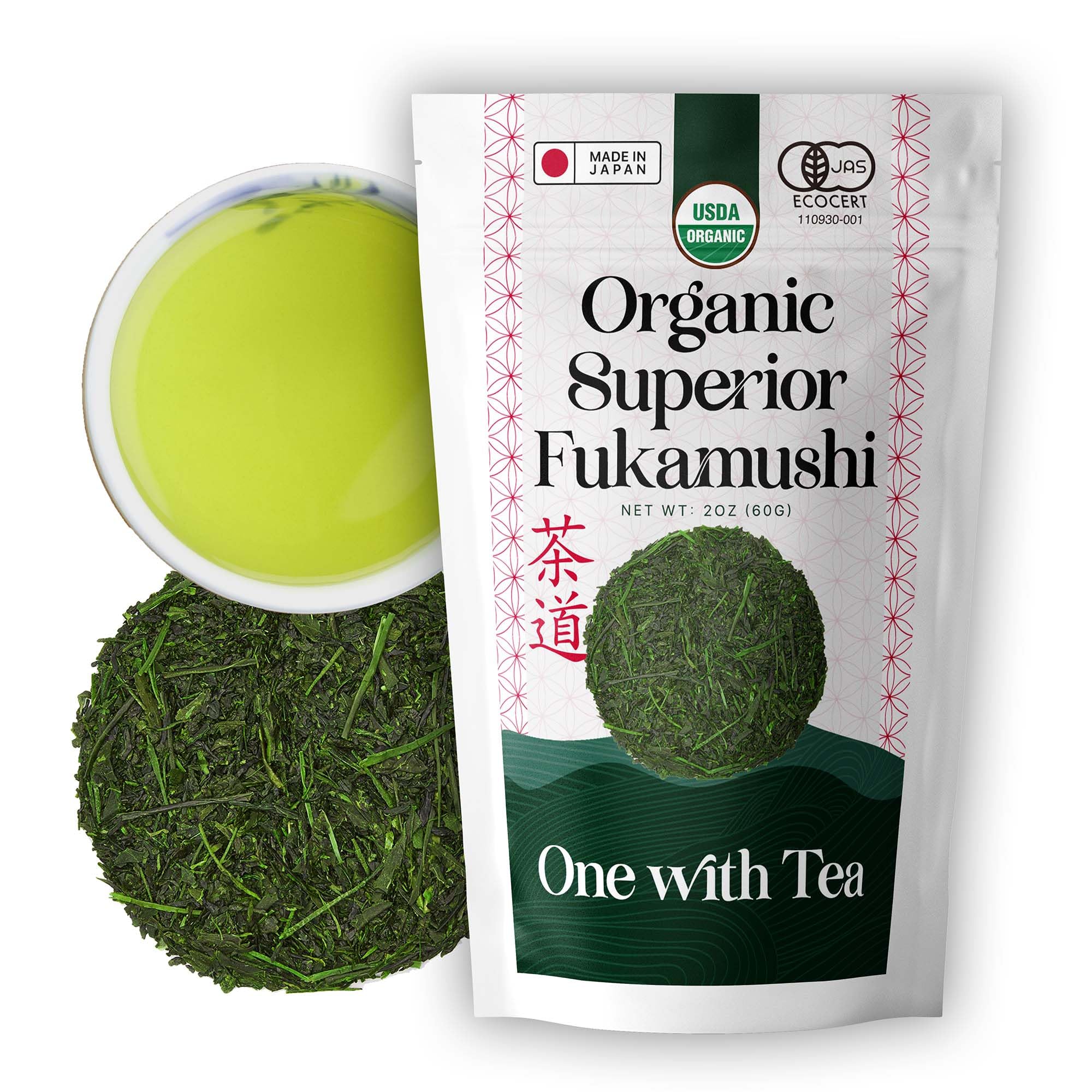

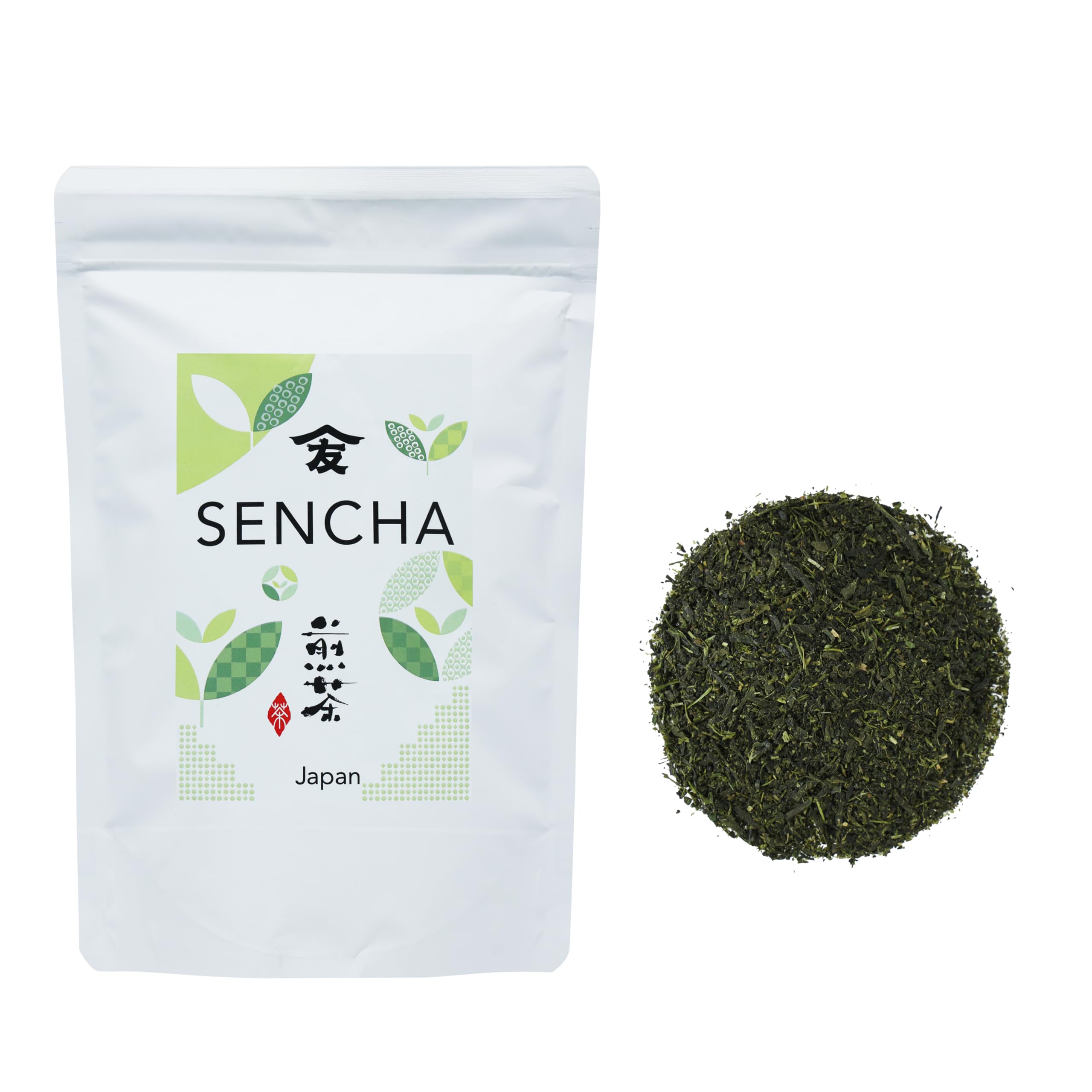
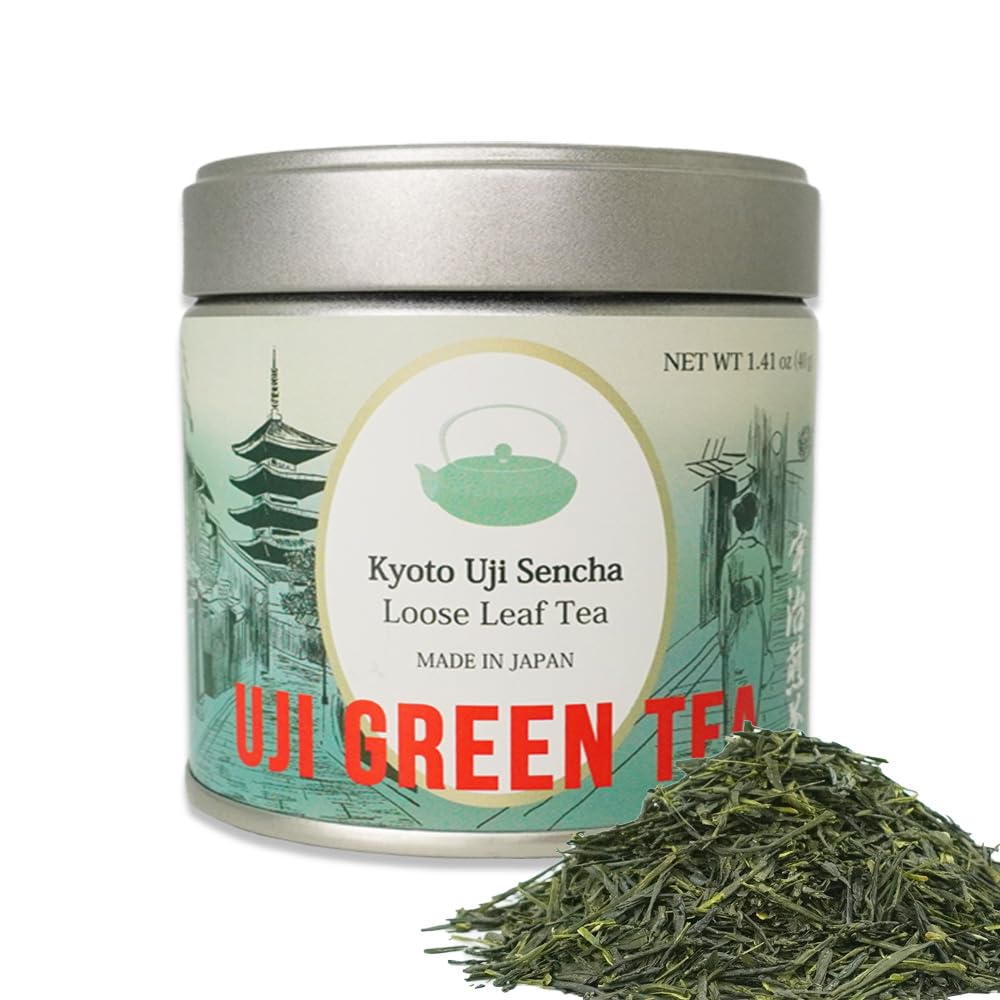

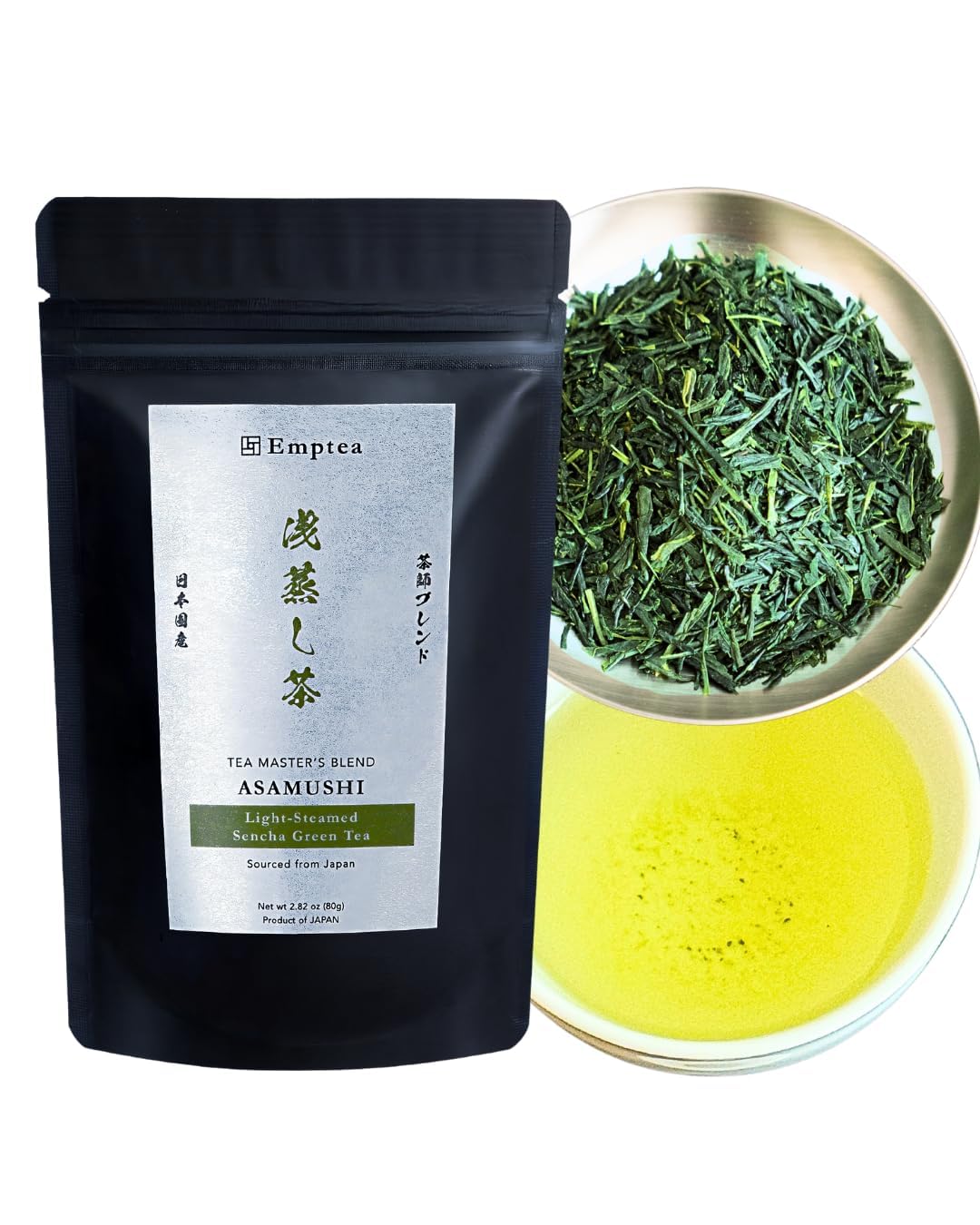
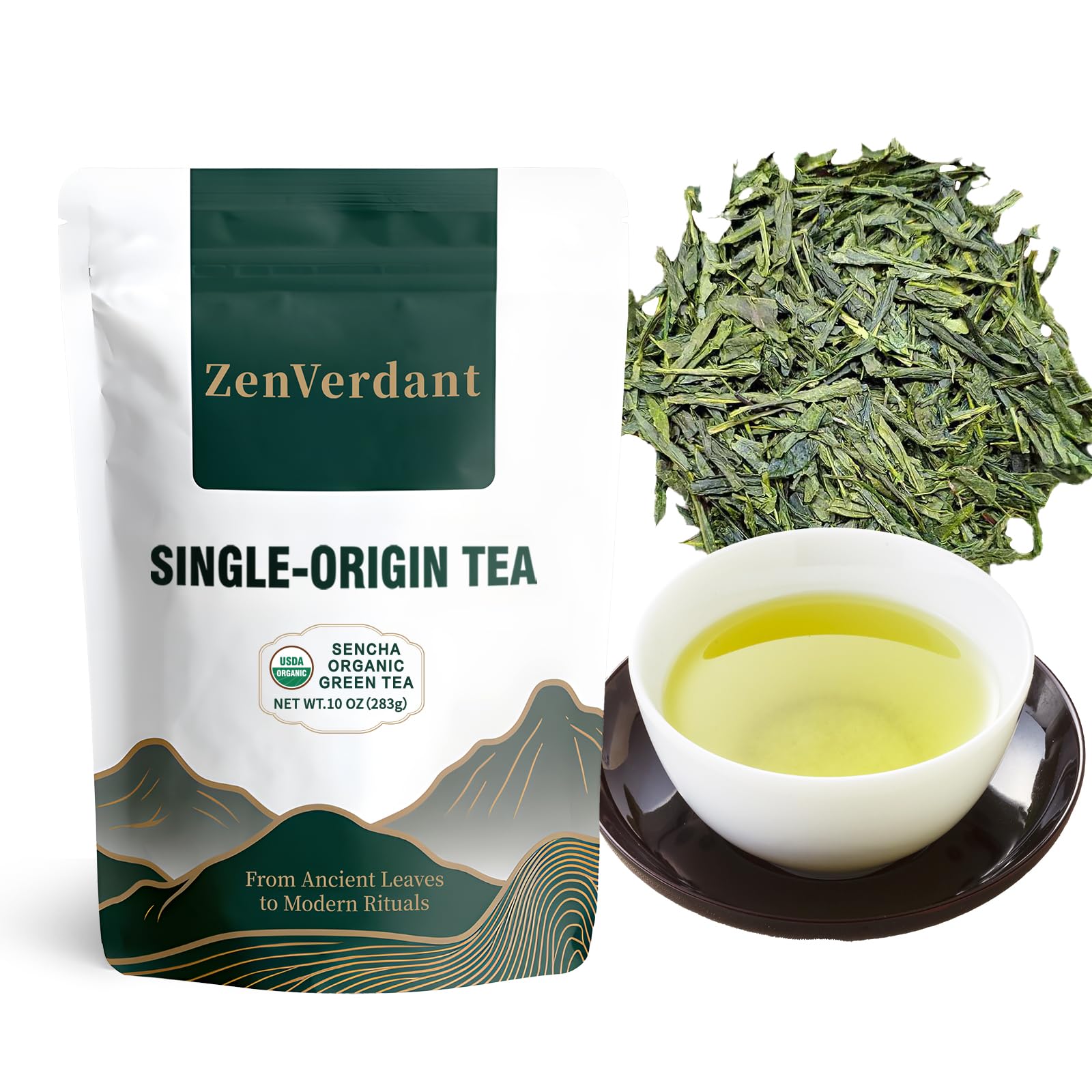
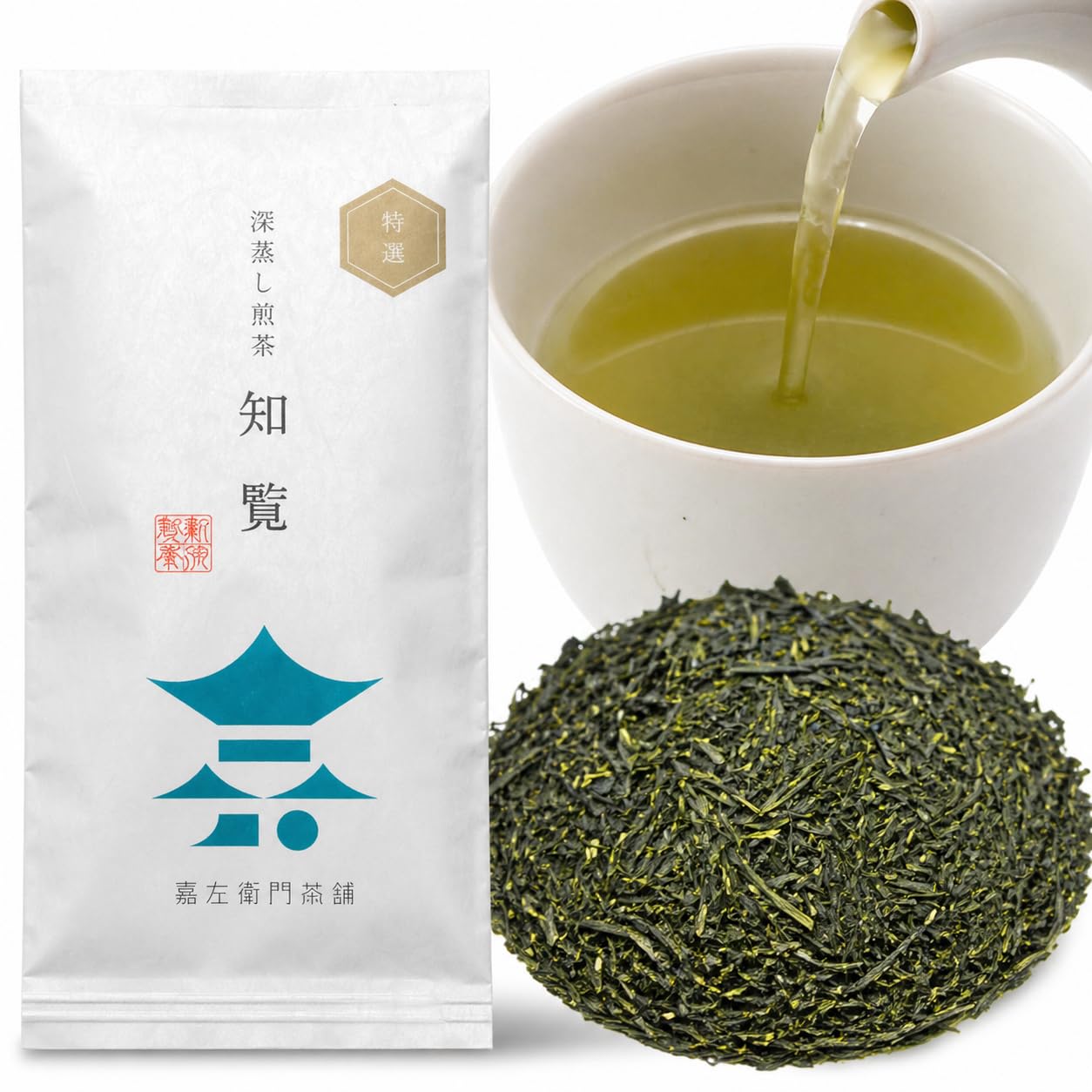


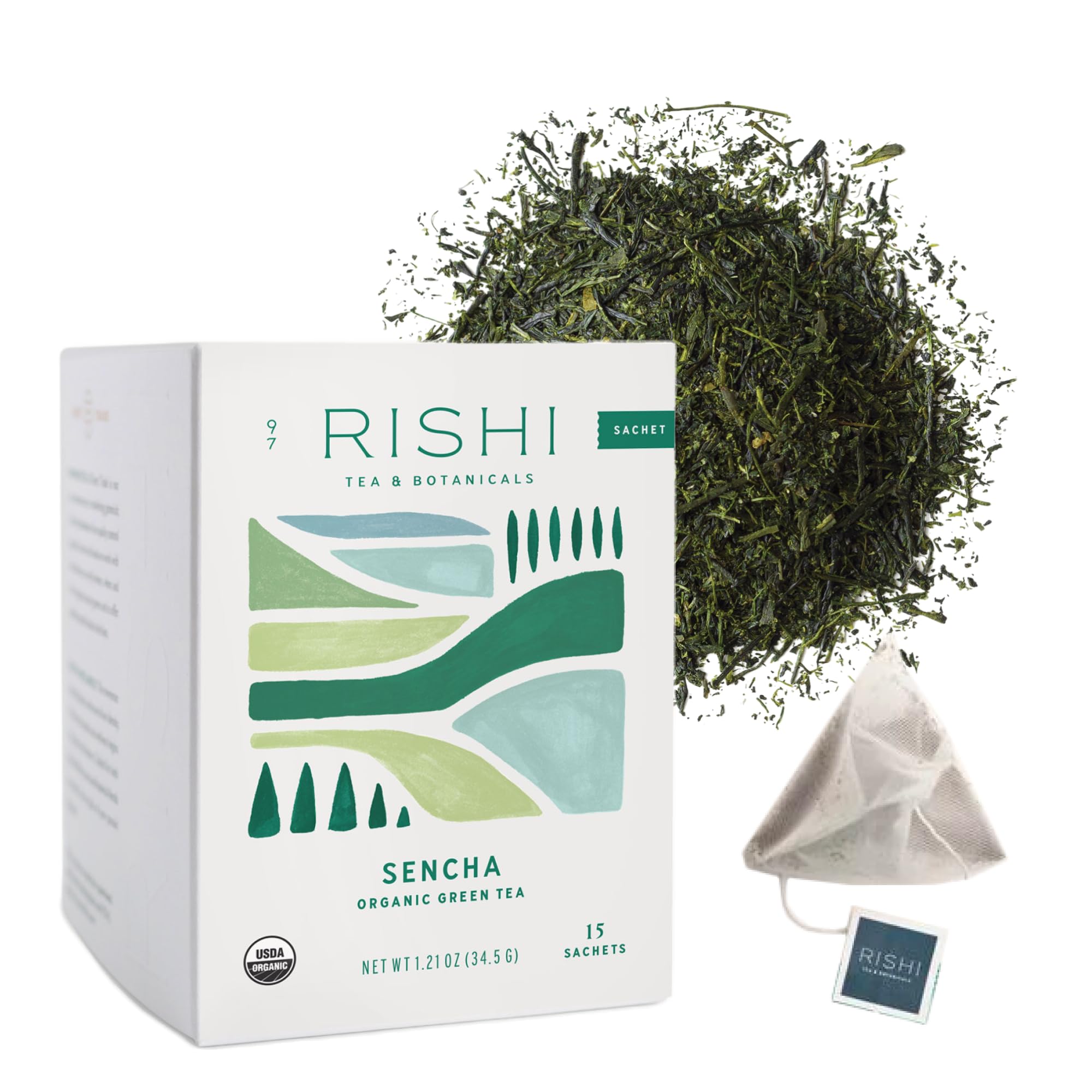


Sencha: the everyday tea that Japan actually drinks
Ask for tea in a Japanese home and you will not be handed matcha. You will get a cup of sencha, the loose leaf green tea that has been the country's daily drink since the eighteenth century. It is unglamorous, cheap by the kilo, and far more demanding of technique than it looks.
The invention that changed daily life
For centuries Japanese tea meant matcha, whisked powder, or coarse boiled leaf tea. The method that made sencha possible, steaming the leaves before rolling and drying them, is usually credited to Nagatani Soen, a tea grower in Uji who worked it out in the 1730s. Steaming stops oxidation within minutes and fixes the green colour, while rolling gives the leaf its needle shape and controls how it releases flavour.
The result was a tea that ordinary households could make in a pot. It spread through the Edo period, moved into shops and inns, and by the twentieth century it had become the default cup. Matcha stayed ceremonial and expensive; sencha became the tea of breakfast, of guests, of the office.
How it is grown and graded
Sencha comes from the same plant as every other green tea, camellia sinensis. What changes the taste is shade, harvest date and processing. Leaves picked in the first flush of spring, shincha, are younger and more aromatic. Gyokuro is grown under shade for weeks, which pushes sweetness into the leaf and is the closest green tea gets to luxury. Kabusecha sits between the two, shaded for only a week or so.
Later harvests become bancha, coarser and well suited to roasting. Genmaicha mixes sencha or bancha with roasted rice, a habit that began as a way to stretch expensive tea and is now preferred for the toasty, nutty edge. Kukicha uses the stems and twigs, lighter and lower in caffeine.
The regions
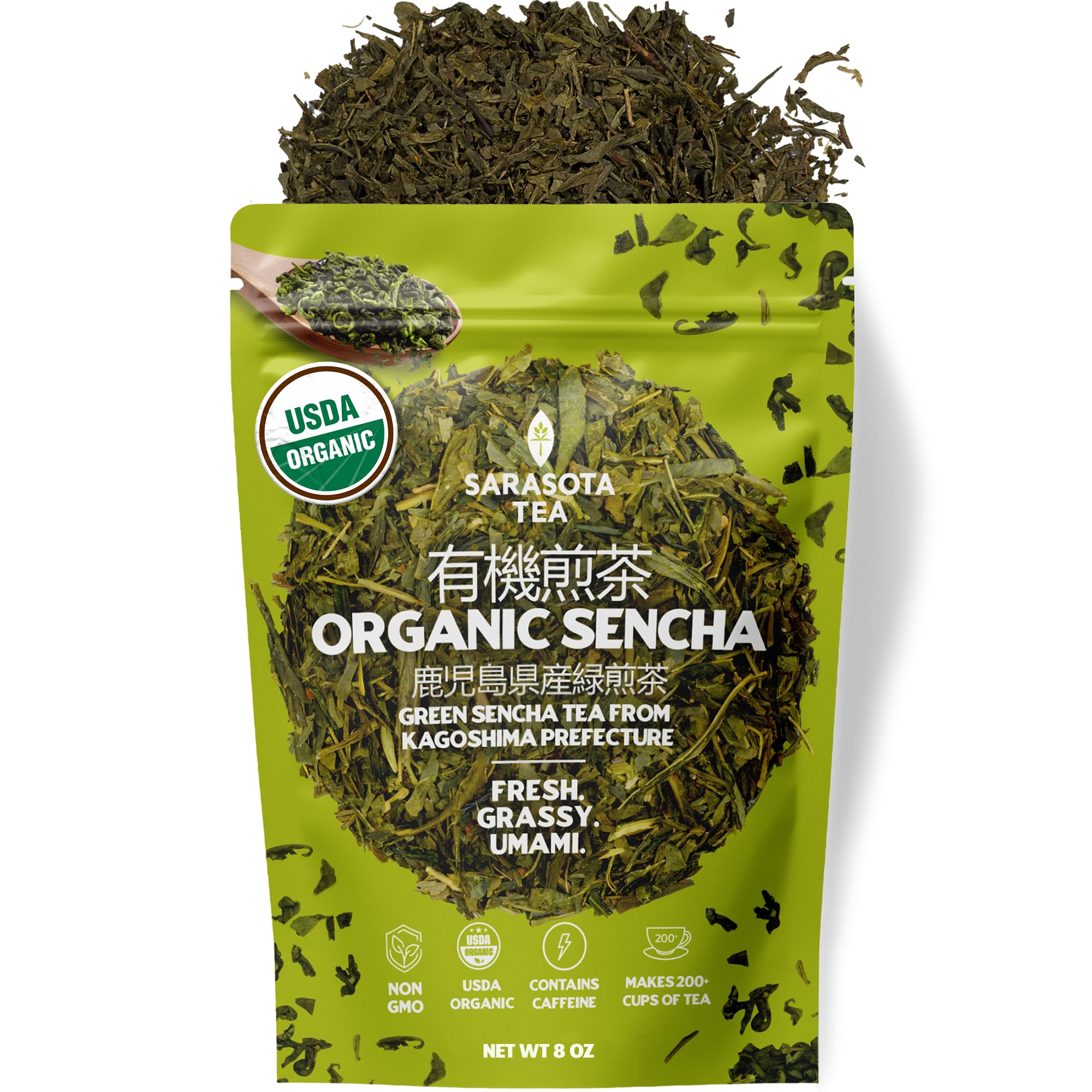
Shizuoka, beneath Mount Fuji, is the largest producing prefecture and the source of most everyday sencha exported abroad. Kagoshima in the south has the volume and a long picking season. Uji and Yame, in Kyoto and Fukuoka, hold the reputation for refined, higher grade leaf. A bag that names the region and the harvest year is generally worth the extra.
Steeping is where most cups fail
Set against matcha and hojicha, sencha sits in the middle: less fuss than powder, more edge than roast. Boiling water is the reason many people believe they dislike green tea. Sencha wants water around seventy to eighty degrees, a spoonful of leaf per cup, and a steep of sixty to ninety seconds. Pour it off the leaves or it keeps getting bitter. The second and third steeps are often better than the first, taken faster and cooler.
A kyusu, the Japanese side-handle teapot with a built-in mesh strainer, makes this easier because it pours one-handed and stops the leaf at the spout. A fine mesh is important: sencha is broken into needles and fannings that clog a Western infuser.
Why leaf shape matters
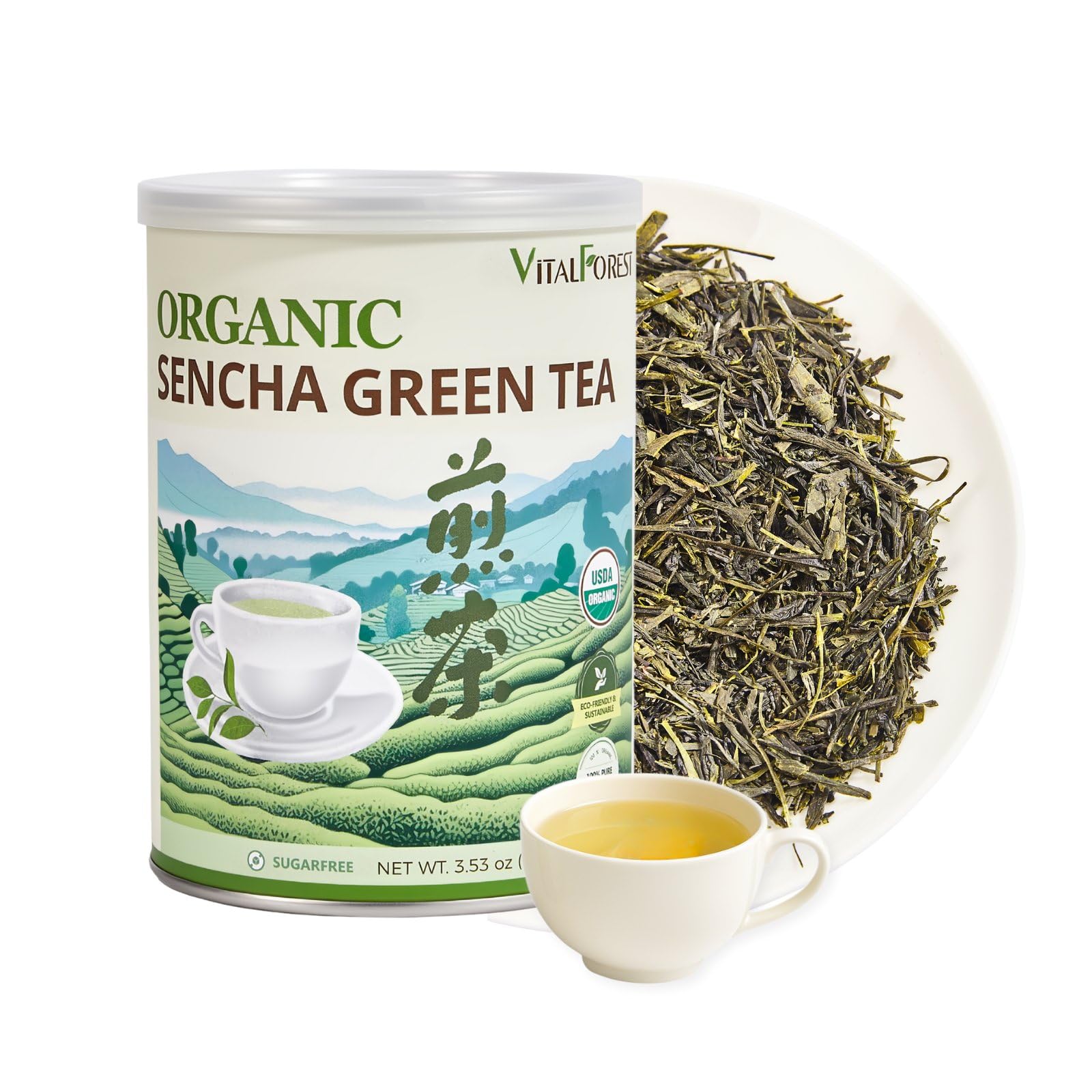
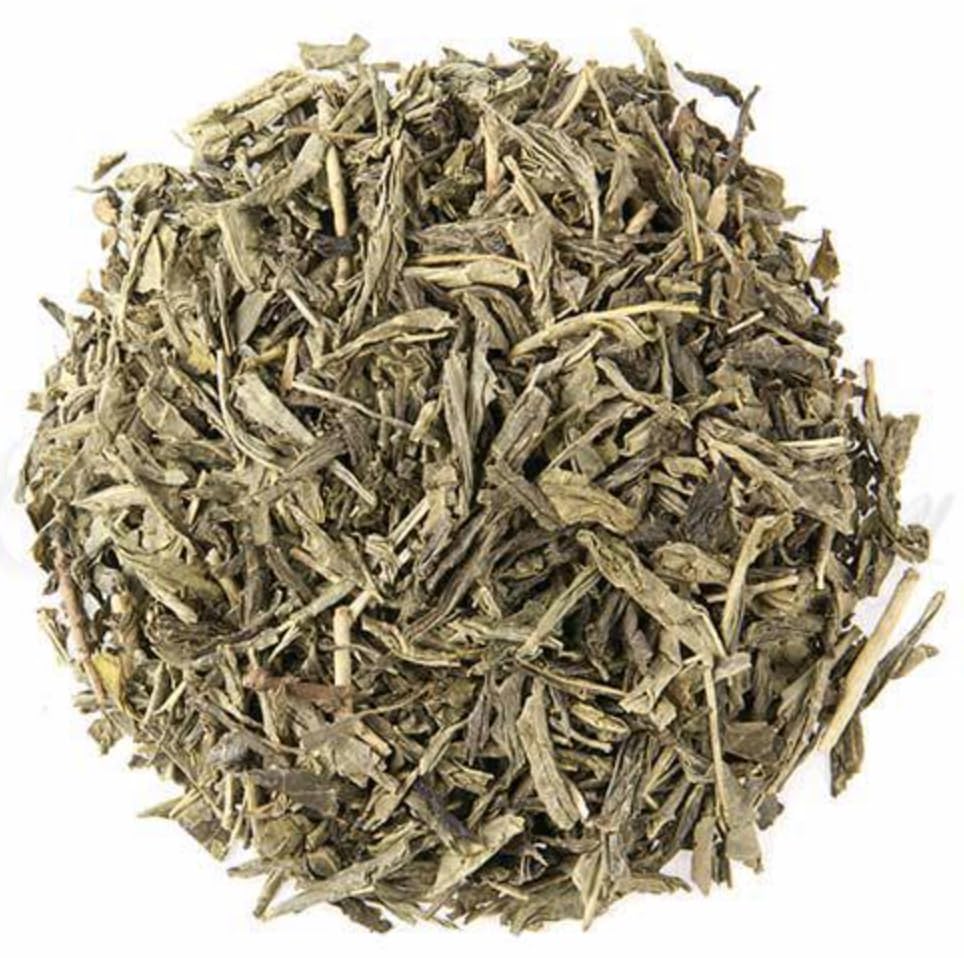
Whole, unbroken needles release flavour slowly and evenly. Fanning and dust, the sweepings sold cheaply, release everything at once and turn bitter in forty seconds. Look at the bag: if you can see distinct dark green needles, the tea is worth brewing carefully. If it looks like the bottom of a lawnmower, use it for cold brew.
Cold brew and the summer cup
Sencha works unusually well in cold water. A spoonful in a jug of cold water, left in the fridge for two to four hours, gives a sweet, low bitterness drink that survives a hot afternoon. It also makes cheap leaf taste better, which is a useful thing to know.
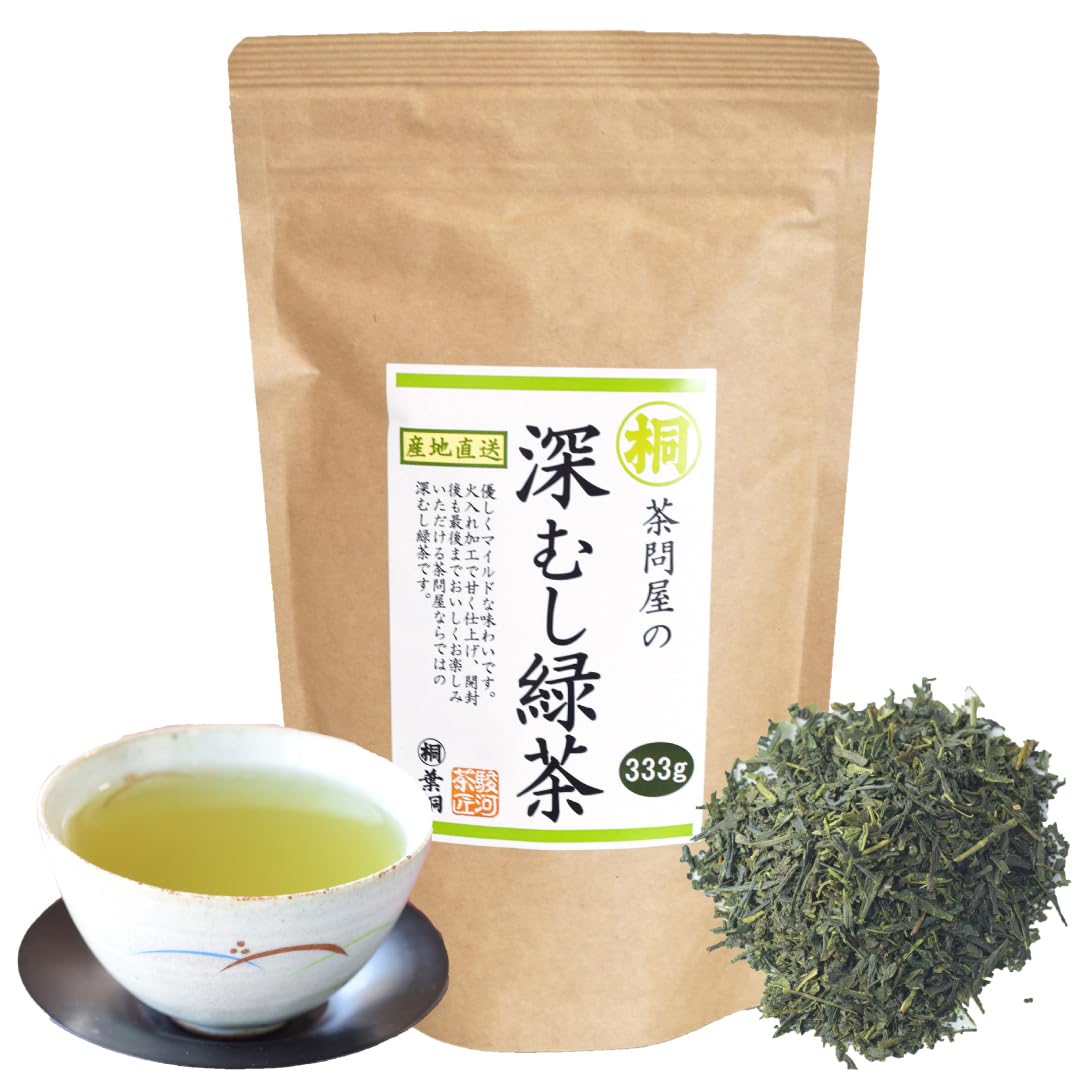
The sencha above ranges from everyday Shizuoka loose leaf to organic first flush. If you are new to it, buy a mid-priced loose leaf, a kyusu, and a cheap thermometer, which matters more than the tea does.