
Collection
Teaware
A cast iron tetsubin holds heat well and pours cleanly. A bamboo chasen is the only real way to whisk matcha smooth. Start with the whisk before the pot.


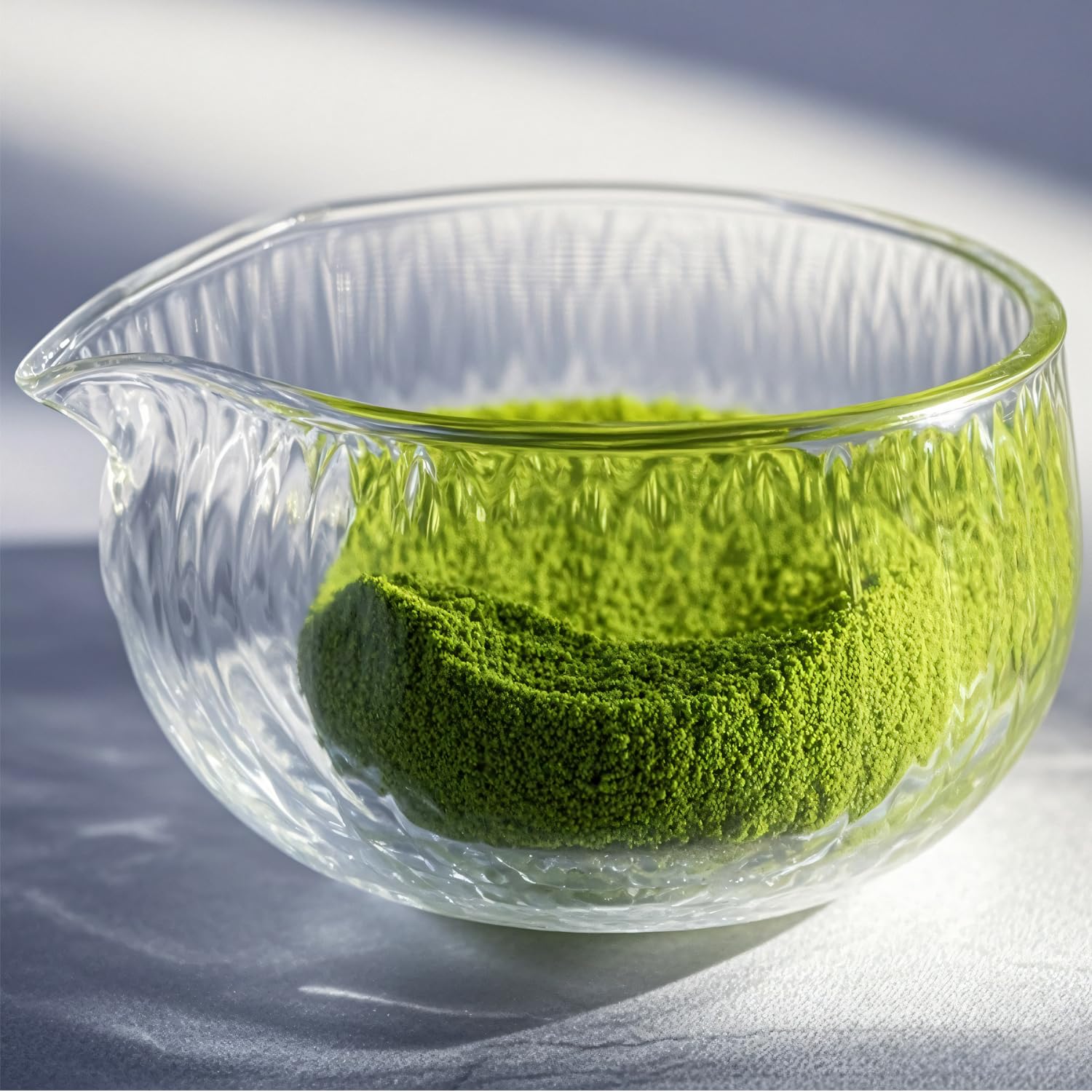

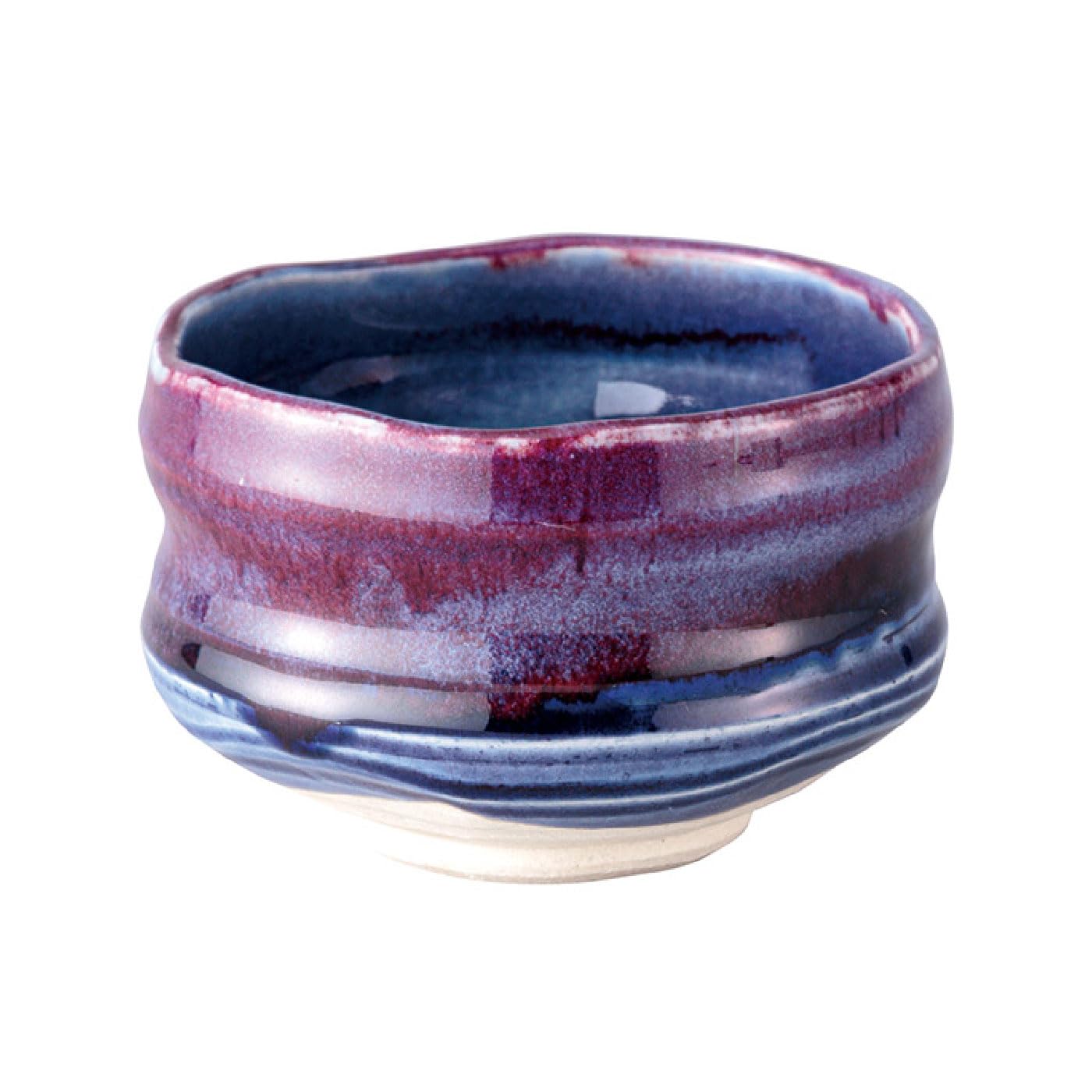

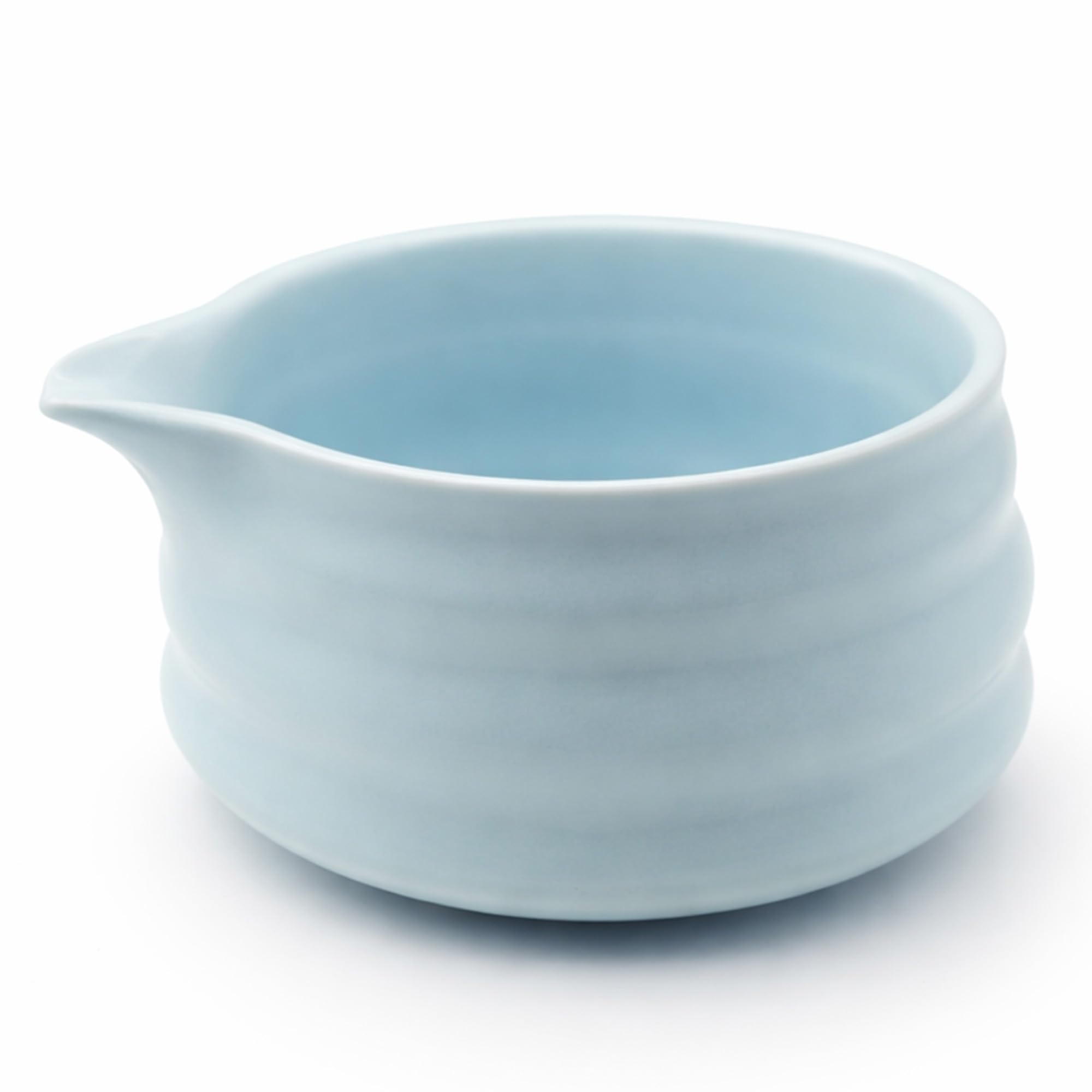


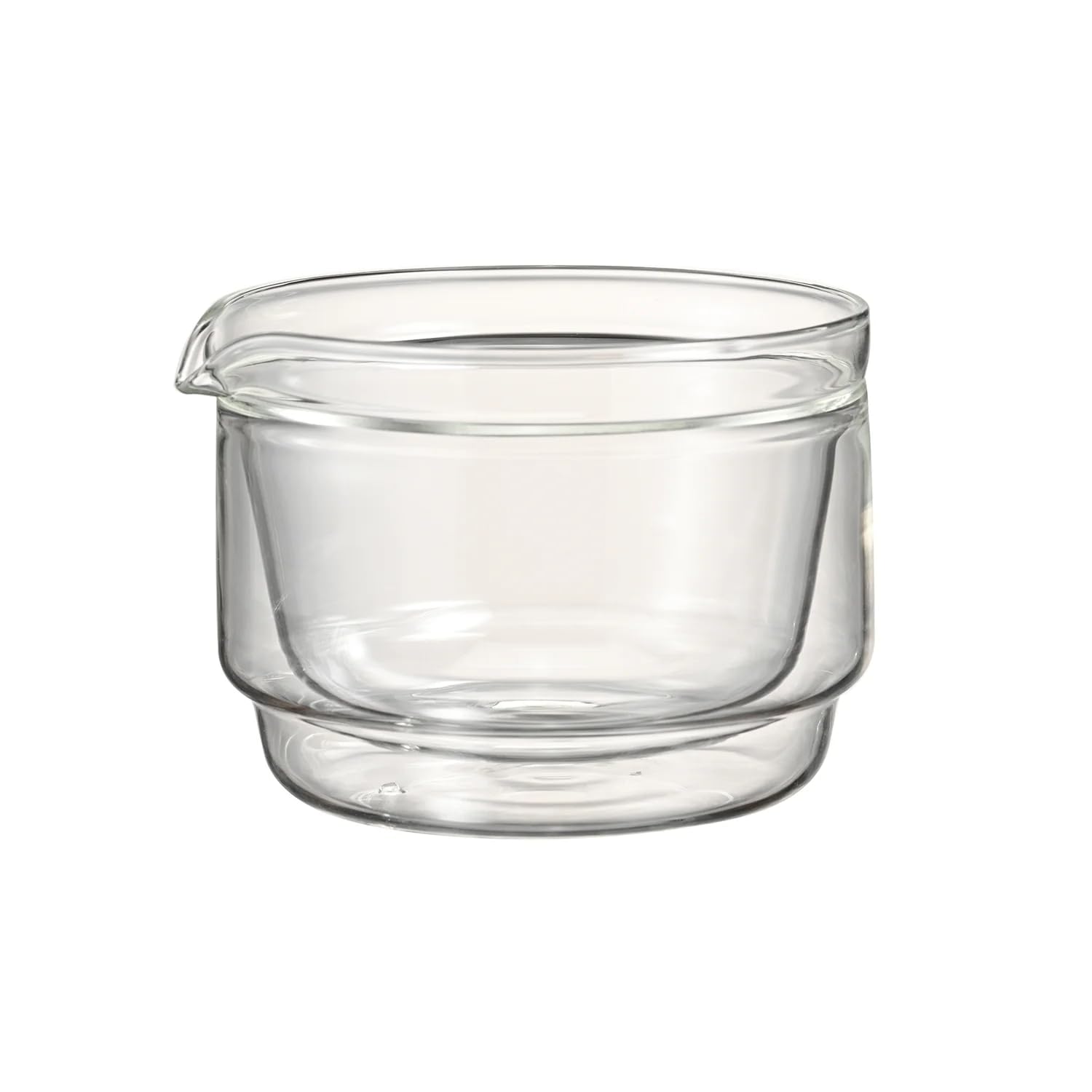






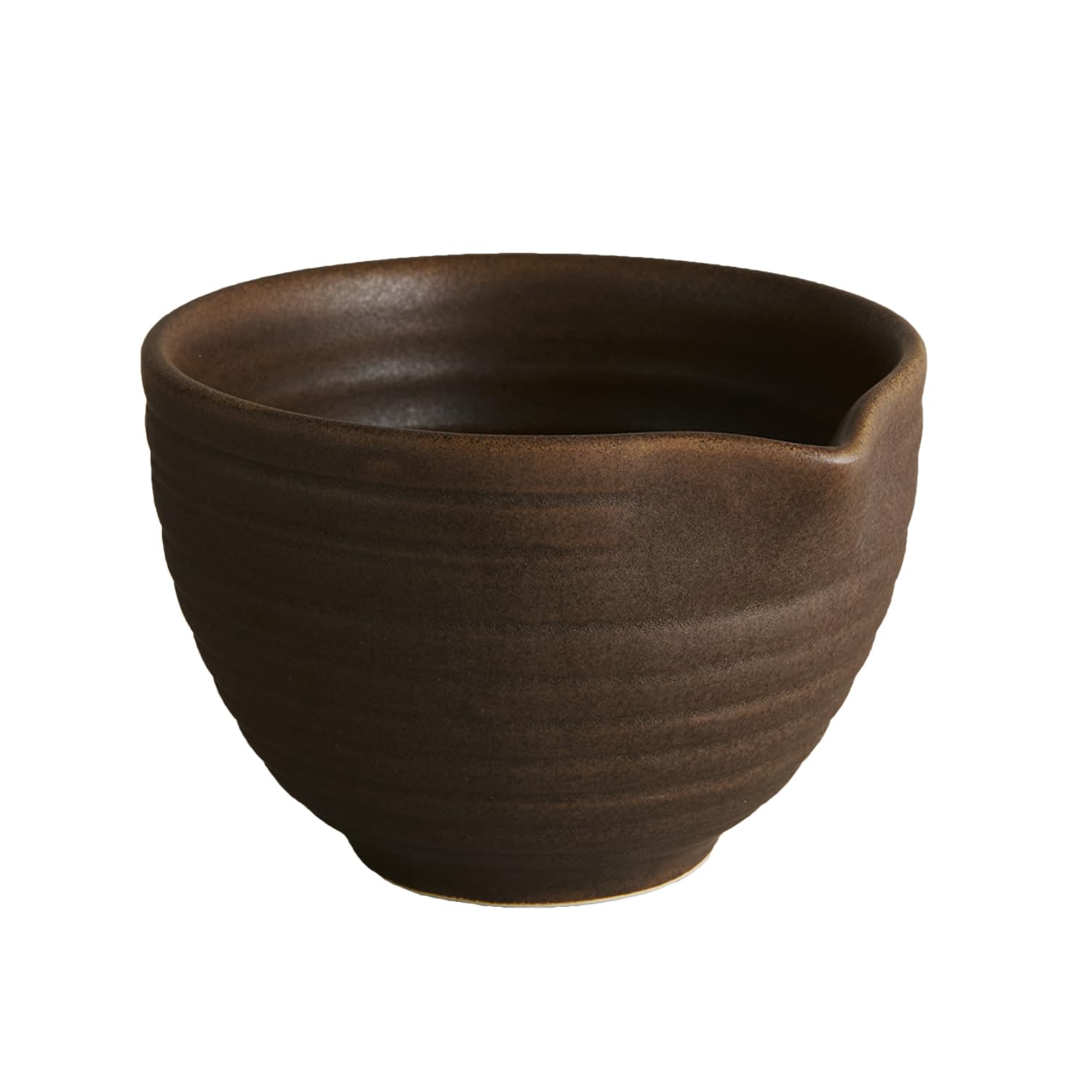


Teaware: the objects that decide how the tea tastes
Japanese tea equipment looks like a hobby until you use it. A kyusu pours one handed without a strainer, a chawan gives a whisk room to move, and a cast iron kettle holds heat for an hour. None of it is decorative. Each piece exists because of a problem the tea created.
From the tea room outward
The core objects of Japanese tea were shaped by chanoyu, the way of tea codified in the sixteenth century. The chawan, the bowl, is the centre of that practice, and the best historical examples are treated as national treasures. The chasen, a bamboo whisk cut with eighty or more fine prongs, and the chashaku, a slim bamboo scoop, came from the same tradition.
What happened afterwards is more interesting than the ritual. The forms were copied into ordinary life: the bowl became a rice bowl shape, the whisk became a kitchen tool, and the tea caddy moved from the tea room to the shop shelf. Most of what you can buy today descends from ceremonial objects that were simplified for daily use.
Kyusu, the side handle pot
The kyusu is the Japanese answer to a practical problem: how to pour tea for several people with one hand while the other holds a cup. The handle sits at right angles to the spout, the strainer is built into the body, and the shape is wide rather than tall so the leaf can open. Tokoname in Aichi has made these pots for centuries, and its clay is famous for retaining heat without holding on to flavours.
Strainer type matters more than the pot's appearance. A ceramic mesh, called a sasame, keeps fine leaf out of the cup but clogs with small particles. A stainless mesh is easier to clean and better for sencha fannings. A flat ceramic plate with slots suits whole leaf and hojicha twigs.
Chawan and the matcha bowl
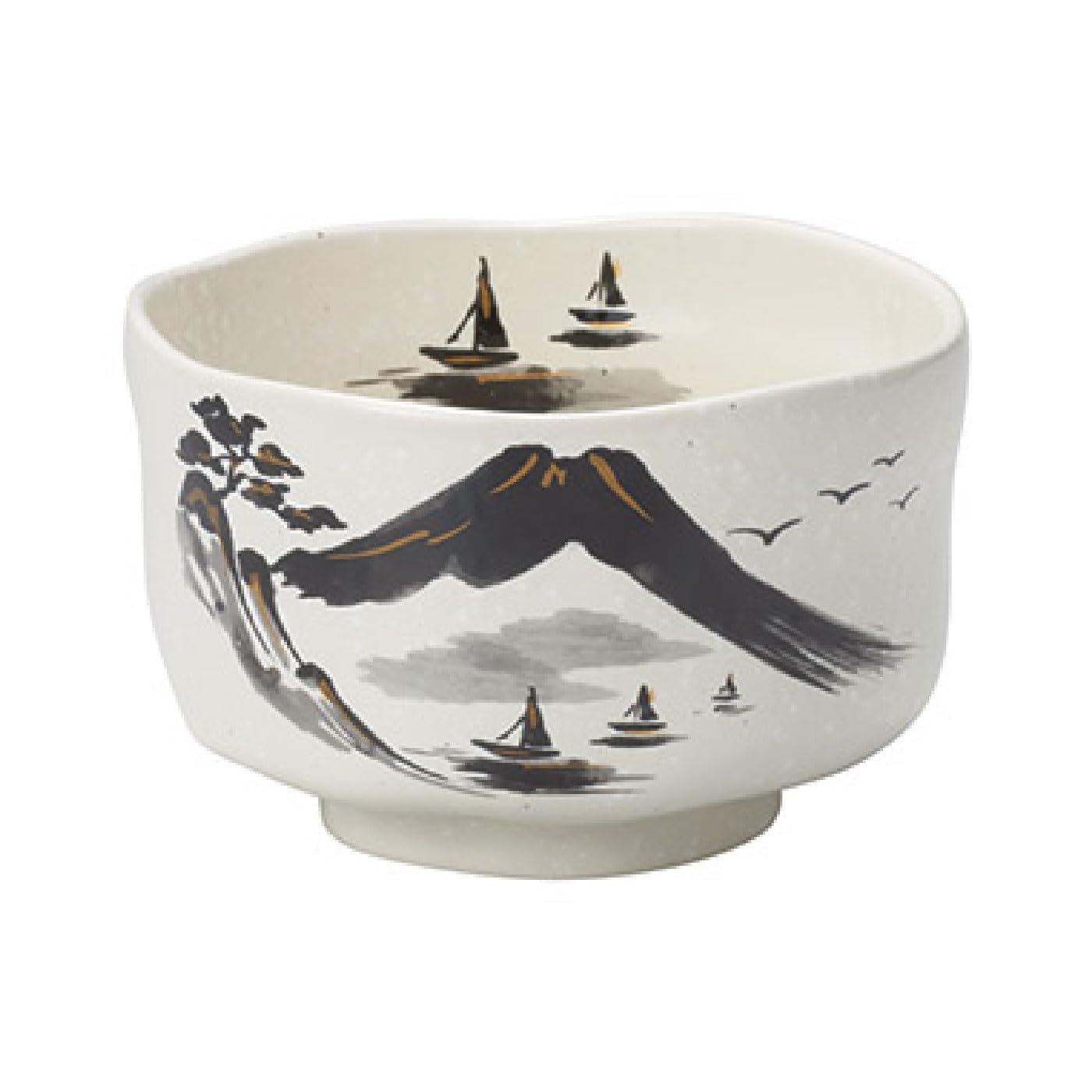
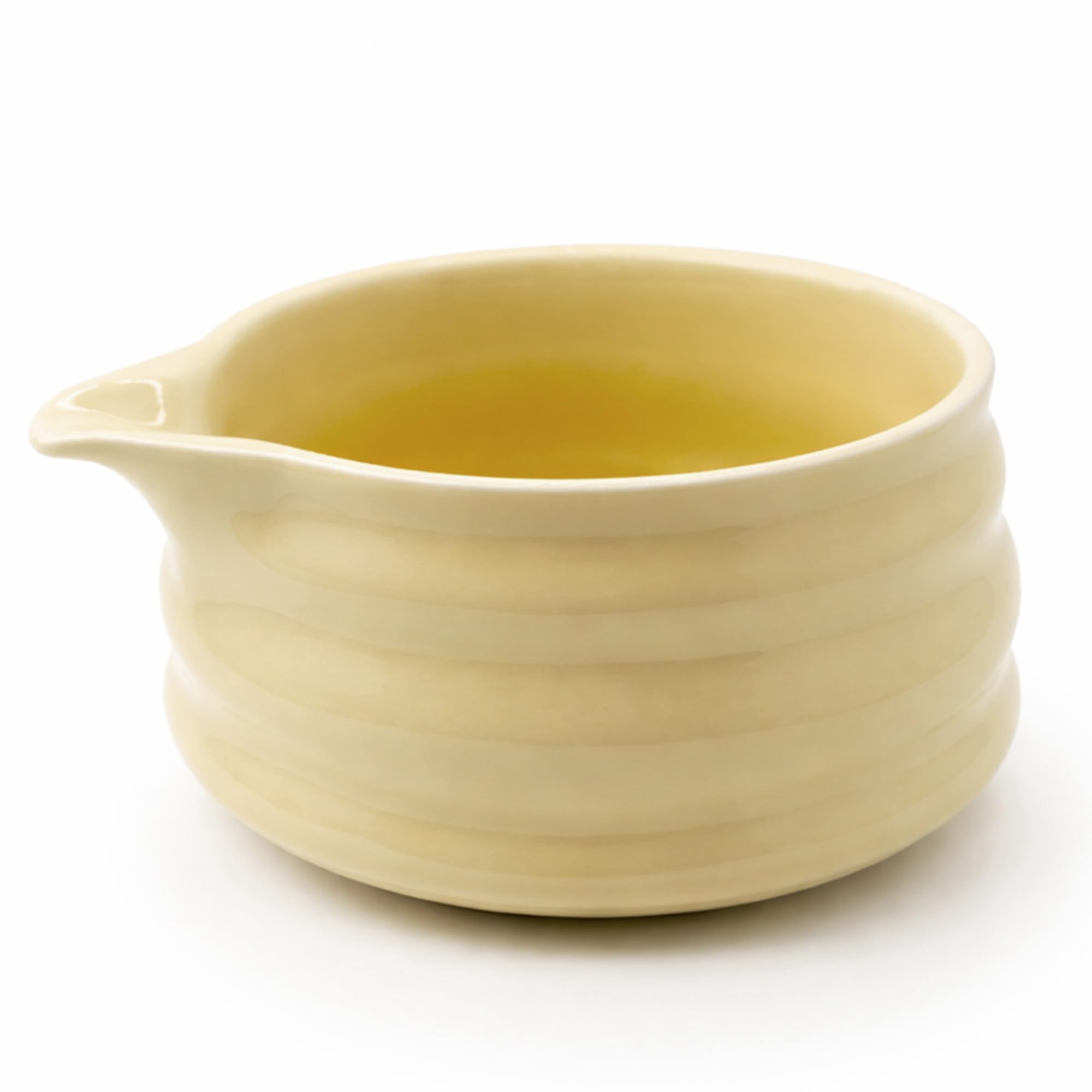
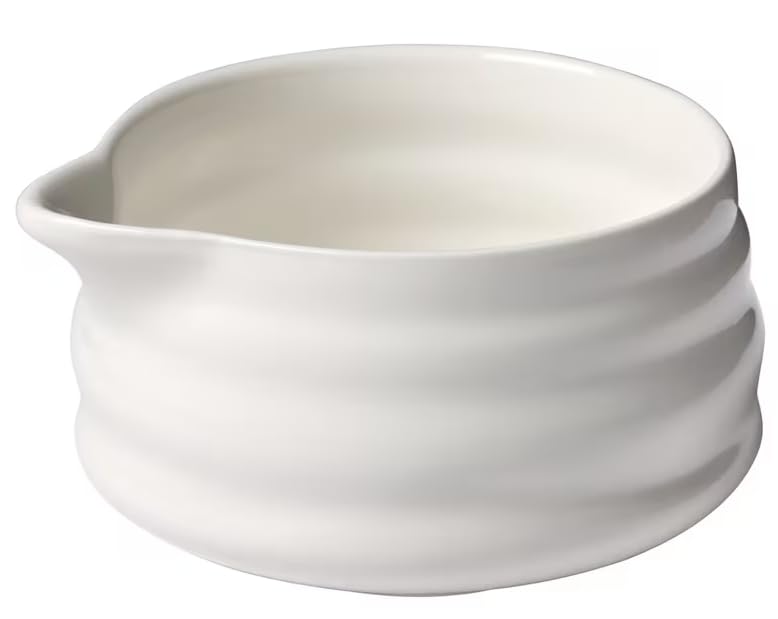
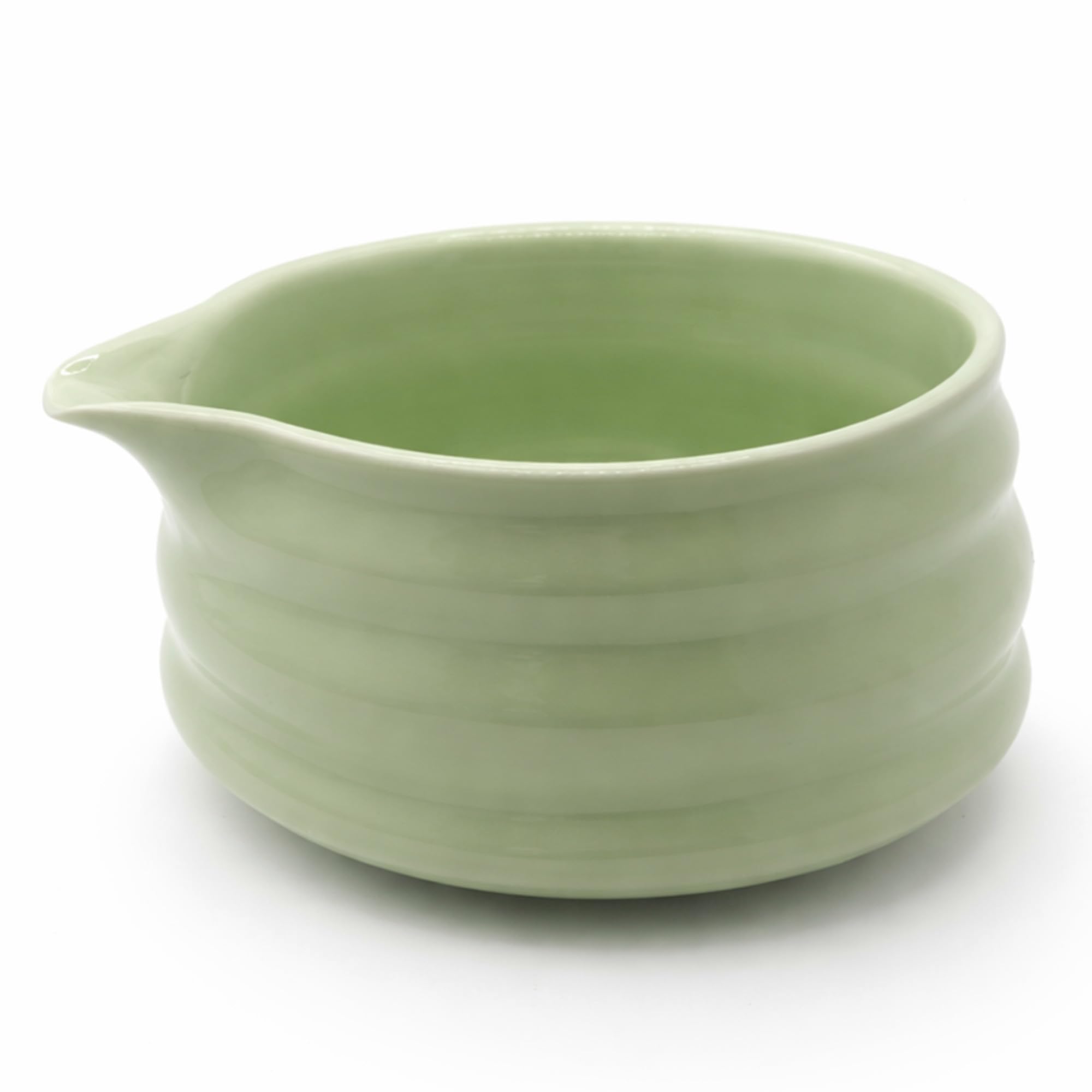
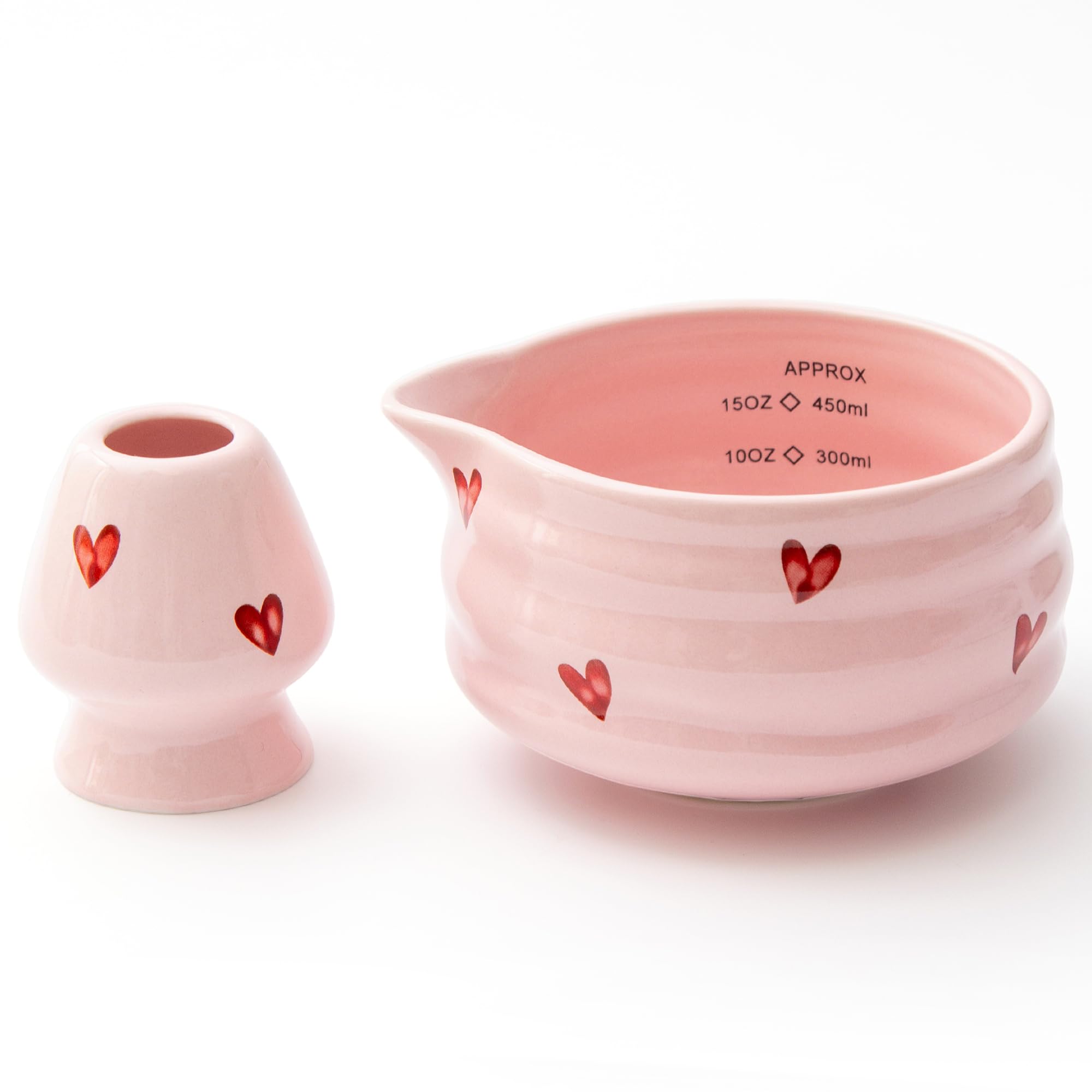
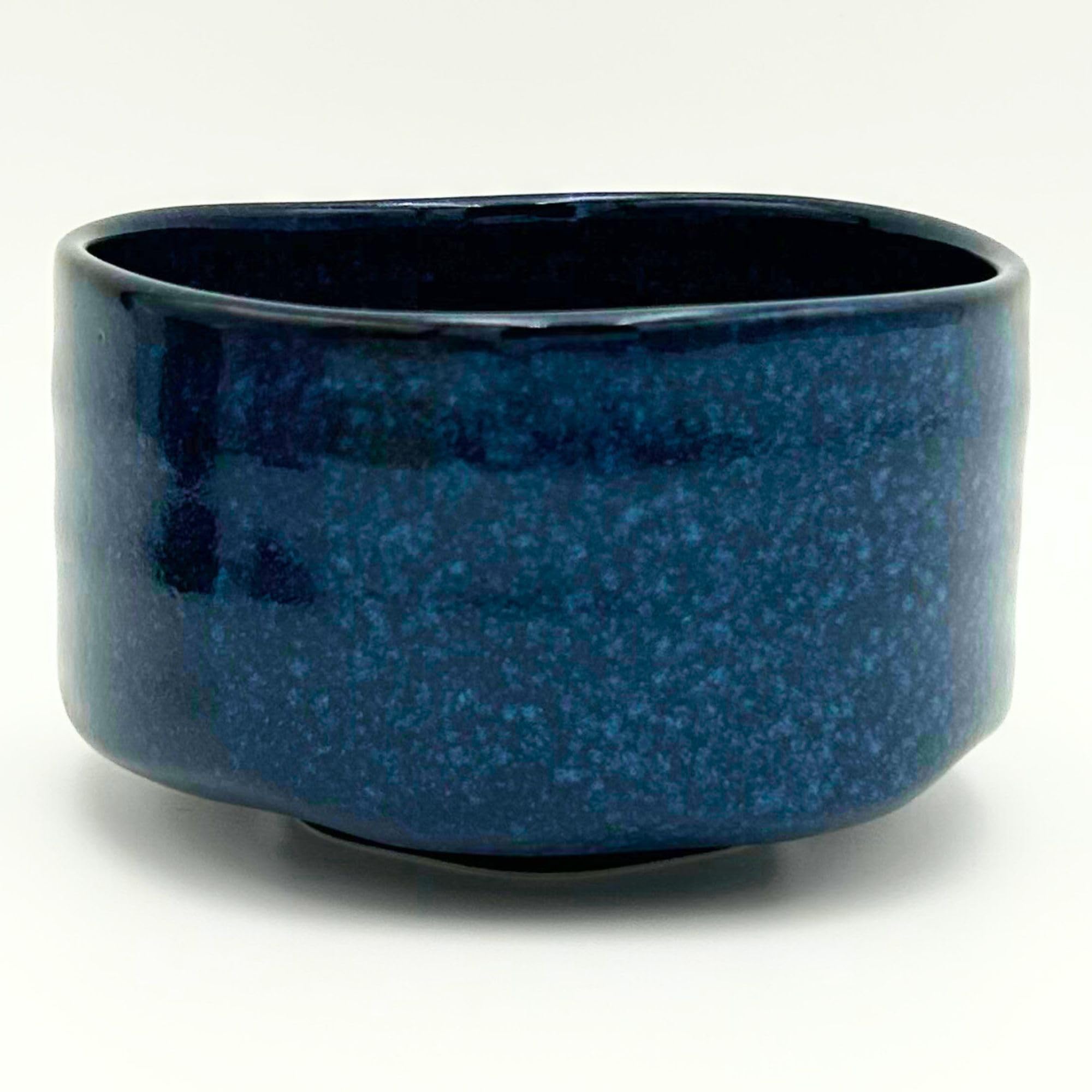
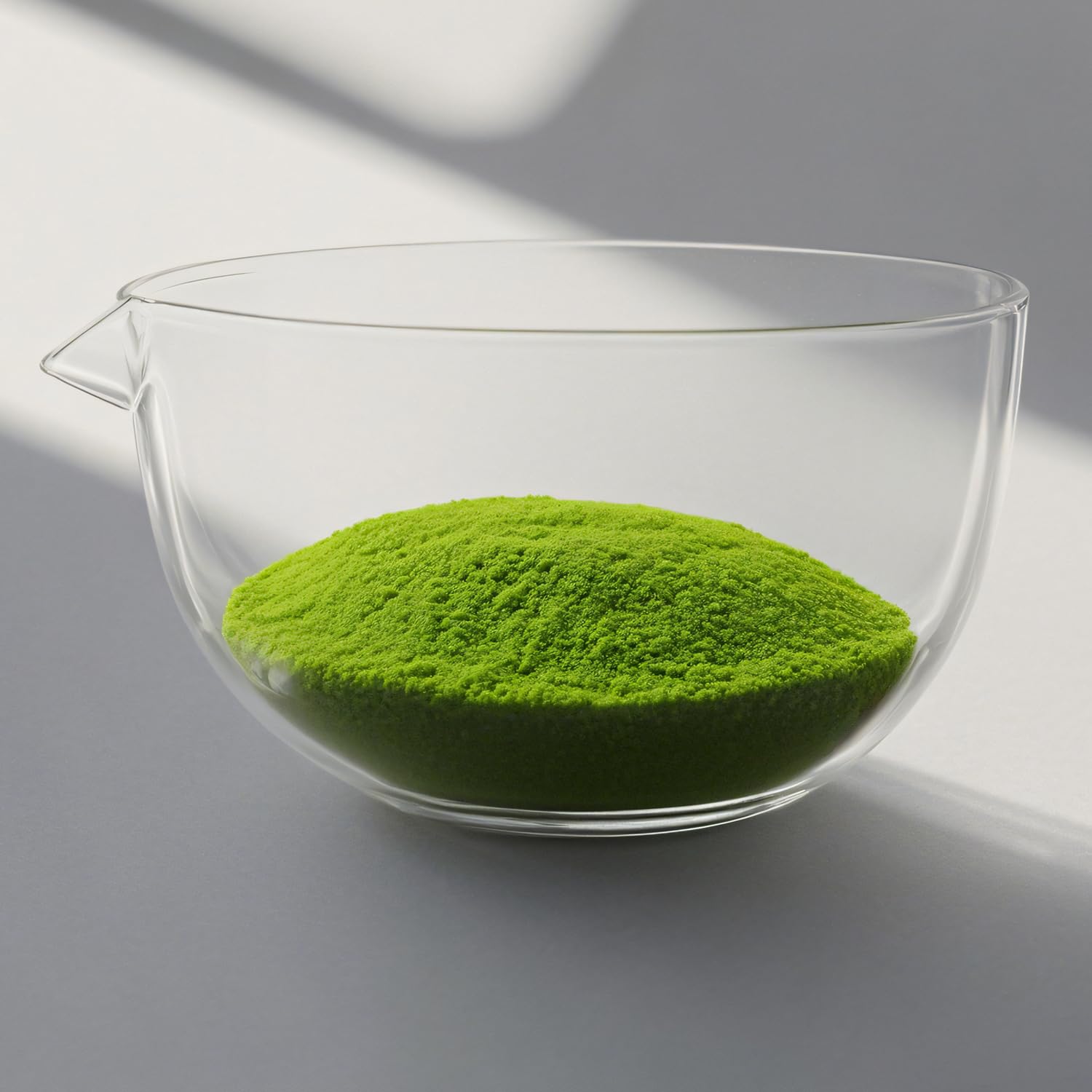
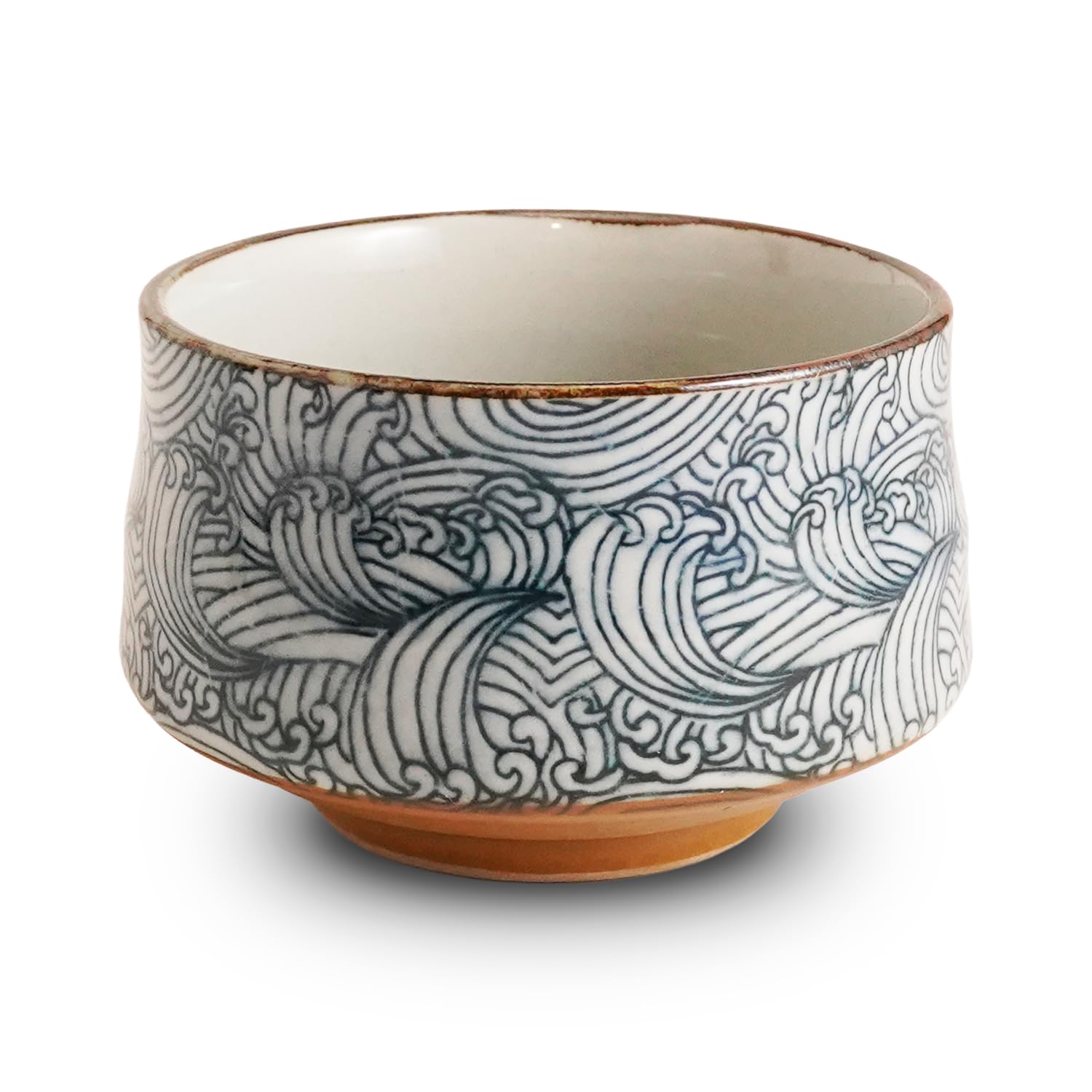
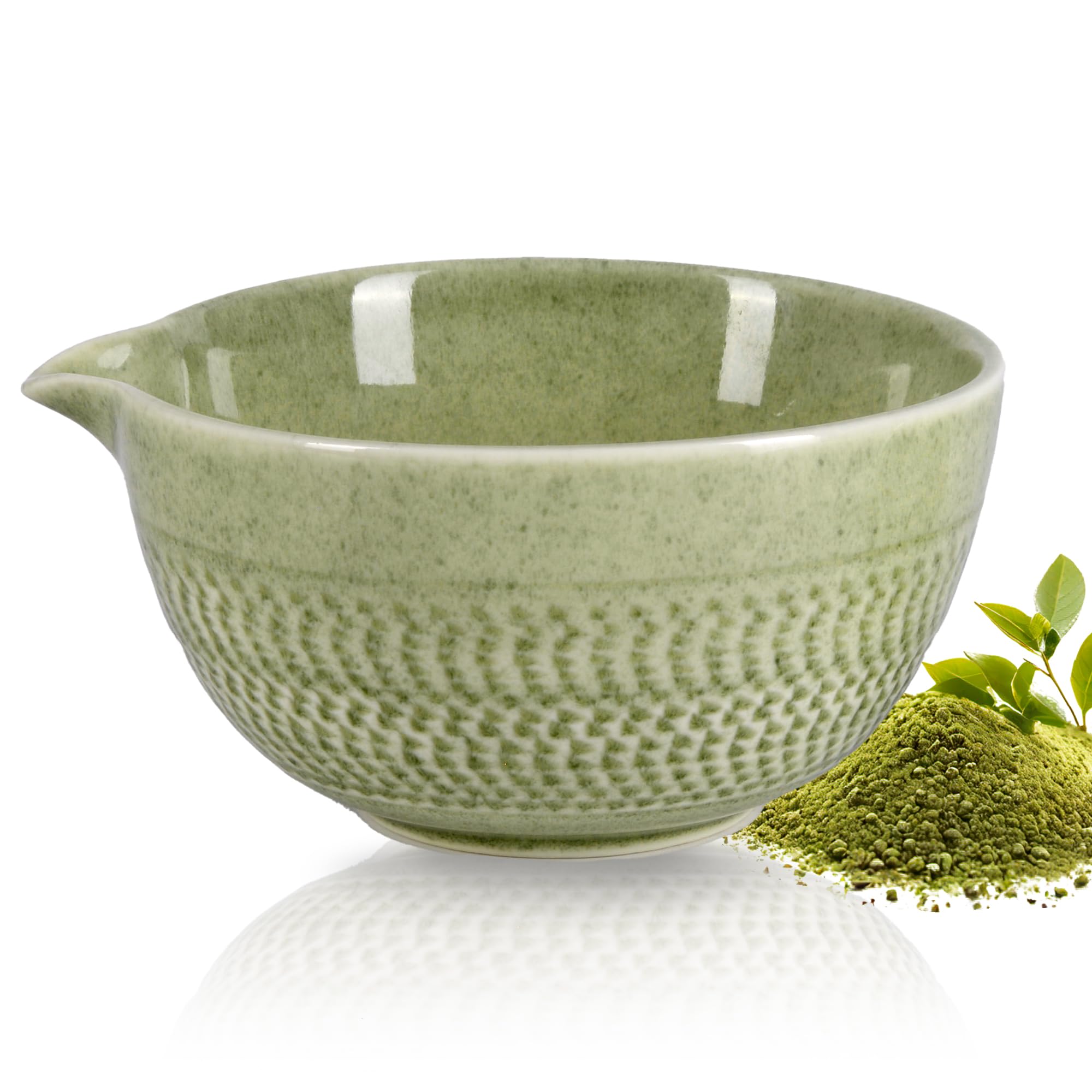
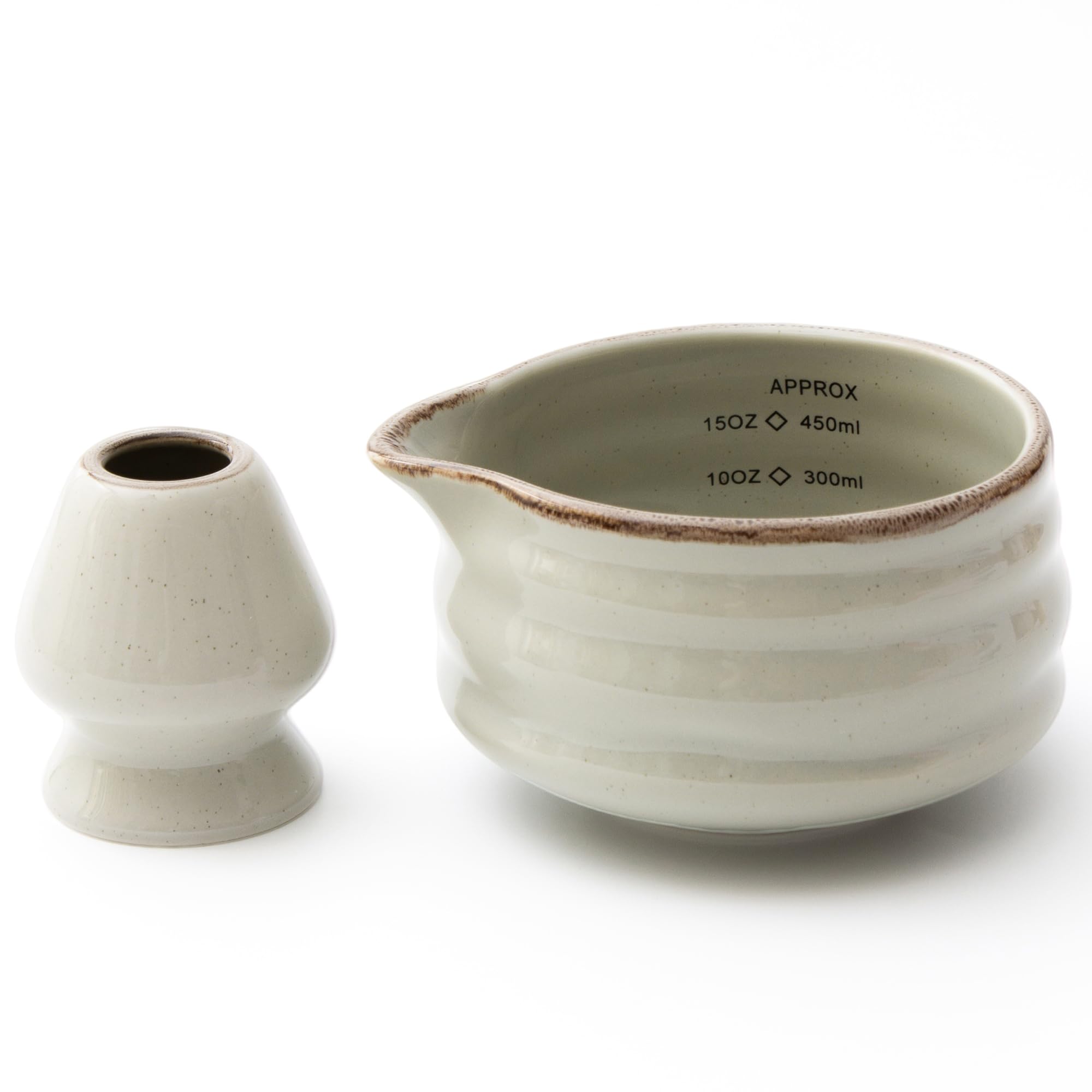
A matcha bowl is wider and shallower than a teacup, with a heavier foot and a shape that lets a whisk move in a tight zigzag without hitting the sides. The glaze matters for grip and heat, and the inside should be smooth enough that powder does not catch in ridges. Bowls are seasonal objects in Japan: shallower ones for summer, deeper for winter, so the tea cools at the right speed.
If you buy one piece of matcha equipment, buy the whisk. If you buy two, buy the bowl. A blender produces foam and bitterness; a whisk produces neither.
Yunomi, the everyday cup
The yunomi is the handleless cup used for sencha and hojicha, taller than a chawan and made to be held. Because there is no handle, thickness and shape decide whether you can hold it comfortably, which is why cheap thin cups burn fingers. Mino, Bizen and Mashiko wares are the names you will see most often, and each has a distinctive clay and glaze.
Tetsubin and the iron kettle
The tetsubin is a cast iron kettle, not a teapot, and it is meant for boiling water rather than brewing in. Nambu tekki, made in Morioka and Mizusawa in Iwate since the seventeenth century, is the best known type, and the craft arrived there with Kyoto artisans invited by the local domain. Iron kettles add a small amount of iron to the water and hold heat exceptionally well.
Enamel lined versions can be used for tea without seasoning, but unlined iron needs drying on the hob and occasional oiling. Never leave water sitting in one.
Care, which is simple
Nothing here belongs in a dishwasher, and neither do the knives or the pots. Unglazed clay absorbs flavours, so keep one pot for green tea and another for roasted or flavoured teas. Wash with warm water and your hands, dry immediately, and let ceramics air dry fully before putting them away. Bamboo whisks should be rinsed and stood on their handle to dry, never soaked.
The pieces above cover the practical core: a kyusu for leaf tea, a chawan and chasen for matcha, a yunomi for the everyday cup, and cast iron if you want water that stays hot. Start with the vessel you will use daily, and add the rest when the habit sticks.